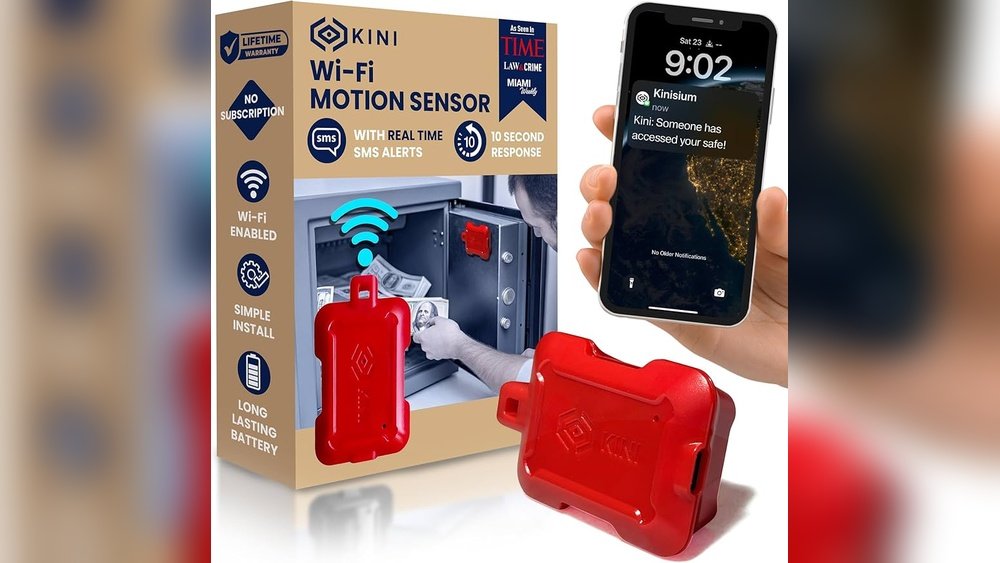
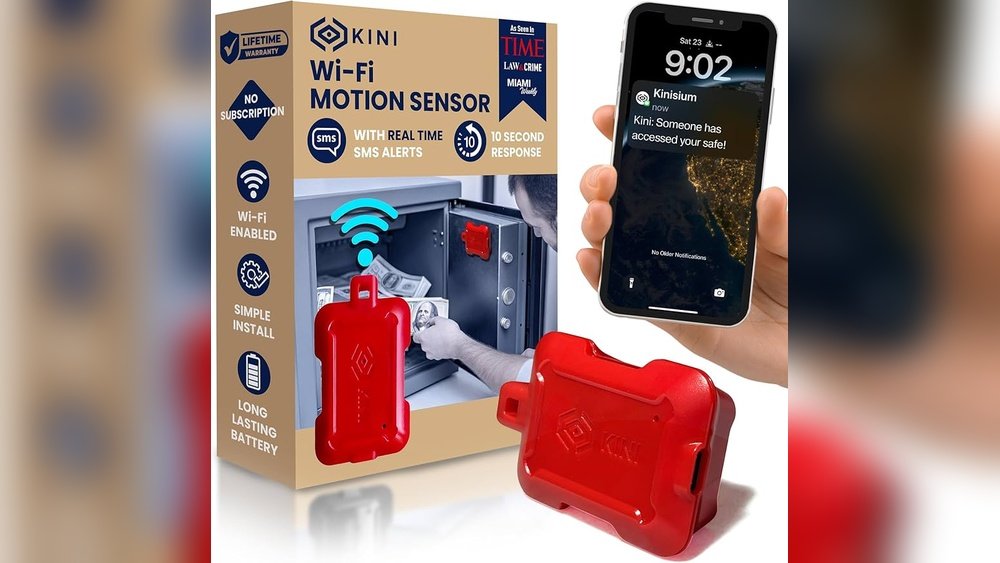
Have you ever wondered if your rifle safe can tell when someone is trying to break into it using tools? Protecting your firearms is crucial, and knowing if your safe can detect impacts could give you peace of mind.
Vibration sensors might be the key to catching those suspicious knocks or hits before it’s too late. You’ll discover how these sensors work, whether they can really sense tool impacts, and how they can help keep your valuables secure. Keep reading to find out how to boost your safe’s defense with smart technology.

Vibration Sensors In Security
Vibration sensors play a key role in security systems. They detect movements and shocks that may indicate a break-in or tampering. These sensors help protect valuable items inside rifle safes by sensing unusual impacts. They alert owners to potential threats quickly and accurately.
Many safes now include vibration sensors to improve security. These devices can sense hits from tools like hammers or drills. This makes it harder for thieves to break in without being noticed. The sensors add a strong layer of protection.
How Vibration Sensors Work
Vibration sensors detect small movements and shocks. Inside, they have parts that move when the safe is hit or shaken. This movement creates an electrical signal. The sensor sends this signal to an alarm system.
The alarm then alerts the owner or security service. It can trigger a loud noise or send a message to a phone. This fast response helps stop theft before it happens. The sensors are very sensitive to different types of impacts.
Types Of Vibration Sensors
There are several types of vibration sensors used in security. Piezoelectric sensors produce electricity when bent or pressed. These sensors are common in rifle safes because they react quickly.
Accelerometers measure changes in speed or direction. They can detect even subtle vibrations. Capacitive sensors change their electrical charge when moved. Each type fits different security needs and budgets.
Choosing the right sensor depends on the safe and the level of protection needed. Combining sensors can improve detection accuracy. This reduces false alarms while keeping the safe secure.
Detecting Tool Impacts On Rifle Safes
Rifle safes protect valuable firearms from theft. Detecting any attempt to break into these safes is important. Vibration sensors play a key role in this process. They can sense impacts from tools used by intruders. This helps alert owners or security systems quickly. Understanding how these sensors detect impacts is crucial for better protection.
Different tools create different vibration patterns. Sensors need to recognize these patterns to be effective. The right sensor sensitivity can distinguish between normal movements and real break-in attempts. This section explains common tools used in break-ins and how sensors respond to their impacts.
Common Tools Used In Break-ins
Thieves use various tools to open rifle safes. Hammers strike hard surfaces to create shocks. Screwdrivers try to pry open doors or panels. Crowbars apply force to bend or break parts. Power tools like drills make constant vibrations. Each tool causes unique vibration signals. Sensors must detect these signals quickly and accurately.
Sensor Sensitivity To Impact Types
Vibration sensors vary in sensitivity levels. High sensitivity sensors detect even small taps. Low sensitivity sensors ignore minor disturbances. The right balance avoids false alarms but catches real threats. Sensors detect sharp, sudden impacts better than slow pressure. They can sense repeated hits from tools like hammers or crowbars. Proper calibration improves safe security and alerts owners in time.
Sensor Placement And Installation
Proper sensor placement and installation are key to detecting impacts on rifle safes. Sensors must catch vibrations clearly without false alarms. The right spot and method improve sensor accuracy and response time.
Optimal Locations On Rifle Safes
Place sensors on solid parts of the safe. Metal walls work best for sensing tool impacts. Avoid areas near hinges or locks where vibrations may be weaker. The center of each panel is a good choice. Multiple sensors on different sides increase detection chances. Keep sensors away from padding or soft materials that absorb shocks.
Installation Best Practices
Use strong adhesive or screws to fix sensors firmly. Loose sensors give false readings or miss impacts. Clean the surface before attaching sensors for better hold. Route wires carefully to prevent damage or disconnection. Test sensors after installation by simulating light taps. Adjust placement if the sensor misses any impacts.
Limitations Of Vibration Sensors
Vibration sensors are popular for detecting impacts on rifle safes. They sense shakes or hits and send alerts. Despite their usefulness, these sensors have limits. Understanding these limits helps set the right expectations for safety.
False Alarms And Environmental Factors
Vibration sensors may trigger false alarms. Loud noises or nearby machinery can cause vibrations. Even heavy footsteps or door slams might set off the sensor. Weather changes, like strong winds or rain, also affect sensor accuracy. These environmental factors make it hard to rely solely on vibration sensors.
Sensor Range And Detection Gaps
Each vibration sensor has a limited range. If an impact happens outside this range, the sensor might miss it. Some spots on the safe may not be covered well. Gaps in detection create blind areas. Multiple sensors might be needed to cover all sides effectively.
Integrating Vibration Sensors With Security Systems
Integrating vibration sensors with security systems strengthens the protection of rifle safes. These sensors detect impacts from tools, alerting owners to possible tampering. Connecting them to broader security setups improves response times and overall safety.
Alarm Systems Compatibility
Vibration sensors work well with many alarm systems. They send signals to alarms when they detect shocks or hits. This triggers loud sounds to scare off intruders quickly. Compatibility depends on the sensor’s output type and the alarm system’s input. Many sensors use standard connections for easy integration. This makes adding vibration sensors to existing alarms simple and effective.
Remote Monitoring Options
Remote monitoring keeps owners informed about their rifle safes from anywhere. Vibration sensors can link to Wi-Fi or cellular networks. They send alerts to smartphones or monitoring centers instantly. This allows quick action if a safe is tampered with. Remote systems often include apps for easy checking and control. Continuous monitoring reduces the risk of unnoticed break-ins.
Enhancing Security Beyond Vibration Sensors
Enhancing security beyond vibration sensors is key for protecting rifle safes. Vibration sensors detect impacts but have limits. They may miss soft or indirect hits. Combining other security methods creates stronger defense. This approach helps stop theft and damage more effectively.
Supplementary Sensor Technologies
Adding other sensors improves detection and alert systems. Door sensors detect when a safe opens. Motion sensors notice movement near the safe. Temperature sensors track unusual heat changes that suggest tampering. These sensors work together to give better security coverage. They reduce false alarms and increase response speed.
Physical Safe Reinforcements
Strong materials make safes harder to break. Thick steel walls resist tools and impacts. Reinforced locks add extra layers of protection. Bolting safes to floors or walls prevents easy removal. These physical upgrades slow down thieves. They give more time for alarms to trigger and for help to arrive.
Choosing The Right Vibration Sensor
Choosing the right vibration sensor for your rifle safe is important. It helps detect impacts from tools and alerts you to possible break-ins. Not all sensors work the same. Some are better at sensing small hits. Others can handle strong shocks without false alarms. Understanding the key features will guide you to a good choice.
Features To Consider
Sensitivity is the top feature. The sensor must detect light taps and strong hits. It should not trigger false alarms from everyday vibrations.
Durability matters. The sensor should resist dust, moisture, and temperature changes. A rugged build means longer life in tough conditions.
Installation ease affects your choice. Some sensors need complex wiring. Others offer wireless setups for quick mounting.
Power source options are important. Battery-powered sensors offer flexibility but need regular checks. Wired sensors provide constant power but require more effort to install.
Compatibility with your safe’s alarm system improves security. Look for sensors that easily connect to your existing setup.
Top Sensor Models For Rifle Safes
The Honeywell 5800V vibration sensor is popular. It offers high sensitivity and low false alarms. Its wireless design suits most rifle safes.
The Fortress Security Sensor also stands out. It is durable and easy to install. It works well with common alarm systems.
Another option is the SimpliSafe Vibration Sensor. It detects impacts quickly and connects to SimpliSafe’s system easily. Battery life lasts months.
These models provide reliable impact detection. They help protect your rifles by alerting you to tampering fast.
Testing And Maintenance
Testing and maintenance play a key role in keeping vibration sensors working well. These sensors must accurately detect impacts from tools on rifle safes. Regular checks and care help avoid false alarms or missed signals. Proper upkeep extends the sensor’s life and ensures safety.
Regular Sensor Testing
Test vibration sensors often to confirm they detect impacts correctly. Use a small, controlled tap on the safe to trigger the sensor. Check if the alarm or alert activates each time. Testing helps find sensor faults early. It also confirms the sensor’s sensitivity remains strong.
Keep a testing log to track each check. Note any missed detections or false alarms. Regular tests build trust in your safe’s security system.
Maintenance Tips For Reliability
Clean the sensor and its surroundings to avoid dust build-up. Dirt can block vibrations and reduce sensor accuracy. Use a soft cloth and mild cleaner for gentle cleaning. Avoid harsh chemicals that may damage the sensor.
Check sensor wiring and connections regularly. Loose wires can cause sensor failure or false alarms. Tighten any loose parts and replace damaged cables. Keep the sensor dry and protected from moisture.
Update the sensor’s firmware if updates are available. Manufacturers improve detection and fix bugs through updates. Stay informed about new releases to maintain sensor performance.
Frequently Asked Questions
Can Vibration Sensors Detect Tool Impacts On Rifle Safes?
Yes, vibration sensors can detect impacts from tools on rifle safes. They sense sudden vibrations caused by hammering or drilling. This helps alert owners of potential break-in attempts quickly and effectively.
How Sensitive Are Vibration Sensors For Rifle Safes?
Vibration sensors are highly sensitive to even minor impacts. They detect tool hits and unusual movements without false alarms. Sensitivity can be adjusted to balance security and avoid nuisance alerts.
Do Vibration Sensors Prevent Forced Entry Attempts?
While vibration sensors don’t prevent entry, they provide early warnings. Alerts help owners or security respond before a break-in succeeds. This deterrent reduces the risk of theft and damage.
Can Vibration Sensors Work With Other Rifle Safe Alarms?
Yes, vibration sensors integrate well with other alarm systems like door sensors or motion detectors. Combining sensors enhances overall security and ensures comprehensive protection for your rifle safe.
Conclusion
Vibration sensors can help detect impacts on rifle safes. They sense sudden movements or hits from tools. This adds a layer of protection to your safe. Still, no sensor is perfect on its own. Combining sensors with strong locks and alarms works best.
Choose sensors that fit your safe and needs well. Regularly test and maintain your security system. This keeps your firearms safer from theft or damage. Simple, smart steps make a big difference in security.