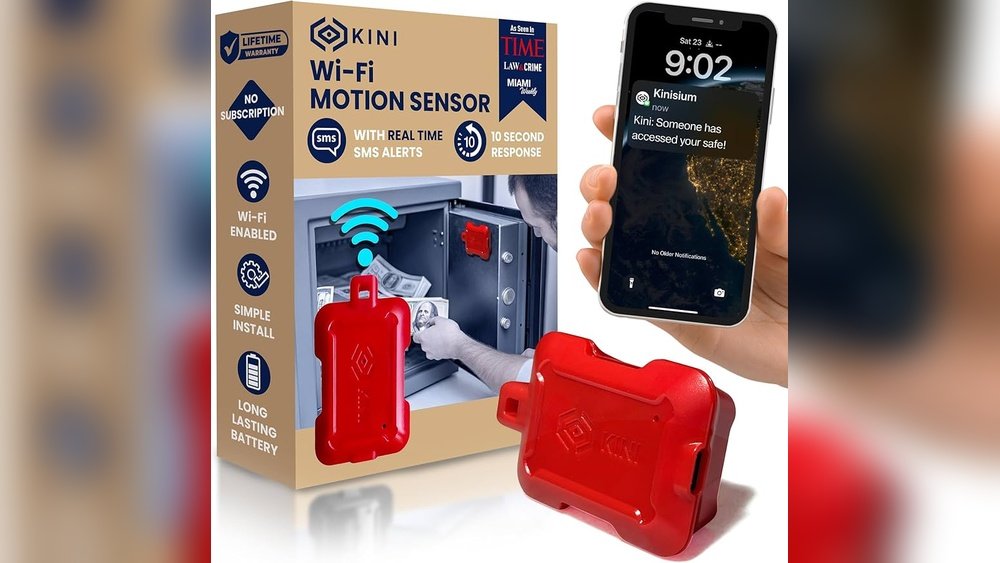
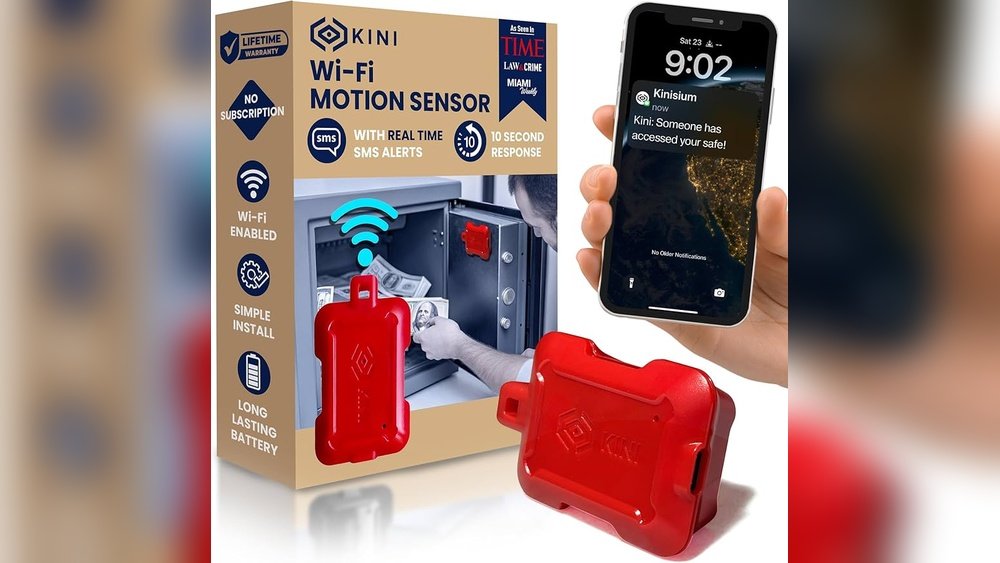
Are you worried about the security of your safe? Knowing how far a wireless vibration sensor can detect movement is key to protecting your valuables.
But what exactly is the range of these sensors, and how does it affect your safe’s safety? Understanding this can help you choose the right sensor and keep your belongings secure. Keep reading to discover the facts you need to make the best decision for your protection.

Wireless Vibration Sensors Basics
Wireless vibration sensors for safes detect unwanted movement or tampering. They help protect valuables by sending alerts when vibrations occur. Understanding the basics of these sensors shows how they keep safes secure.
How They Work
Wireless vibration sensors sense vibrations using tiny motion detectors. When the safe shakes or moves, the sensor detects this change. It then sends a wireless signal to a control panel or your phone. This alert warns you about possible break-in attempts. The wireless feature means no wires connect the sensor to the alarm system. This makes installation easier and more flexible.
Key Components
These sensors have several important parts. A vibration detector picks up movement or shaking. A wireless transmitter sends the alert signal. A power source, often a battery, keeps the sensor running. Some sensors include a microprocessor to analyze the vibration patterns. This helps reduce false alarms from small or harmless movements. Together, these parts work to keep your safe protected and secure.

Range Factors
The range of wireless vibration sensors for safes depends on several important factors. These factors control how far the sensor can send signals effectively. Understanding these helps in choosing the right sensor for your security needs.
Each factor affects the sensor’s performance in different ways. Some reduce the signal range, while others influence battery life or sensor reliability. Let’s explore the key range factors.
Signal Strength
Signal strength is the power of the sensor’s wireless transmission. Stronger signals travel farther and are less likely to drop. Sensors with high signal strength ensure alerts reach the receiver quickly. Low signal strength reduces the effective range and may cause delays.
Obstacles And Interference
Walls, metal, and other objects block or weaken wireless signals. Thick walls or metal safes can reduce the signal range significantly. Other wireless devices cause interference and disrupt communication. Clear paths between the sensor and receiver improve range and reliability.
Battery Life Impact
Battery life affects how often a sensor can send strong signals. Longer battery life may mean weaker signals to save power. Sensors that send frequent updates use more battery and may have shorter range. Balancing signal strength and battery life is key for optimal range.
Typical Range Distances
Wireless vibration sensors for safes come with different range distances. These ranges affect how far the sensor can send signals to a receiver. Understanding these ranges helps in choosing the right sensor for your security needs. The range depends on the sensor type and environment. Below are the typical range distances for wireless vibration sensors.
Short Range Sensors
Short range sensors usually cover up to 30 feet. They work well in small rooms or close spaces. These sensors use less power and are easy to install. Walls and furniture can reduce their signal strength. Ideal for home safes or small offices.
Medium Range Sensors
Medium range sensors reach between 30 and 100 feet. They suit larger rooms and small buildings. These sensors balance power use and coverage. They can handle some obstacles like walls or doors. Good choice for medium-sized businesses or multiple safes.
Long Range Sensors
Long range sensors cover distances over 100 feet. They work well across large areas and warehouses. These sensors use stronger signals to pass through obstacles. They may require more power or larger batteries. Perfect for commercial sites with many safes or large properties.
Installation Tips For Best Range
Installing wireless vibration sensors for safes requires careful attention. Proper installation improves sensor range and reliability. Small changes in setup can make a big difference in signal strength. Follow these tips to get the best performance from your sensors.
Sensor Placement
Place sensors close to where vibration happens most. Avoid corners or hidden spots that block signals. Higher positions on the safe can give better coverage. Keep sensors away from metal surfaces that reduce signal strength.
Avoiding Signal Blockers
Remove objects that block wireless signals. Thick walls, large metal items, and electronic devices can interfere. Keep the path between sensor and receiver clear. Avoid placing sensors near heavy machinery or strong magnets.
Using Signal Boosters
Signal boosters help extend the wireless range. Use boosters if the safe is far from the receiver. Place boosters midway between the sensor and the receiver. Make sure boosters have power and clear signal paths.
Comparing Popular Sensor Models
Comparing popular wireless vibration sensors helps to choose the right safe protection. Each model offers different range and features. Understanding these details makes your choice easier. Some models focus on longer range, others on sensitivity or battery life. This section breaks down key models and their strengths and weaknesses.
Model Range Capabilities
Model A has a wireless range of up to 100 meters. It works well in open spaces with few obstacles. Model B offers about 50 meters but performs better through walls. Model C reaches 150 meters in ideal conditions but drops quickly indoors. Model D provides a steady 80 meters with stable signal quality. Range depends on the environment and sensor placement.
Pros And Cons
Model A is easy to install and has good battery life. It may lose signal in buildings with many walls. Model B is compact and reliable indoors. It has a shorter range outdoors. Model C covers long distances but needs clear line of sight. It also uses more power. Model D balances range and battery life but costs more than others. Each model suits different needs and spaces.

Security Considerations
Security is a key factor for wireless vibration sensors on safes. These devices must protect data and resist tampering. Without strong security, sensitive information can be exposed or lost.
Safe owners need to trust that the sensor signals are safe. This trust depends on two main features: signal encryption and tamper detection. These help keep the system secure and reliable.
Signal Encryption
Signal encryption protects the data sent by the sensor. It changes the data into a secret code. Only authorized devices can read this code. This stops hackers from stealing or changing the information.
Good encryption uses strong algorithms. It makes the signal hard to break. This keeps the vibration sensor’s messages private. The safe stays protected from remote attacks.
Tamper Detection
Tamper detection alerts if someone tries to interfere with the sensor. It senses physical or electronic tampering attempts. If detected, the system can trigger alarms or notify the owner.
This feature ensures the sensor remains trustworthy. It prevents false signals or disabled alerts. Tamper detection increases the overall security of the safe’s monitoring system.
Troubleshooting Range Issues
Wireless vibration sensors for safes offer convenience and security. Sometimes, these sensors may not work at their full range. Troubleshooting range issues helps keep your safe protected.
Understanding common problems and their solutions saves time and effort. It ensures your sensor keeps detecting vibrations correctly.
Common Problems
Signal interference is a frequent cause of range issues. Walls, metal objects, and electronic devices can block signals.
Battery problems also reduce sensor range. Low battery power weakens the signal strength.
Improper sensor placement affects performance. Placing the sensor too far from the receiver lowers detection ability.
Firmware or software bugs may cause glitches. Outdated sensor software can limit range and function.
Solutions And Fixes
Move the sensor closer to the receiver. Avoid obstacles like thick walls and metal objects.
Replace or recharge the sensor batteries regularly. Strong batteries improve signal strength and range.
Place sensors in open areas on the safe surface. This improves detection and reduces interference.
Update the sensor’s firmware or software. Check the manufacturer’s website for the latest version.
Test the sensor after each fix. Confirm the range and sensitivity improve with each step.
Frequently Asked Questions
What Is The Typical Range Of Wireless Vibration Sensors For Safes?
Wireless vibration sensors for safes usually have a range between 100 to 300 feet. Range varies with obstacles, sensor quality, and environment. Stronger signals ensure timely alerts and effective monitoring of safe tampering or unauthorized access.
How Do Obstacles Affect Vibration Sensor Wireless Range?
Obstacles like walls, metal objects, and furniture reduce wireless vibration sensor range. Metal safes can block or weaken signals. For optimal performance, place sensors where signal interference is minimal and ensure the sensor has a clear line of sight to the receiver.
Can Wireless Vibration Sensors Work Outdoors Near Safes?
Yes, some wireless vibration sensors are designed for outdoor use near safes. Outdoor models offer extended range and weather resistance. However, signal strength may still be affected by environmental factors like rain, walls, or distance between sensor and receiver.
How To Improve Wireless Vibration Sensor Range For Safes?
To improve range, position sensors closer to the receiver and avoid obstacles. Use signal repeaters or boosters if available. Choose sensors with higher transmission power for stronger signals and reliable safe security monitoring.
Conclusion
Wireless vibration sensors for safes usually work within 50 to 100 meters. This range depends on the sensor model and environment. Walls and metal objects can reduce the signal strength. Clear line of sight gives the best performance. Choosing the right sensor helps keep your safe secure.
Always check the sensor’s range before buying. Good placement improves detection and response time. Stay informed to protect your valuables better. Simple steps make a big difference in safety.