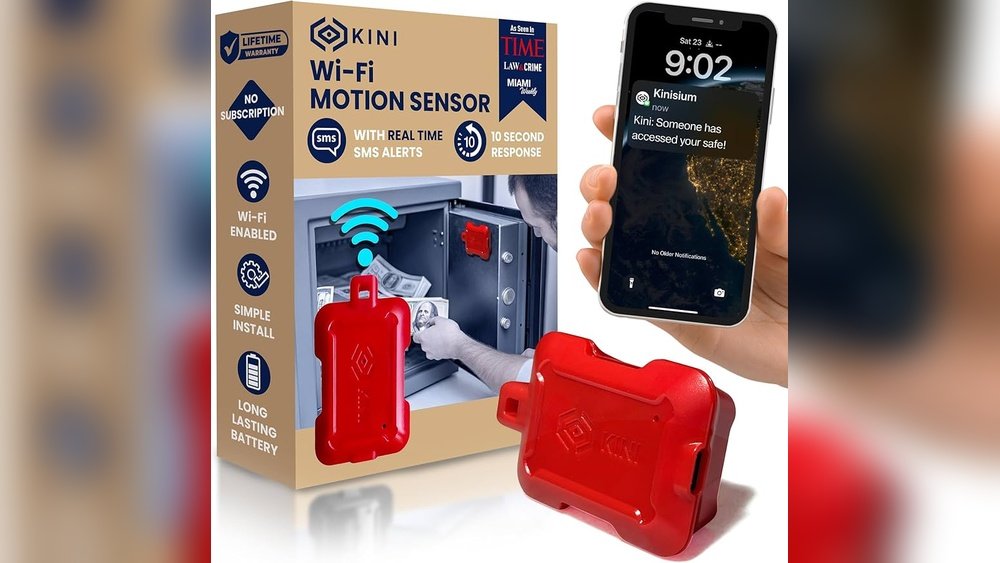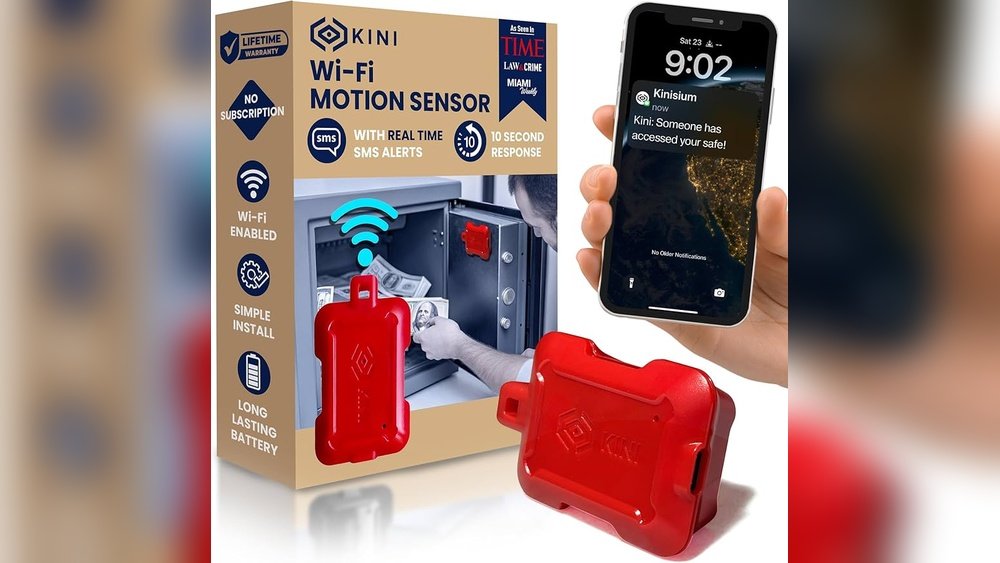
When it comes to protecting your rifle safe, you want the best security possible. You might be wondering: are vibration sensors really tamper-proof?
Can you trust them to alert you if someone tries to break in? Understanding how these sensors work and their limits is key to keeping your firearms safe. Keep reading to find out what you need to know before relying on vibration sensors for your rifle safe security.
Basics Of Vibration Sensors
Vibration sensors play a key role in protecting rifle safes. They detect movements or shocks that may signal tampering. Understanding how these sensors work helps in choosing the right security system. These sensors offer a layer of protection by alerting you to unusual activity.
Many types of vibration sensors exist, each with unique features. Knowing their basics ensures better security for your valuables. Below, we explore how vibration sensors operate and the common types used in security systems.
How Vibration Sensors Work
Vibration sensors detect physical movement or shocks. They use tiny components that sense vibrations in their environment. When the sensor feels a vibration, it sends a signal to the alarm system. This signal triggers an alert to warn of possible tampering. Sensors vary in sensitivity to match different security needs.
Common Types In Security Systems
Piezoelectric sensors are popular because they generate voltage when shaken. Accelerometers measure changes in speed and direction of movement. Microelectromechanical systems (MEMS) combine small parts to sense vibrations precisely. Each type suits different security setups based on size and sensitivity. Choosing the right sensor depends on the protection level required.
Vibration Sensors In Rifle Safes
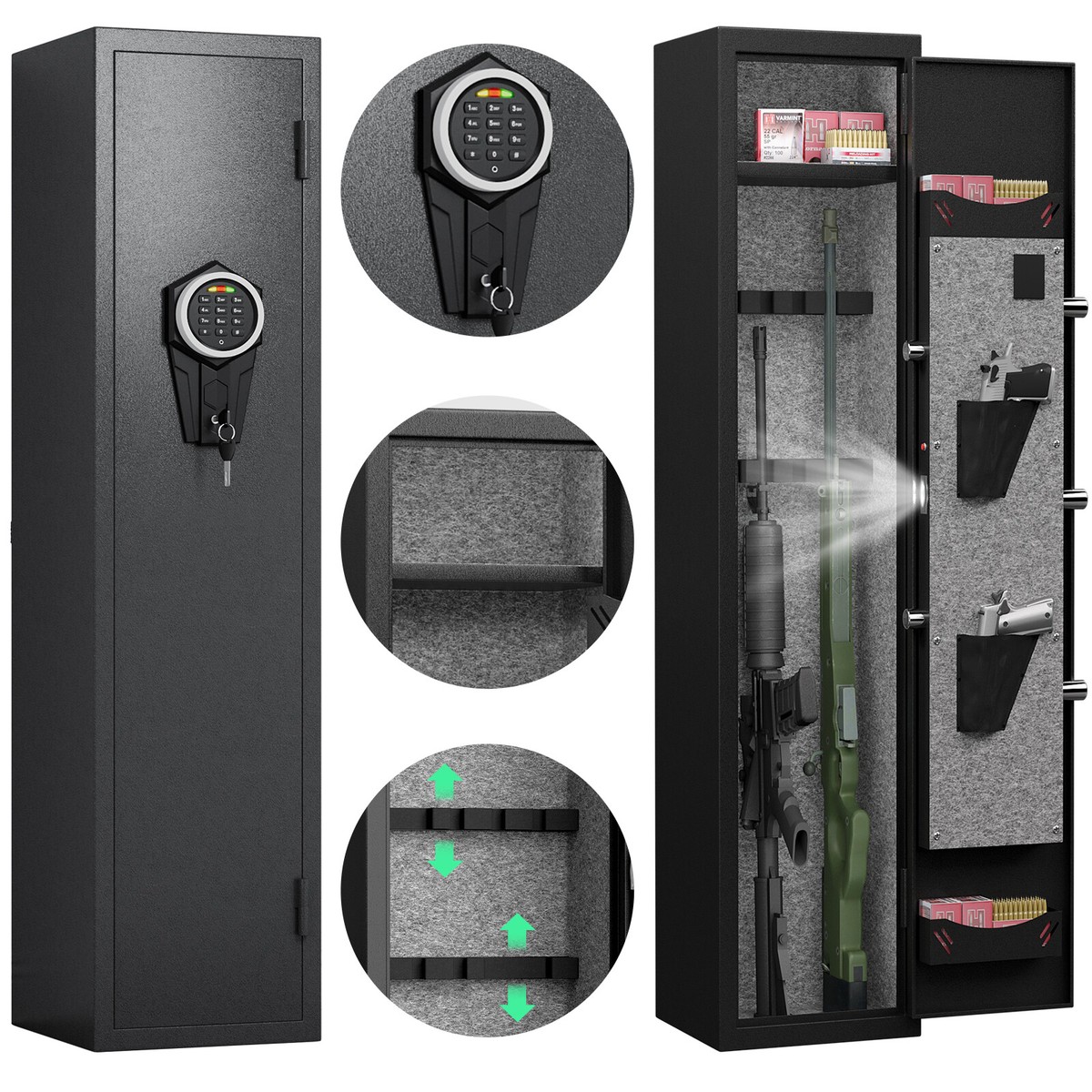
Vibration sensors in rifle safes detect movement or shaking. They act as an alert system for any unwanted tampering. These sensors add a layer of security beyond just a lock or keypad. They help protect firearms from theft or unauthorized access.
Role In Security Enhancement
Vibration sensors sense unusual motion near the safe. They trigger alarms if the safe is moved or hit. This alerts owners and scares off potential thieves. Sensors can detect attempts to pry open or force the safe. They improve overall security by providing early warnings. This technology supports other security features already in place.
Installation And Integration
Most vibration sensors fit easily inside the safe. They connect to the safe’s alarm or security system. Some models link to smartphones for instant alerts. Installation usually requires minimal tools and no special skills. Proper placement inside the safe ensures better detection. Integrating sensors with existing systems boosts their effectiveness.
Tamper Risks And Vulnerabilities
Vibration sensors add an important layer to rifle safe security. They detect movement or shock to alert owners of tampering attempts. Yet, these sensors face certain risks and weaknesses. Understanding these vulnerabilities helps improve safe protection.
Some tampering methods can trick or disable vibration sensors. False alarms may also reduce their effectiveness. Let’s explore these challenges in detail.
Methods To Bypass Or Disable
Thieves might use tools to block sensor signals. Covering the sensor or using strong magnets can stop alerts. Some try to remove the sensor completely. Others apply steady pressure to avoid triggering vibration. These tactics show that sensors are not foolproof. Regular checks and backups can help detect tampering attempts.
False Alarms And Sensitivity Issues
Sensors can trigger false alarms from minor bumps or loud noises. Over-sensitive devices may cause frustration and distrust. Under-sensitive sensors might miss real threats. Proper calibration is key for balance. False alarms can lead owners to ignore warnings. Testing sensors in real conditions improves reliability and trust.
Technological Advances
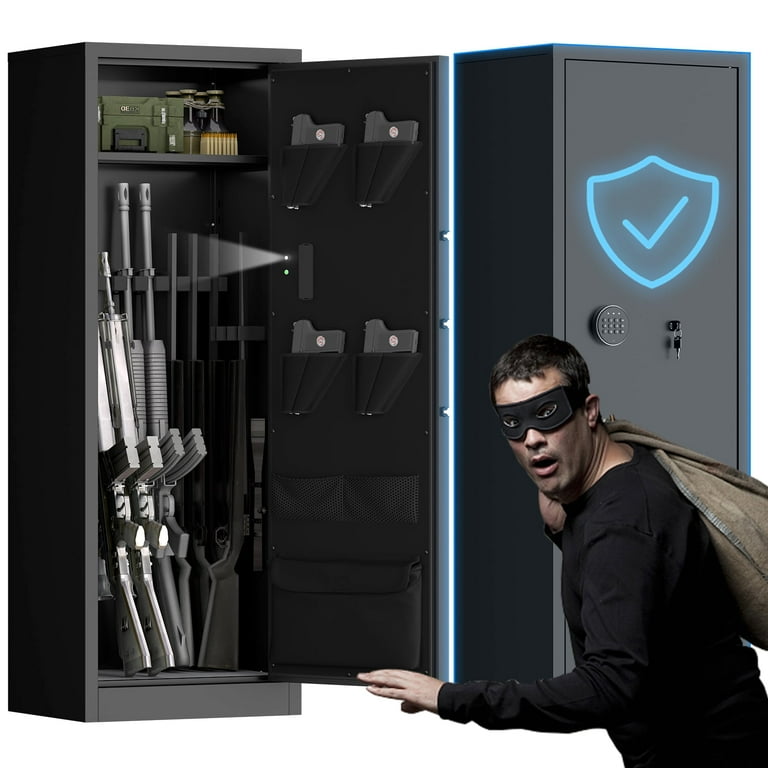
Technological advances have greatly improved vibration sensors for rifle safe security. These sensors now detect tampering more accurately. They help protect your firearms better. Technology keeps evolving to stop thieves and unauthorized access. Sensors work smarter and more reliably today.
Improved Tamper Detection Features
Modern vibration sensors use sensitive components. They detect even slight movements or shocks. These sensors can tell the difference between normal use and tampering attempts. They send alerts faster and reduce false alarms. Some models include shock direction detection. This feature helps identify how and where tampering occurs. Enhanced sensitivity makes rifle safes more secure.
Combination With Other Sensors
Vibration sensors now often work with other types of sensors. For example, they combine with door sensors and motion detectors. This creates a multi-layered security system. If one sensor misses a threat, another catches it. This combined approach reduces the chance of false alarms. It also increases the chance to stop break-ins early. Using various sensors together strengthens rifle safe protection.
Real-world Performance
Real-world performance of vibration sensors in rifle safes shows mixed results. These sensors detect movement or shocks to alert owners of possible tampering. Their effectiveness depends on sensor quality, installation, and environment. Understanding how they perform outside the lab helps evaluate their true security value.
Case Studies And Incidents
Several reports highlight vibration sensors stopping break-in attempts. In one case, an alert triggered by a sensor led to police arriving before thieves could open the safe. Another report shows sensors failing when attackers used slow, silent methods to avoid vibrations.
Some safes with vibration sensors experienced false alarms due to nearby construction or loud noises. These incidents show sensors detect movement but cannot always distinguish between threats and normal vibrations. This gap affects their reliability in real conditions.
User Experiences And Feedback
Many users praise vibration sensors for adding an extra security layer. They feel safer knowing their safe sends alerts on unusual movement. Some note the sensors are easy to install and use with smartphone alerts.
Others mention false alarms as a common problem. This causes annoyance and sometimes leads to disabling the sensor. A few users report sensor failures after long use or poor battery life. Overall, feedback suggests vibration sensors help but are not foolproof.

Best Practices For Enhanced Security
Enhancing rifle safe security requires more than just installing vibration sensors. Proper use and care of these sensors improve their effectiveness. Follow best practices to keep your safe secure and your belongings protected. Focus on smart sensor placement and regular upkeep.
Sensor Placement Strategies
Place vibration sensors where they detect movement best. Mount them on hard surfaces, such as metal or wood panels of the safe. Avoid placing sensors near soft materials that absorb vibrations. Position multiple sensors to cover all sides of the safe. This reduces blind spots and increases detection accuracy.
Keep sensors away from areas with frequent harmless vibrations. This prevents false alarms. Sensors should be hidden but accessible for maintenance. Choose locations that make tampering difficult but allow easy inspection.
Regular Maintenance And Testing
Check vibration sensors often to ensure they work well. Test sensors by gently tapping the safe to confirm alarms trigger. Replace batteries regularly to avoid power failures. Clean sensors from dust and dirt that can affect sensitivity.
Update sensor firmware when updates are available. This keeps security features up to date. Document maintenance routines and test results. Consistent care helps detect issues early and maintain strong protection.
Alternatives And Complementary Solutions
Vibration sensors add a layer of security to rifle safes. Still, they may not be enough alone. Combining sensors with other solutions boosts safety. These alternatives and complementary methods help protect your firearms better.
Biometric Locks
Biometric locks use fingerprints or retina scans to allow access. This makes it hard for unauthorized people to open the safe. Only registered users can unlock the safe quickly. They work well with vibration sensors for added security.
Alarm Systems And Cameras
Alarm systems alert you if someone tries to tamper with the safe. They create noise to scare off intruders. Cameras record any suspicious activity near your safe. Footage helps identify the person trying to break in. These tools provide real-time protection and evidence.
Frequently Asked Questions
Are Vibration Sensors Reliable For Rifle Safe Security?
Vibration sensors detect unauthorized movement by sensing vibrations. They provide an extra security layer but are not entirely tamper-proof. Combining sensors with other security measures improves rifle safe protection.
Can Vibration Sensors Be Easily Tampered With?
Vibration sensors can be vulnerable to tampering if not properly installed. Skilled intruders may bypass or disable them. Proper installation and maintenance reduce tampering risks significantly.
How Do Vibration Sensors Enhance Rifle Safe Protection?
They alert owners immediately when movement or forced entry is detected. This quick response helps prevent theft or unauthorized access. They work best alongside alarms and surveillance systems.
Are Vibration Sensors Better Than Traditional Locks?
Vibration sensors complement traditional locks but do not replace them. Locks provide physical barriers, while sensors offer alert systems. Using both ensures comprehensive rifle safe security.
Conclusion
Vibration sensors add a useful layer of security to rifle safes. They detect movement and alert owners quickly. Yet, no sensor is completely tamper-proof. Skilled intruders might find ways to bypass or disable them. Combining vibration sensors with locks and alarms improves protection.
Regularly checking and updating your security system helps too. Choose sensors designed for rifle safes for best results. Stay aware and keep your firearms safe with smart security choices.