Are you curious about making your smart home even smarter? If you’ve been wondering whether vibration sensors can fit into your smart home system, you’re not alone.
These sensors can detect unusual movements and vibrations, adding an extra layer of security and convenience to your living space. But are they really compatible with the devices you already use? Keep reading to discover how vibration sensors work with your smart home setup and why they might be the upgrade you didn’t know you needed.
Vibration Sensors Basics
Vibration sensors detect movement or shaking in objects or surfaces. They help monitor machines, structures, and even home appliances. These sensors send signals when they sense vibrations. This makes them useful for safety and automation in smart homes.
Understanding how vibration sensors work and the types available is important. This knowledge helps in choosing the right sensor for smart home use.
Types Of Vibration Sensors
There are several types of vibration sensors. Accelerometers measure acceleration caused by vibration. They are common and very sensitive. Piezoelectric sensors generate an electric charge when they experience vibration. These sensors are durable and reliable. Capacitive sensors detect changes in electrical capacitance due to vibration. They are less common but useful in some cases. Each type suits different applications in smart homes.
How Vibration Sensors Work
Vibration sensors detect movement using internal components. Accelerometers use tiny masses that move when vibration occurs. This movement creates an electrical signal. Piezoelectric sensors produce voltage when pressure changes. Capacitive sensors change their capacitance with vibration. The sensor converts this change into an electric signal. Smart home systems receive this signal to trigger actions or alerts.
Smart Home Systems Overview
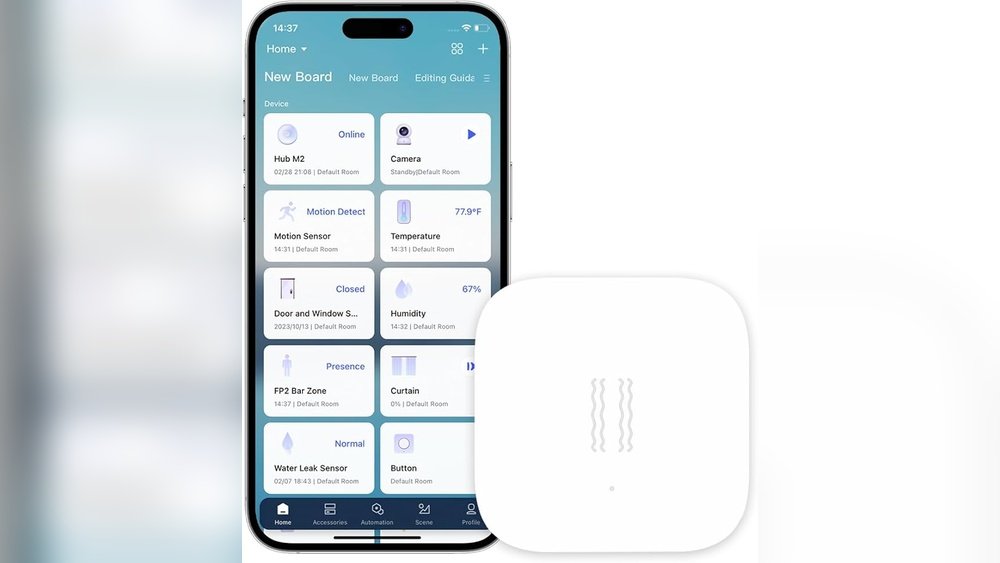
Smart home systems bring many devices together for easier control. They connect gadgets like lights, thermostats, and security tools. This network helps you manage your home with simple commands or apps.
These systems use the internet and sensors to work smoothly. They offer convenience, safety, and energy savings. Knowing how smart home systems operate helps understand sensor compatibility.
Popular Smart Home Platforms
Several platforms lead the smart home market. Amazon Alexa offers voice control and device integration. Google Home supports many gadgets and uses Google Assistant. Apple HomeKit connects Apple devices with strong privacy. Samsung SmartThings works with many brands and sensors. Each platform supports different devices and features.
Key Features Of Smart Home Systems
Smart home systems often include remote control via apps. Automation allows devices to work on schedules or triggers. Voice commands enable hands-free management. Sensors detect motion, temperature, or vibrations to trigger actions. Security features include alarms and alerts. Compatibility with many devices ensures system flexibility.
Integration Possibilities
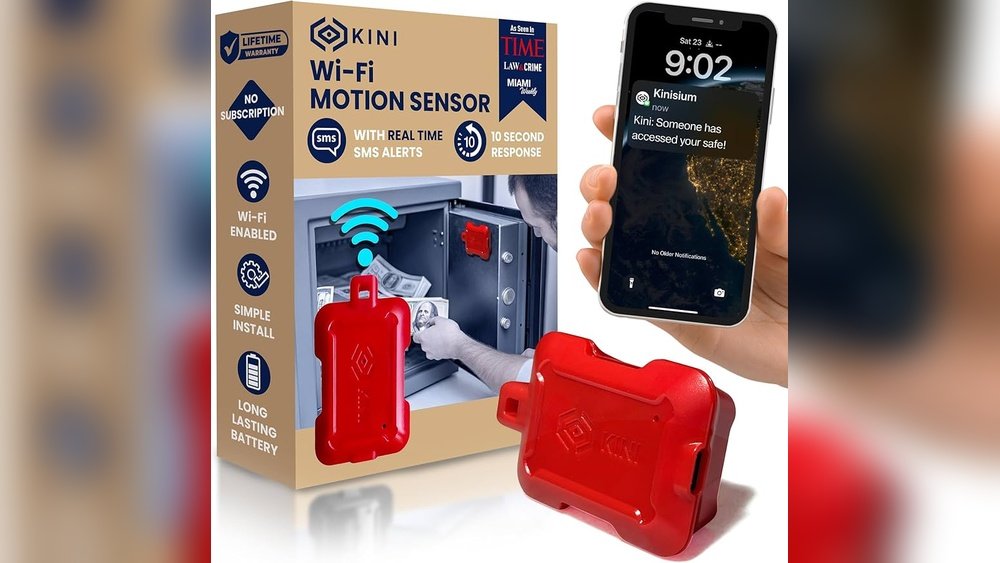
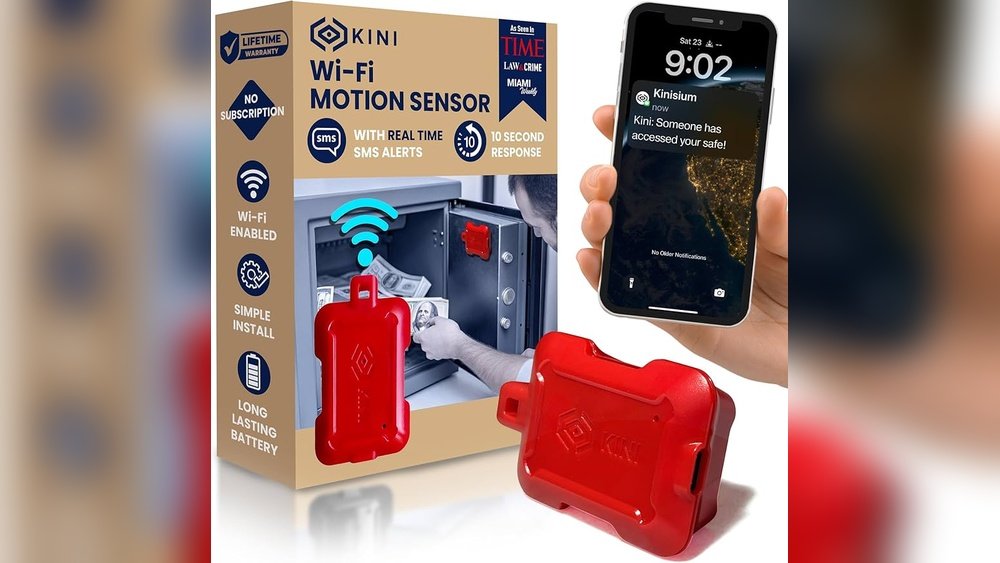
Integration possibilities of vibration sensors with smart home systems are broad. These sensors detect movement or shakes and send alerts or trigger actions. Connecting them to smart home setups adds safety and automation.
Understanding how they fit into existing systems helps users make smart choices. Some sensors work better with certain devices and apps. Others need specific setups for smooth operation.
Compatibility Factors
Check if the vibration sensor supports your smart home hub. Popular hubs include Amazon Alexa, Google Home, and Apple HomeKit. Sensors must work with these platforms to send alerts or trigger devices.
Also, see if the sensor needs extra software or apps. Some sensors use dedicated apps that can link with smart home systems. Ensure your smartphone or tablet can run these apps easily.
Communication Protocols
Vibration sensors use different protocols to talk with smart home devices. Common ones are Wi-Fi, Zigbee, and Z-Wave. Each has its range, speed, and power use.
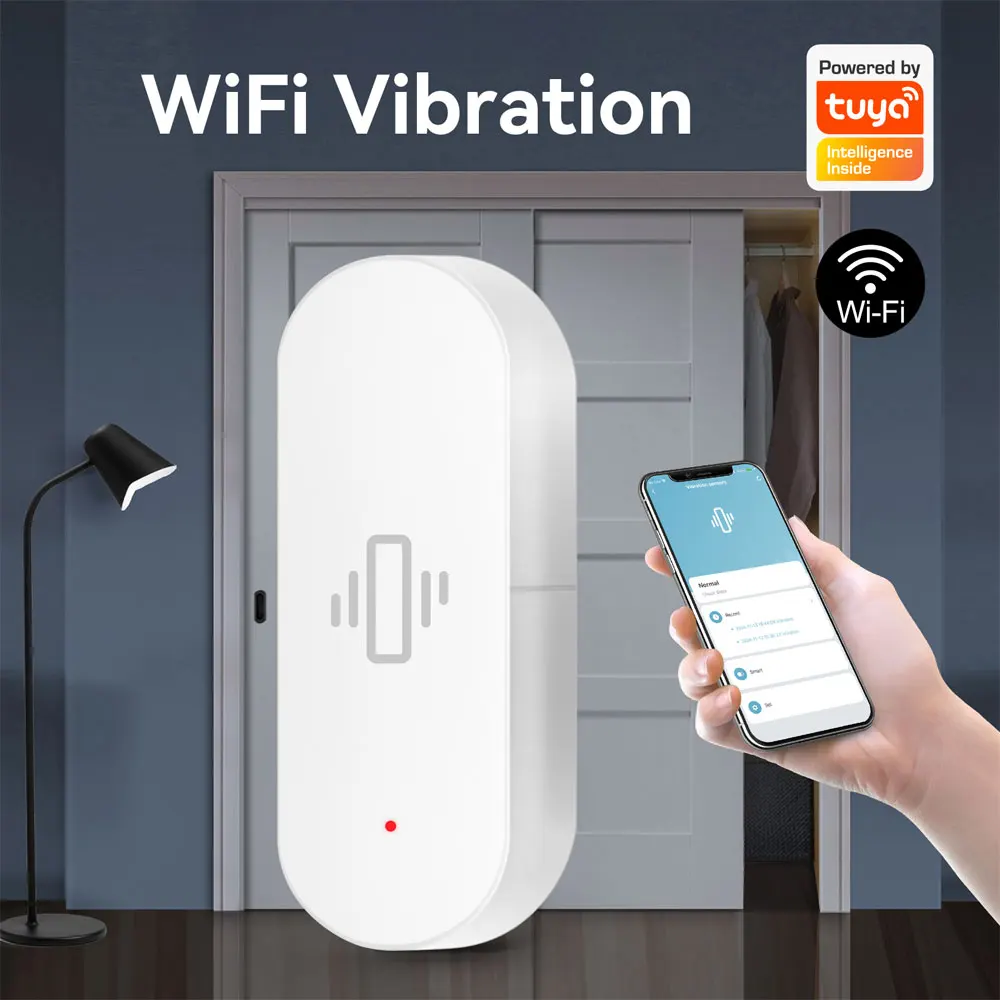
Wi-Fi sensors connect directly to your home network. Zigbee and Z-Wave need a compatible hub for communication. Choose a protocol that fits your home network and devices.
Installation Considerations
Place sensors where they can detect vibrations clearly, like doors or windows. Avoid spots with heavy interference or vibrations from other sources.
Some sensors need batteries; others plug into power outlets. Battery life affects how often you replace or recharge them. Follow manufacturer instructions to ensure proper setup.
Benefits Of Using Vibration Sensors
Vibration sensors offer many benefits for smart home systems. They detect movements or shakes quickly. This helps protect your home and keeps devices running smoothly. These sensors add value by improving safety and saving energy.
Enhanced Security
Vibration sensors detect unusual activity instantly. They alert homeowners to possible break-ins or tampering. This quick response helps prevent damage or theft. Sensors work well on doors, windows, and other entry points. They provide an extra layer of protection for your home.
Preventive Maintenance
These sensors monitor vibrations in appliances and machines. Early signs of wear or failure become easy to spot. Homeowners can fix problems before they grow serious. This reduces costly repairs and downtime. Vibration sensors help keep equipment running longer and safer.
Energy Efficiency
Vibration sensors identify unnecessary operations in smart devices. They detect when machines vibrate without purpose. This allows smart systems to turn off idle equipment. Reducing wasted energy lowers electricity bills. Sensors support a more eco-friendly and cost-effective home.
Challenges And Limitations
Vibration sensors can add value to smart home systems by detecting unusual movements. Yet, they come with challenges and limits that affect their performance and usability. Understanding these factors helps in deciding if they fit your smart home setup.
Technical Barriers
Vibration sensors need precise calibration to work well with smart systems. Many sensors struggle with compatibility due to different communication protocols. Integration with popular smart home platforms can be complex. Firmware updates and maintenance require technical skills. Limited sensor range may reduce effectiveness in large homes.
False Alarms Issues
Vibration sensors may trigger false alarms from harmless sources. Everyday activities like walking or closing doors cause vibrations. Pets and appliances can also set off alerts unintentionally. Frequent false alarms reduce trust in the system. Adjusting sensitivity levels is often necessary but tricky.
Cost Implications
High-quality vibration sensors can be expensive to buy and install. Adding these sensors increases the overall smart home system cost. Some models require professional installation, adding to expenses. Maintenance and replacement costs can add up over time. Budget constraints might limit sensor options.

Popular Compatible Vibration Sensors
Popular compatible vibration sensors work well with many smart home systems. They help detect movement, shakes, or vibrations. These sensors improve home security and automation. Choosing the right sensor matters for better performance and integration.
Many brands offer models designed for easy connection. Compatibility with smart hubs and apps is common. Users get alerts or trigger actions when vibrations occur. This makes homes safer and smarter.
Top Brands And Models
Several top brands lead in vibration sensor technology. Samsung SmartThings has reliable sensors with broad compatibility. Aeotec offers models known for accuracy and battery life. Fibaro’s sensors stand out for sleek design and smart features. Xiaomi also provides budget-friendly options with good performance.
Each model fits different needs. Some work best for doors, windows, or walls. Others monitor appliances or machinery. Checking the sensor’s specs helps pick the best match.
User Reviews And Ratings
User feedback reveals real-world sensor performance. Many praise sensors for quick alerts and easy setup. Some note occasional false alarms in high-traffic areas. Battery life scores vary but often exceed expectations.
Ratings help compare models by reliability and value. Sensors with high user scores usually offer smooth smart home integration. Reading reviews guides better choices for home safety and automation.
Future Trends
Vibration sensors are becoming more common in smart homes. The future holds many changes for these devices. They will become smarter, smaller, and more useful. Let’s explore what lies ahead.
Advancements In Sensor Technology
Sensors will get better at detecting small vibrations. New materials will make them more sensitive and reliable. They will use less power to save energy. These sensors will also connect faster to home systems. This means quicker responses to any unusual activity. Sensors may also combine with other types of detectors. This helps create a full safety system in homes.
Smart Home Evolution
Smart homes will grow smarter and more connected. Vibration sensors will work with more devices. They will send alerts directly to your phone. Homes may automatically adjust lights or alarms based on sensor data. Integration with voice assistants will become common. This makes it easier to control and monitor homes. The future will bring homes that protect and respond like never before.
Frequently Asked Questions
Are Vibration Sensors Easy To Integrate With Smart Homes?
Yes, vibration sensors are designed for easy integration with most smart home systems. They connect via Wi-Fi or Zigbee, enabling seamless communication and automation within your smart setup.
What Smart Home Platforms Support Vibration Sensors?
Major platforms like Amazon Alexa, Google Home, and Apple HomeKit support vibration sensors. These platforms allow you to receive alerts and trigger actions based on sensor data.
Can Vibration Sensors Improve Home Security?
Absolutely, vibration sensors detect unusual movements, alerting you to potential break-ins. They provide an extra security layer by monitoring windows, doors, or valuable objects.
Do Vibration Sensors Require Special Installation?
Most vibration sensors are simple to install with adhesive mounts or screws. They do not need complex wiring, making setup quick and user-friendly.
Conclusion
Vibration sensors work well with many smart home systems. They help detect movement and unusual activity quickly. These sensors add extra safety and convenience to your home. Many models connect easily through Wi-Fi or Bluetooth. You can control them using apps or voice commands.
Choosing the right sensor depends on your system and needs. Smart homes become smarter with these simple devices. A small step that makes a big difference in security.