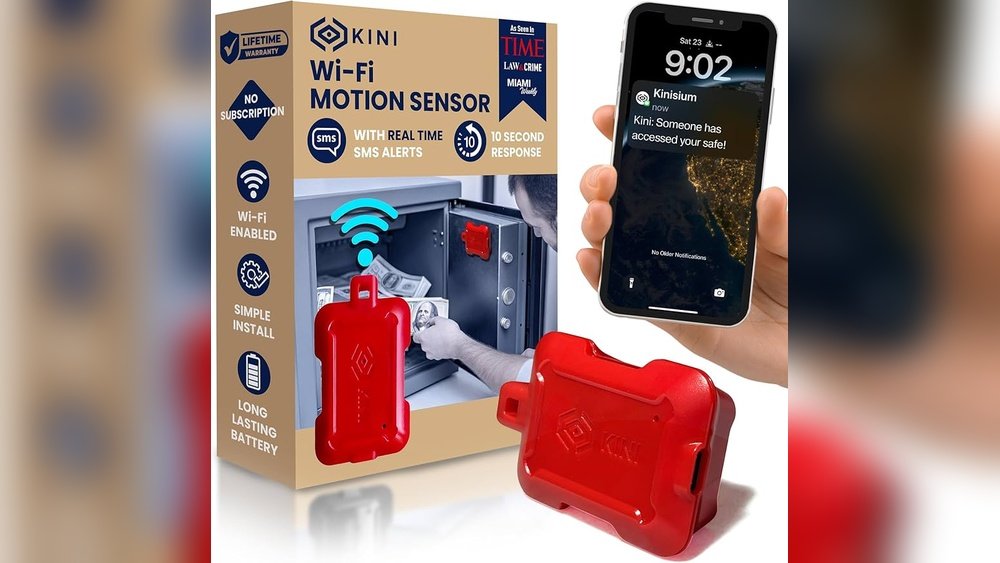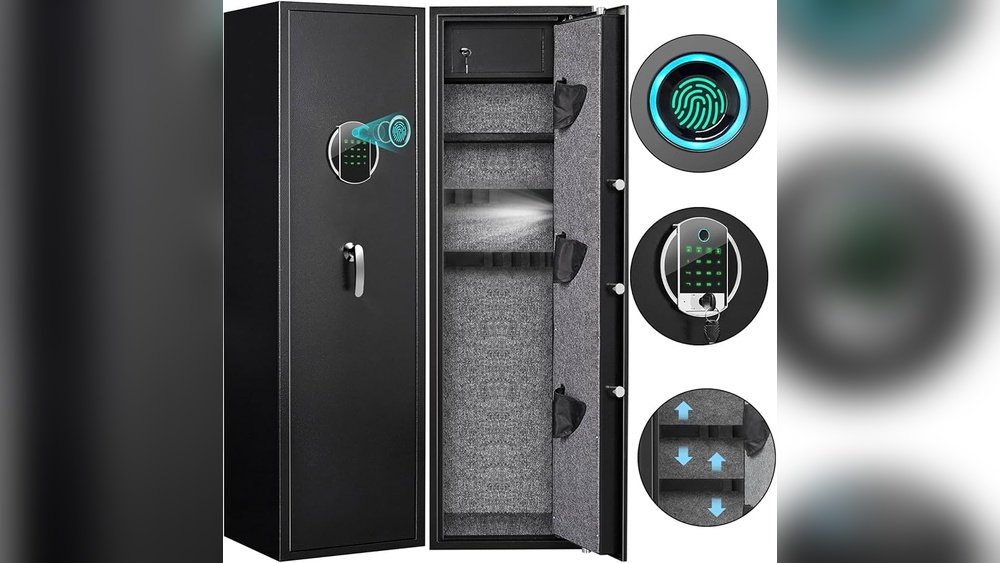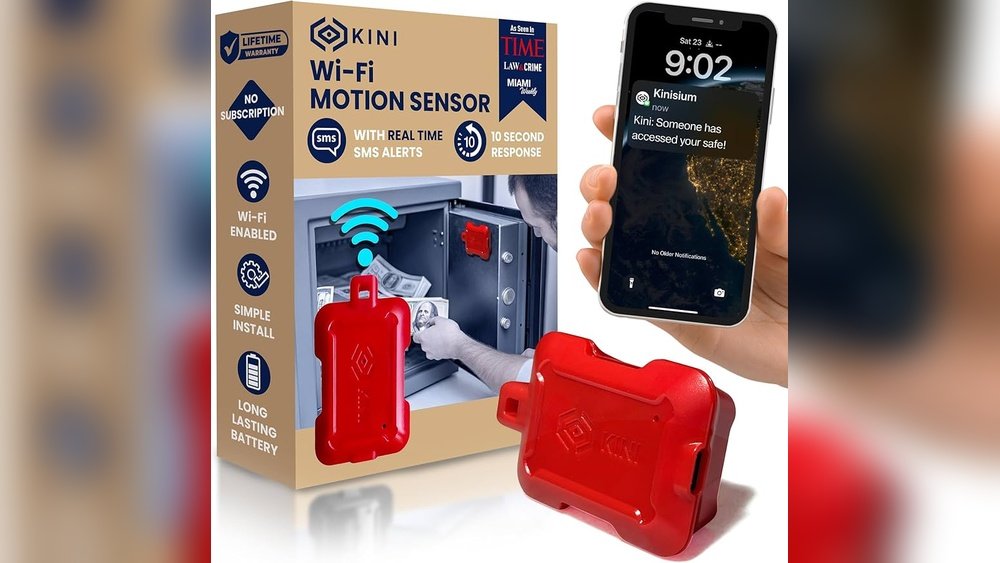
Have you ever worried about the safety of your rifle safe? What if someone tries to break in by drilling through it?
You might wonder if there’s a way to catch them before it’s too late. That’s where vibration sensors come in. But can these sensors really detect drilling on your rifle safe? Keep reading to find out how this technology works and whether it can give you the extra protection you need.
Your peace of mind might depend on it.

How Vibration Sensors Work
Vibration sensors detect unusual movements and vibrations on surfaces. These sensors alert users to activities like drilling on rifle safes. Understanding how they work helps explain their role in security systems. They sense mechanical vibrations and convert them into electrical signals. The signals trigger alarms or notifications to warn of tampering attempts.
Basic Principles
Vibration sensors measure movement or shaking. They detect changes in acceleration or force. The sensor contains a small mass inside that moves with vibrations. This movement creates an electrical signal. The signal strength depends on the vibration intensity. Stronger vibrations produce stronger signals. The sensor sends this signal to a control unit for analysis.
Types Of Vibration Sensors
Common types include piezoelectric, capacitive, and MEMS sensors. Piezoelectric sensors generate voltage from pressure or vibrations. Capacitive sensors detect changes in electrical capacitance due to movement. MEMS sensors use tiny mechanical parts to sense vibrations. Each type suits different environments and sensitivity needs. For rifle safes, piezoelectric sensors are popular for their accuracy.
Sensitivity And Range
Sensitivity defines how small a vibration the sensor can detect. A high sensitivity sensor notices light tapping or drilling attempts. Range refers to the area the sensor covers. Sensors with wider range detect vibrations over larger surfaces. Proper sensitivity and range settings reduce false alarms. They ensure reliable detection of drilling or tampering on safes.
Drilling Techniques On Rifle Safes
Drilling is a common method thieves use to break into rifle safes. They try to create holes in the safe walls or lock area. The goal is to reach the locking mechanism or the guns inside. Understanding drilling techniques helps in choosing the right security tools.
Different tools and methods make drilling faster or quieter. Some attempts leave clear signs, while others are harder to spot. Learning these details can improve safe protection and alertness.
Common Drilling Methods
Thieves use several drilling methods on rifle safes. Spot drilling targets the lock area to weaken it. Continuous drilling involves making several holes to break the lock. Rarely, they drill through the safe walls directly to access the contents.
Tools Used By Intruders
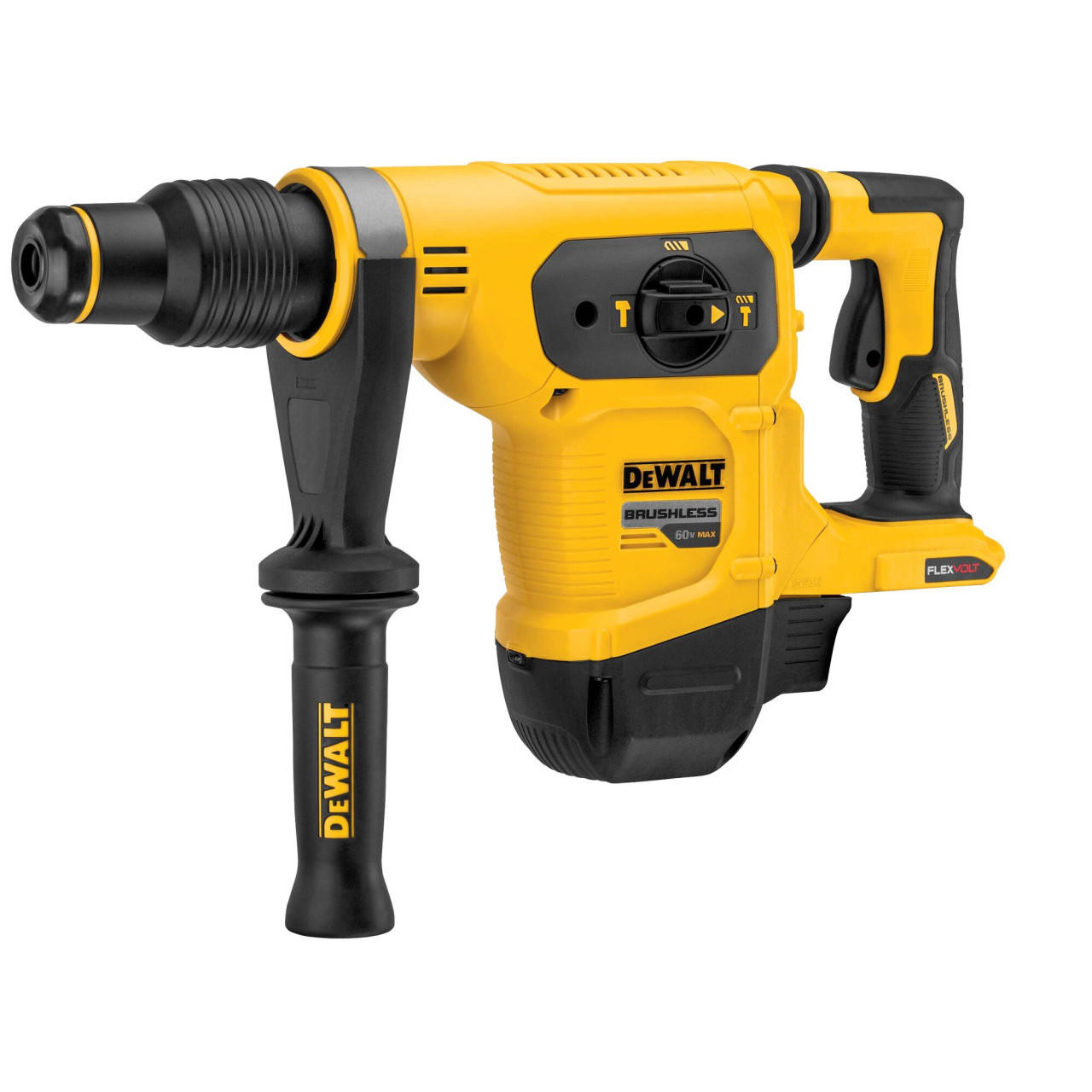
Power drills are the main tools for safe drilling. Intruders may use hand drills for quieter attacks. Specialized drill bits, like carbide or diamond-tipped, help cut through metal. Some even use rotary tools to speed up drilling.
Signs Of Drilling Attempts
Drilling often leaves small round holes or scratches on the safe. Metal dust or shavings near the safe can be a clue. Strange marks around the lock or hinges also indicate tampering. Sometimes, the safe’s lock feels loose or damaged after drilling.
Detecting Drilling With Vibration Sensors
Detecting drilling on rifle safes is crucial for security. Vibration sensors help by sensing the shaking or tapping during drilling. These sensors pick up vibrations that usual safe movements do not create. This technology adds an alert layer against break-ins.
Understanding how vibration sensors work helps improve safe protection. Proper sensor placement, recognizing drilling signals, and avoiding false alarms are key points.
Sensor Placement On Safes
Placing sensors on safe walls near possible drilling spots is best. Corners and edges often face drilling attempts. Sensors on hard metal surfaces capture vibrations clearly. Avoid placing sensors on soft or padded areas, which reduce signal quality. Multiple sensors increase coverage and detection accuracy.
Signal Patterns From Drilling
Drilling creates steady, rhythmic vibration pulses. These pulses differ from random impacts or movements. Sensors detect repeated patterns of intensity and frequency. Analyzing these patterns helps identify real drilling. The system can send alerts based on these unique vibration signals.
False Alarms And Noise Filtering
Common vibrations like footsteps or nearby traffic can trigger false alarms. Sensors use filters to separate drilling signals from noise. Algorithms compare vibration patterns to known drilling signals. Only consistent patterns trigger alerts, reducing false alarms. Proper tuning of sensors improves reliability and trust.
Integrating Sensors Into Safe Security Systems
Integrating vibration sensors into safe security systems improves protection against drilling attacks. These sensors detect unusual vibrations caused by drilling tools. Connecting them to alarm systems enhances the safe’s defense. Proper integration ensures immediate response to threats.
Alarm Triggering Mechanisms
Vibration sensors activate alarms when they sense drilling motions. They send signals to the safe’s control panel. The system then triggers loud alarms or alerts owners. This quick reaction helps stop theft attempts early.
Connectivity And Monitoring
Sensors connect to security networks through wired or wireless methods. Wireless connections offer flexibility and easier installation. Monitoring can be done remotely via smartphones or computers. This keeps owners informed about any suspicious activity at all times.
Power And Backup Options
Vibration sensors need reliable power to function continuously. Many use batteries with long life spans. Backup power systems keep sensors active during power failures. This ensures the safe stays protected without interruption.
Advantages Of Using Vibration Sensors
Vibration sensors offer clear advantages for detecting drilling on rifle safes. These devices sense unusual movements or shocks, alerting users to threats early. They add an important layer of protection without complex installation or upkeep.
Early Detection Benefits
Vibration sensors catch drilling attempts quickly. They pick up small vibrations caused by tools. This early alert helps stop break-ins before damage occurs. Faster responses mean better chances of protecting your valuables.
Cost-effectiveness
These sensors are affordable and easy to install. They do not require expensive wiring or extra equipment. Low maintenance keeps ongoing costs down. This makes vibration sensors a smart choice for many safe owners.
Enhancing Overall Security
Vibration sensors work well with other security devices. They add an extra warning if someone tries to drill the safe. This strengthens your overall protection plan. Combining sensors creates a safer environment for your firearms.

Limitations And Challenges
Vibration sensors can detect drilling on rifle safes, but they face some limits and challenges. These issues affect how well the sensors work and how reliable the alerts are. Understanding these problems helps in choosing the right system and using it correctly.
Sensor Sensitivity Issues
Sensors must be sensitive enough to catch drilling vibrations. Too sensitive, they give false alarms. Not sensitive enough, they miss real threats. Finding the right balance is hard. Different safes and drills create different vibration patterns. Sensors may not detect all types of drilling equally well.
Environmental Interference
Vibrations from nearby machines or heavy footsteps can confuse sensors. Noise and movement in the area can trigger false alarms. This interference makes it tough to trust every alert. Sensors need to tell apart real drilling from normal vibrations. This is a big challenge in busy or noisy places.
Maintenance And Durability
Sensors need regular checks to work properly. Dust, moisture, or damage can reduce their performance. Old or worn sensors may fail to detect drilling. Good maintenance ensures sensors stay reliable over time. Without care, the system may give wrong alerts or stop working.
Best Practices For Installation
Installing vibration sensors correctly is key to detecting drilling on rifle safes. Proper installation ensures accurate alerts and reduces false alarms. Follow best practices to get the best results from your sensor system.
Choosing The Right Sensor
Select sensors designed for detecting strong vibrations from drilling. Look for models with high sensitivity and quick response time. Avoid generic sensors that may miss subtle drilling signals. Check sensor compatibility with your safe’s material and size. A good sensor matches the safe’s surface for better detection.
Optimal Mounting Techniques
Place sensors on solid, flat areas of the safe’s exterior. Avoid mounting on soft or uneven spots that weaken vibration signals. Use strong adhesives or screws to secure sensors firmly. Ensure no gaps exist between the sensor and safe surface. Position sensors near vulnerable points, like hinges or locks. This placement boosts the chance to detect drilling early.
Regular Testing And Calibration
Test sensors often to confirm they detect vibrations correctly. Use gentle taps or simulated drilling sounds for tests. Calibrate sensitivity settings to balance detection and false alarms. Update calibration if sensor performance changes over time. Routine checks keep your system reliable and ready to alert at any sign of drilling.
Future Trends In Safe Security
The future of safe security is shifting towards smarter and faster detection methods. Technology is evolving to protect valuables more effectively. New systems aim to spot threats like drilling attempts earlier and more accurately. These advances help keep rifle safes safer than ever.
Smart Sensors And Ai Integration
Smart sensors now combine with artificial intelligence to improve detection. These sensors learn to recognize normal and suspicious vibrations. AI helps reduce false alarms by understanding patterns over time. This allows safes to respond quickly to real threats. The technology adapts to different environments and usage.
Advanced Detection Algorithms
New algorithms analyze sensor data more deeply than before. They identify subtle signs of drilling and tampering. These algorithms filter out background noise and harmless vibrations. This improves accuracy and reduces false alerts. The safe can alert users only when real danger exists.
Remote Monitoring Innovations
Remote monitoring allows owners to watch their safes from anywhere. Sensors send real-time alerts to smartphones or computers. This makes it easy to act fast if a break-in is attempted. Some systems offer live video and sensor data together. Remote access provides extra security and peace of mind.
Frequently Asked Questions
Can Vibration Sensors Detect Drilling Attempts On Rifle Safes?
Yes, vibration sensors can detect drilling by sensing unusual vibrations. They trigger alarms quickly, alerting owners to potential break-ins. This helps protect firearms and valuables from theft effectively.
How Sensitive Are Vibration Sensors On Rifle Safes?
Vibration sensors are highly sensitive to varying vibration levels. They can differentiate between normal movements and drilling attempts, reducing false alarms. Sensitivity settings can often be adjusted for optimal protection.
Do Vibration Sensors Prevent Safe Drilling Completely?
While vibration sensors alert owners during drilling, they do not physically prevent it. They act as an early warning system, allowing quick response to stop theft. Combining sensors with strong safe materials enhances security.
Are Vibration Sensors Reliable For Firearm Safe Security?
Yes, vibration sensors provide reliable detection of tampering or drilling activities. Their quick response improves security by alerting users instantly. They are an important addition to firearm safe protection systems.
Conclusion
Vibration sensors can help detect drilling attempts on rifle safes. They sense unusual movements or shocks that drilling causes. These sensors act fast to alert owners about possible break-ins. While not perfect alone, they add a strong layer of protection.
Combining them with alarms or cameras improves security greatly. Protecting valuable firearms requires smart and simple tools. Vibration sensors offer a practical way to keep safes safer. This makes them useful for anyone wanting extra peace of mind.