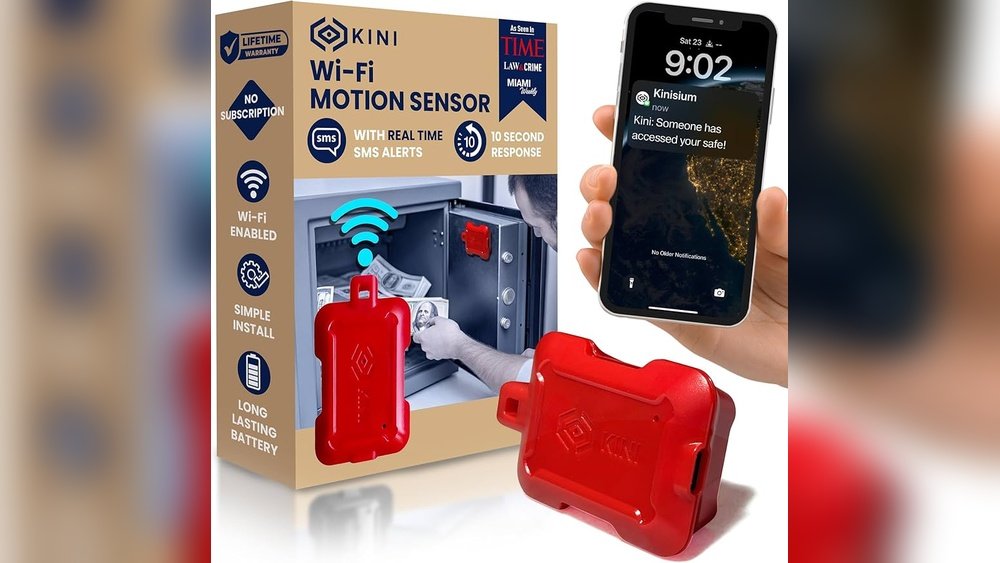
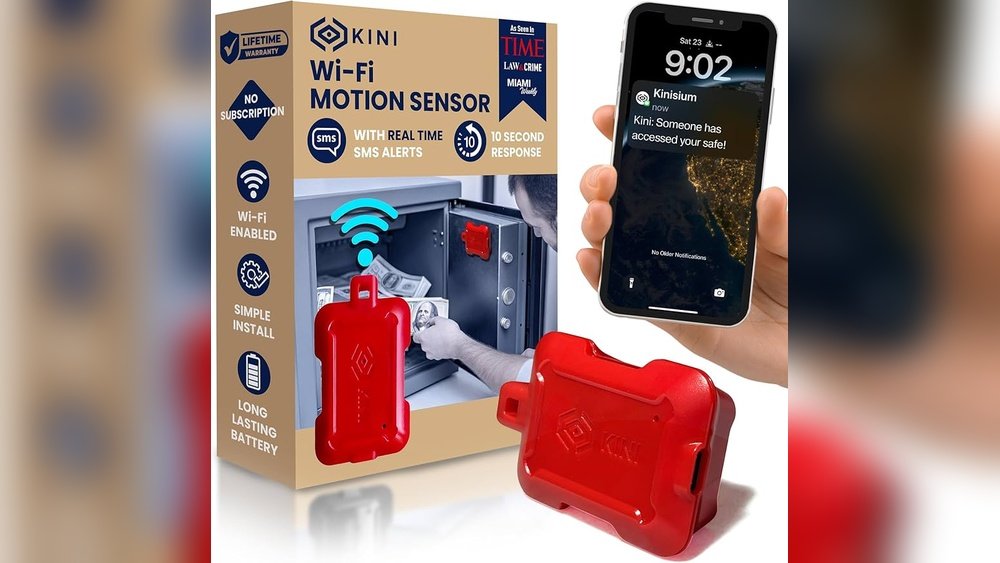
Are you relying on a vibration sensor to protect your gun safe? Knowing how long that sensor will last is key to keeping your firearms secure.
You don’t want to be caught off guard by a sensor that stops working when you need it most. You’ll discover exactly what affects the lifespan of a vibration sensor, how to spot signs of wear, and simple steps you can take to make sure your sensor stays reliable.
Keep reading to protect what matters most and avoid costly surprises down the line.
Vibration Sensors In Gun Safes
Vibration sensors in gun safes detect any movement or shaking. They add an extra layer of protection by alerting owners to possible tampering. These sensors help prevent theft and unauthorized access. Understanding their role and types can help you choose the right safe.
Role In Security
Vibration sensors act as early warning systems. They sense when the safe is hit or moved. This triggers alarms or notifications to the owner. The sensors stop thieves before they open the safe. They also protect firearms from damage during handling or transport.
Types Of Vibration Sensors
Several types of vibration sensors exist for gun safes. Piezoelectric sensors generate an electric signal when shaken. Accelerometer sensors measure the speed and direction of movement. Some safes use magnetic sensors to detect door impacts. Each type offers different sensitivity and accuracy levels.
Factors Affecting Sensor Lifespan
The lifespan of a vibration sensor for gun safes depends on several key factors. These factors influence how long the sensor works accurately and reliably. Understanding them helps you maintain your sensor better and avoid early failure. Below are the main elements that affect sensor lifespan.
Build Quality And Materials
High-quality sensors use strong materials and precise parts. These sensors resist wear and tear longer. Cheap sensors may break or lose accuracy fast. Durable materials like metal casings protect internal parts well. Good soldering and solid connections reduce failure risk. Sensors built with care usually last several years.
Environmental Conditions
Humidity, temperature, and dust affect sensor health. Moisture can cause corrosion inside the sensor. Extreme heat or cold may damage electronic parts. Dust or dirt buildup blocks sensor movement. Sensors in clean, dry places last longer. Outdoor or harsh environments shorten lifespan quickly.
Frequency Of Use
Sensors that trigger often face more stress. Each activation wears down internal components. Frequent vibrations may loosen connections or damage parts. Sensors used rarely stay functional longer. Normal use balances sensor life and reliability. Heavy or constant use demands more frequent replacements.
Typical Lifespan Expectations
Vibration sensors for gun safes play a key role in security. Knowing how long these sensors last helps you plan maintenance or replacement. The typical lifespan depends on several factors like usage, environment, and build quality. Expect the sensor to work well for years if cared for properly.
Average Durability Range
Most vibration sensors last between 3 and 7 years. Quality sensors from trusted brands often reach the upper end. Sensors used in harsh conditions may wear out sooner. Regular checks and proper installation can extend sensor life. Batteries, if included, might need replacement more often than the sensor itself.
Signs Of Wear And Failure
Watch for sensor alerts that fail to trigger. False alarms or no alarms indicate sensor issues. Physical damage like cracks or corrosion reduces sensor function. Reduced sensitivity or delayed responses also signal problems. Replace the sensor promptly to maintain gun safe security.

Maintaining Sensor Performance
Maintaining the performance of a vibration sensor in a gun safe is key to its long life. A well-maintained sensor works better and lasts longer. Small actions can keep the sensor sensitive to any unusual movement or tampering. Proper care ensures your safe stays secure and reliable over time.
Regular Testing
Check the sensor often to make sure it works right. Testing helps find any problems early. Gently tap or shake the safe to see if the sensor reacts. If there is no response, the sensor may need repair or replacement. Set a schedule for testing, like once a month. This keeps the sensor in good shape and ready to protect your valuables.
Cleaning And Care Tips
Keep the sensor clean from dust and dirt. Use a soft, dry cloth to wipe the sensor surface carefully. Avoid using water or harsh chemicals that can damage the sensor. Make sure the area around the sensor stays clear. Dirt build-up can block the sensor and reduce its sensitivity. Store your gun safe in a dry place to prevent moisture harm. Taking these small steps helps the sensor stay accurate and reliable.
Upgrading And Replacing Sensors
Upgrading and replacing vibration sensors in gun safes is key to keeping your safe secure. Over time, sensors wear out or stop working well. Knowing when and how to replace them helps maintain protection.
Regular checks on your sensor’s function can prevent problems. Upgrading to a newer model can improve sensitivity and reliability. This section covers when to replace your sensor and how to choose the right new one.
When To Replace
Replace your vibration sensor if it stops detecting movement. A sensor that triggers false alarms often needs replacement. If the sensor shows physical damage, do not wait to change it. Battery-powered sensors require new batteries or replacement after a few years. Check the sensor’s manual for lifespan details. Sensors older than five years usually need replacement. Regular testing helps spot sensor problems early.
Choosing A New Sensor
Pick a sensor compatible with your gun safe model. Look for sensors with good sensitivity and low false alarm rates. Choose sensors with easy installation and clear instructions. Consider sensors with longer battery life or power options. Read reviews to find reliable and durable sensors. Sensors with adjustable sensitivity offer better control. Choose sensors from trusted brands for better support and quality.

Impact Of Technology Advances
Technology advances have changed vibration sensors for gun safes. These changes affect how long sensors last and how well they work. Sensors now use better materials and smarter designs. This helps them stay reliable for years. New tech also means sensors can detect smaller vibrations. This makes gun safes safer and more secure.
Improved Sensor Designs
Sensor designs now focus on durability and accuracy. New sensors use stronger parts that resist wear and tear. They can work longer without failing. Some sensors have better filters to ignore false alarms. This reduces battery use and extends sensor life. Small, energy-saving chips help sensors last for many years.
Future Trends In Gun Safe Security
Future sensors will combine vibration detection with other smart features. Sensors may connect to phones for real-time alerts. Artificial intelligence could help sensors learn normal patterns. This will reduce false alarms even more. Wireless technology will make installation easier and safer. These trends will make gun safes smarter and more reliable over time.

Frequently Asked Questions
How Long Does A Vibration Sensor For Gun Safes Last?
A vibration sensor for gun safes typically lasts 3 to 5 years. Its lifespan depends on usage, environment, and battery quality. Regular maintenance and timely battery replacement can extend its effective life significantly.
What Affects The Lifespan Of Vibration Sensors?
Factors like humidity, temperature, and frequent vibrations impact sensor longevity. Poor battery quality and improper installation can also reduce lifespan. Proper care and environment control help maintain sensor performance for years.
Can Vibration Sensors Be Repaired Or Replaced Easily?
Most vibration sensors are designed for easy replacement rather than repair. If malfunctioning, replacing the sensor or its battery is the best option. This ensures reliable security without compromising your gun safe’s protection.
How To Know When A Vibration Sensor Needs Replacement?
Signs include false alarms, delayed response, or no detection of vibrations. Also, sensor batteries running low may cause performance issues. Regular testing and monitoring help determine when replacement is necessary.
Conclusion
A vibration sensor for gun safes usually lasts several years. Its lifespan depends on battery quality and usage frequency. Regular checks help spot issues early. Replacing the battery on time keeps the sensor working well. Choosing a trusted brand can improve durability.
A well-maintained sensor ensures your gun safe stays secure. Remember, simple care extends its life and keeps your valuables safe.