When it comes to protecting your valuable rifles, you probably worry about more than just theft. What happens if water seeps in during a flood or heavy rain?
You might be asking yourself, “Are rifle safes waterproof? ” This question is crucial because even a small amount of moisture can damage your firearms and accessories. You’ll discover what makes a rifle safe waterproof, how to spot the best options, and what you can do to keep your guns safe and dry no matter the situation.
Keep reading to ensure your investment stays protected under any condition.
Water Resistance In Rifle Safes
Water resistance in rifle safes protects valuable firearms from damage caused by moisture. It helps prevent rust, corrosion, and mold inside the safe. Many people wonder if rifle safes are waterproof or just water-resistant. Understanding how safes resist water helps make a better choice.
Not all safes offer the same level of protection. Some are built with special features to keep water out, while others only provide basic resistance. Let’s explore the materials, sealing methods, and ratings that affect water resistance in rifle safes.
Materials Affecting Water Resistance
Steel is the most common material for rifle safes. Thick steel walls block water from entering. Some safes add powder coatings to protect against moisture. Plastic and rubber parts inside help absorb small amounts of water. High-quality safes use rust-resistant metals for internal parts.
Wood or particleboard shelves inside safes can absorb moisture easily. Metal shelves reduce this risk. Soft materials inside the safe may trap moisture if not designed well. Materials that do not absorb water improve overall resistance.
Sealing Mechanisms
Good rifle safes include tight door seals to block water. Rubber gaskets around the door frame create a strong barrier. Compression seals press firmly when the door closes. Some safes have multiple seals for extra protection.
Magnetic seals are less common but still effective. The door lock system also helps keep the seal tight. Proper alignment of the door ensures no gaps let water in. A safe with poor sealing is vulnerable to water damage.
Common Waterproof Ratings
Waterproof ratings show how well a safe resists water. UL (Underwriters Laboratories) tests include water resistance checks. A common rating is IP (Ingress Protection) codes. For example, IP65 means protection against water jets.
Some safes offer limited waterproof claims, such as splash resistance only. Others can withstand submersion for a short time. Check the manufacturer’s specifications for exact water resistance levels. Ratings help compare different safes easily.
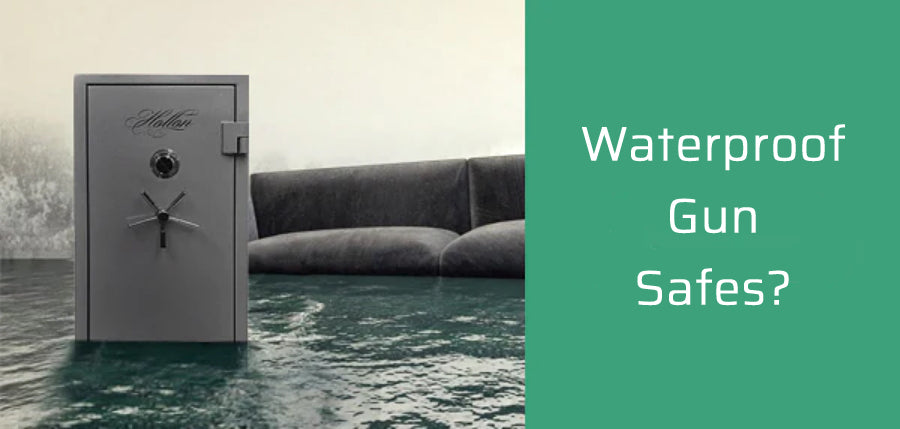
Risks Of Water Damage To Rifles
Water damage poses serious risks to rifles. Moisture can enter safes during floods, leaks, or high humidity. Even small amounts of water cause harm over time. Protecting rifles from water is crucial for their function and value.
Impact On Metal Components
Water leads to rust on metal parts. Rust weakens barrels, triggers, and bolts. Corrosion can cause guns to jam or fail. Metal parts need to stay dry to work properly. Rust also lowers the rifle’s resale value.
Damage To Wood And Finishes
Wood parts absorb moisture and swell. This causes warping and cracking over time. Finishes peel or bubble from water exposure. Damaged wood affects the rifle’s look and feel. It also reduces the gun’s lifespan.
Effects On Ammunition
Water ruins gunpowder inside bullets. Wet ammo may not fire or can misfire. Moisture causes corrosion on cartridge cases. Storing ammo in damp places is risky. Safe ammo storage is vital for safety and reliability.
Choosing The Right Safe For Water Protection
Choosing the right safe for water protection is important. Water damage can ruin your rifles and valuable items. A good safe keeps your guns dry during floods or leaks. Not all rifle safes are waterproof. Some offer better protection than others. Knowing what to look for helps you pick the best safe for your needs.
Features To Look For
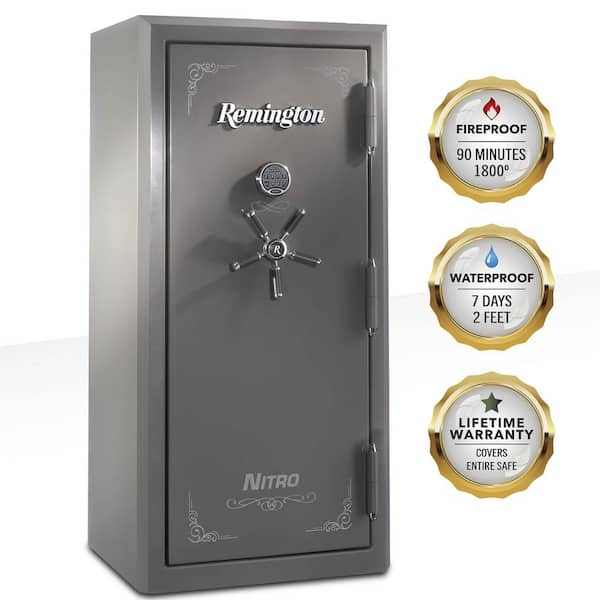
Look for safes with a strong water seal. This prevents water from entering the safe. Check if the safe has a waterproof rating. Some safes can resist water for hours. A raised door seal is a good sign. It stops water from seeping in. Also, consider safes made from rust-resistant materials. These last longer in wet conditions.
Comparing Brands And Models
Compare different brands to find the best waterproof safes. Some brands specialize in water-resistant safes. Read reviews from other gun owners. See how safes perform in real water tests. Check the warranty offered for water damage. Choose models with proven water protection features. This helps ensure your rifles stay safe.
Budget Considerations
Waterproof safes come in many price ranges. Higher-priced safes often have better protection. Set a budget before shopping for a safe. Balance cost with the level of water protection needed. Sometimes mid-range safes offer good features at lower prices. Don’t skip water protection to save money. A damaged rifle costs more to replace.
Additional Protection Tips
Rifle safes offer a strong barrier against theft and damage. But water and moisture can still harm your firearms inside the safe. Taking extra steps helps protect your rifles better. These tips lower the risk of rust and mold.
Using Desiccants And Dehumidifiers
Desiccants absorb moisture inside the safe. Silica gel packs are common and easy to use. Place several packs on different shelves. Replace them regularly to keep them effective.
Dehumidifiers remove moisture from the air. Small electric models fit inside many safes. They run quietly and prevent damp buildup. This keeps your rifles dry and safe.
Proper Storage Practices
Store rifles with clean, dry surfaces only. Wipe guns down after use to remove sweat and dirt. Avoid placing wet items inside the safe. Use gun socks or cases to add a layer of protection.
Keep ammo separate and dry. Store gun oil and cleaning supplies nearby but not inside the safe. This reduces clutter and moisture risks.
Regular Maintenance And Inspection
Check your safe and firearms often. Look for signs of rust, mold, or moisture. Clean and oil rifles as needed to prevent corrosion.
Inspect door seals and locks for damage. Fix any issues quickly to maintain the safe’s water resistance. Regular care extends the life of your rifles and safe.
Emergency Measures For Water Exposure
Water exposure can cause serious damage to rifle safes and their contents. Taking quick and proper action helps reduce harm. Knowing the right emergency steps can protect your firearms and safe from water damage.
Immediate Steps After Flooding
Open the safe carefully to avoid trapping moisture inside. Remove all firearms and valuables as soon as possible. Place items in a dry, safe area away from water. Avoid turning on electrical parts of the safe until it dries. Check the safe’s seals and locks for damage.
Drying And Cleaning Techniques
Use towels to soak up visible water inside the safe. Leave the door open to air dry completely. Place a dehumidifier or moisture absorber inside the safe. Clean metal parts with a soft cloth and rust remover if needed. Avoid harsh chemicals that can harm gun finishes. Allow enough time for everything to dry fully before closing the safe.
Preventing Future Damage
Install your rifle safe in a raised area to avoid floodwater. Use waterproof covers or additional seals on the safe. Regularly check for leaks or weak points around the safe. Keep moisture absorbers inside the safe year-round. Consider a safe designed with water resistance if flooding is common. Regular maintenance helps keep your safe and guns protected.
Frequently Asked Questions
Are Rifle Safes Designed To Be Waterproof?
Most rifle safes are not fully waterproof but offer water resistance. They protect against minor moisture and spills but may not withstand flooding or heavy water exposure. For full waterproof protection, look for safes with specific waterproof ratings or additional sealing features.
How Can I Make My Rifle Safe More Waterproof?
To improve waterproofing, apply weatherproof seals around door edges and use desiccants inside. Store the safe off damp floors and away from water sources. Regular maintenance ensures seals stay intact, enhancing moisture resistance and protecting rifles from rust and damage.
Do Waterproof Rifle Safes Prevent Rust Completely?
Waterproof safes reduce moisture, lowering rust risk but don’t eliminate it entirely. Proper gun maintenance, including oiling and cleaning, is essential. Use dehumidifiers or silica gel packs inside the safe to control humidity and protect rifles from corrosion.
What Materials Enhance A Rifle Safe’s Waterproof Ability?
Safes with stainless steel or powder-coated steel resist rust and water damage better. Rubber or silicone door gaskets improve sealing against moisture. High-quality construction and tight door fittings are crucial for enhanced water resistance in rifle safes.
Conclusion
Rifle safes offer strong protection against theft and damage. Not all rifle safes are fully waterproof. Some models resist water better than others. Look for safes with good seals and materials. Keeping rifles dry helps prevent rust and damage. Consider your storage location and weather risks.
A waterproof safe adds peace of mind. Choose a safe that fits your needs and budget. Protect your rifles well to keep them safe for years. Safety and care go hand in hand.