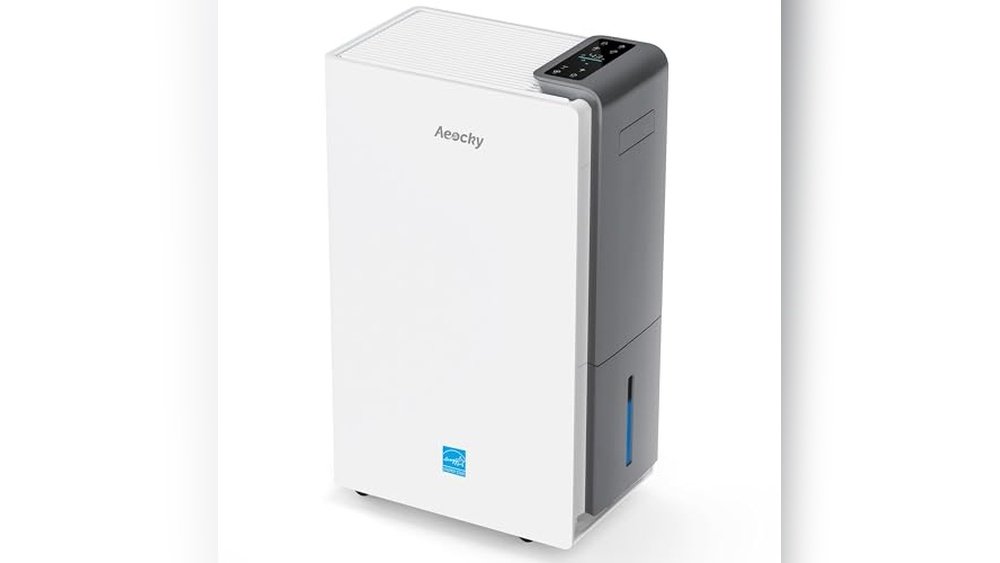
Are you struggling with dampness or musty odors in your room? A dehumidifier can be your best friend to create a fresher, healthier space.
But here’s the catch—where you place it makes all the difference. Put it in the wrong spot, and it won’t work as well, leaving you frustrated and still battling moisture problems. Keep reading, because you’ll discover the simple yet powerful tips to position your dehumidifier for maximum effect.
Your room will feel more comfortable, and you’ll protect your belongings from damage. Let’s get started!

Ideal Spots For Dehumidifier Placement
Finding the right spot for your dehumidifier makes it work better. Proper placement helps remove moisture faster and keeps your room comfortable. This section explains ideal spots to place a dehumidifier for best results.
Near Moisture Sources
Place the dehumidifier close to places where moisture forms. Bathrooms, kitchens, or laundry rooms often have more dampness. Positioning the device near these areas helps it capture moisture quickly. It prevents mold and mildew from growing in these spots.
Central Location Benefits
Putting the dehumidifier in the middle of the room spreads dry air evenly. This helps reduce humidity in the entire space. Avoid walls or tight corners for better air flow. A central spot allows the device to work efficiently without blockages.
Avoiding Corners And Obstacles
Keep the dehumidifier away from corners and furniture. Walls and obstacles block air circulation and reduce performance. Leave at least six inches of space around the unit. Clear space helps the dehumidifier pull in moist air easily.
Room Types And Placement Strategies
Choosing the right spot for a dehumidifier depends on the room type. Different rooms have different moisture levels and needs. Placing the dehumidifier correctly helps it work better and faster. Here are some tips for common room types and the best places to put your device.
Basements And Crawl Spaces
Basements and crawl spaces often have high humidity. Place the dehumidifier near walls or corners with visible dampness. Keep it away from furniture or boxes to allow good air flow. Position it on a raised platform to avoid water damage. This helps remove moisture efficiently and prevents mold growth.
Bathrooms And Laundry Rooms
Bathrooms and laundry rooms produce a lot of moisture. Put the dehumidifier close to the source of humidity, like near the shower or washing machine. Avoid placing it where water can splash on it. Make sure the air can move freely around the unit. This placement helps reduce mildew and keeps the air fresh.
Bedrooms And Living Areas
Bedrooms and living rooms need a dry and comfortable atmosphere. Place the dehumidifier in the center or near walls that feel damp. Avoid corners where air may be stagnant. Keep it away from beds and seating areas to reduce noise disturbance. This setup improves air quality and supports better breathing.
Height And Surface Considerations
Choosing the right height and surface for your dehumidifier is important. It helps the unit work well and last longer. The right placement can improve air flow and make the room feel more comfortable. Let’s explore how to position your dehumidifier with these key points.
Elevating The Unit
Placing the dehumidifier slightly above the floor helps it catch more air. A small table or stand works well. This stops dust and dirt from blocking the air intake. It also protects the unit from spills or wet floors. Elevation lets the dehumidifier pull air from a better height.
Make sure the surface is steady and not wobbly. The unit should not tilt or shake during use. Elevating the dehumidifier improves its efficiency and keeps it safe.
Stable And Flat Surfaces
A flat and stable surface is a must for your dehumidifier. Avoid placing it on uneven floors or soft carpets. These can block air vents or cause the unit to tip over. A level surface helps the water collection tray stay balanced.
Hard floors like tile, wood, or concrete are best spots. They support the weight and stop vibrations. Stability also reduces noise and wear on parts inside. Always check the surface before turning the unit on.

Safety And Efficiency Tips
Placing a dehumidifier in the right spot helps it work well and stay safe. These tips focus on keeping your device efficient and avoiding any risks. Follow these simple steps to protect your home and your machine.
Keeping Away From Electronics
Dehumidifiers release moisture from the air. Place them far from TVs, computers, and other electronics. Moisture can damage these devices. Keep at least a few feet of space between them. This prevents electrical problems and extends your electronics’ life.
Ensuring Proper Airflow
Good airflow helps the dehumidifier work better. Avoid placing it in corners or behind furniture. Leave space around the unit for air to move freely. A clear area improves moisture removal and reduces energy use. Aim for at least 12 inches of space on all sides.
Regular Maintenance Spots
Choose a spot easy to reach for cleaning and emptying. Regular maintenance keeps the dehumidifier running smoothly. Check and clean filters often. Empty the water tank before it fills up. A convenient location saves time and effort.
Signs Of Poor Placement
Placing a dehumidifier in the wrong spot can cause many problems. It may not work well or make your room uncomfortable. Recognizing signs of poor placement helps fix issues early. These signs show your device is not doing its job properly.
Uneven Humidity Levels
One clear sign is uneven humidity in the room. Some areas might feel damp, while others stay dry. This means the dehumidifier does not reach all parts of the space. Walls, corners, or floors near the unit may be too wet. This leads to mold growth and damage. Proper placement ensures even air circulation and moisture removal.
Excessive Noise Or Vibration
Another sign is loud noise or strong vibrations. The dehumidifier might be too close to walls or furniture. This causes sound to bounce and shake surfaces. It can disturb your daily activities or sleep. Moving the unit away from hard surfaces reduces noise. A stable, flat surface also stops vibrations.

Frequently Asked Questions
Where Is The Best Spot To Place A Dehumidifier?
Place your dehumidifier near moisture sources like windows or bathrooms. Ensure it’s centrally located for even air circulation. Avoid corners or behind furniture to maximize efficiency and airflow.
Should A Dehumidifier Be Placed Near Walls Or Open Spaces?
Position your dehumidifier away from walls to allow proper air intake and output. Open spaces improve airflow and drying efficiency. Keep at least 6-12 inches clearance from walls or furniture.
How High Should A Dehumidifier Be Placed In A Room?
Place the dehumidifier on the floor or a low surface. Moist air naturally sinks, so low placement helps capture humidity better. Avoid elevated spots that reduce moisture collection.
Can Placing A Dehumidifier Near Electronics Affect Performance?
Avoid placing dehumidifiers near electronics to prevent moisture damage. Keep a safe distance to protect devices and ensure the dehumidifier runs efficiently without obstruction.
Conclusion
Place your dehumidifier where air flows well and dampness gathers. Avoid corners and blockages to help it work faster. Keep it near problem spots like windows or bathrooms. Regularly empty the tank and clean filters for best results. A good spot means less moisture and healthier air.
Small changes make a big difference in comfort. Try different places until you find the best fit. Your room will feel fresher and more pleasant every day. Simple steps lead to a dry, cozy space.