Are you wondering if your dehumidifier should be running during the cold winter months? It’s a question many people overlook but can make a big difference in your home’s comfort and health.
You might think that winter air is dry enough, but the truth is, moisture can still build up inside your house and cause problems like mold, musty smells, and even damage to your walls and furniture. Keep reading to discover why running your dehumidifier in winter might be exactly what your home needs—and how it can protect your space and your family’s well-being.
Winter Humidity Challenges
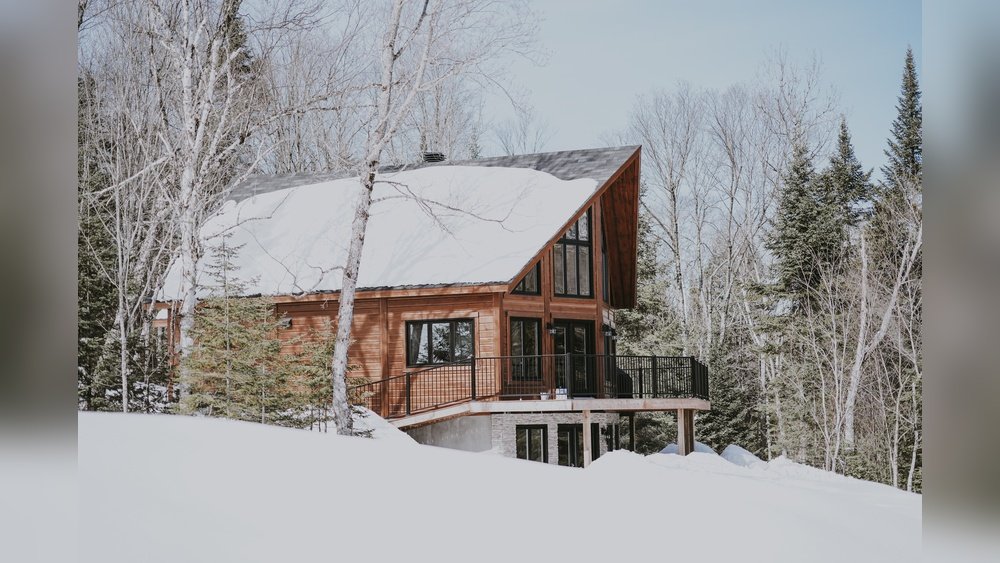
Winter brings cold air outside and warm air inside. This difference can cause moisture problems inside homes. People often think dry air is only a winter issue. But indoor humidity can rise and cause trouble during cold months.
Moisture in the air can come from cooking, showering, and even breathing. When warm air meets cold surfaces, water drops form. This can lead to damp spots, mold, and other issues. Controlling indoor humidity is important in winter.
Common Indoor Moisture Issues
Condensation often appears on windows and walls. It happens when warm air cools and turns into water. This moisture can soak into walls and ceilings. It may cause paint to peel and wood to rot.
Bathrooms and kitchens face the most moisture build-up. Poor ventilation makes the problem worse. High humidity can make rooms feel clammy and cold. It also increases dust mites and mold growth.
Effects On Health And Home
Too much moisture harms health. Mold spores can cause allergies and breathing problems. Dust mites thrive in humid environments and worsen asthma symptoms.
Moisture damages the home structure. Wood can warp or decay. Metal parts may rust. These issues lower the home’s value and comfort.
Keeping humidity balanced helps protect health and property. It also improves comfort during chilly months.
Role Of A Dehumidifier
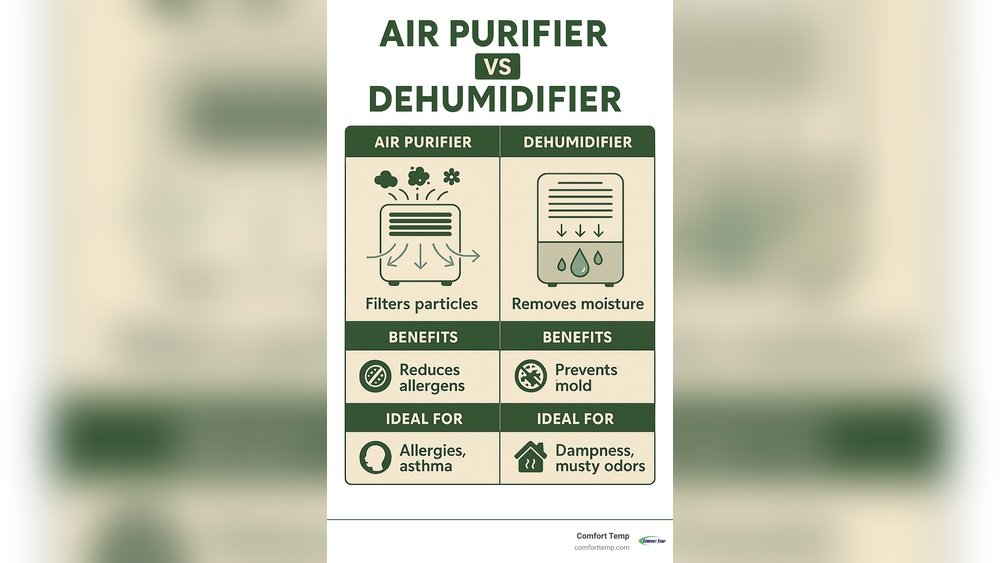
The role of a dehumidifier is to control moisture in the air. It keeps indoor spaces dry and comfortable. Moisture can cause mold, mildew, and damage. A dehumidifier helps stop these problems by removing excess humidity. This is important all year, including winter.
How It Works
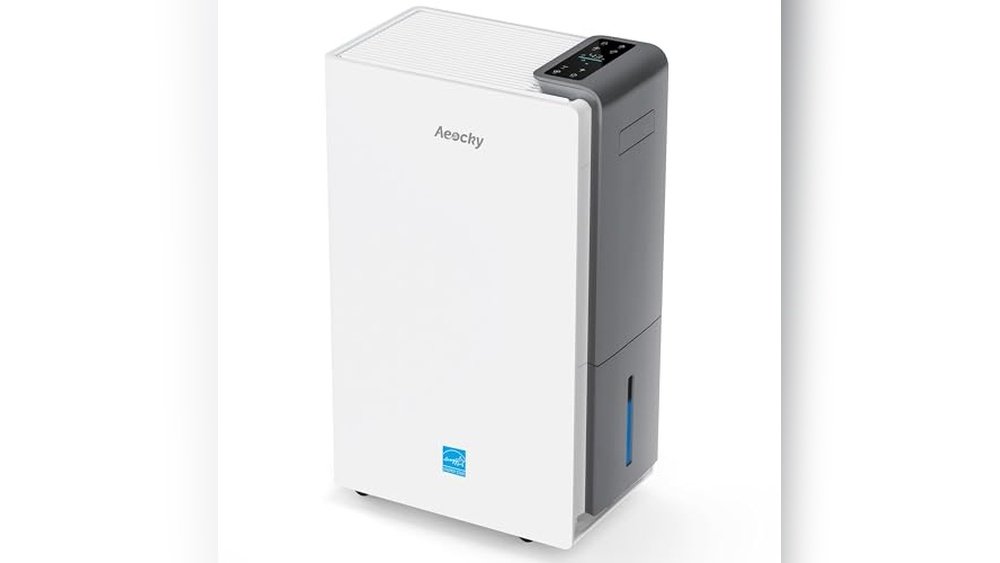
A dehumidifier pulls moist air into the machine. It cools the air to remove water. The water collects in a tank or drains out. Then, dry air goes back into the room. This process lowers indoor humidity levels. It helps prevent dampness and keeps the air fresh.
Benefits During Cold Months
Cold air holds less moisture but indoor humidity can still rise. Heating systems dry air but can create uneven moisture spots. A dehumidifier balances humidity inside. It reduces condensation on windows and walls. This stops mold and protects your home. It also improves comfort and air quality. Dry air feels warmer and healthier during winter.
When To Use A Dehumidifier In Winter
Using a dehumidifier in winter can help keep your home comfortable and healthy. Cold air holds less moisture, but indoor activities and poor ventilation can raise humidity levels. Knowing when to run a dehumidifier in winter prevents mold and dampness. It also protects your belongings and improves air quality.
Ideal Humidity Levels
The best humidity level inside your home is between 30% and 50%. This range stops mold and dust mites from growing. It also keeps wood furniture and walls safe from damage. Too low humidity causes dry skin and irritation. Too high humidity leads to condensation and mold growth. A dehumidifier helps keep humidity in the right range.
Signs You Need One
Look for signs of excess moisture indoors. Condensation on windows or walls shows high humidity. Musty smells also point to damp air. Mold spots on walls or ceilings need attention. If your clothes or furniture feel damp, the air is too wet. Using a dehumidifier can remove extra moisture and protect your home.

Potential Drawbacks Of Running It
Running a dehumidifier in winter can help reduce dampness. Still, it has some drawbacks to consider. These issues might affect your comfort and energy bills. Understanding these can help you decide if running it is right for your home.
Energy Consumption
Dehumidifiers use electricity to work. In winter, running one can increase your energy bills. The device may run longer because cold air holds less moisture. This means more power is needed to remove the dampness. High energy use can be costly over time.
Dry Air Problems
Winter air is already dry in many places. Running a dehumidifier can make indoor air too dry. This dryness can cause skin irritation and dry eyes. It may also worsen respiratory issues like asthma or allergies. Too dry air can make your home feel less comfortable.
Tips For Effective Winter Use
Using a dehumidifier in winter can help keep your home comfortable and protect it from moisture damage. To get the best results, follow some simple tips. These tips focus on where to place the dehumidifier, how to set it, and how to keep it working well all season.
Placement And Settings
Place the dehumidifier in the dampest room or area of your home. Common spots include basements, bathrooms, or near windows. Keep it away from walls and furniture to allow good airflow. Adjust the humidity setting to around 30-50%. This range helps prevent mold and keeps the air fresh. Running the dehumidifier on low or medium settings saves energy and avoids over-drying the air.
Maintenance Advice
Clean the filter regularly to keep the dehumidifier efficient. Check the water tank and empty it often to prevent spills and bacteria growth. Inspect the coils and vents for dust or ice buildup. Defrost the unit if ice forms during cold days. Regular maintenance helps the dehumidifier last longer and work better in winter conditions.

Alternatives To Dehumidifiers
Dehumidifiers are helpful in reducing moisture, but they are not the only option. Many simple methods can control humidity in winter. These alternatives can save energy and keep your home comfortable.
Ventilation Techniques
Good airflow helps reduce moisture inside your home. Opening windows briefly each day can freshen the air. Exhaust fans in kitchens and bathrooms pull out damp air. Using vents properly moves moisture out and stops buildup. Even a small fan can help keep air moving. This lowers humidity without needing a dehumidifier.
Other Moisture Control Methods
Absorbing moisture is possible with materials like silica gel or charcoal bags. Placing these in damp areas draws water from the air. Fixing leaks and sealing cracks stops water from entering your home. Using moisture-resistant paint can help walls stay dry. Cleaning gutters regularly prevents water damage. These simple steps reduce dampness and protect your house.

Frequently Asked Questions
Should I Run A Dehumidifier During Winter?
Running a dehumidifier in winter helps reduce indoor humidity and prevents mold. It improves air quality and protects your home from dampness.
Can A Dehumidifier Work Effectively In Cold Weather?
Yes, but some dehumidifiers struggle below 65°F. Choose a model designed for low temperatures to ensure efficient operation.
Does Using A Dehumidifier In Winter Save Energy?
Using a dehumidifier wisely in winter can save energy by reducing heating demand caused by damp air. Proper use is key.
How Often Should I Run A Dehumidifier In Winter?
Run it as needed, usually a few hours daily. Monitor humidity levels and adjust runtime to maintain 30-50% humidity.
Conclusion
Running a dehumidifier in winter can help control indoor moisture. Cold air holds less moisture, but homes can still feel damp. Using a dehumidifier prevents mold and protects walls and furniture. It also improves air quality, making breathing easier. Keep an eye on humidity levels and adjust use as needed.
Too dry air can cause discomfort too. A balanced approach keeps your home healthy and cozy all winter long.