Have you ever struggled with wet clothes that just won’t dry inside your home? It’s frustrating when damp laundry lingers, leaving your space feeling humid and uncomfortable.
You might wonder if a dehumidifier could be the secret to speeding up the drying process indoors. Imagine turning your laundry room into a quick-dry zone, no matter the weather outside. You’ll discover how a dehumidifier works with your clothes, and whether it’s the solution you’ve been searching for.
Keep reading to find out how to make drying clothes indoors easier and more efficient.

How Dehumidifiers Work
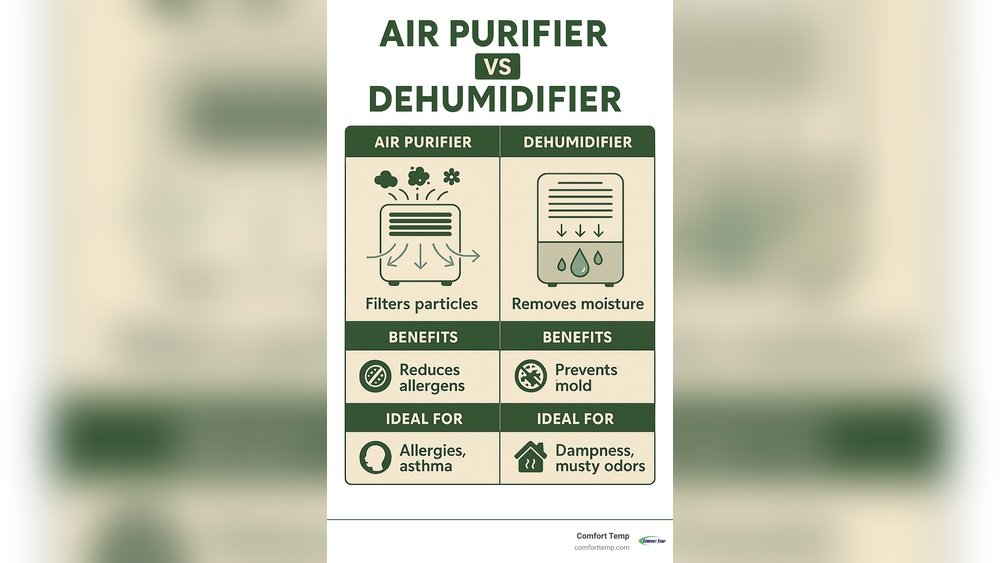
Dehumidifiers help remove moisture from the air. They make indoor air drier and more comfortable. This process also helps clothes dry faster inside your home.
The machine pulls in humid air. Inside, the air cools down, and water vapor turns into liquid. This water collects in a tank or drains out.
Then, the dry air is warmed and released back into the room. This cycle repeats until the air reaches the desired dryness level.
Air Intake And Moisture Capture
The dehumidifier uses a fan to pull moist air inside. The air passes over cold coils. Moisture in the air changes into water droplets.
These droplets drip into a collection tank or drain pipe. The air now has less moisture.
Cooling And Condensation
Inside the machine, cold coils cool the air. Water vapor in the air turns into liquid water. This is the key step in removing moisture.
The liquid water collects, while dry air moves on to the next step.
Releasing Dry Air
After moisture removal, the air warms up slightly. The dry, warm air flows back into the room. This lowers the room’s overall humidity.
Lower humidity helps clothes dry faster indoors. The process repeats until the air feels dry enough.
Benefits Of Using A Dehumidifier For Drying Clothes
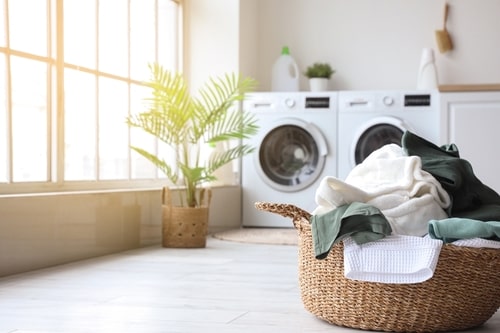
Using a dehumidifier to dry clothes indoors offers many benefits. It speeds up drying time and keeps the air fresh. Clothes dry faster without needing direct sunlight or heat.
A dehumidifier removes extra moisture from the air. This helps stop damp smells and mold from forming on clothes. It creates a better drying environment, especially in small or humid rooms.
Improves Drying Speed
Dehumidifiers pull moisture from the air, making clothes dry faster. This reduces waiting time and helps you use clothes sooner. Faster drying saves energy compared to using a dryer.
Prevents Mold And Mildew
Excess moisture can cause mold on clothes and walls. A dehumidifier lowers humidity, stopping mold growth. Clean clothes and a healthy home environment follow.
Reduces Damp Smells
Clothes dried inside often smell damp or musty. Dehumidifiers remove moisture that causes these odors. Fresh-smelling clothes come out every time.
Protects Fabric Quality
Slow drying can damage fabric and cause wrinkles. A dehumidifier helps clothes dry evenly and gently. Your clothes keep their color, shape, and softness longer.
Saves Energy Compared To Dryers
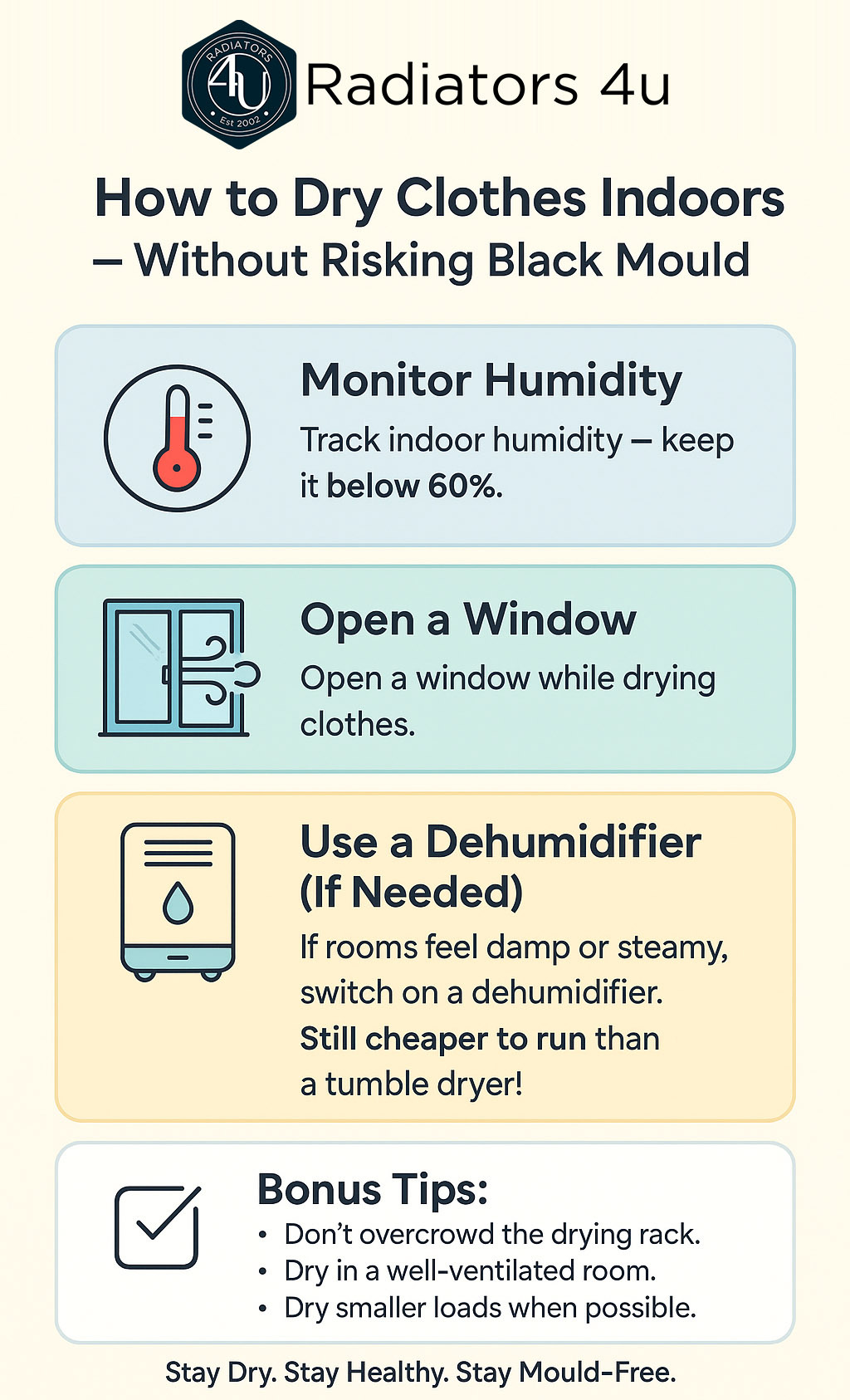
Using a dehumidifier uses less electricity than a dryer. It is an energy-friendly way to dry clothes indoors. Lower energy use means lower bills and less environmental impact.
Best Practices For Indoor Clothes Drying
Drying clothes indoors can be tricky without good air flow and moisture control. Using a dehumidifier helps, but following some smart drying habits speeds up the process. These best practices make indoor drying easier and more effective.
Simple changes in how you dry clothes inside can reduce dampness and prevent mold. They also keep your home smelling fresh and comfortable.
Optimal Placement Of Clothes
Hang clothes in a single layer for better air flow. Avoid overcrowding the drying rack. Place clothes where air moves freely, like near windows or open spaces. Keep them away from walls to allow air circulation on all sides.
Using Fans Alongside Dehumidifiers
Fans help by moving air around wet clothes. This speeds up evaporation. Use a fan with a dehumidifier to dry clothes faster. Point the fan so air blows across the clothes, not directly on the dehumidifier.
Ventilation Tips
Open windows or doors to let fresh air in. This reduces humidity inside. Use exhaust fans in bathrooms or kitchens during drying. Good ventilation stops damp smells and stops mold from forming.
Choosing The Right Dehumidifier
Choosing the right dehumidifier can make drying clothes indoors easier and faster. A good dehumidifier removes moisture from the air, helping clothes dry without damp smells. It also prevents mold and mildew in your home. Picking the right model depends on several key factors. Understanding these will help you find the best fit for your space and needs.
Capacity And Size Considerations
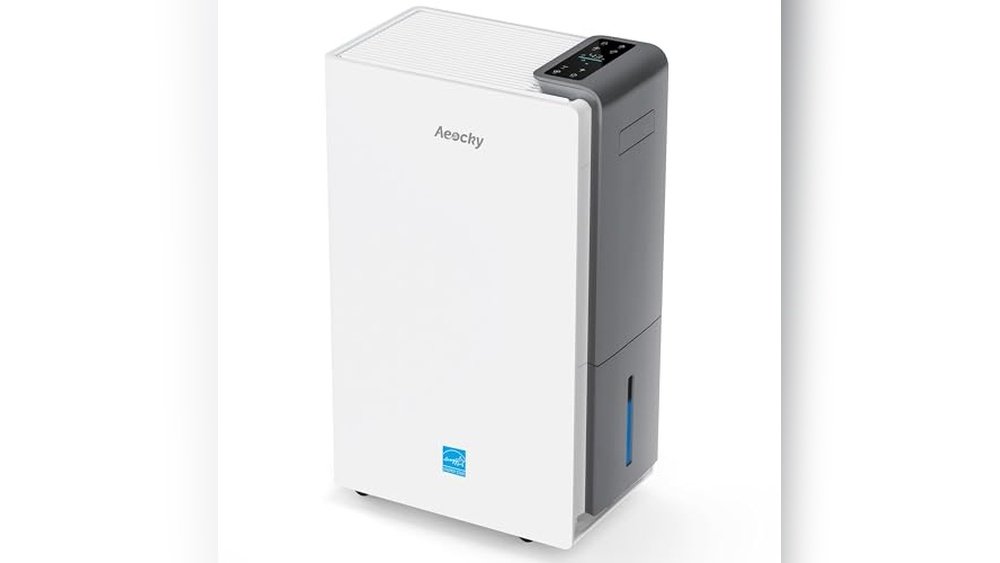
Dehumidifiers come in different sizes and moisture removal capacities. Small units work well in small rooms or closets. Larger spaces need more powerful models. Check the square footage where you plan to dry clothes. The capacity is usually measured in pints of moisture removed per day. Choose a size that matches your room to dry clothes efficiently.
Energy Efficiency
Dehumidifiers run for many hours while drying clothes. Energy-efficient models use less electricity and save money. Look for units with an Energy Star rating. These devices perform well without high power costs. Efficient dehumidifiers also reduce environmental impact. Saving energy helps both your wallet and the planet.
Additional Features To Look For
Extra features can improve your drying experience. A built-in humidistat controls moisture levels automatically. Some models have washable filters to keep air clean. Continuous drainage options avoid emptying water tanks. Quiet operation is good for living areas. Consider features that match your daily needs for convenience.
Common Mistakes To Avoid
Using a dehumidifier to dry clothes indoors can be helpful. Yet, some common mistakes reduce its effectiveness. Avoid these errors to get the best results and keep your clothes fresh and dry.
Placing Clothes Too Close To The Dehumidifier
Keep a small distance between clothes and the dehumidifier. Too close blocks air circulation. Clothes need space for air to flow around them. This speeds up drying and stops damp spots.
Not Using Proper Airflow
Open windows or doors slightly for better air movement. A dehumidifier works better with fresh air. Stagnant air slows down drying and may cause odors.
Ignoring The Room Size
Match the dehumidifier size to your room. Small units cannot handle large spaces. This makes drying slow and ineffective. Check the device capacity before buying or using.
Overloading The Drying Area
Do not hang too many clothes in one spot. Crowding blocks air and slows drying. Spread clothes evenly on racks or lines for faster results.
Not Cleaning The Dehumidifier Regularly
Empty the water tank often. Clean filters and coils as needed. Dirty machines work poorly and waste energy. Regular care keeps your dehumidifier efficient and long-lasting.
Alternatives To Dehumidifiers For Drying Clothes Indoors
Drying clothes indoors can be a challenge, especially in humid or cold weather. Dehumidifiers help by removing moisture from the air. Still, there are other ways to dry clothes inside without one. These options can save energy and work well in small spaces.
Heated Airers
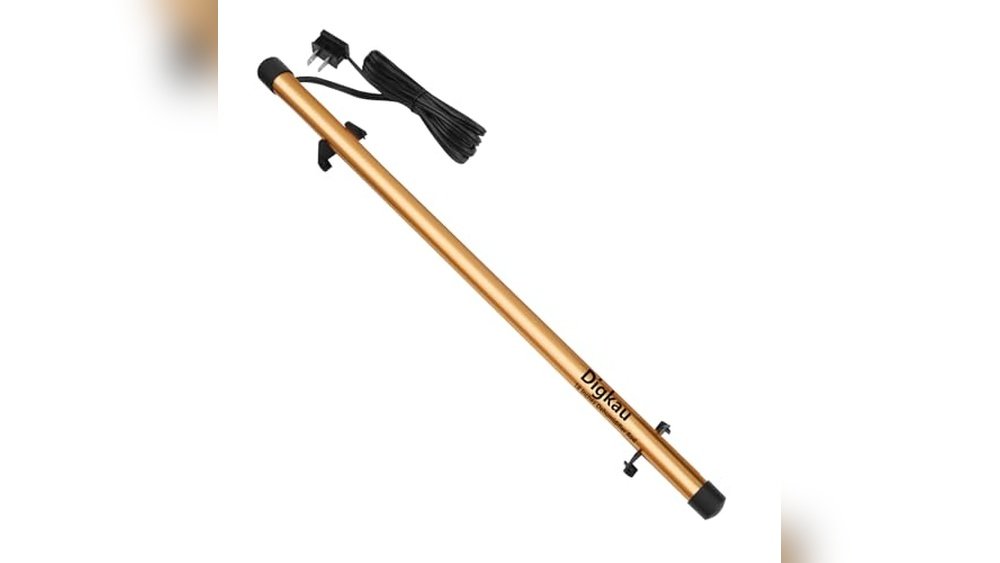
Heated airers use gentle warmth to dry clothes faster. They plug into a power source and have bars that heat up. Clothes hang on these bars and dry more quickly than on normal racks. Heated airers are safe and easy to use. They also reduce moisture in the room because heat helps evaporate water.
Drying Racks Near Heat Sources
Placing drying racks close to heat sources helps speed up drying. Radiators, heaters, or sunny windows work well. The warm air moves around the clothes and dries them faster. Keep some space between the clothes and the heat to avoid damage. This simple method uses existing heat and does not need extra equipment.
Frequently Asked Questions
Can A Dehumidifier Speed Up Indoor Clothes Drying?
Yes, a dehumidifier reduces moisture in the air, helping clothes dry faster indoors. It prevents dampness and mildew.
Is Using A Dehumidifier Better Than A Fan For Drying Clothes?
A dehumidifier removes moisture, while a fan only circulates air. Dehumidifiers are more effective in humid spaces.
How Does A Dehumidifier Prevent Mold On Drying Clothes?
By lowering humidity, dehumidifiers stop mold growth on clothes. They keep air dry and reduce musty odors.
Can I Use Any Dehumidifier For Drying Clothes Indoors?
Most household dehumidifiers work well. Choose one suitable for your room size for optimal drying efficiency.
Conclusion
A dehumidifier can help dry clothes inside your home. It removes moisture from the air quickly. Clothes dry faster without a dryer or outdoor space. This is useful during rainy or cold days. It also helps reduce damp smells in fabrics.
Keep the room small and the dehumidifier running for best results. Using one saves energy compared to a dryer. Try it if you need indoor drying help. Simple and effective.