Are you tired of waking up to a damp, musty smell inside your RV or camper? Moisture buildup can make your cozy space uncomfortable and even damage your belongings.
You might be wondering, “Can I use a dehumidifier in an RV or camper to fix this problem? ” The answer is yes, but there are important things you need to know before plugging one in. Keep reading to discover how a dehumidifier can improve your travel experience and what to consider to keep your RV fresh and dry wherever you go.
Benefits Of Dehumidifiers In Rvs
Using a dehumidifier in an RV brings many benefits. It helps keep the space dry and fresh. Small areas like campers often trap moisture. This moisture can cause problems if not controlled. A dehumidifier helps stop these issues before they start.
Keeping the air dry improves comfort and safety. It also protects the RV’s inside parts. This makes every trip more enjoyable and worry-free.
Preventing Mold And Mildew
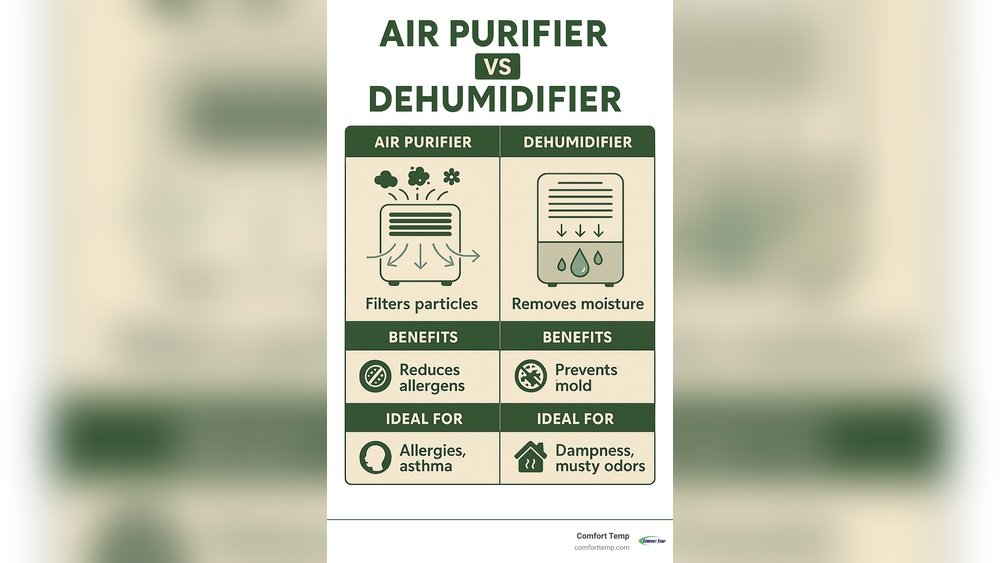
Mold and mildew grow quickly in damp places. RVs and campers often have tight spaces with little airflow. Moisture builds up from cooking, showering, or wet clothes. A dehumidifier lowers humidity levels. This stops mold spores from growing. It keeps your RV cleaner and healthier.
Improving Air Quality
High humidity makes the air feel heavy and stale. It can cause allergies and breathing problems. A dehumidifier removes excess moisture. This refreshes the air inside your RV. Breathing becomes easier and more comfortable. You get a fresher, cleaner living space.
Protecting Rv Interiors
Moisture can damage wood, fabrics, and metal inside the RV. It causes rust, peeling paint, and warping. Using a dehumidifier helps protect these materials. It extends the life of furniture, walls, and appliances. Your RV stays in better shape longer.

Choosing The Right Dehumidifier
Choosing the right dehumidifier for your RV or camper is important. It helps keep the air dry and prevents mold and mildew. The right choice depends on your space, power options, and comfort needs. Let’s explore key points to consider.
Size And Capacity
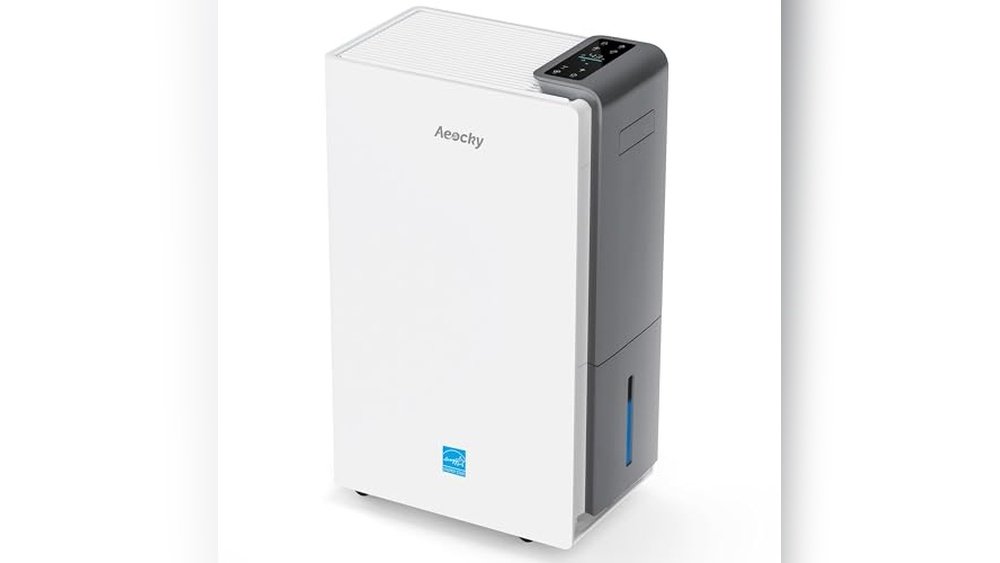
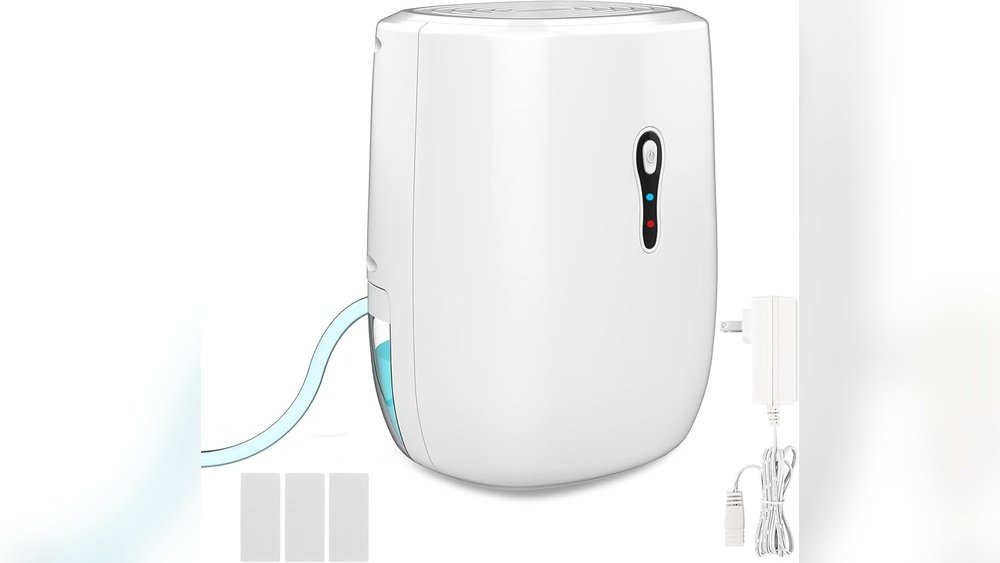
Pick a dehumidifier that fits your RV’s size. Small spaces need smaller units with less capacity. Larger campers may need bigger machines with higher moisture removal rates. Check the capacity in pints per day. It tells how much water the unit can remove. Choose one that matches your space’s humidity level.
Power Source Options
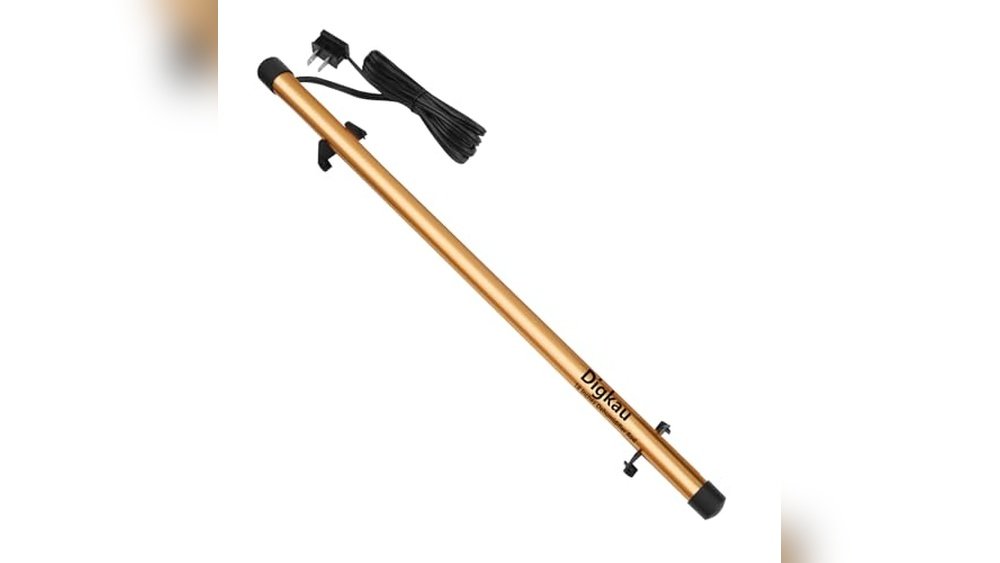
Consider how you will power the dehumidifier. Many RVs use 12V or 110V power. Some models run on batteries, while others need an outlet. Solar power options exist for off-grid campers. Choose a unit that works with your available power sources. This ensures it runs smoothly during your trips.
Portability And Noise Levels
Portability matters in small spaces. Lightweight and compact units are easier to move and store. Check the noise level if you want quiet rides and restful nights. Some dehumidifiers run quietly, while others make more sound. Pick one that balances power and quiet operation for your comfort.
Setting Up A Dehumidifier In Your Camper
Setting up a dehumidifier in your camper helps keep the air dry and fresh. It stops mold and damp smells from building up. The right setup makes the dehumidifier work well and last longer.
Ideal Placement
Place the dehumidifier where air moves freely around it. Avoid tight corners or spots blocked by furniture. A central spot in the camper works best. Keep it away from walls to let air flow. This helps the unit dry the air faster and better.
Powering The Unit Safely
Use the correct power source for your dehumidifier. Many campers run on 12V or 110V power. Check the unit’s power needs before plugging it in. Use a surge protector to protect from power spikes. Avoid overloading outlets to keep your camper safe.
Emptying Water Reservoirs
Dehumidifiers collect water in a tank that must be emptied often. Check the reservoir daily or as the manual suggests. Some models have a hose for continuous drainage. Empty the tank outside to avoid spills inside the camper. Regular emptying stops water overflow and keeps the unit working well.
Energy Efficiency Tips
Using a dehumidifier in an RV or camper helps control moisture and prevents mold. Saving energy while running it is important. Smart energy use keeps your battery safe and lowers power costs. Follow these tips to get the most from your dehumidifier without wasting power.
Using Solar Power
Solar panels provide clean energy for your dehumidifier. They reduce reliance on shore power or generators. Solar energy is free and quiet. Make sure your solar system can supply enough power. Check the dehumidifier’s wattage before relying on solar power alone.
Running Times And Settings
Set your dehumidifier to run only when needed. Use a timer or humidity sensor to control operation. Avoid running it all day long. Lower fan speeds use less energy but still remove moisture. Choose settings that match your RV’s humidity levels for best results.
Maintaining The Dehumidifier
Clean the filter regularly to keep airflow strong. Check and empty the water tank often. A clogged or full tank makes the unit work harder. Inspect the coils for dust and dirt. Proper maintenance improves efficiency and extends the dehumidifier’s life.
Alternatives And Complementary Solutions
Using a dehumidifier in an RV or camper helps control moisture. Still, other options work well alone or with a dehumidifier. These alternatives keep your space dry and comfortable. They also prevent mold and bad smells. Explore some easy methods to manage humidity inside your RV.
Ventilation Techniques
Good airflow reduces moisture quickly. Open windows and vents during dry weather. Use roof vents to let humid air escape. A small fan helps move air around. Venting the bathroom and kitchen is very important. Fresh air stops condensation on walls and windows.
Moisture Absorbers
Silica gel packs and moisture absorber bags are simple tools. Place them in cabinets and corners. They soak up excess water from the air. These absorbers work well in small spaces. Change or recharge them regularly for best results. They are quiet and need no power.
Heating And Insulation
Warm air holds more moisture than cold air. Use a small heater to keep the RV warm. Proper insulation stops cold spots where moisture forms. Insulate windows and doors with weather stripping or foam tape. Heating and insulation together reduce dampness and frost. This keeps your camper cozy and dry.
Common Mistakes To Avoid
Using a dehumidifier in your RV or camper helps keep moisture under control. This prevents mold and damage. Some mistakes can reduce its effectiveness or cause problems. Avoid these common errors to keep your space dry and safe.
Overusing The Dehumidifier
Running the dehumidifier all the time can waste energy. It can also dry the air too much. This makes the inside uncomfortable. Use a timer or humidistat to control when it runs. Let it turn off once the air feels dry enough.
Ignoring Regular Maintenance
Cleaning the dehumidifier is important. Dust and dirt can block filters and coils. This lowers performance. Empty the water tank often to stop mold growth. Check the machine monthly to keep it working well.
Blocking Airflow
Keep the dehumidifier clear of walls and furniture. Blocking airflow stops it from drying the air properly. Place it in an open area for the best results. Good airflow helps the machine work faster and better.

Frequently Asked Questions
Can I Use A Dehumidifier Safely In My Rv?
Yes, you can safely use a dehumidifier in your RV. Choose a compact, energy-efficient model. Ensure proper ventilation and regularly empty the water tank to avoid mold and moisture buildup.
What Size Dehumidifier Is Best For Campers?
For campers, a small to medium dehumidifier (10-20 pints) is ideal. It effectively controls moisture without consuming too much power or space, perfect for limited RV interiors.
How Does A Dehumidifier Help In An Rv?
A dehumidifier reduces excess moisture inside your RV. This prevents mold, mildew, and unpleasant odors. It also protects electronics, furniture, and keeps your living space comfortable.
Can I Run A Dehumidifier On Rv Battery Power?
Running a dehumidifier on RV batteries is possible but drains power quickly. Use a low-wattage model and monitor battery levels. Connecting to shore power or a generator is more efficient.
Conclusion
Using a dehumidifier in your RV or camper helps keep the air dry and fresh. It stops mold, mildew, and bad smells from growing. Small, portable models work best in tight spaces. Just remember to empty the water tank often.
This simple step makes your trips more comfortable and your RV last longer. A dry camper means a healthier and happier travel experience. Why not try one and enjoy the difference?