Are you worried about protecting your valuable firearms from moisture damage? You’ve probably heard that humidity control is key to keeping your guns in top condition.
But can you leave a hygrometer inside a loaded gun safe without risking safety or accuracy? This question matters because the right humidity level can prevent rust, while the wrong setup might cause serious problems. Keep reading to find out what experts say about using a hygrometer in your gun safe and how to keep your collection safe and sound.
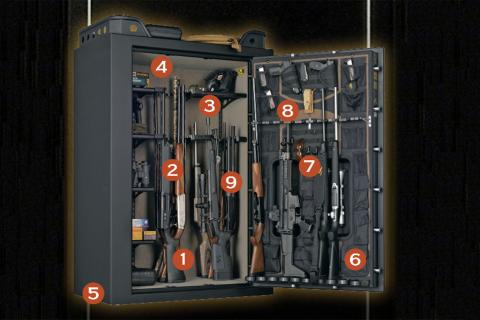
Purpose Of A Hygrometer In Gun Safes
A hygrometer measures the moisture level inside a gun safe. This tool helps keep the safe’s environment balanced. Proper humidity prevents damage to your firearms. It ensures your guns stay in good condition over time.
Using a hygrometer in a gun safe lets you check humidity quickly. This helps you take action before problems start. Keeping the right moisture level is key to protecting your investment.
Monitoring Humidity Levels
A hygrometer shows the exact humidity inside your gun safe. Moisture can build up without warning. The device helps you catch these changes early. This way, you can keep the humidity at safe levels. Many experts recommend keeping it between 30% and 50%. This range stops rust and mold from forming.
Protecting Firearms From Moisture Damage
Moisture damages metal and wood parts of firearms. Rust and corrosion weaken guns and lower their value. Wood grips or stocks can swell or crack. A hygrometer helps avoid these problems by alerting you to high moisture. You can then use dehumidifiers or moisture absorbers. This simple step extends the life of your firearms.
Types Of Hygrometers Suitable For Gun Safes
Choosing the right hygrometer is important for gun safes. It helps keep guns safe from moisture damage. Different types of hygrometers work well inside a loaded gun safe. Understanding their features can help pick the best one. The main types are analog, digital, and smart wireless models.
Each type offers unique benefits. Some are simple to use. Others provide detailed information and remote monitoring. Knowing these options helps maintain the right humidity level inside the safe.
Analog Vs Digital Hygrometers
Analog hygrometers use a simple dial to show humidity. They do not need batteries. These devices are easy to read at a glance. They work well in gun safes for basic humidity checks. However, analog models may be less accurate over time.
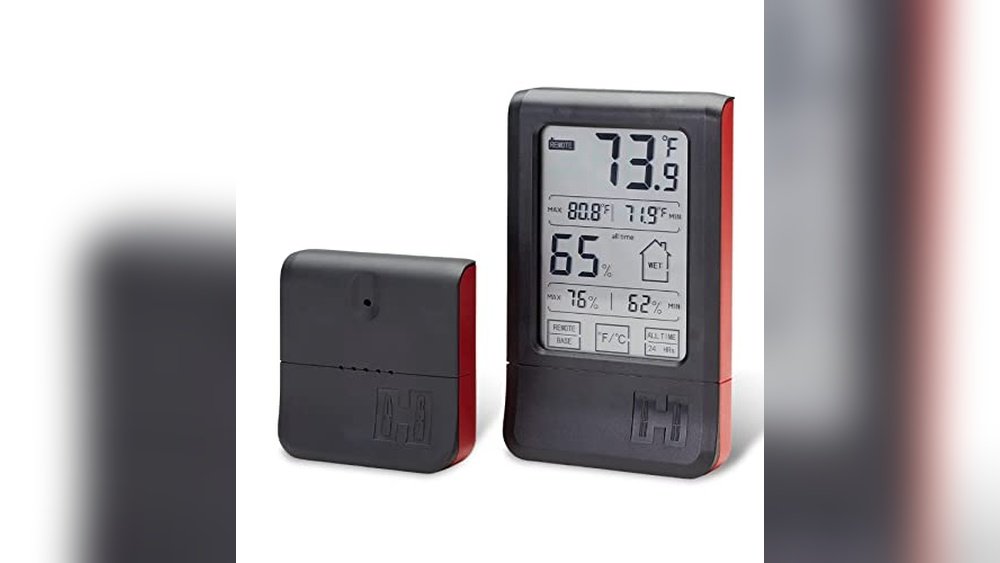
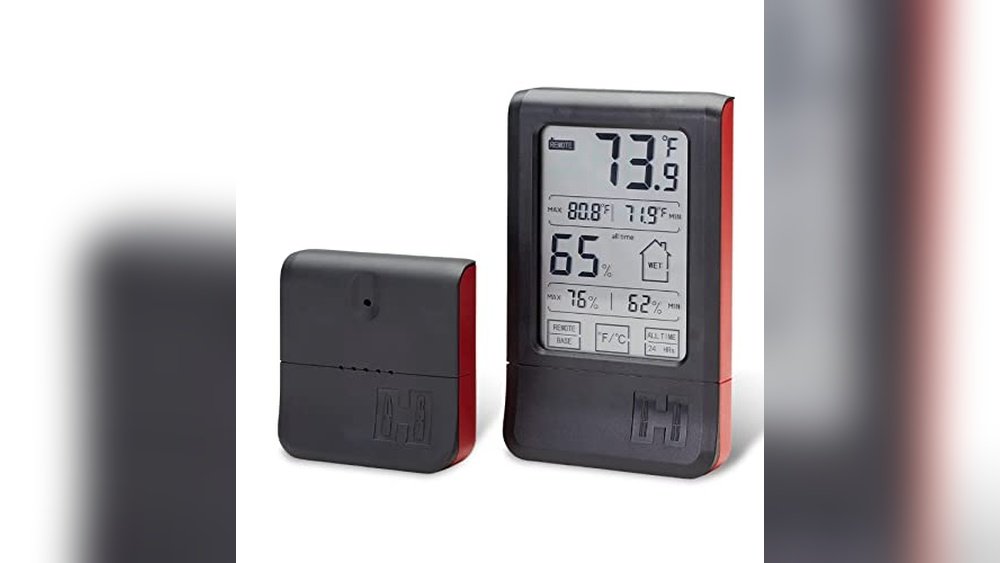
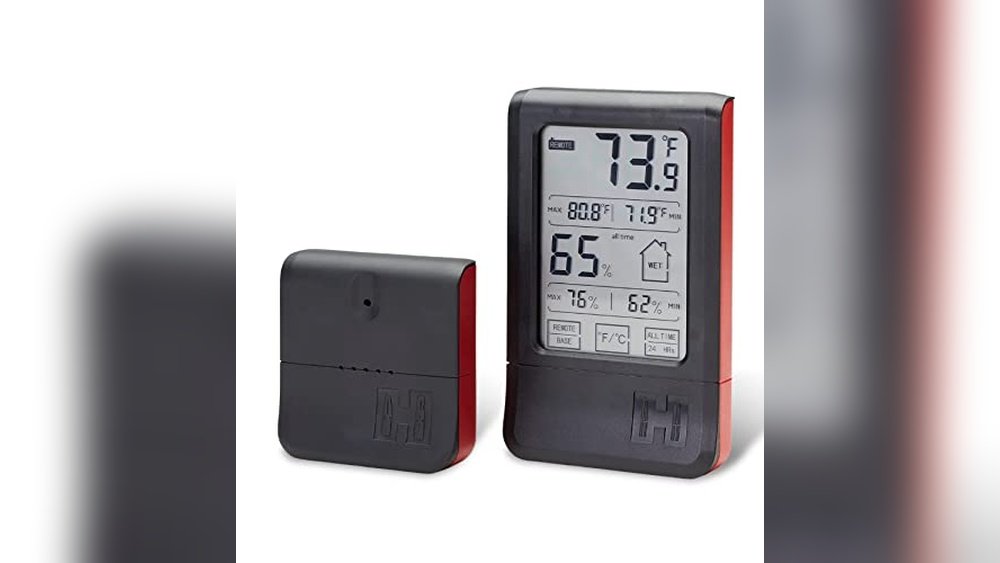
Digital hygrometers show humidity on a screen. They give precise readings. Many digital models also display temperature. Some include memory to track changes. Digital hygrometers need batteries but offer more accuracy. They suit gun owners who want detailed data.
Wireless And Smart Hygrometers
Wireless hygrometers connect to smartphones or computers. They send real-time humidity alerts. This helps monitor the safe without opening it. Smart models often include apps for easy control. They can track multiple safes at once.
Smart hygrometers usually require Wi-Fi or Bluetooth. They provide the most convenience and control. These devices suit tech-savvy gun owners. Remote monitoring helps prevent moisture damage quickly.
Potential Risks Of Leaving A Hygrometer Inside
Leaving a hygrometer inside a loaded gun safe might seem helpful to track humidity. Yet, it carries some risks. These risks can affect your guns and the safe’s electronics. Understanding these risks helps you keep your weapons safe and in good condition.
Chemical Reactions With Gun Materials
Some hygrometers contain metals or chemicals. These can react with gun parts like steel or wood. Moisture inside the safe can speed up this reaction. It may cause rust or damage to the guns. This can reduce the gun’s lifespan and value.
Battery Leakage And Damage
Many hygrometers use small batteries. These batteries can leak over time. The leaked acid can harm gun surfaces and safe interiors. Battery damage can also make the hygrometer stop working. Regular checks are important if you keep one inside.
Interference With Safe Electronics
Some gun safes have electronic locks and sensors. A hygrometer’s battery or metal parts can interfere with these systems. This may cause the safe to malfunction or lock incorrectly. It could also drain the safe’s battery faster than usual.
Safe Placement Tips For Hygrometers
Placing a hygrometer inside a loaded gun safe needs care. The right spot helps the device work well. It also protects your firearms from moisture damage. Follow these tips for safe placement of hygrometers in your gun safe.
Choosing The Right Location In The Safe
Pick a spot away from the door. The area near the back or middle works best. This helps the hygrometer read the overall humidity. Avoid places with air gaps or vents. These can give wrong readings.
Avoiding Direct Contact With Firearms
Do not place the hygrometer touching your guns. Direct contact can cause scratches or damage. Use a small shelf or mounting pad to separate it. Keep it near but not on the firearms.
Regular Maintenance And Calibration
Check the hygrometer often for accuracy. Wipe dust or dirt gently from the device. Calibrate it every few months using salt tests or calibration kits. Accurate readings protect your guns from rust and corrosion.
Alternative Humidity Control Methods
Controlling humidity inside a gun safe is crucial to prevent rust and damage. There are several alternatives to using a hygrometer alone. These methods help keep the safe environment dry and protect your firearms effectively.
Desiccant Packs And Dehumidifiers
Desiccant packs absorb moisture from the air inside the safe. They are small, affordable, and easy to replace. Silica gel packs are common and work well to reduce humidity.
Electric dehumidifiers remove excess moisture automatically. They plug into a power source and maintain a steady dry environment. These devices are ideal for large or frequently opened safes.
Climate-controlled Gun Safes
Climate-controlled safes have built-in systems to manage temperature and humidity. They provide consistent protection against moisture and mold. These safes offer peace of mind for long-term firearm storage.
Maintaining the right climate inside your safe extends the life of your guns. It also keeps ammunition in good condition. Investing in proper humidity control is a smart choice for any gun owner.

Best Practices For Gun Safe Maintenance
Proper maintenance keeps your gun safe secure and your firearms in good condition. It prevents rust, damage, and moisture build-up. Regular care extends the life of your safe and its contents.
Follow simple steps to maintain ideal conditions inside your safe. These steps help preserve both guns and ammunition effectively.
Routine Humidity Checks
Check the humidity level inside your safe often. Use a reliable hygrometer to monitor moisture. Ideal humidity stays between 30% and 50% to avoid rust or mold. Replace or recharge moisture absorbers based on these readings. Consistent checks prevent long-term damage.
Cleaning And Inspection
Clean your guns and safe interior regularly. Use soft cloths and non-abrasive cleaners for metal surfaces. Inspect for signs of rust, corrosion, or damage. Tighten loose screws and lubricate moving parts lightly. A clean safe protects your firearms better.
Storing Ammunition Safely
Store ammunition separately from firearms if possible. Use sealed containers to keep ammo dry and safe. Avoid storing ammo directly on the safe floor. Keep ammunition away from extreme heat or moisture sources. Proper storage preserves ammunition reliability and safety.

Frequently Asked Questions
Can I Safely Leave A Hygrometer In A Loaded Gun Safe?
Yes, leaving a hygrometer in a loaded gun safe is safe. It monitors humidity levels to protect your firearms from rust and corrosion.
How Does A Hygrometer Help Gun Safe Maintenance?
A hygrometer measures moisture inside the safe. It helps maintain optimal humidity, preventing damage to guns and ammunition over time.
What Humidity Level Is Ideal Inside A Gun Safe?
Ideal humidity inside a gun safe is between 30% and 50%. This range prevents rust while avoiding excess dryness that can damage wood.
Should I Calibrate My Gun Safe Hygrometer Regularly?
Yes, regular calibration ensures accurate readings. Accurate humidity data helps you maintain the right environment to protect your firearms effectively.
Conclusion
A hygrometer helps keep your gun safe dry and rust-free. You can safely leave it inside a loaded safe. Just place it where it won’t block your guns or locks. Check it often to ensure it works well. Keeping the right humidity protects your firearms for years.
Small steps like this make a big difference. Stay safe and keep your guns in top condition.