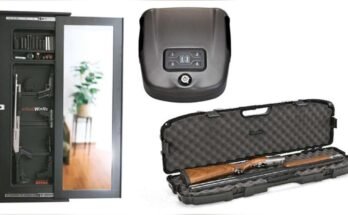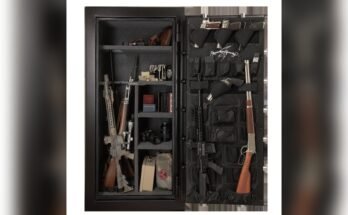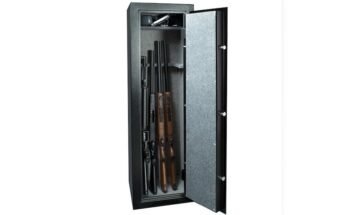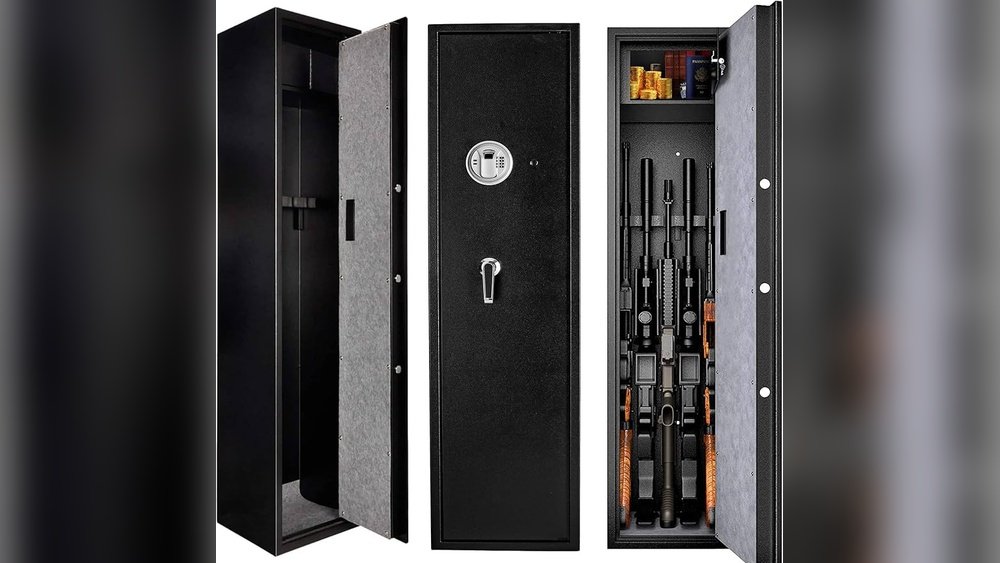
When it comes to protecting your firearms, you want to be sure your rifle safe can stand up to the test of time—and more importantly, keep your guns secure. But how durable are rifle safes really?
Can they handle forced entry, fire, or even everyday wear and tear? If you’ve ever wondered whether your investment is truly reliable, this article is for you. Keep reading to discover what makes a rifle safe tough, what materials and features matter most, and how to choose one that offers lasting protection for your valuable firearms.
Your peace of mind depends on it.
Durability Factors Of Rifle Safes
Rifle safes must be strong and secure to protect valuable firearms. Durability depends on several key factors. These factors determine how well a safe resists break-ins and damage. Understanding these can help you choose a safe that lasts.
Material Types And Strength
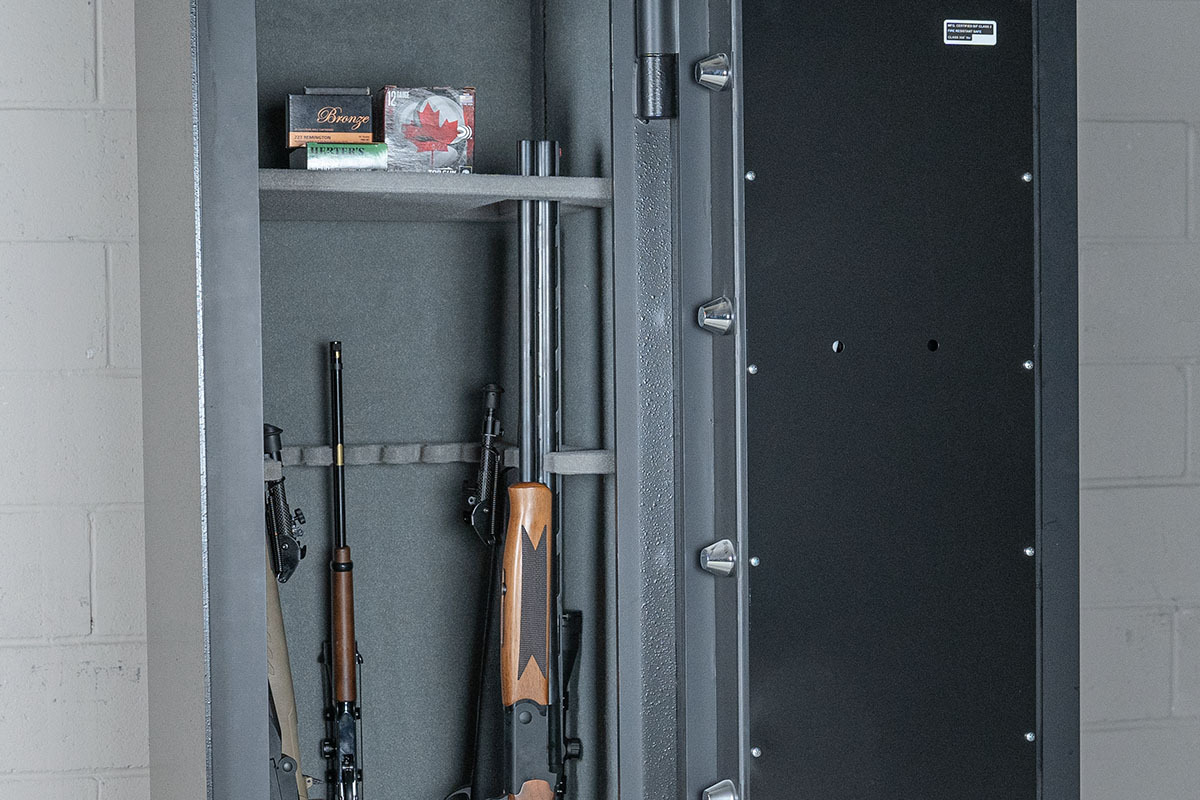
Steel is the most common material for rifle safes. Thick steel walls offer better protection against tools and attacks. Some safes use reinforced steel for extra strength. Other materials like aluminum are lighter but less secure. The type and thickness of the metal affect durability greatly.
Locking Mechanisms
Strong locks keep unauthorized people out. Mechanical locks use solid steel bolts that slide into the frame. Electronic locks offer quick access and often have backup keys. Some safes combine both for better security. The quality and design of locks impact how well a safe holds up over time.
Construction Quality
Welds and joints must be tight and strong. Poor construction creates weak points that can be broken. Good safes have seamless welds and reinforced corners. Internal shelves and door frames also add strength. Overall build quality affects durability and safety of the safe.
Resistance To Physical Attacks
Rifle safes face many types of physical attacks. These attacks aim to break in and steal the weapons inside. Understanding how safes resist such attacks helps in choosing the right one. Resistance to physical attacks means the safe can block or slow down intruders. This section explains how rifle safes protect against impact, drilling, cutting, fire, and water damage.
Impact And Pry Resistance
Rifle safes use strong steel to resist impacts. This steel stops tools like hammers and crowbars. The safe’s door has tight seams and thick walls. These features make it hard to pry open. Many safes include reinforced hinges. These hinges prevent the door from being forced off. Solid locks add an extra layer of defense against prying.
Drill And Cutting Protection
Drilling is a common way thieves break into safes. Rifle safes have hardened steel plates to stop drills. Some models use composite materials inside the walls. These materials dull drill bits quickly. Cutting tools like saws face similar barriers. Thick steel and special coatings slow down cutting tools. This protection gives extra time for alarms or help to arrive.
Fire And Water Resistance
Fire can destroy both rifles and the safe itself. Many safes have fire-resistant insulation inside the walls. This insulation keeps the inside cool even during a fire. Water damage can come from floods or sprinklers. Some safes seal tightly to keep water out. This protection helps protect guns and important documents inside.
Security Ratings And Certifications
Security ratings and certifications help measure how strong and safe a rifle safe is. These ratings come from tests done by experts. They show how well a safe can stop thieves and protect your guns. Understanding these ratings helps you pick the right safe for your needs.
Industry Standards
Industry standards set rules for testing and rating safes. Organizations like UL (Underwriters Laboratories) create these standards. They make sure safes meet certain security levels. A safe that meets these standards is proven to be reliable.
Testing Procedures
Testing involves trying to break into the safe. Experts use tools like drills and hammers. They check how long the safe can resist attacks. The tests are strict and follow clear guidelines. Only safes that pass these tests get certified.
What Ratings Mean For Users
Ratings tell users how strong a safe is. A higher rating means better protection. It shows the safe can resist tougher attacks. Users can trust these ratings to choose a safe that fits their security needs. Ratings help avoid buying weak or unsafe safes.

Maintenance And Longevity
Rifle safes protect valuable firearms and need care for long use. Proper maintenance keeps safes working well. It stops damage and wear over time. Simple habits help safes last many years. Understanding common issues helps avoid costly repairs. Small actions can extend a safe’s life. This section explains easy care tips and how to keep safes strong and secure.
Routine Care Tips
Clean the safe inside and out regularly. Use a soft cloth to remove dust and dirt. Check the lock and hinges for smooth action. Lubricate moving parts with light oil only. Avoid harsh chemicals that can damage paint or metal. Keep the safe dry to prevent rust. Use a dehumidifier or moisture absorber inside. Test the lock monthly to ensure it works well. Tighten loose screws and bolts carefully. These small steps keep safes reliable and safe.
Common Wear Issues
Rust is the most common problem for rifle safes. Moisture causes metal to corrode and weaken. Paint can chip or scratch from frequent use. Locks and hinges wear down from constant opening. Electronic locks may fail if batteries run out. Seals can crack, letting moisture inside. Heavy safes may settle, causing door alignment issues. Catch these problems early to avoid bigger repairs. Regular checks make a big difference.
Extending Safe Lifespan
Place the safe in a dry, cool spot away from sunlight. Avoid placing it near water sources or humid areas. Use protective mats under the safe to prevent floor damage. Change batteries in electronic locks yearly to prevent failure. Avoid overloading shelves to reduce strain on hinges. Keep spare keys and codes in a safe place. Schedule yearly professional inspections for best care. These actions help your rifle safe last for decades.
Choosing The Right Rifle Safe
Choosing the right rifle safe is important for protecting your firearms. A safe must suit your needs and provide strong security. Durability, size, and price are key factors. This section helps you find the best safe for your rifles.
Assessing Protection Needs
Think about what you need to protect. Are you storing one rifle or many? Consider if you want fire resistance or just theft protection. Some safes offer both. Your local crime rate may influence your choice. Also, check if the safe fits your space.
Balancing Durability And Cost
Durable safes often cost more. Strong steel and good locks add price. Set a budget but avoid cheap safes. Poor quality safes can fail easily. A mid-range safe may give the best value. Remember, a safe is an investment in security.
Popular Brands And Models
Brands like Fort Knox, Liberty, and Stack-On are trusted. Each brand offers different sizes and security levels. Read reviews and compare features. Some models have fireproof ratings. Choose one that matches your protection needs and budget.

Frequently Asked Questions
How Long Do Rifle Safes Typically Last?
Rifle safes can last several decades with proper care. Their durability depends on build quality and material used. Steel safes resist damage and corrosion well. Regular maintenance ensures they stay secure and functional over time.
What Materials Make Rifle Safes Most Durable?
Steel is the most durable material for rifle safes. High-gauge steel offers strong protection against theft and fire. Some safes include reinforced locking bolts for extra security. Quality construction significantly extends the safe’s lifespan and durability.
Are Rifle Safes Resistant To Fire Damage?
Many rifle safes provide fire resistance for at least 30 minutes. Fireproof models have insulated walls to protect contents from heat. Fire ratings vary, so choose a safe that matches your protection needs. Always check manufacturer specifications for fire resistance details.
Can Rifle Safes Withstand Forced Entry Attempts?
Durable rifle safes feature thick steel and advanced locking systems. These resist drilling, prying, and hammer attacks effectively. The best safes have multiple locking bolts and reinforced hinges. Investing in a high-quality safe improves protection against forced entry.
Conclusion
Rifle safes offer strong protection for your firearms. They resist break-ins and keep guns safe from damage. Quality materials and solid locks add to their durability. Regular maintenance helps safes last longer and work well. Choosing the right safe depends on your needs and budget.
Investing in a good rifle safe gives peace of mind. Your firearms stay secure, away from unauthorized access. Durable rifle safes protect both your guns and your family. Safety and strength go hand in hand with these safes.