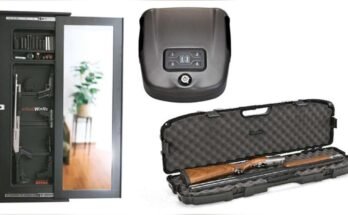
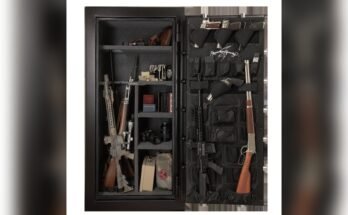
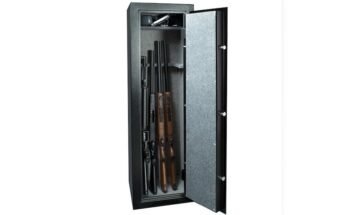
Are you looking for a smart way to keep your rifle safe and out of sight? Hiding a rifle safe in a wall might be the perfect solution.
It offers both security and discretion, giving you peace of mind without sacrificing space. But how practical is it really? Can you truly hide a rifle safe in your wall without compromising safety or convenience? Keep reading, and you’ll discover the key facts, tips, and tricks to make this idea work for your home.
Your safety and privacy depend on it.
Benefits Of Wall-mounted Rifle Safes
Wall-mounted rifle safes offer many advantages for gun owners. They save space and keep firearms secure. These safes fit inside a wall, making them less visible. They also provide quick access in emergencies. The design suits homes with limited floor space.
These safes combine safety with convenience. They protect rifles from theft and damage. Easy installation allows for flexible placement in your home. This makes wall-mounted safes a smart choice for many users.
Space Saving Advantages
Wall safes use vertical space inside walls. This frees up floor area for other items. They do not take up room like traditional safes. Perfect for small rooms or apartments. This type of safe helps keep your living space neat and organized.
Enhanced Security Features
Wall-mounted safes are built with strong steel. They often include locks that are hard to pick. Being hidden inside walls adds extra protection. These safes reduce the risk of theft. They keep your firearms safe from unauthorized access.
Accessibility And Convenience
Wall safes provide quick access to rifles. They are easy to open with a key or combination. Installing them near entry points improves response time. You can reach your firearms fast in emergencies. This balance of safety and ease suits responsible gun owners.
Choosing The Right Wall Safe
Choosing the right wall safe is key to securely hiding a rifle. The safe must fit your needs and space. It must be strong and reliable. This section covers what to consider before buying a wall safe for your rifle.
Size And Capacity Considerations
Measure your rifle before selecting a safe. The safe must be tall and deep enough to hold it. Consider extra space for ammunition or accessories. A tight fit makes access hard. A larger safe allows more storage but needs more wall space.
Material And Build Quality
Choose a safe made from thick steel. Thin metal can be easily broken or cut. Look for safes with solid welds and strong hinges. The safe should resist prying and drilling. A good safe protects your rifle from theft and damage.
Locking Mechanisms
Pick a lock type that suits your comfort and security needs. Mechanical dial locks last long and do not need batteries. Electronic locks open quickly and allow multiple codes. Biometric locks use fingerprints for fast access. Each type has pros and cons. Security matters most.
Selecting The Best Wall Location
Choosing the right wall location for a rifle safe is very important. The spot must keep your safe hidden yet easy to access. It also needs to be strong enough to hold the safe’s weight. Think about the space around the wall and how often people pass by. The best location balances security and convenience.
Hidden Spots In Your Home
Look for places that are not obvious to guests or intruders. Behind large furniture or inside closets works well. Spaces behind wall art or inside false walls can also hide a safe. These spots keep your rifle safe out of plain sight. It helps keep your firearms secure and private.
Structural Wall Vs. Non-structural Wall
Structural walls hold up your house. Non-structural walls divide rooms but do not carry weight. Structural walls are stronger but harder to modify. Non-structural walls are easier to change but may not support heavy safes. Pick a wall that can safely hold your rifle safe’s weight without damage.
Avoiding High-traffic Areas
Do not place your rifle safe in busy parts of the house. High-traffic areas increase the chance of accidental discovery. Choose quiet corners or rooms used less often. This reduces the risk of unwanted attention. Privacy helps keep your rifle safe secure and hidden.
Installation Tips For Wall Safes
Installing a rifle safe inside a wall keeps your firearms hidden and secure. Proper installation helps protect your valuables from theft and damage. Follow simple steps and use the right tools for best results.
Tools And Materials Needed
- Stud finder to locate wall studs
- Measuring tape for accurate dimensions
- Level to ensure safe is straight
- Power drill with drill bits
- Drywall saw or reciprocating saw
- Screwdriver or impact driver
- Anchors and heavy-duty screws
- Protective gear like gloves and safety glasses
- Wall safe designed for in-wall installation
Step-by-step Installation Process
- Use the stud finder to locate studs in the wall.
- Mark the safe’s outline on the wall between studs.
- Cut the drywall carefully along the marked outline.
- Remove insulation or obstacles inside the wall cavity.
- Place the safe into the wall opening and check fit.
- Use the level to make sure the safe sits straight.
- Secure the safe to wall studs with screws and anchors.
- Patch and paint around the safe to blend with the wall.
Ensuring Stability And Security
Fasten the safe firmly to wall studs for strong support.
Use heavy-duty screws that can hold the safe’s weight.
Check that the safe does not wobble or shift after installation.
Seal gaps around the safe to prevent dust and moisture buildup.
Test the locking mechanism multiple times to confirm it works smoothly.
Choose a discreet location to avoid easy detection by intruders.
Camouflage Techniques
Hiding a rifle safe in a wall requires smart camouflage techniques. These methods help keep your safe out of sight. Good camouflage blends the safe with your room’s style. It ensures safety without drawing attention.
Using Wall Art And Décor
Wall art can hide a rifle safe effectively. Large paintings or framed photos cover the safe’s door. Choose art that fits your room’s theme. This method keeps the safe hidden and stylish. It adds personality while protecting your valuables.
Behind Furniture Or Fixtures
Placing a safe behind furniture works well. Tall shelves, cabinets, or sofas can block the safe. Make sure the furniture is easy to move. This allows quick access to your rifle when needed. Furniture camouflage is simple and practical.
Custom Paneling And Concealment
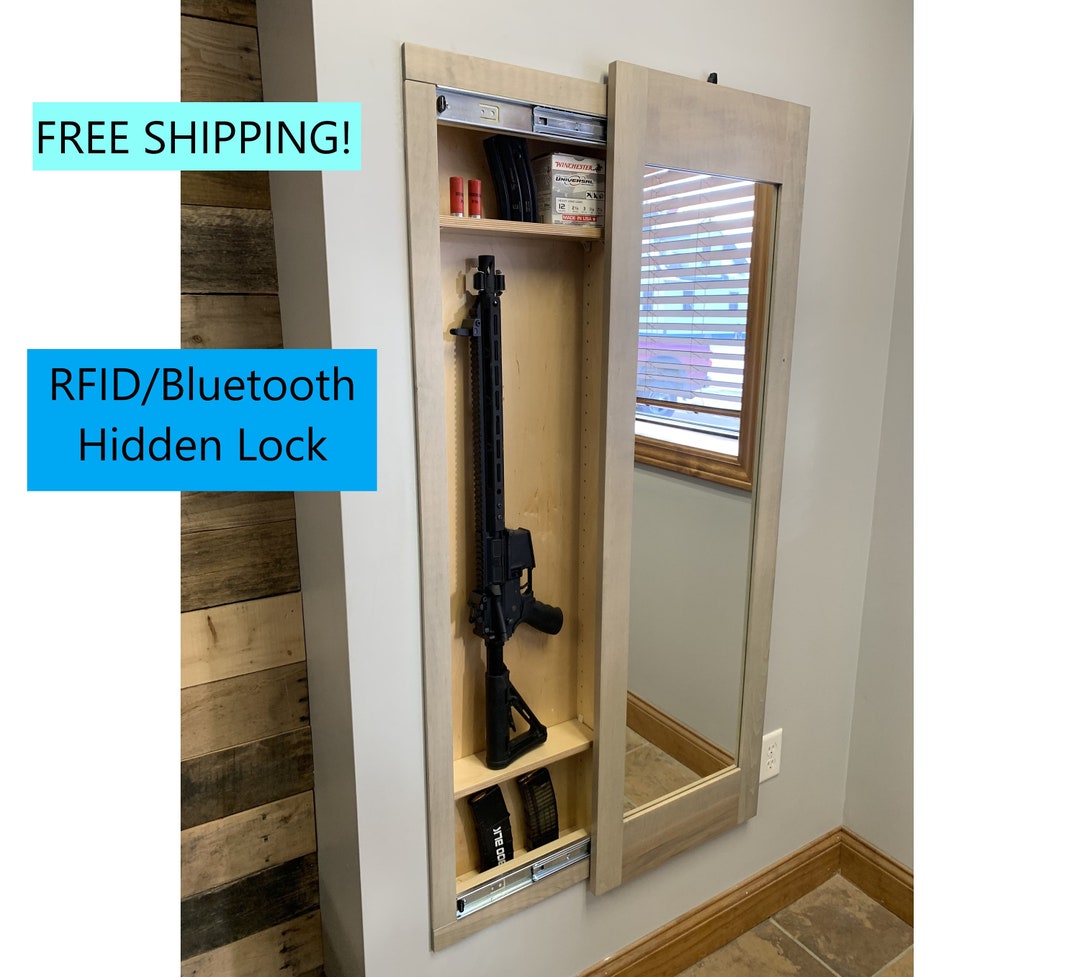
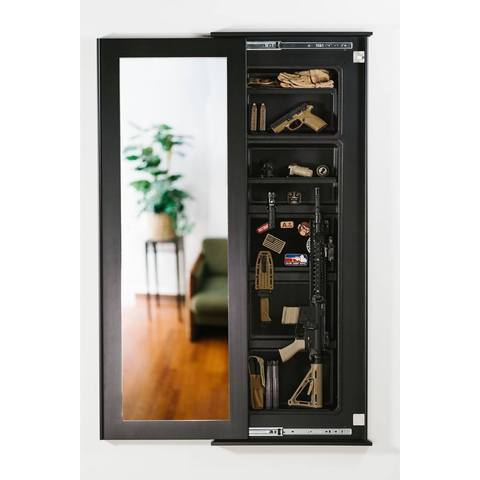
Custom paneling blends the safe into your wall perfectly. Panels match the wall’s color and texture. They create a seamless look that hides the safe well. Some panels open like doors for easy entry. This option offers strong security and great disguise.
Maintenance And Safety Checks
Hiding a rifle safe in a wall keeps your firearms secure and out of sight. Maintenance and safety checks ensure the safe stays functional and reliable. Regular care helps avoid damage and keeps your guns protected. This section covers key steps to maintain your hidden rifle safe.
Regular Inspection Tips
Check the safe’s lock and hinges often. Make sure the door opens and closes smoothly. Look for any signs of wear or damage. Test the locking mechanism every few weeks. Keep the interior clean and free from dust. Check the wall around the safe for cracks or moisture.
Preventing Moisture And Rust
Moisture can cause rust and damage your safe and guns. Use a dehumidifier or moisture absorber inside the safe. Keep the safe in a dry part of the wall. Wipe down guns before storing them to remove oils or dirt. Inspect the safe regularly for any signs of rust. Treat any rust spots quickly to stop spreading.
Updating Security Features
Security technology changes over time. Upgrade your safe’s lock if possible. Consider electronic locks with updated codes. Change codes regularly to keep access secure. Check for firmware updates if your safe has digital parts. Replace batteries on electronic locks before they run out. Keep spare keys in a safe place outside the wall.
Legal Considerations For Rifle Storage
Storing a rifle safely is not just about convenience. It also involves legal rules. Understanding these rules protects you and others. Knowing the law helps avoid fines or worse problems. Always check the laws before hiding a rifle safe in a wall.
Local Laws And Regulations
Every place has its own rules about gun storage. Some areas require rifles to be locked at all times. Others may need special safes or storage methods. You must follow these rules exactly. Ignorance of the law is not a valid excuse.
Check with your local police or government office. They provide clear information on what is legal. Some laws also control where you can put a rifle safe. A wall safe might be allowed in one area but not another.
Safe Storage Requirements
Safe storage means preventing unauthorized access. This protects children and others from harm. Many laws state rifles must be stored in a locked safe or cabinet. The safe should be strong and hard to open without a key or code.
The safe must be fixed or hidden to stop easy removal. Some rules ask for specific materials or thickness for the safe. Always use a safe that meets or exceeds legal standards. This reduces the chance of accidents or theft.
Liability And Responsibility
Owning a rifle carries serious responsibility. You are legally liable if someone gets hurt due to poor storage. This includes accidents, theft, or misuse of the firearm. Proper storage shows you acted with care and caution.
Neglecting safe storage can lead to legal charges and financial penalties. Keeping your rifle secure helps protect your family and community. Always act responsibly and follow the law fully.
Frequently Asked Questions
Can You Install A Rifle Safe Inside A Wall?
Yes, you can install a rifle safe inside a wall. It requires building a strong, reinforced cavity. Proper measurements and secure mounting are essential for safety and stability.
What Types Of Walls Suit Rifle Safe Installation?
Load-bearing walls or solid studs work best for rifle safe installation. Avoid drywall-only walls, as they lack strength to support heavy safes securely.
How Do You Conceal A Rifle Safe In A Wall?
You can conceal a rifle safe with drywall, paneling, or a hidden door. Camouflage techniques help maintain room aesthetics and prevent easy detection.
Is A Wall-mounted Rifle Safe Secure Enough?
A wall-mounted rifle safe is secure if properly installed. Use strong anchors and consider reinforced walls for maximum protection against theft or tampering.
Conclusion
Hiding a rifle safe in a wall can save space and add security. Choose a strong, hidden spot that is easy for you to access. Make sure the safe fits well and is properly installed. Think about safety and local laws before starting.
A wall safe keeps your rifle protected from theft and damage. It also keeps your home neat and organized. With careful planning, you can create a safe, hidden storage space. This helps keep your firearms secure and your mind at ease.