Are you worried about your rifle safe getting damaged during a move? You’re not alone.
Moving heavy and bulky items like rifle safes can feel risky. You want to protect your valuable firearms and keep your safe intact. But how likely is damage really? And what can you do to prevent it? Keep reading to discover the truth about moving rifle safes and learn simple steps that can save you from costly repairs or loss.
Your peace of mind starts here.
Risks To Rifle Safes In Transit
Transporting rifle safes poses several risks. These safes are heavy and bulky. Moving them requires care to avoid damage. Even small mistakes can cause harm. Understanding the common risks helps protect your safe during transit.
Common Damage Types
Scratches and dents often occur during moves. The safe’s exterior can get scratched by walls or objects. Dents happen from bumps or falls. Locks and hinges may also get damaged. These parts are delicate and need special attention.
Impact Of Rough Handling
Dropping or dragging the safe can cause serious damage. Rough handling may misalign doors or locks. Internal shelves and padding can break or shift. The safe may lose its protective features. Careful lifting and steady movement reduce these risks.
Environmental Factors
Weather conditions affect rifle safes in transit. Moisture can cause rust on metal parts. Extreme heat may warp components or damage electronics. Cold temperatures can make locks stiff or brittle. Keeping the safe dry and temperature-controlled is important.
Preparation Before Moving
Preparing your rifle safe before moving is crucial to avoid damage. Proper preparation keeps your safe and its contents secure. Follow these steps carefully to protect your investment during transit.
Emptying And Securing Contents
Remove all firearms and valuables from the safe. Store them separately in a secure place. This reduces weight and prevents items from shifting inside. Lock the safe empty to avoid damage to locks and hinges.
Locking Mechanisms Check
Test all locks and bolts before moving. Make sure they work smoothly and fully engage. Tighten loose parts to prevent rattling or opening. A locked safe is less likely to get damaged during transport.
Protective Padding And Wrapping
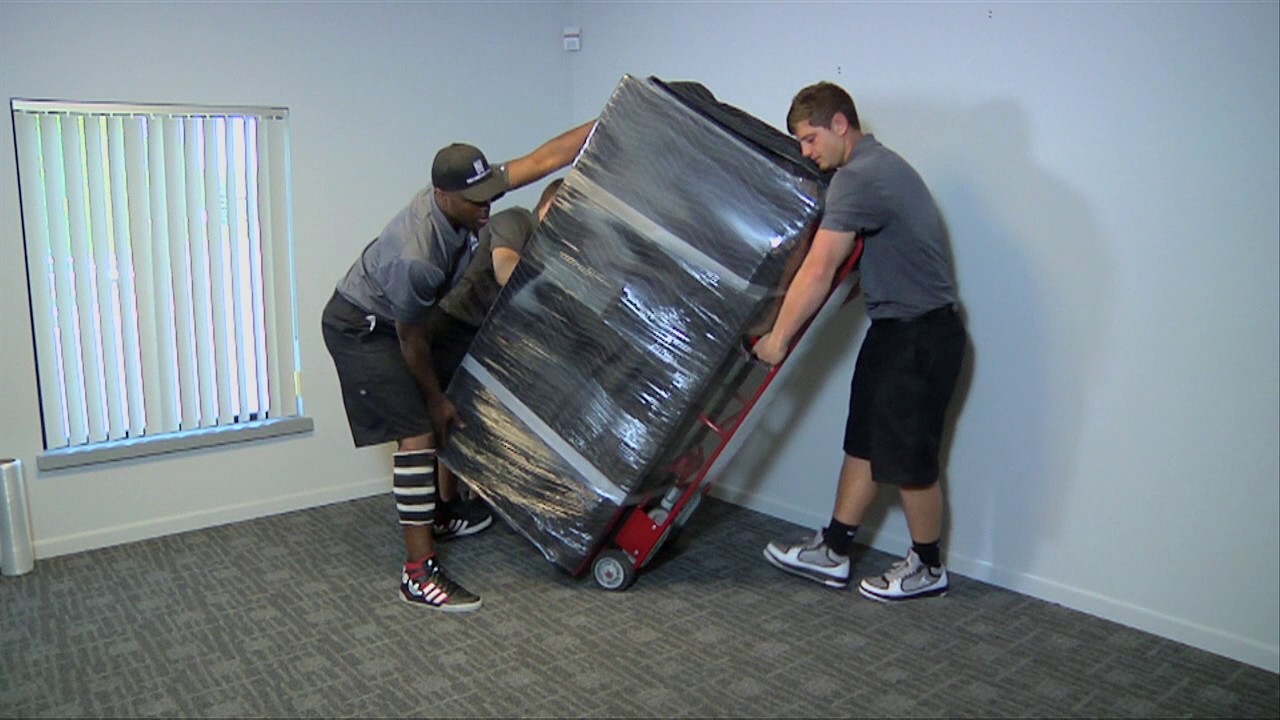
Wrap the safe in moving blankets or bubble wrap. Cushion corners and edges with extra padding. Use straps to secure the safe in the moving vehicle. Padding absorbs shocks and prevents scratches and dents.
Safe Moving Techniques
Moving a rifle safe requires careful planning. Safe moving techniques prevent damage to the safe and your home. Use the right tools and methods to protect your investment. Follow these steps for a smooth, safe move.
Proper Lifting Methods
Always lift with your legs, not your back. Keep your back straight and bend your knees. Hold the safe close to your body for balance. Avoid twisting your body while lifting or carrying. Use a team of at least two people. This reduces strain and lowers the risk of dropping the safe.
Using Dollies And Straps
A heavy-duty dolly makes moving easier and safer. Secure the safe tightly with strong straps. Wrap straps around the safe to prevent slipping. Check the dolly’s wheels for smooth movement. Use ramps to move the safe over steps or curbs. This method reduces the chance of scratches and dents.
Transport Vehicle Considerations
Choose a vehicle with enough space for your safe. Place the safe on a flat, stable surface inside the vehicle. Use padding around the safe to absorb shocks. Secure the safe with straps to stop it from moving. Drive carefully to avoid sudden stops or sharp turns. This keeps the safe stable during transit.
Post-move Inspection
After moving a rifle safe, it is important to inspect it carefully. Moving can cause unseen damage. A post-move inspection helps spot any problems early. This keeps your safe secure and working properly.
Checking For Structural Damage
Look at the safe’s body for dents or scratches. Check the corners and edges closely. Even small dents can affect its strength. Open the door fully to see inside. Check the shelves and interior walls for cracks. Make sure the safe sits flat on the floor. Unevenness can cause long-term damage.
Testing Locks And Electronics
Try opening and closing the lock several times. For electronic locks, enter your code carefully. Listen for unusual sounds or delays. Check battery levels and replace if needed. Test any backup keys or manual override features. All parts must work smoothly for safety.
Addressing Any Issues
Note any problems found during the inspection. Contact the manufacturer or a locksmith for advice. Minor scratches can be fixed with touch-up paint. Dents may need professional repair. Replace batteries or parts that don’t work. Do not ignore issues; they can worsen over time.
Professional Moving Services
Moving a rifle safe is a tough job. It is heavy and hard to carry. Professional moving services have experience with heavy and delicate items. They use the right tools and methods to keep your safe from damage. Choosing these services can protect your valuable items during a move.
Benefits Of Expert Movers
Expert movers know how to handle heavy safes carefully. They use equipment like dollies and straps to move the safe safely. Their experience helps avoid scratches and dents. Expert movers also save time and reduce your stress during moving.
Choosing Specialized Movers
Some movers focus on heavy or secure items like rifle safes. These specialists understand the weight and locking mechanisms. They know how to protect the safe’s contents and structure. Choosing specialized movers lowers the risk of damage during transport.
Cost Vs. Safety
Professional moving services may cost more than doing it yourself. But paying for experts reduces the risk of damage or injury. Repairing a damaged safe can be expensive. Investing in safety and care can save money in the long run.
Storage Tips After Moving
After moving, storing your rifle safe correctly is very important. Proper storage keeps your safe in good shape and protects your firearms. Follow these tips to make sure your safe stays secure and works well over time.
Optimal Placement
Place your rifle safe on a flat, stable surface. Avoid damp or humid rooms like basements or garages. Choose a spot with good air circulation. Keep it away from direct sunlight and heat sources. This prevents damage to the safe and its contents.
Maintaining Safe Conditions
Control the room temperature to avoid moisture buildup. Use a dehumidifier or moisture absorber inside the safe. This stops rust and mold from forming. Keep the safe door closed tightly at all times. This helps keep dust and humidity out.
Regular Maintenance
Check your rifle safe regularly for signs of damage or wear. Clean the exterior with a soft cloth and mild cleaner. Lubricate the locking mechanism as recommended by the manufacturer. Test the lock and hinges often to ensure smooth operation.
Frequently Asked Questions
Can Rifle Safes Get Damaged During Moving?
Yes, rifle safes can get damaged if not handled properly. Heavy weight and rough handling increase damage risk. Proper packing and securing are essential to prevent dents, scratches, or lock damage during transport.
How To Protect Rifle Safes During Relocation?
Use padding like blankets or foam around the safe. Secure it inside the moving vehicle to prevent shifting. Avoid dragging the safe to protect its base and locking mechanism.
Does The Weight Of A Rifle Safe Affect Moving Safety?
Yes, heavier safes are harder to move and more prone to damage if dropped. Use proper equipment like dollies and multiple movers for safe handling.
What Common Damages Occur To Rifle Safes In Moving?
Common issues include scratches, dents, broken locks, and internal damage to shelves. Improper handling and inadequate padding are primary causes.
Conclusion
Rifle safes can handle moving if packed well. Use padding to protect corners and locks. Secure the safe inside the moving vehicle tightly. Avoid dropping or dragging the safe during transport. Small scratches might happen but do not harm function.
Taking care during the move saves repair costs later. Proper planning makes the move safer for your safe. Keep your rifles and safe secure for peace of mind. Moving does not have to damage your rifle safe.