If you own a rifle, keeping it safe is probably one of your top priorities. But have you ever wondered where the safest place to put a rifle safe really is?
Choosing the right spot can protect your firearm from theft, accidents, and even damage. You’ll discover simple yet powerful tips to help you pick the perfect location for your rifle safe. By the end, you’ll feel confident that your rifle is secure and out of harm’s way.
Keep reading to find the best hiding spots and safety strategies you might not have thought about before.
Choosing A Secure Location
Choosing a secure location for your rifle safe is critical. The right spot protects your firearms from theft, damage, and unauthorized access. This choice requires thought and planning. Security depends on more than just locking the safe. The environment and placement matter just as much. Pick a location that blends safety with convenience. It must be accessible to you but hidden from others.
Factors Influencing Safety
Several factors affect how safe your rifle safe will be. Look for places that are out of sight. A concealed spot lowers the chance of burglary. Consider areas with limited access, like a locked room. Avoid places with high moisture to prevent rust and damage. Temperature and humidity control helps maintain your firearms. Strong flooring supports the heavy weight of the safe. Think about how fast you can reach your safe in an emergency. Lighting should be dim or absent to keep the safe unnoticed. These factors combine to keep your rifles secure and in good condition.
Avoiding Common Mistakes
Placing the safe in obvious spots is a big mistake. Avoid bedrooms or living rooms where guests often visit. Don’t put the safe in the garage or basement without protection. These spots can be easy targets and prone to moisture. Avoid hiding safes behind curtains or under beds. Thieves know these common hiding places well. Not securing the safe to the floor or wall is risky. A safe that can be moved is not secure. Also, don’t neglect regular maintenance. Check the lock and hinges to ensure they work perfectly. Small errors reduce your safe’s protection significantly.
Best Spots Inside The Home
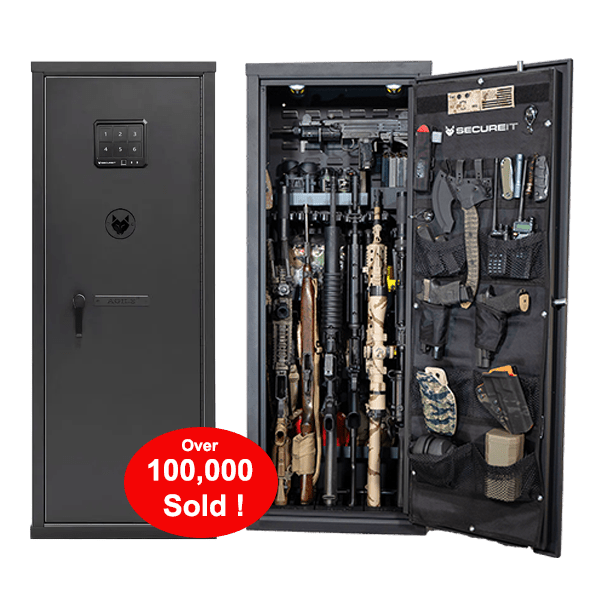
Choosing the best spot inside your home to place a rifle safe is key for security. The right location protects your firearms from theft and unauthorized access. It also keeps them safe from fire or damage. Some places blend security with convenience, making them ideal for a rifle safe.
Here are some of the best spots to consider for your rifle safe inside the home.
Hidden Closets And Cabinets
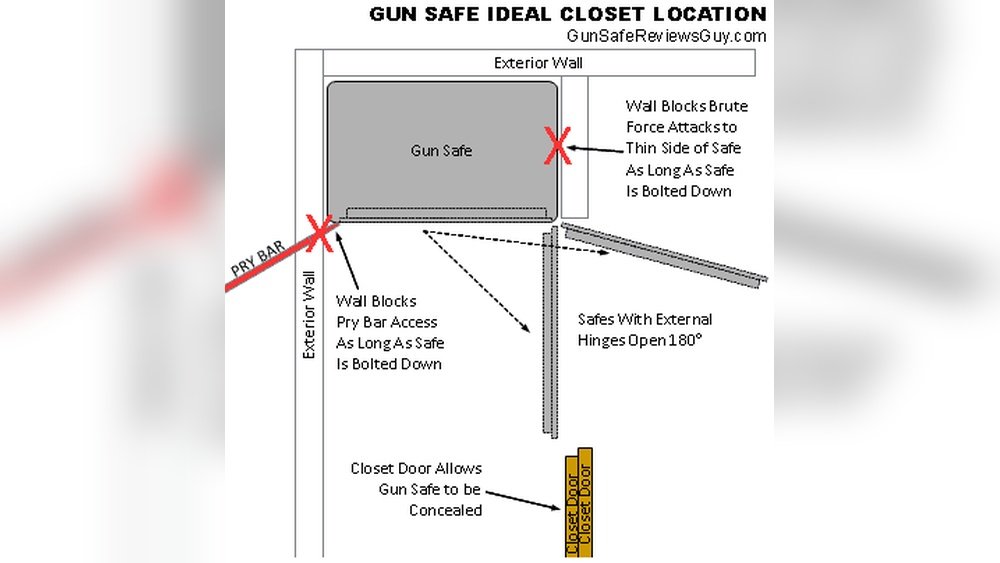
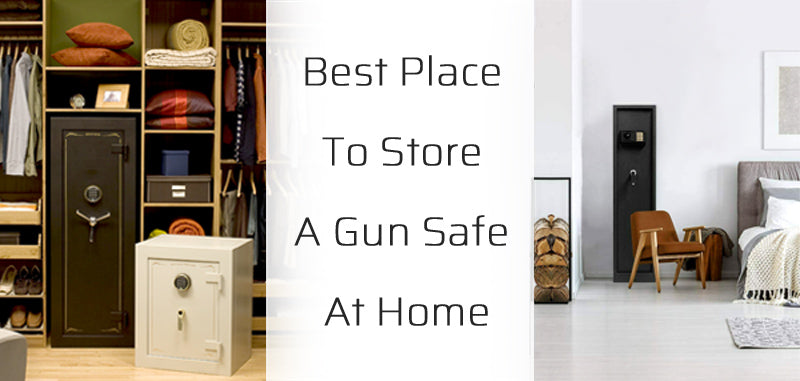
Closets and cabinets out of plain sight offer a discreet place for a rifle safe. These areas can be locked and secured easily. Using a closet with a solid door adds an extra layer of protection. The less obvious the spot, the harder it is for intruders to find.
Basements And Cellars
Basements and cellars provide a secure, low-traffic area for a rifle safe. These spaces are often cooler and drier, protecting guns from moisture. A safe placed here stays out of daily view. It is less likely to attract attention from visitors or burglars.
Underfloor Safes
Underfloor safes are built into the floor, making them nearly invisible. This option keeps your rifle safe hidden but easily accessible. Installation requires some work but offers excellent security. It is a great choice for homes with solid flooring.
Behind False Walls
False walls create secret compartments for a rifle safe. This spot keeps guns hidden behind what looks like a normal wall. It adds a strong layer of camouflage and protection. Only you know the secret, keeping your firearms safe from intruders.
Secure Outdoor Options
Storing a rifle safe outdoors can be risky but possible with the right options. Secure outdoor locations keep your firearms protected from theft and weather damage. Choosing the right spot matters for safety and convenience. Here are some safe outdoor choices for your rifle safe.
Buried Safes
Buried safes offer excellent protection from theft. You hide the safe underground, making it hard to find. These safes need to be waterproof and rustproof. Proper sealing prevents moisture from damaging your rifles. Digging a secure hole and covering it well helps keep your safe safe. Use a strong lock and heavy-duty materials for extra security.
Garage Safes
Garages provide a sheltered outdoor space for rifle safes. They protect your safe from rain, sun, and wind. A garage safe should be anchored to the floor or wall. This stops thieves from carrying it away. Choose a dry and well-ventilated spot inside the garage. Keep the area clean to avoid rust and damage.
Shed Storage
Sheds make a good outdoor option for rifle safes. They offer protection from weather and prying eyes. Use a lockable shed with sturdy doors and windows. Place the rifle safe on a raised platform to avoid ground moisture. Regularly check for pests or leaks to keep your safe secure. Adding a security alarm can improve safety.
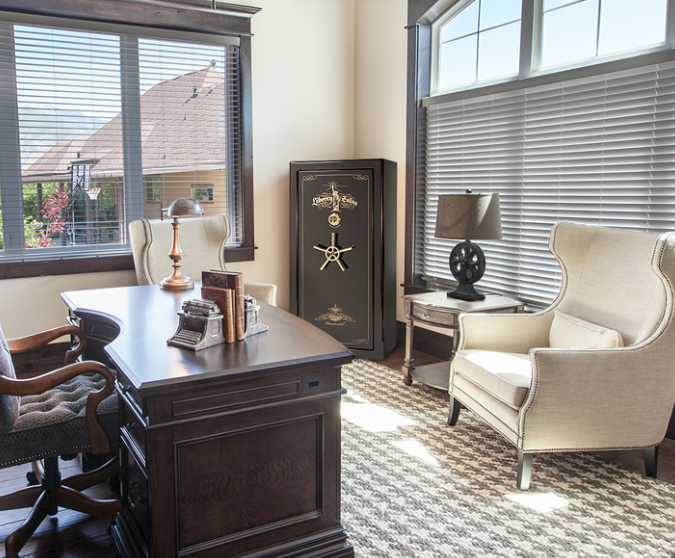
Using Technology For Added Security
Using technology adds a strong layer of security to your rifle safe. It helps protect your firearms from theft or unauthorized use. Technology makes it easier to monitor and control access. It gives peace of mind knowing your safe is well-guarded.
Alarm Systems
Alarm systems alert you immediately if someone tries to open the safe. Sensors detect movement or forced entry. The alarm sounds loudly to scare off intruders. Some alarms send notifications to your phone for quick response. Installing an alarm makes your rifle safe harder to breach.
Surveillance Cameras
Surveillance cameras keep a close watch on the safe area. They record video footage day and night. Cameras act as a strong visual deterrent to thieves. You can check live feeds from your phone or computer. Video proof helps identify intruders if a break-in occurs.
Smart Locks
Smart locks use digital codes or biometrics for safe access. They replace traditional keys with modern technology. You can change codes remotely if needed. Some locks log every time the safe is opened. Smart locks limit access to only trusted users.
Safety Tips For Accessibility
Placing a rifle safe requires careful thought about both safety and access. The safe must protect your firearms from unauthorized use. At the same time, you need quick access during emergencies. Finding the right balance is key to responsible gun ownership.
These tips help you keep your rifle safe secure yet easy to reach when needed. Prioritize both protection and convenience to keep your home safe.
Balancing Security And Convenience
Choose a spot that limits access to children and intruders. Avoid obvious places like closets or bedrooms that guests enter often. Keep the safe hidden but not impossible to reach.
Use a lock system that is strong but easy for you to open quickly. Electronic locks with backup keys work well. Avoid complicated locks that slow your access.
Place the safe in a sturdy area, like a basement or a wall with solid support. Avoid damp or unstable areas to protect your firearms and safe mechanism.
Emergency Access Plans
Plan how you will get to your rifle safe during an emergency. Practice opening the safe under stress to build confidence. Make sure family members who need access know the code or key location.
Keep spare keys or codes in secure but easy-to-find spots. Avoid hiding them in predictable places like under mats or in drawers.
Consider placing the safe near an exit or a main living area. This location helps you reach it fast without moving through locked doors or obstacles.
Legal Considerations
Legal considerations play a key role in deciding where to place a rifle safe. Laws about firearm storage vary by location. Knowing these rules helps keep you safe and avoid penalties. It is important to follow all local laws and regulations regarding firearm safety.
Local Regulations
Every area has its own rules about storing rifles. Some places require safes to be locked at all times. Others may ask that guns be stored separately from ammunition. Check with local law enforcement or government websites. They provide clear guidance on safe firearm storage. Ignoring local laws can lead to fines or legal trouble.
Safe Storage Requirements
Many laws define what counts as safe storage. A strong, lockable safe is often required. The safe should be sturdy and hard to move. Some rules demand safes be bolted to the floor or wall. These steps help prevent theft or accidents. Always keep the safe locked when not in use. Proper storage protects children and unauthorized users from harm.
Frequently Asked Questions
Where Is The Safest Room For A Rifle Safe?
The safest room is a secure, hidden area with limited access. Basements or closets with reinforced walls work well. Choose a dry, cool spot to protect your rifle and safe from damage or theft.
Should A Rifle Safe Be Bolted To The Floor?
Yes, bolting your rifle safe to the floor adds security. It prevents thieves from easily removing the safe. Use heavy-duty anchors and ensure the floor is strong enough to hold the safe firmly.
Is It Better To Hide Or Openly Place A Rifle Safe?
Hiding a rifle safe increases security by reducing visibility. Place it behind furniture, inside closets, or in concealed compartments. Open placement makes it an easier target for burglars. Choose concealment for added protection.
How Does Climate Affect Rifle Safe Placement?
Humidity and temperature can damage firearms and safe components. Place your rifle safe in a climate-controlled area to prevent rust and corrosion. Avoid damp basements or hot attics without proper ventilation or dehumidifiers.
Conclusion
Choosing the safest place for your rifle safe protects your family and belongings. A hidden spot inside your home works best. Avoid obvious places like the bedroom or living room. Think about a locked closet, basement, or a concealed wall space.
Make sure the area stays dry and secure from fire or theft. Regularly check your safe’s lock and condition. Safety starts with smart placement and good habits. Keep your firearms away from children and unauthorized users. A well-placed rifle safe gives you peace of mind every day.