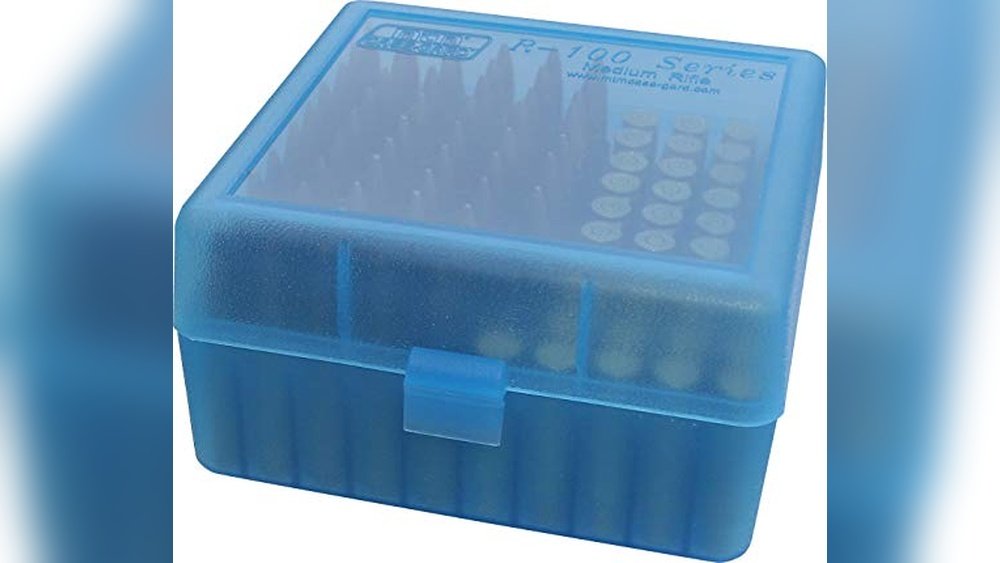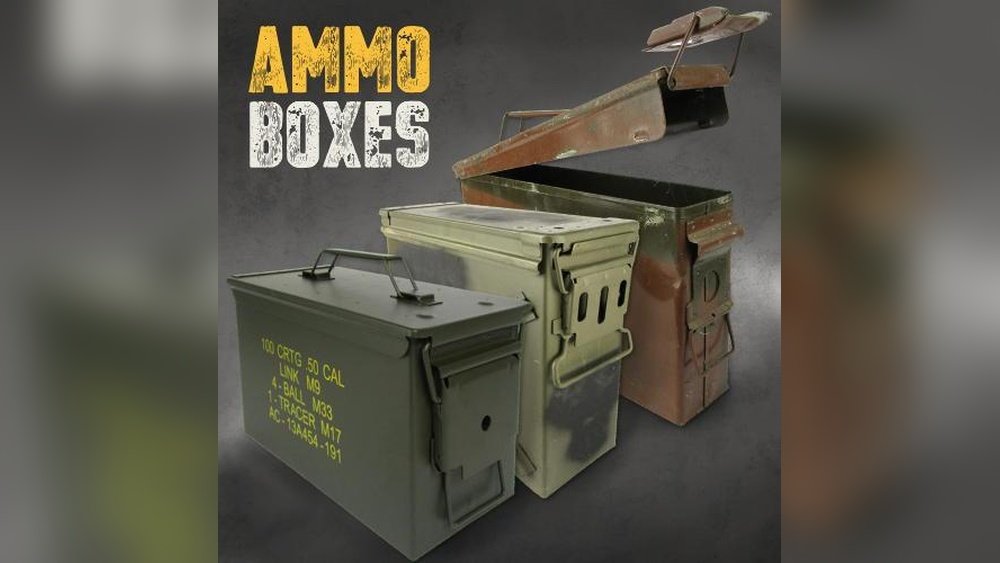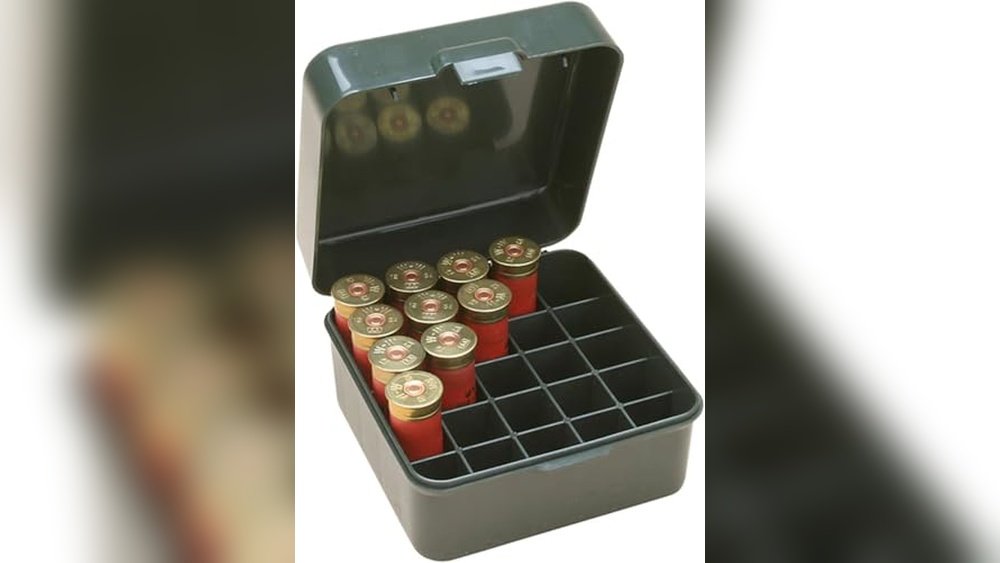
If you own ammo, you know how important it is to keep it safe and reliable. But what happens when you have to store your ammo in humid conditions?
Moisture can damage your ammunition, causing it to misfire or even become dangerous. You might be wondering how to protect your ammo from humidity without spending a fortune or taking up too much space. This article will show you simple, effective ways to store your ammo so it stays dry, safe, and ready when you need it most.
Keep reading to learn how to guard your investment and ensure your ammo performs perfectly every time.
Challenges Of Humid Ammo Storage
Storing ammunition in humid conditions poses several risks. Moisture can affect the ammo’s safety and performance. Humidity causes corrosion and weakens the cartridge components.
Ammo stored in damp places may become unreliable. This can lead to misfires or failure to ignite. Proper storage methods are necessary to keep ammo safe and functional.
Effects Of Moisture On Ammunition
Moisture can cause metal parts of ammo to rust. Rust damages the bullet, casing, and primer. It can also cause the gunpowder to clump and lose power.
Water inside the cartridge can stop the primer from firing. This leads to dangerous misfires or no shot at all. Humid air can also break down chemicals in the ammo.
Common Signs Of Ammo Deterioration
Look for rust or discoloration on the cartridge case. Swollen or softened casings may mean moisture damage. Bullets that look dull or have surface cracks need attention.
Ammo that smells musty or shows powder clumps is unsafe. Sticky or loose primers can cause misfires. Regular checks help spot problems early and prevent accidents.
Choosing The Right Storage Containers
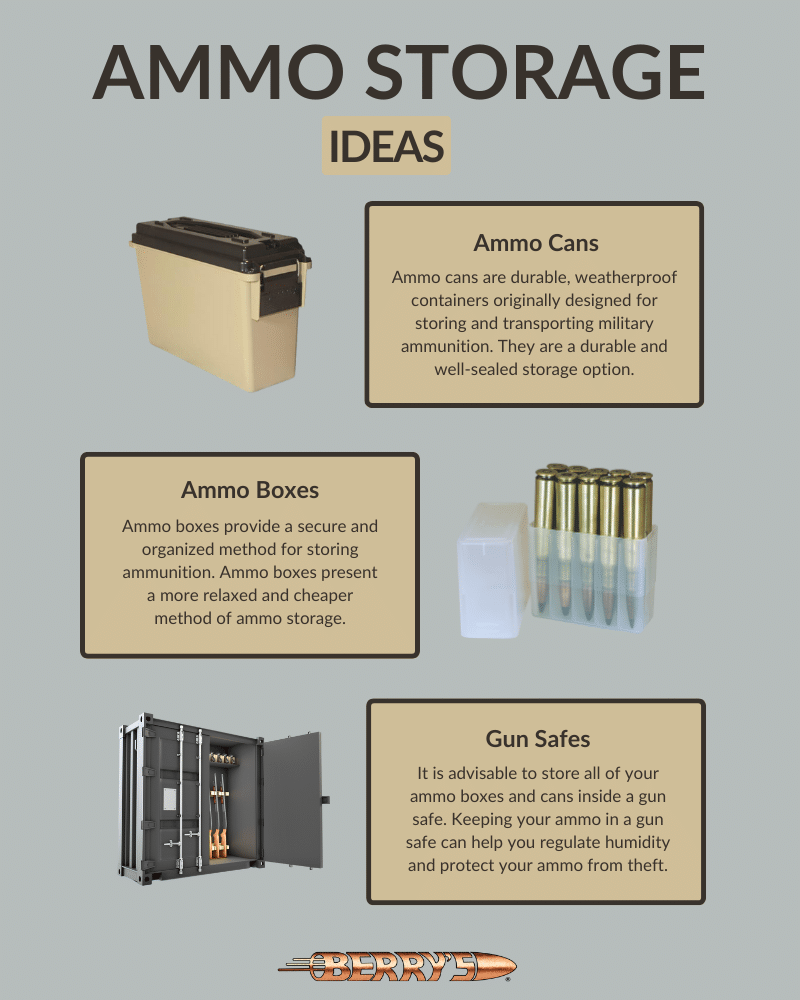
Choosing the right storage containers is key for keeping ammo safe in humid places. Moisture harms the metal and powder inside bullets. It causes rust and can make ammo unusable. Good containers protect ammo from air and water. They keep it dry and fresh for longer periods.
Not all containers work well in damp conditions. Some let air and moisture in, which damages ammo. Others are made to block humidity and keep the environment inside dry. Selecting the right container helps avoid problems like corrosion and misfires.
Benefits Of Airtight Containers
Airtight containers stop air from entering and leaving. This means no moisture gets inside to cause rust. They keep ammo dry and stable. Airtight seals prevent dirt and dust from getting in too.
These containers reduce the chance of corrosion. Ammo lasts longer and stays reliable. They are easy to store and carry. Many are compact and stackable for space-saving.
Materials That Resist Humidity
Containers made from plastic and metal often resist humidity well. Plastic containers do not rust and block moisture. Metal containers with special coatings resist corrosion better.
Look for containers with rubber or silicone seals. These materials help keep moisture out. Some have desiccant packs inside to absorb any dampness. This extra step helps maintain dry conditions for ammo.
Controlling Humidity Levels
Controlling humidity levels is key to keeping ammo safe and reliable. Ammo can absorb moisture from the air, which may cause corrosion and reduce its performance. Managing humidity prevents damage and extends the life of your ammunition.
Using Desiccants And Dehumidifiers
Desiccants absorb moisture from the air around your ammo. Common types include silica gel packs and clay-based packets. Place them inside ammo storage containers for best results. Replace desiccants regularly to keep them effective.
Dehumidifiers remove water vapor from the air in larger storage spaces. Electric dehumidifiers work well in basements or gun safes. Use a hygrometer to monitor humidity and adjust the dehumidifier settings as needed. This keeps the air dry and protects your ammo.
Ideal Humidity Range For Ammo
The best humidity range for ammo storage is between 30% and 50%. Below 30%, the air is too dry and may cause primers to crack. Above 50%, moisture can build up and cause rust or corrosion. Maintaining this balance keeps your ammo in good condition for longer periods.
Proper Storage Environment
Creating the right environment for storing ammo is very important. Moisture and heat can damage ammunition. A stable place keeps ammo safe and ready to use. Proper storage stops rust, corrosion, and other issues. This section explains key points for a good storage environment.
Temperature Considerations
Keep ammo in a cool, steady temperature. Avoid places with big temperature changes. Heat can cause the powder inside to break down. Cold can make some parts brittle. Aim for a temperature between 50°F and 70°F (10°C to 21°C). This range helps ammo last longer and stay safe.
Avoiding Direct Sunlight And Heat Sources
Never store ammo where sunlight hits it directly. Sunlight raises temperature and adds moisture. Keep ammo away from heaters, stoves, and other heat sources. Heat can make ammo unstable or even dangerous. Find a dark, dry spot to protect your ammunition well.
Regular Inspection And Maintenance
Regular inspection and maintenance keep your ammo safe and ready to use. Humid conditions can damage bullets and casings over time. Checking ammo often helps catch problems early. Small issues can become big risks without care.
Inspecting ammo also extends its life. Cleaning prevents rust and dirt buildup. Simple steps protect your investment and ensure reliability. Consistent care reduces the chance of misfires or damage.
How To Check Ammo For Damage
Look closely at each bullet. Check for rust, corrosion, or discoloration. Examine the casing for dents or cracks. Bullets with visible damage should be discarded. Smell the ammo; a strong odor can mean corrosion inside. Test a few rounds by gently tapping them. Listen for loose powder or parts.
Cleaning And Care Tips
Use a soft cloth to wipe ammo surfaces. Avoid harsh chemicals that can harm metal or powder. Store ammo in sealed containers with desiccants to absorb moisture. Keep storage areas dry and cool. Rotate stock regularly to use older ammo first. Handle ammo with clean, dry hands to prevent oils or moisture transfer.
Safety Precautions In Humid Storage
Storing ammunition in humid places can cause many risks. Moisture can damage ammo and make it unsafe to use. Taking safety steps helps protect your ammo and yourself. Proper care lowers the chance of accidents and keeps your rounds reliable.
Knowing how to handle ammo in damp conditions is very important. You should also be ready to act fast if rounds get damaged. These safety tips help you manage ammo safely in humid storage.
Handling Damp Ammo Safely
Wear gloves to avoid direct contact with wet ammo. Moisture can cause corrosion or powder damage. Do not use ammo that looks rusty or swollen. Keep damp rounds away from heat or flames. Dry the ammo slowly in a cool, dry place. Avoid using forced heat like hair dryers or ovens. Store dried ammo in sealed containers with moisture absorbers. Check ammo regularly for signs of damage or rust. Proper handling reduces the risk of misfires and accidents.
Emergency Steps For Compromised Rounds
If you find damaged ammo, do not try to fire it. Move it to a safe, isolated area. Contact local authorities or a firearms expert for disposal advice. Do not throw damaged rounds in trash or water. Keep people and pets away from the area. Mark the location clearly to prevent accidental use. Follow official guidelines for safe disposal of ammo. Acting quickly protects everyone from harm.

Frequently Asked Questions
How Does Humidity Affect Ammo Storage Safety?
High humidity causes moisture buildup, leading to corrosion and degradation of ammo components. Proper storage reduces rust risk and preserves ammunition reliability.
What Is The Best Container For Ammo In Humid Areas?
Use airtight, waterproof containers with desiccants. Ammo cans or sealed plastic boxes with silica gel packs prevent moisture exposure effectively.
Can Silica Gel Packs Protect Ammo From Humidity?
Yes, silica gel packs absorb moisture inside storage containers. Regularly replace or recharge them to maintain optimal dryness and protect ammunition.
How Often Should Ammo Be Checked In Humid Conditions?
Inspect ammo every 3 to 6 months for corrosion or damage. Early detection helps maintain ammo performance and safety.
Conclusion
Storing ammo in humid places needs care and good habits. Keep ammo dry to stop rust and damage. Use airtight containers and moisture absorbers. Check your ammo often to catch problems early. A little effort keeps ammo safe and ready.
Protect your investment with simple, smart steps. Safe storage means better performance and longer life. Remember, dry ammo works best every time.