Are you concerned about keeping your rifles safe and secure? Understanding how a rifle safe works is the first step to protecting your valuable firearms from theft, damage, or accidental access.
Imagine having peace of mind knowing your rifles are locked away, yet easy for you to access when needed. You’ll discover the simple but effective mechanisms behind rifle safes and why choosing the right one matters for your safety and convenience.
Keep reading to learn how you can safeguard your firearms without hassle.
Types Of Rifle Safes
Rifle safes come in different types to suit various security needs. Choosing the right safe depends on how fast and easy you want to access your rifles. Each type uses a unique locking system to keep guns secure from unauthorized access.
Understanding the main types of rifle safes helps you pick the best option. Here are the three most common types of safes for rifles.
Biometric Safes
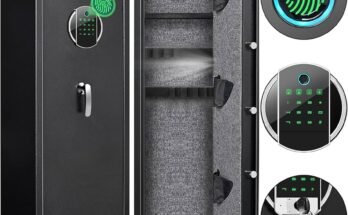
Biometric safes use fingerprint scanners to open. This method lets only registered users unlock the safe. It is quick and very secure. No need to remember codes or carry keys. Perfect for fast access during emergencies.
Electronic Keypad Safes
Electronic keypad safes open by entering a numeric code. Users can set and change the code easily. These safes offer good security and fast access. They often have backup keys in case of power failure. Ideal for people who want simple code access.
Mechanical Dial Safes
Mechanical dial safes use a rotating dial to enter a combination. They do not need batteries or power. This type is very reliable and hard to hack. It takes a bit longer to open but is very secure. Great for those who prefer traditional locking systems.
Core Security Features
Rifle safes protect your firearms from theft, damage, and accidents. They use strong features that keep guns secure and safe. Understanding these core security features helps you choose the best safe for your needs.
Locking Mechanisms
Locking systems control access to the safe’s contents. Common types include mechanical dials, electronic keypads, and biometric scanners. Each type offers different levels of speed and security. A good locking mechanism prevents unauthorized entry. Some safes use multiple locks for extra protection.
Solid Steel Construction
The body of a rifle safe is made from thick steel. This heavy metal resists drilling and cutting attempts. Steel walls protect firearms from physical attacks. Strong hinges and bolts keep the door tightly closed. Quality steel construction increases the safe’s durability and lifespan.
Fire And Water Resistance
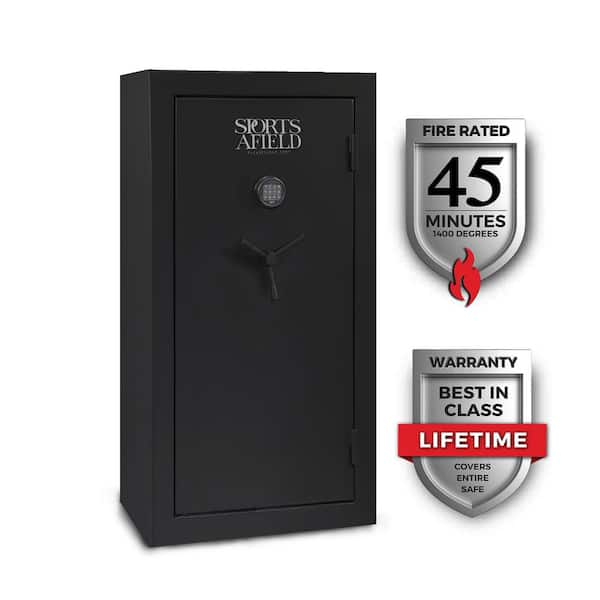
Many rifle safes offer protection against fire and water damage. Fire-resistant safes use special materials to keep heat out. They can protect guns and ammo during a fire for a set time. Water resistance helps prevent damage from floods or leaks. These features add an extra layer of security for your valuables.
Access Control Methods
Rifle safes use different ways to control who can open them. These methods keep guns safe and stop unauthorized use. Access control is important for safety and quick access.
Keypad Entry
A keypad lets you open the safe with a number code. You press the numbers in a set order. Only people who know the code can open it. Codes can be changed easily for better security. This method is fast and does not need keys.
Fingerprint Recognition
Fingerprint scanners read your unique finger pattern. The safe opens only for registered fingerprints. This method is very secure and quick. No need to remember codes or carry keys. It works well for families or groups.
Traditional Key Lock
This old method uses a metal key to open the safe. It is simple and reliable. Keys can be lost or copied, so keep them safe. Many safes combine this with other methods for extra security.
Internal Storage Design
The internal storage design of a rifle safe plays a key role in keeping firearms secure and organized. It helps protect rifles from damage and makes access quick and easy. A well-planned interior allows safe owners to store guns, ammunition, and accessories neatly in one place.
Different safes offer various storage options. These options improve safety and efficiency. Let’s look at some common features inside a rifle safe.
Rifle Racks And Holders
Rifle racks hold guns upright and prevent them from falling. They keep rifles separated to avoid scratches and dents. Soft padding on racks protects gun finishes. Some racks can fit different gun sizes and shapes. This makes the safe more versatile for multiple firearms.
Adjustable Shelving
Adjustable shelves let users customize the storage space. Shelves can be moved or removed to fit larger items. This flexibility helps store scopes, binoculars, or cleaning kits. It also keeps the safe neat and clutter-free. Proper shelving supports the weight of heavy equipment safely.
Ammo Storage Compartments
Ammo compartments store bullets securely and away from rifles. These compartments often have locks or seals for added safety. They help organize different types of ammunition. Keeping ammo separate reduces the risk of accidents. It also makes finding the right ammo faster.
Installation And Placement Tips
Installing a rifle safe correctly is important for security. Proper placement keeps your firearms safe and easy to access. This section covers key tips on installation and where to place your safe.
Anchoring The Safe
Anchor the safe firmly to the floor or wall. Use strong bolts and screws for better security. This prevents thieves from moving or stealing the entire safe. Check the safe’s manual for recommended anchoring points. Use a drill and heavy-duty anchors for concrete or wood surfaces.
Choosing The Right Location
Pick a spot that is dry and stable. Avoid places with high humidity or temperature changes. A closet, basement, or hidden corner works well. Make sure the location is easy for you to reach but hard for others. Think about room size and space around the safe for opening the door.
Concealment Strategies
Hide the safe to keep it out of sight. Use furniture, closets, or false walls to cover it. Avoid obvious spots like bedrooms or living rooms. Camouflage the safe with paint or decorations. Concealment adds an extra layer of protection against theft.
Maintenance And Troubleshooting
Maintaining a rifle safe ensures it works correctly and lasts longer. Troubleshooting helps fix small problems before they grow. Regular care keeps your safe secure and reliable.
Battery Replacement
Most rifle safes use batteries for electronic locks. Replace batteries every 6 to 12 months. Use fresh, high-quality batteries for best results. Low batteries can cause the lock to fail. Always keep spare batteries nearby for emergencies.
Lock Mechanism Care
Clean the lock mechanism regularly to avoid dust buildup. Use a soft brush or cloth for cleaning. Avoid harsh chemicals that can damage the lock. Lubricate moving parts with a light oil once a year. Proper care prevents sticking and keeps the lock smooth.
Common Issues And Fixes
Sometimes the safe may not open or lock properly. Check the battery first if it is unresponsive. Reset the lock system if it freezes or malfunctions. Inspect hinges and bolts for damage or wear. Tighten loose screws to maintain stability. For persistent problems, consult the safe’s manual or a professional.
Legal Considerations
Understanding the legal side of using a rifle safe is very important. Laws about gun storage vary widely across places. Knowing these rules helps keep you safe and law-abiding.
Compliance With Local Laws
Every area has its own gun laws. Some require rifles to be locked in safes. Others have specific rules about who can access guns. Following local laws avoids fines or legal trouble. Check your state and city regulations carefully.
Safe Storage Requirements
Many places demand rifles be stored securely to prevent accidents. A rifle safe often meets these requirements by locking guns away. Some laws specify what type of safe to use. Meeting these rules protects children and unauthorized users.
Liability And Safety
Gun owners can face legal consequences if their rifles cause harm. Proper storage reduces risks of theft or misuse. A safe shows responsible ownership and care. It helps protect families and communities from accidents.
Frequently Asked Questions
How Does A Rifle Safe Secure Firearms?
A rifle safe uses strong steel and advanced locking mechanisms. It prevents unauthorized access and protects guns from theft and damage. Many safes also include fire-resistant features for extra protection.
What Locking Systems Do Rifle Safes Use?
Rifle safes commonly use electronic keypads, biometric scanners, or traditional combination locks. These systems ensure quick access for authorized users while keeping the contents secure from intruders.
Are Rifle Safes Fireproof And Waterproof?
Many rifle safes are designed to be fire-resistant and water-resistant. This protects firearms and valuables from fire damage and moisture, preserving their condition in emergencies.
How Can I Choose The Right Rifle Safe Size?
Select a safe based on the number and size of your firearms. Consider extra space for future acquisitions and additional storage for ammo and accessories.
Conclusion
A rifle safe keeps your firearms secure and protected. It stops unauthorized people from accessing your guns. The locking system works quickly and reliably. Many safes use strong steel and special locks for safety. You can choose from digital, mechanical, or biometric locks.
Proper storage helps prevent accidents and theft. A good safe gives peace of mind for gun owners. Remember, safety is always the top priority. Keep your rifles safe and secure every day.