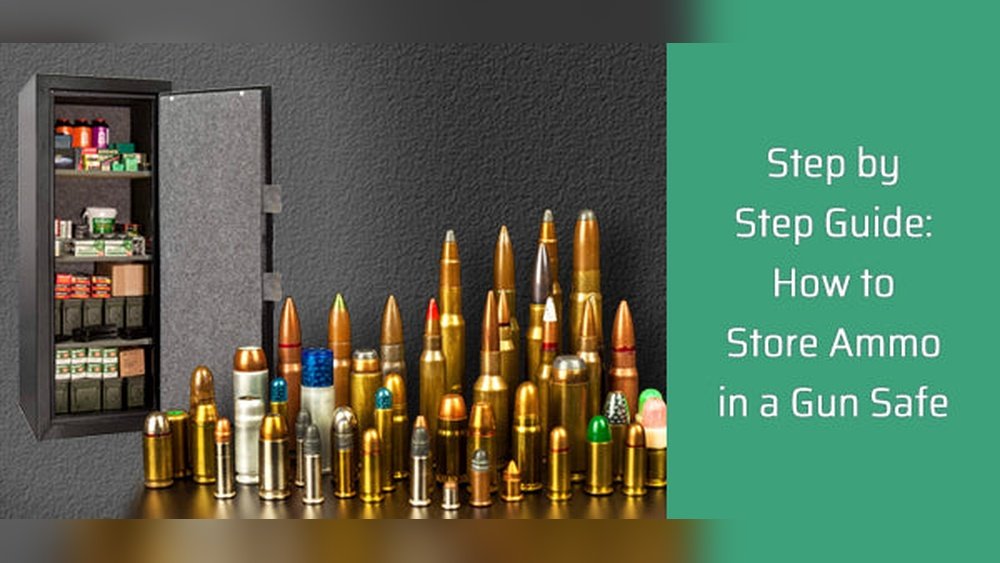
Are you wondering if you can store your ammo in a safe? You’re not alone.
Many people ask this question because keeping ammo secure and in good condition is important. But is a regular safe the right choice? What should you know before locking up your ammunition? You’ll discover the best ways to protect your ammo, avoid common mistakes, and keep it both safe and ready when you need it.
Keep reading to find out exactly what you need to do to store your ammo the right way.
Choosing The Right Safe
Choosing the right safe for storing ammo is key to keeping it secure and in good condition. Ammo needs a safe that protects it from moisture, heat, and unauthorized access. Not every safe fits these needs. Consider the type, size, and build quality to find the best option.
Types Of Safes Suitable For Ammo
Ammunition storage calls for safes designed to handle specific risks. Gun safes often work well because they offer good protection and space. Fire-resistant safes help protect ammo from heat damage during a fire. Some safes come with humidity control options. These keep ammo dry and prevent corrosion. Choose a safe that matches your storage needs.
Size And Capacity Considerations
Think about how much ammo you need to store. The safe must fit your current collection and future purchases. Too small, and you risk overloading the safe or storing ammo improperly. Too large, and you pay for unused space. Measure your ammo boxes and check safe dimensions. Leave extra room for organization and easy access.
Material And Build Quality
Strong materials keep your ammo safe from theft and damage. Steel is a common choice for durability. Look for thick walls and solid doors. A good locking system adds extra security. Quality safes resist tampering and break-ins. Also, check for rust-resistant coatings. These protect your ammo from moisture and corrosion over time.
Optimal Storage Conditions
Storing ammo safely requires more than just locking it away. Optimal storage conditions keep your ammunition reliable and safe for use. Proper control of temperature and humidity plays a big role. Protecting ammo from corrosion and degradation extends its life. Using desiccants and moisture absorbers helps keep the environment dry inside the safe.
Temperature And Humidity Control
A stable temperature helps preserve ammo quality. Avoid places with wide temperature swings. High heat can damage powder and primers. Keep humidity low to stop moisture buildup. Moisture can cause ammo to fail or misfire. A cool, dry safe works best.
Avoiding Corrosion And Degradation
Metal parts of ammo can rust from moisture. Corrosion weakens casing and bullet. Rusty ammo may not fire properly. Store ammo in sealed containers inside the safe. Check ammo regularly for signs of damage. Replace any cartridges that look damaged.
Use Of Desiccants And Moisture Absorbers
Desiccants absorb moisture from the air. Silica gel packs are common and safe. Place them inside ammo boxes or safe corners. Replace desiccants when they become saturated. Moisture absorbers keep the air dry. This simple step prevents rust and keeps ammo fresh.
Safe Organization And Accessibility
Organizing ammo inside a safe is crucial for both safety and convenience. Proper arrangement helps you find what you need quickly. It also protects your ammo from damage and keeps it secure.
Accessibility matters, especially in urgent moments. A well-organized safe saves time and reduces stress. It balances security with ease of use.
Proper Ammo Arrangement
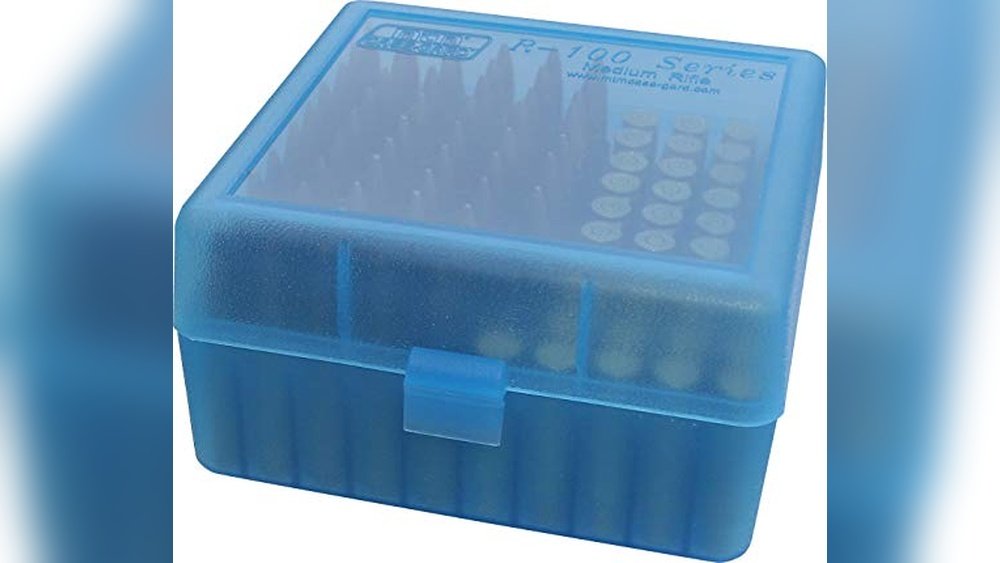
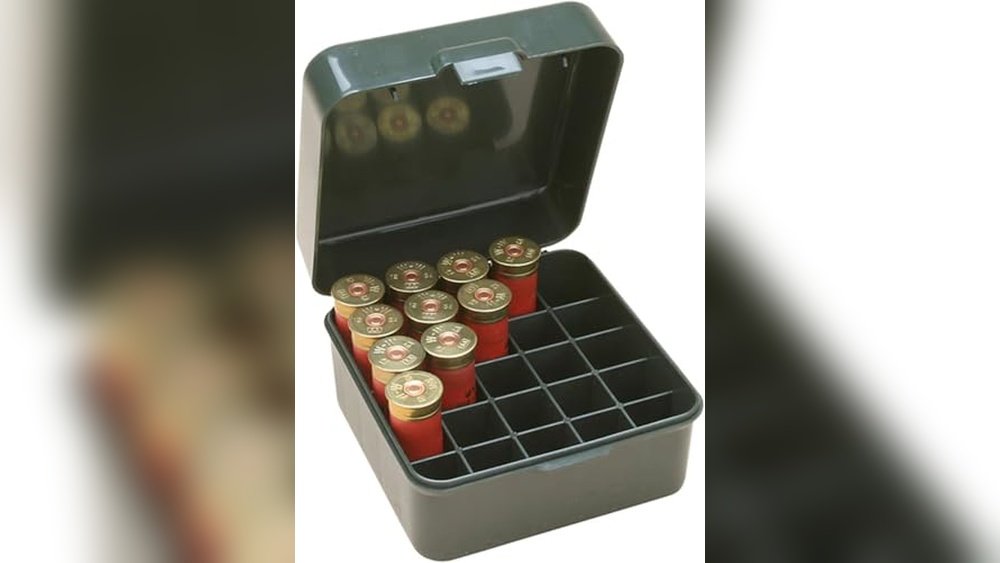
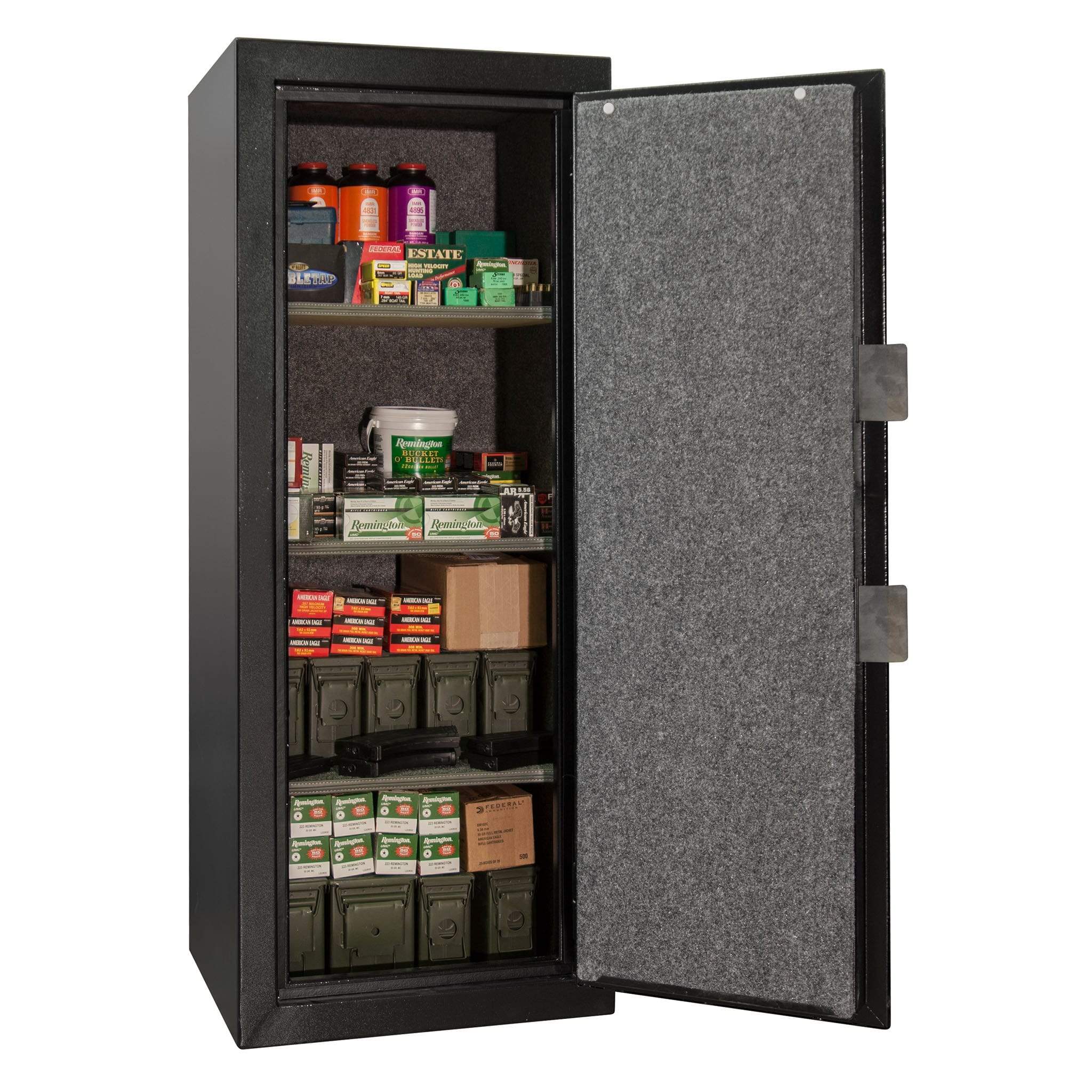
Store different types of ammo separately. Use small containers or dividers to keep rounds neat. Place heavier ammo at the bottom for stability. Arrange ammo by caliber for quick identification. Avoid mixing old and new rounds to maintain quality.
Labeling And Inventory Tips
Label each container clearly with the ammo type and quantity. Keep an updated list or inventory sheet inside the safe. Mark the date of purchase to track ammo age. Use waterproof labels or tags to prevent smudging. Regularly check and update your inventory for accuracy.
Balancing Security And Quick Access
Keep ammo in a locked safe for safety. Store frequently used ammo near the top or front. Avoid overloading the safe to prevent clutter. Use trays or racks that slide out for easy access. Practice retrieving ammo quickly to improve response time.
Safety Precautions
Storing ammunition safely requires careful attention to several important steps. These safety precautions protect people and property from harm. Proper handling, preventing accidents, and knowing the law make ammo storage secure.
Handling Ammo Before Storage
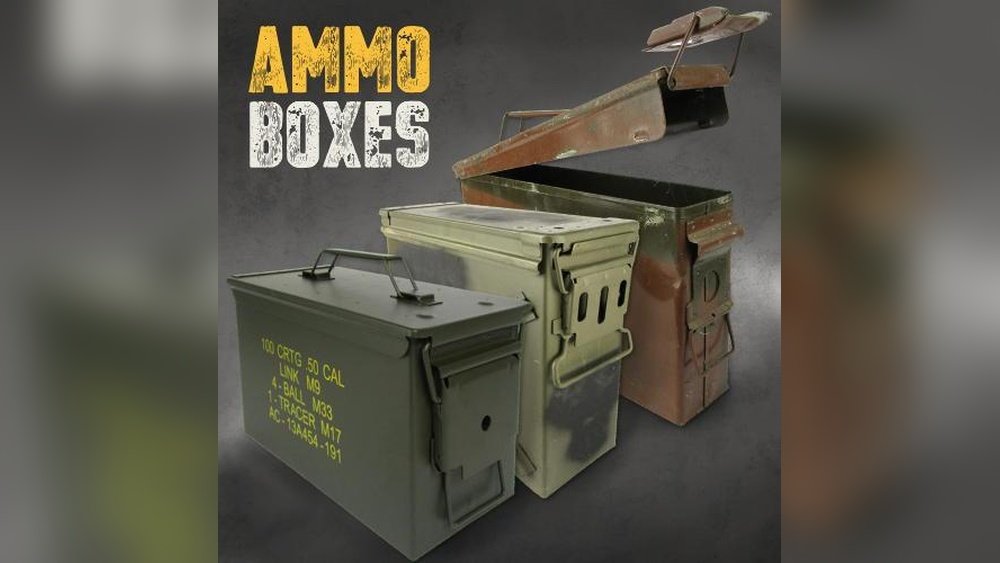
Always check ammo for damage before storing. Do not store wet or corroded rounds. Keep ammo away from heat and direct sunlight. Use original packaging or sealed containers for storage. Handle ammo with clean hands to avoid contamination.
Preventing Accidental Discharge
Never store ammo with loaded firearms. Keep ammo separate in locked, secure containers. Avoid mixing different types or calibers of ammo. Store ammo in a cool, dry place to reduce risk. Always label containers clearly to avoid confusion.
Legal Considerations For Ammo Storage
Check local laws about ammo storage limits. Some areas require safes or locked boxes. Follow rules about ammo amounts and storage locations. Know who is allowed to access the ammo. Keep documentation of ammo purchases and inventory.
Maintenance And Inspection
Storing ammo in a safe requires more than just putting it away. Regular maintenance and inspection keep the ammo and safe in good condition. This helps avoid damage and ensures safety. Small checks can prevent big problems later.
Regular Safe And Ammo Checks
Open the safe often to check the ammo. Look for signs of rust, corrosion, or moisture. Check the safe’s lock and seal for any damage. Make sure the safe stays dry inside. Use a dehumidifier if needed. Keep the ammo organized for easy inspection.
Cleaning And Upkeep Practices
Wipe down the safe’s interior with a dry cloth. Avoid using water or harsh chemicals. Clean ammo boxes or containers before storing them. Remove dust and dirt from ammo cartridges gently. Store ammo in original packaging or plastic cases. Keep the safe area clean and free of debris.
When To Replace Stored Ammo
Ammo does not last forever. Replace ammo that shows signs of damage or rust. If ammo smells unusual or feels sticky, discard it safely. Use older ammo first to avoid long storage. Check expiration dates if marked. Always prioritize safety over saving old ammo.
Frequently Asked Questions
Can Ammo Be Safely Stored In A Gun Safe?
Yes, ammo can be safely stored in a gun safe. It keeps ammo secure and protected from theft. However, ensure the safe is dry and well-ventilated to prevent moisture damage.
How Should Ammo Be Stored Inside A Safe?
Store ammo in original packaging or airtight containers inside the safe. Use desiccants to reduce moisture. Keep ammo away from heat sources for safety and longevity.
Does Storing Ammo In A Safe Prevent Moisture Damage?
Storing ammo in a safe can help prevent moisture damage if the safe is dry. Use moisture absorbers or dehumidifiers inside the safe for added protection.
Is It Legal To Store Ammo In A Safe At Home?
Yes, it is generally legal to store ammo in a home safe. Check local laws for specific regulations regarding ammo storage and firearm safety.
Conclusion
Storing ammo in a safe keeps it secure and dry. Choose a safe designed to control moisture well. Always separate ammo from firearms for safety. Regularly check your ammo for signs of damage. A safe helps prevent accidents and unauthorized access.
Remember, proper storage extends ammo life and reliability. Keep your safe in a cool, dry place. Safe storage is simple but very important. Stay careful, stay prepared.