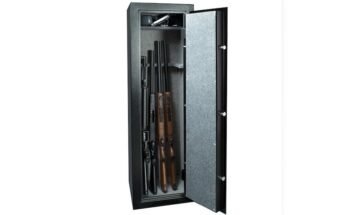
If you own a rifle safe, you’ve probably wondered: can you transport it on its side? Moving a heavy, bulky safe isn’t easy, and doing it the wrong way could damage your valuable firearms or the safe itself.
You want to keep your guns secure, but how do you make sure your safe stays safe during transport? This article will give you clear, practical answers and tips to help you move your rifle safe without worry. Keep reading to learn exactly what you need to know before you lift, load, and go.
Transporting Rifle Safes
Transporting rifle safes requires careful planning. These safes are heavy and bulky. Moving them incorrectly can cause damage. Proper handling keeps your safe intact and secure. Understanding transport methods helps avoid problems during the move.
Common Transport Methods
Many people use trucks or vans to move rifle safes. Dollies and hand trucks help carry the heavy load. Straps keep the safe stable during transport. Some use blankets to protect the safe’s surface. Professional movers have special equipment for large safes.
Loading the safe upright is the best practice. It prevents internal parts from shifting. Securing the safe tightly avoids tipping or sliding. Clear paths reduce the risk of accidents. Planning the route saves time and effort.
Risks Of Laying Safes On Their Side
Laying a rifle safe on its side can cause issues. Internal locking mechanisms may misalign or break. The safe’s structure might weaken or warp. Locks may jam or stop working properly. Weight distribution changes and stresses the frame.
Moving a safe on its side risks damage to contents inside. Rifles and valuables could shift or fall. Insurance claims may not cover damage from improper transport. Upright transport protects your investment and ensures safe arrival.
Impact On Safe’s Integrity
Transporting a rifle safe on its side can affect the safe’s strength and function. The safe is built to stand upright. Moving it differently may harm its parts. This section explains what happens inside the safe during side transport.
Effect On Lock Mechanism
The lock system is made to work in one position. Laying the safe on its side can misalign the lock parts. This may cause the lock to jam or not close properly. The lock might also become less secure over time. Careful handling helps keep the lock in good shape.
Potential Structural Damage
The safe’s frame is strongest standing up. Sideways transport can stress the walls and corners. This pressure can cause dents or cracks. The safe may lose its ability to protect guns inside. Avoiding side transport reduces the risk of damage.
Manufacturer Recommendations
Manufacturers provide specific advice on how to move rifle safes safely. Their guidelines help protect the safe and its locking system. Following these instructions keeps the safe in good condition. It also prevents damage during transport.
Guidelines From Top Brands
Many top brands say not to lay rifle safes on their sides. They warn this can damage the locking mechanism. Some safes have internal parts that may shift or break. Upright transport is often the safest method. Some brands suggest using straps to keep the safe steady.
Others allow limited tilting but not full side laying. Always check the user manual for each safe model. Some brands offer specific tips for moving their safes safely.
Warranty Considerations
Transporting a rifle safe on its side might void the warranty. Manufacturers often require following their transport rules. Damage from improper handling may not be covered. This can lead to costly repairs or replacement.
Reading warranty details is important before moving the safe. Some brands ask for proof of proper transport if a claim arises. Careful handling protects your investment and warranty rights.

Safe Handling Techniques
Handling a rifle safe requires care and attention. Proper techniques keep you safe and protect the safe. This section explains key steps for safe handling during transport.
Proper Lifting Methods
Lift the safe using your legs, not your back. Keep your back straight and bend your knees. Hold the safe close to your body. Avoid twisting while lifting or carrying. Use a team if the safe is heavy. This reduces injury risk and helps control the safe.
Securing The Safe During Transport
Place the safe on a flat surface in the vehicle. Use straps or ropes to tie it down firmly. Prevent the safe from moving or tipping. Avoid laying the safe on its side unless the manufacturer allows. Cushion the safe with blankets or padding. This protects it from bumps and scratches.
Tools And Equipment
Transporting a rifle safe on its side requires the right tools and equipment. These help protect the safe and make moving it easier. Choosing the correct items can prevent damage and injury. Safety and care should guide every step.
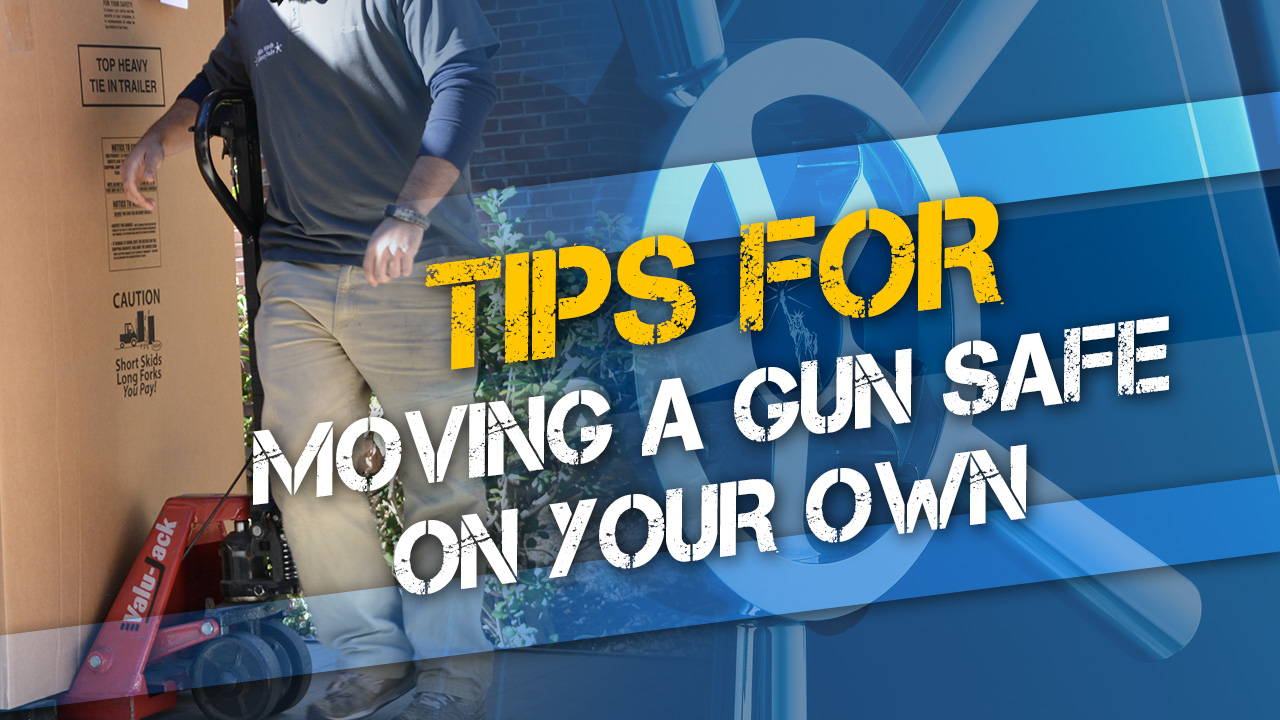
Using Dollies And Straps
Dollies provide a stable base to move heavy safes. They reduce the effort needed to carry the safe. Secure the safe tightly with straps to avoid slipping. Straps keep the safe steady during transport. Use ratchet straps for a firm hold. Check that the straps do not damage the safe’s surface.
Protective Padding Options
Padding cushions the safe from bumps and scratches. Use blankets, foam, or moving pads around the safe. Wrap the safe completely to protect all sides. Place extra padding at corners and edges. This helps absorb shocks on rough roads. Proper padding keeps the safe and surroundings safe.
Alternative Transport Options
Transporting a rifle safe requires care and the right method. Some people wonder if carrying it on its side is okay. There are better ways to move a rifle safe without risking damage. Exploring alternative transport options can help protect your safe and its contents.
Upright Transport Benefits
Moving a rifle safe upright keeps its internal parts steady. It stops the locking mechanism from shifting or breaking. The safe’s weight spreads evenly, making it easier to carry. Upright transport reduces the chance of dents or scratches. It also helps maintain the safe’s warranty and long-term function.
Professional Moving Services
Hiring professionals can make moving a rifle safe safer and easier. Movers have the right tools and skills to handle heavy safes. They know how to secure the safe to avoid damage during transport. Using professional services saves time and effort. It gives peace of mind knowing experts manage the move.
Post-transport Checks
After transporting a rifle safe on its side, checking it thoroughly is key. Moving a heavy safe this way may cause unseen issues. Taking time to inspect the safe ensures it works well and stays secure.
Post-transport checks help catch any problems early. This keeps your firearms safe and prevents costly repairs later.
Inspecting For Damage
Start by looking over the safe’s exterior carefully. Check for dents, scratches, or cracks. Pay special attention to corners and edges. These areas often hit surfaces during transport. Also, check the bottom for any signs of stress or bending. Small damage can affect the safe’s security and function.
Testing Lock Functionality
Next, test the lock to confirm it works smoothly. Turn the dial or enter the code several times. Open and close the door fully. Listen for any unusual sounds like grinding or sticking. Lock issues can stop the safe from closing properly. Fixing lock problems early protects your valuables.

Frequently Asked Questions
Can You Transport A Rifle Safe On Its Side Safely?
Yes, transporting a rifle safe on its side is possible. However, ensure the safe is secured to prevent shifting. Some safes may have internal mechanisms sensitive to tilting. Always check the manufacturer’s guidelines before transport to avoid damage.
What Are Risks Of Moving A Rifle Safe Sideways?
Moving a rifle safe sideways can cause internal damage or lock misalignment. The heavy weight may shift, risking structural harm. It may also void the warranty if not done correctly. Proper padding and securing reduce these risks during transport.
How Should You Secure A Rifle Safe During Transport?
Use strong straps and padding to secure the rifle safe. Place it on a flat, stable surface to prevent movement. Avoid excessive tilting to maintain lock integrity. Double-check the safe’s position before transport for maximum safety.
Does Transporting A Rifle Safe On Its Side Affect The Lock?
Transporting on its side can affect the lock if the safe isn’t designed for it. Lock mechanisms might misalign or jam. To avoid issues, follow the manufacturer’s transport instructions carefully. Testing the lock after moving is recommended.
Conclusion
Transporting a rifle safe on its side can cause damage. The safe’s locking mechanism may stop working properly. Always check the manufacturer’s instructions before moving it. Use proper tools and get help if needed. Secure the safe to avoid shifting during transport.
Taking these steps protects your safe and its contents. Safe handling ensures your firearms stay secure and in good shape. Remember, careful transport saves you money and stress.