Is your rifle safe lock jammed right when you need it most? It’s frustrating and can make you feel stuck.
But don’t worry—you’re not alone, and this problem is fixable. You’ll discover simple, step-by-step methods to get your lock working smoothly again. Whether you’re in a hurry or just want peace of mind, these tips will help you regain control quickly.
Keep reading to find out exactly what to do when your rifle safe lock won’t budge.
Common Causes Of Jammed Rifle Safe Locks
Jammed rifle safe locks can cause frustration and worry. Understanding the common reasons behind these jams helps in fixing them quickly. Several factors often lead to a lock getting stuck or not working properly. Identifying these causes can save time and prevent damage to the safe.
Mechanical Wear And Tear
Locks have moving parts that wear out over time. Constant use wears down springs, gears, and other components. Worn parts may not move smoothly, causing the lock to jam. Regular maintenance can reduce wear and extend the lock’s life.
Dirt And Debris Buildup
Dust, dirt, and small debris can enter the lock mechanism. These particles block the moving parts from working properly. Dirt buildup causes the lock to stick or become hard to turn. Cleaning the lock regularly helps keep it free from debris.
Misaligned Components
Parts inside the lock can shift or bend out of place. Misalignment stops the lock from working smoothly. This can happen after rough handling or accidental knocks. Checking and realigning parts can restore the lock’s function.
Frozen Or Stuck Lock Mechanisms
Cold weather can freeze moisture inside the lock. Frozen parts prevent the lock from turning or opening. Rust or corrosion also causes parts to stick together. Warming the lock gently or using lubricant can free stuck mechanisms.
Tools Needed For Repair
Fixing a jammed rifle safe lock requires the right tools. Having these tools ready makes the repair easier and faster. You do not need many tools, just the essentials. This section covers the key tools needed for the job.
Lubricants And Cleaners
Lubricants help the lock move smoothly. Use a graphite powder or a silicone spray. Avoid oil-based lubricants; they attract dust and dirt. Cleaners remove grime and rust from the lock parts. Use a gentle metal cleaner or rubbing alcohol. Clean parts prevent future jams and keep the lock working well.
Basic Hand Tools
A small screwdriver set is useful for opening the lock casing. Tweezers help remove dirt from hard-to-reach spots. A flashlight lights the inside of the lock for better visibility. A small brush can clean dust and debris from the lock. These basic tools make the repair process easier.
Replacement Parts
Sometimes parts inside the lock wear out or break. Having spare springs, screws, or tumblers helps fix the lock fully. Check your rifle safe’s manual for the right parts. Keep these parts ready before starting the repair. This saves time and avoids delays during the fix.
Step-by-step Fixes For Jammed Locks
Fixing a jammed rifle safe lock requires patience and simple steps. Each step targets a common cause of lock problems. Follow these easy fixes to get your safe working again quickly. Start with basic cleaning and move to more specific solutions.
Cleaning The Lock
Dirt and dust often cause locks to jam. Use a soft brush to remove dirt from the keyhole and lock parts. Blow air gently into the lock to clear small particles. Avoid using water or harsh cleaners that can cause rust.
Lubricating Moving Parts
Apply a small amount of lock lubricant to the keyhole and moving parts. Choose a lubricant made for locks, such as graphite powder or silicone spray. Avoid oil-based lubricants that attract dirt. Work the key gently to spread the lubricant inside.
Realigning The Lock Components
Sometimes the lock parts get misaligned from force or wear. Check if the lock face or handle is loose. Tighten any screws or bolts carefully. Try moving the handle slightly to see if it frees the lock. Do not force the lock to avoid damage.
Using A Lock De-icer For Frozen Locks
Cold weather can freeze locks, causing jams. Use a commercial lock de-icer or warm the key carefully. Avoid using excessive heat like a flame, which can damage the lock. Insert the warmed key gently and turn slowly to unlock.

Preventive Maintenance Tips
Preventive maintenance helps keep your rifle safe lock working smoothly. It stops jams before they happen. Small, regular steps make a big difference in lock performance. Follow simple tips to protect your lock and avoid costly repairs.
Regular Cleaning Schedule
Clean your lock at least once every three months. Use a soft brush to remove dust and dirt. Avoid harsh chemicals that damage metal parts. Keep the lock dry to stop rust from forming. Regular cleaning stops buildup that causes jams.
Proper Lubrication Practices
Lubricate the lock with light oil or graphite powder. Apply a small amount to moving parts only. Too much oil attracts dust and dirt. Wipe off any excess lubricant carefully. Proper lubrication reduces friction and prevents sticking.
Safe Usage Habits
Turn the lock gently without forcing it. Use the correct combination or key every time. Avoid using excessive force if it does not open. Keep hands clean and dry when operating the lock. Safe habits extend the life of your lock.
When To Call A Professional Locksmith
Knowing when to call a professional locksmith is crucial for a jammed rifle safe lock. Some problems need expert care to avoid bigger issues. Trying to fix complex or severe damage alone can cause more harm. A locksmith has the right tools and skills to handle tough lock problems safely.
Calling a professional saves time and protects your valuable items inside the safe. It also ensures your lock works smoothly after repair. Here are signs that show you need a locksmith’s help.
Signs Of Severe Damage
Visible cracks or broken parts on the lock suggest severe damage. If the lock mechanism feels stuck or very hard to turn, damage may be inside. Strange noises like grinding or clicking also signal serious issues. These signs mean the lock needs expert repair, not a simple fix.
Complex Lock Mechanisms
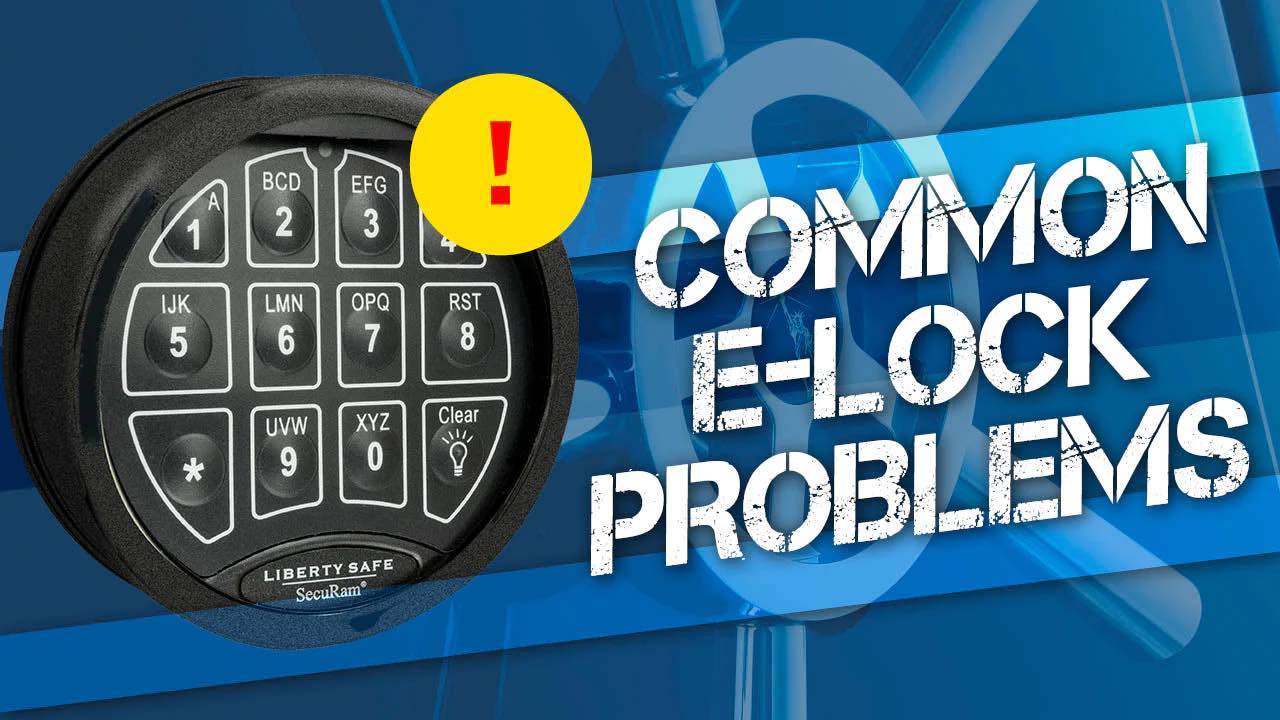
Rifle safes often use advanced lock systems. Digital or biometric locks require special knowledge and tools. Trying to fix these without experience can lead to permanent damage. Professionals understand these complex locks and know how to repair them correctly.
Avoiding Further Damage
Using force on a jammed lock can break it further. Picking the lock without skill may damage internal parts. Calling a locksmith stops this risk. Experts use gentle, precise methods to fix the lock. This approach protects your safe and keeps it secure.
Frequently Asked Questions
How Do I Unlock A Jammed Rifle Safe Lock?
First, apply graphite lubricant to the lock keyhole. Gently wiggle the key without forcing it. Avoid excessive pressure to prevent damage.
What Causes A Rifle Safe Lock To Jam?
Dirt, rust, or lack of lubrication often cause jamming. Misaligned internal parts or worn-out keys can also contribute to the issue.
Can I Fix A Jammed Lock Without A Locksmith?
Yes, you can try lubricating the lock and gently turning the key. If unsuccessful, seek professional locksmith help to avoid damage.
How Often Should I Maintain My Rifle Safe Lock?
Regular maintenance every 3-6 months is ideal. Clean, lubricate, and inspect the lock to prevent jamming and ensure smooth operation.
Conclusion
Fixing a jammed rifle safe lock takes patience and care. Start by cleaning the lock and checking for debris. Use lubricant to ease stuck parts but avoid too much. Try the lock gently to prevent damage. If problems persist, seek help from a professional locksmith.
Regular maintenance can prevent jams in the future. Keep your rifle safe secure and easy to access. Small steps make a big difference in lock performance. Stay calm and work carefully for the best results.