Moisture inside your rifle safe can cause serious damage to your firearms. Rust, corrosion, and mold don’t just ruin your guns—they can also put your safety at risk.
You want your collection to stay in perfect condition, but preventing moisture can feel tricky. What if you could keep your rifles dry and protected with simple, effective steps? You’ll discover easy ways to stop moisture before it harms your firearms.
Keep reading to learn how to safeguard your investment and enjoy peace of mind every time you open your safe.

Causes Of Moisture In Rifle Safes
Moisture inside a rifle safe can cause serious damage to your firearms. Rust and corrosion can form quickly if moisture builds up. Understanding what causes moisture is the first step to preventing it. Several common factors lead to moisture problems in rifle safes.
Humidity And Temperature Changes
Humidity is a major cause of moisture inside a rifle safe. When the air contains high moisture, it can condense on metal surfaces. Temperature changes make this worse. Warm air holds more moisture, but when it cools inside the safe, water forms. This cycle repeats and causes dampness. Safes in rooms with large temperature swings face more risks.
Poor Ventilation
Many rifle safes lack good airflow. Without ventilation, moisture cannot escape. This trapped moisture settles on guns and safe walls. Poor ventilation creates a damp environment inside the safe. It also allows stale air to build up, raising humidity levels. A safe needs some way to let air move and moisture leave.
Water Intrusion Sources
Water can enter a safe from leaks or spills. Roof or wall leaks in the room can let water seep in. Flooding or cleaning nearby can also cause water to enter. Even wet clothes or gear stored inside add moisture. Any water source near or inside the safe risks creating dampness.

Choosing The Right Safe Location
Choosing the right location for your rifle safe is key to stopping moisture buildup. Moisture can cause rust and damage your firearms over time. Picking a dry, stable spot helps keep your guns safe and in good condition.
Avoiding Damp Areas
Do not place your safe in basements or near water pipes. These places often have high humidity and dampness. Avoid spots close to windows or exterior walls. Moist air can enter and settle inside the safe.
Look for places with good air circulation. This helps reduce moisture and keeps the safe dry. Avoid storing your safe on cold floors, which can cause condensation inside.
Selecting Stable Environments
Choose a room with steady temperature and low humidity. Sudden changes in temperature increase moisture inside the safe. A controlled environment keeps your firearms dry and secure.
Avoid areas near heating vents or air conditioners. They create temperature swings that lead to condensation. Find a place that stays cool and dry year-round for the best protection.
Effective Moisture Control Methods
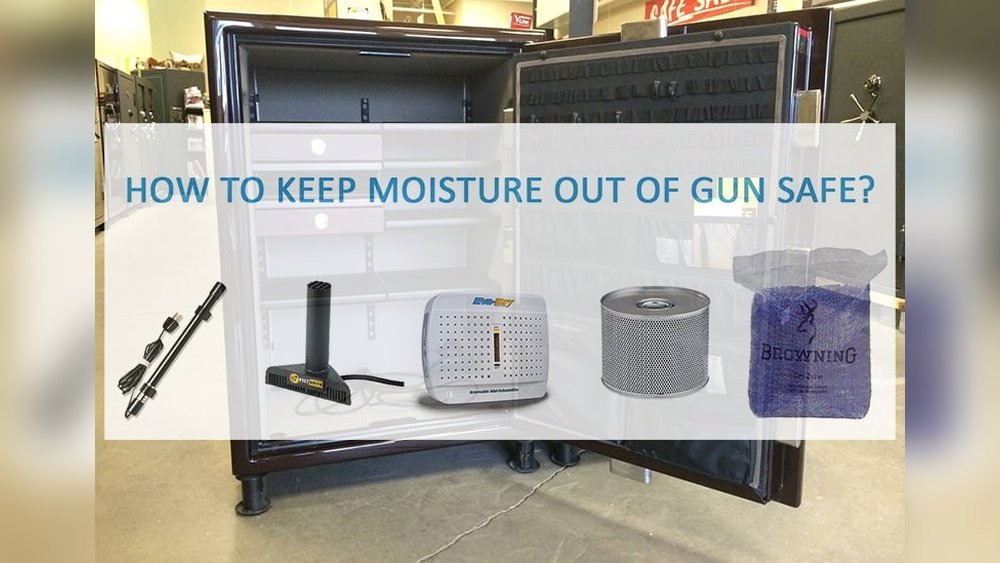
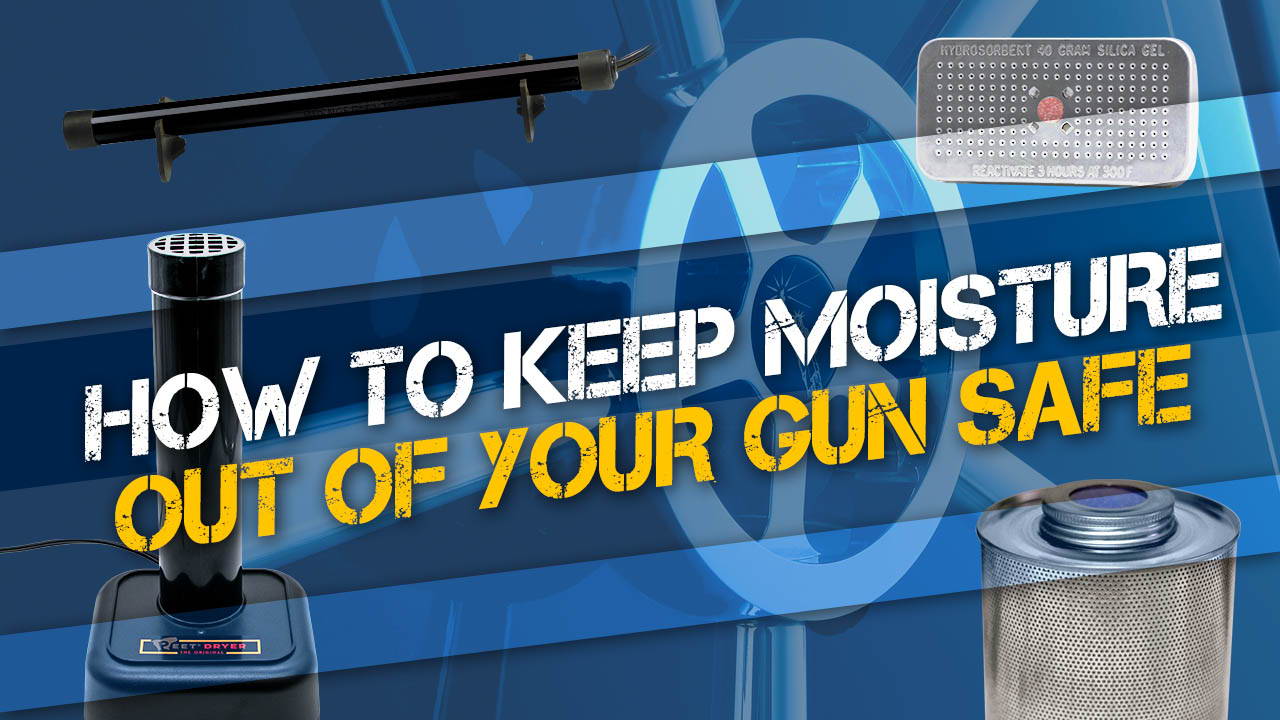
Controlling moisture inside a rifle safe is crucial to protect firearms. Moisture causes rust, mold, and damage. Effective methods reduce humidity and keep guns safe. These methods include using desiccants, installing dehumidifiers, and adding ventilation systems.
Using Desiccants
Desiccants absorb moisture from the air inside the safe. Common types include silica gel and clay packs. Place them on shelves or inside compartments. Change or recharge desiccants regularly to keep them effective. They are affordable and easy to use. Desiccants work best in smaller safes or low humidity areas.
Installing Dehumidifiers
Dehumidifiers remove moisture from the air automatically. Electric models keep humidity at a safe level. Some use heat or cold to condense water. Choose a unit sized for your safe volume. Check the water reservoir and empty it often. Dehumidifiers work well in larger safes or damp environments.
Incorporating Ventilation Systems
Ventilation helps air circulate inside the safe. It stops moisture buildup by exchanging humid air with dry air. Use vents with filters to block dust and pests. Passive vents allow natural airflow without power. Active systems use fans to improve air movement. Good ventilation supports other moisture control methods effectively.
Safe Maintenance Practices
Maintaining your rifle safe properly helps stop moisture buildup. Moisture can cause rust and damage firearms inside the safe. Simple maintenance habits keep the safe dry and secure.
Check the safe often and clean it well. These steps help protect your guns and keep the safe in good condition.
Regular Inspection For Moisture
Open your rifle safe and look for signs of moisture. Check walls, shelves, and corners carefully. Small water drops or a damp smell mean moisture is present.
Use a dry cloth to wipe any wet spots you find. Keep an eye on humidity levels inside the safe. A hygrometer can help track moisture and alert you to problems.
Cleaning And Drying Procedures
Remove all items from the safe before cleaning. Use a soft cloth and mild cleaner to wipe surfaces. Avoid harsh chemicals that might damage the safe.
Dry the interior completely with a dry towel or cloth. Leave the door open for some time to air out the safe. A dry safe stops rust and keeps firearms safe.
Additional Protective Measures
Keeping moisture out of a rifle safe is key to protecting your firearms. Beyond basic steps, extra measures help stop rust and damage. These methods add layers of defense to keep guns dry and safe.
Applying Protective Coatings
Protective coatings create a barrier on metal surfaces. They stop moisture from touching the gun’s metal parts. Common coatings include oil, wax, or specialized sprays. Apply a thin layer evenly on all metal areas. This helps prevent rust and corrosion over time. Reapply coatings regularly, especially after cleaning or exposure to moisture.
Using Gun Socks And Covers
Gun socks and covers offer another shield against moisture. They are made of soft, breathable fabric that absorbs dampness. Wrap each firearm in a sock before placing it in the safe. This extra step helps keep guns dry and prevents scratches. Choose socks with rust-inhibiting treatments for added protection. They are affordable and easy to use.
Frequently Asked Questions
How To Keep Moisture Out Of A Rifle Safe?
Use silica gel packs or dehumidifiers inside the safe. Keep the safe sealed tightly. Regularly check for leaks and moisture buildup to protect your firearms.
What Causes Moisture Buildup Inside A Rifle Safe?
Moisture forms due to humidity, temperature changes, and poor ventilation. Storing wet items inside can also increase dampness and risk of rust.
Can A Dehumidifier Prevent Rust In Rifle Safes?
Yes, a dehumidifier reduces humidity levels. This prevents condensation and rust formation on firearms stored inside the safe.
How Often Should I Check For Moisture In My Rifle Safe?
Inspect your rifle safe monthly. Look for signs of dampness, mold, or rust. Replace dehumidifiers or silica packs as needed.
Conclusion
Preventing moisture in a rifle safe keeps your guns safe and working well. Use moisture absorbers and keep the safe dry. Check the safe often for signs of dampness. Good ventilation helps stop rust and mold. Seal any gaps to block humid air.
Regular care protects your investment and your safety. Small steps make a big difference in gun care. Stay ahead of moisture to avoid costly damage. Your rifle safe will last longer and stay reliable.