If you own a rifle, you know how important it is to keep it safe and secure. But with so many options out there, how do you choose the right rifle safe for your needs?
You want a safe that protects your firearms from theft, damage, and unauthorized access. You also want something easy to use and fits your space. You’ll discover the key features to look for in a rifle safe, so you can make a smart choice that gives you peace of mind.
Keep reading to find out exactly what matters most when protecting your valuable rifles.
Safe Size And Capacity
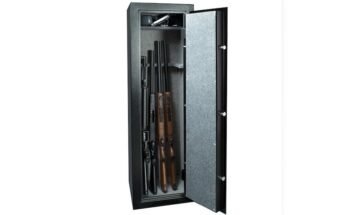
Choosing the right size and capacity for a rifle safe is very important. The safe must fit your current collection and keep your rifles secure. At the same time, it should allow space for future growth. A safe that is too small will cause problems. Too large, and you might pay for unused space. Balance is key.
Assessing Your Rifle Collection
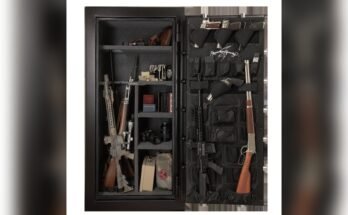
Start by counting your rifles and any other guns you want to store. Consider the size of each rifle. Some models are long and need more room. Think about how you organize your guns inside the safe. Vertical or horizontal storage can affect space use. Don’t forget accessories like scopes or ammunition. They also need space in the safe.
Room For Future Additions
Plan for more rifles in the future. Buying a safe that fits only today’s needs may cause issues later. Choose a safe with extra slots or shelves. This lets you add rifles without buying a new safe. Extra space can also help with better air circulation. This keeps your guns in good condition over time.

Locking Mechanisms
Choosing the right locking mechanism is vital for a reliable rifle safe. It controls who can access your firearms. A strong lock keeps your guns secure from theft and unauthorized use. Different types of locks offer varied benefits and challenges. Understanding these options helps you pick the best one for your needs.
Key Locks Vs. Electronic Locks
Key locks are simple and familiar. They use a physical key to open the safe. Many people trust key locks because they don’t need batteries. Keys can be lost or copied, which is a risk. Electronic locks use a keypad to enter a code. They offer quick access without a key. Changing the code is easy if security is a concern. Electronic locks may fail if batteries die. Some models have backup keys for emergencies.
Biometric Options
Biometric locks use fingerprints to open the safe. This method is fast and user-friendly. Only registered users can access the rifle safe. It removes the need to remember codes or carry keys. Biometric sensors can sometimes misread or fail in cold weather. These locks often include backup methods for access. Biometric safes provide high security and convenience together.
Construction And Material
The construction and material of a rifle safe play a key role in protecting your firearms. Strong materials keep your guns safe from theft and damage. The quality of steel and fire resistance are two main points to check. These factors ensure your safe lasts long and guards well.
Steel Thickness And Quality
Thicker steel means better protection. Look for a safe with steel at least 10 to 12 gauge thick. Higher quality steel resists cutting and drilling tools. Avoid thin metal that can bend or break easily. Solid steel walls keep your rifles secure from forced entry.
Fire Resistance Ratings
Fire can destroy your firearms and important papers. A safe with good fire resistance protects against heat and smoke. Check for safes with a fire rating of at least 30 minutes at 1200°F. Fireproof seals help keep smoke and heat out. This adds an extra layer of safety for your valuables.
Security Features
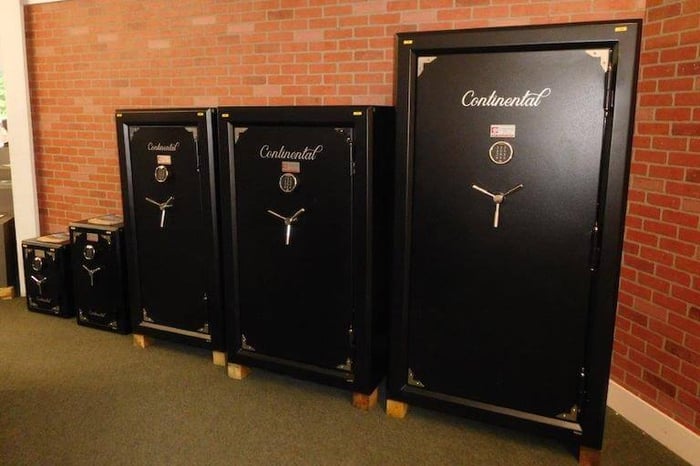
Security features are the heart of any rifle safe. They protect your firearms from theft and damage. A strong safe keeps your guns secure and gives you peace of mind. Knowing what to check helps you pick the right safe for your needs.
Bolt Work And Reinforcements
Look for thick bolts that lock the door firmly. Multiple locking bolts on all sides add extra protection. Reinforced door edges make it hard to pry open. Solid steel bolts resist cutting and breaking. These features stop thieves from forcing the door open.
Drill And Pry Resistance
The safe should have a hard steel plate to block drills. Special plates absorb drill bits and prevent entry. Pry-resistant hinges and door frames stop crowbar attacks. Some safes have anti-drill plates over the lock area. These features slow down or stop break-in attempts.
Interior Design
The interior design of a rifle safe plays a key role in protecting your firearms. A well-designed interior helps keep rifles secure and damage-free. It also makes organizing your guns and accessories simple and efficient. The right interior features improve safety and convenience.
Padding And Rifle Racks
Soft padding inside the safe stops scratches and dents on your rifles. Foam or felt lining works best to protect the gun’s finish. Proper padding cushions the firearms during movement or if the safe is bumped.
Rifle racks keep guns upright and separated. This prevents them from leaning or rubbing against each other. Look for racks that fit your rifle sizes and hold them firmly in place. Adjustable racks add flexibility for different gun types.
Storage For Ammunition And Accessories
A good rifle safe offers extra compartments for ammo and gear. Shelves or drawers keep bullets, scopes, and cleaning kits organized. This prevents clutter and reduces the risk of losing small items.
Separate storage helps keep ammunition away from the rifles. It adds a safety layer and speeds up access when needed. Choose safes with lockable compartments for added protection of your accessories.

Portability And Installation
Portability and installation are key factors when choosing a rifle safe. You want a safe that fits your space and needs. Think about where you will place it and how often you might move it. A balance between weight and security matters. Installation should be easy but strong enough to keep your firearms secure.
Weight Considerations
Weight plays a big role in portability. A heavy safe is harder to move but offers better security. Light safes are easy to carry but may be less secure. Choose a weight that fits your lifestyle. If you need to move the safe often, a lighter one works better. For permanent spots, heavier safes provide stronger protection.
Anchoring Options
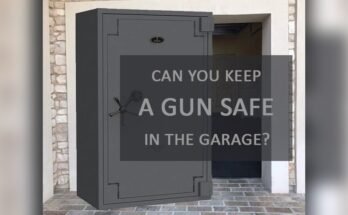
Anchoring keeps the safe in place. Look for safes with strong anchor points. You can bolt the safe to the floor or wall. This stops thieves from carrying it away. Check the type of anchors included. Some safes need extra hardware for secure installation. Proper anchoring improves the safe’s security and stability.
Additional Features
Choosing a rifle safe involves more than just size and lock type. Extra features can protect your guns better and make access easier. These features help keep your firearms in good condition and ready for use.
Dehumidifiers And Ventilation
Moisture can damage guns quickly. Rust and mold grow in damp spaces. A safe with a built-in dehumidifier controls moisture well. It keeps the air dry inside the safe. Ventilation systems also help by allowing fresh air to flow. Good airflow prevents dampness and keeps your firearms safe.
Lighting And Visibility
It is hard to find your gun in the dark. A safe with interior lighting solves this issue. LED lights turn on when you open the door. This makes it easy to see your firearms clearly. Some safes have glow-in-the-dark markers or easy-to-read labels. Good visibility saves time and reduces stress during urgent moments.
Budget And Warranty
Choosing the right rifle safe involves careful thought about both budget and warranty. These factors affect safety and long-term value. Spending wisely ensures protection without overspending. A good warranty offers peace of mind. It shows the manufacturer trusts their product.
Balancing Cost And Security
Rifle safes come in many price ranges. High cost does not always mean better security. Look for solid steel construction and reliable locking mechanisms. These features keep guns safe from theft and fire. Set a budget that fits your needs. Avoid the cheapest models. They may lack strength and durability. Invest in a safe that offers real protection without breaking the bank.
Manufacturer Guarantees
A warranty protects your investment over time. Check how long the warranty lasts. Some companies offer lifetime coverage on parts and labor. This means fewer worries about repairs. Read the warranty terms carefully. See what is included and what is not. Good manufacturers stand behind their safes. They provide service and support when needed. This trust helps you feel secure with your purchase.
Frequently Asked Questions
What Size Rifle Safe Should I Choose?
Choose a rifle safe that fits all your firearms comfortably. Consider future gun additions and available space in your home. A safe too small limits storage; too large wastes space and money.
How Important Is Fire Resistance In A Rifle Safe?
Fire resistance protects firearms and valuables from heat damage during a fire. Look for safes with certified fire ratings for at least 30 minutes at 1200°F. This feature enhances overall safety significantly.
Which Locking Mechanism Is Best For Rifle Safes?
Electronic keypads offer quick access and strong security. Mechanical locks are reliable without batteries. Biometric locks provide fast, personalized entry. Choose based on your convenience and security preference.
Should A Rifle Safe Be Bolt-down Capable?
Yes, bolt-down safes prevent easy theft by securing the safe to the floor. This adds an extra security layer and ensures your firearms remain protected even if the safe is moved.
Conclusion
Choosing a rifle safe means focusing on security and ease of use. Strong locks and solid materials keep rifles safe. Size matters; pick one that fits your guns well. Fire resistance adds extra protection. Easy access helps during urgent times.
Think about where you will place the safe. A good rifle safe gives peace of mind. It protects your firearms from theft and damage. Take time to compare features before buying. Safety for your rifles is always worth the effort.