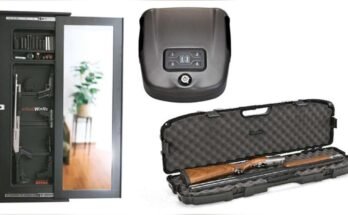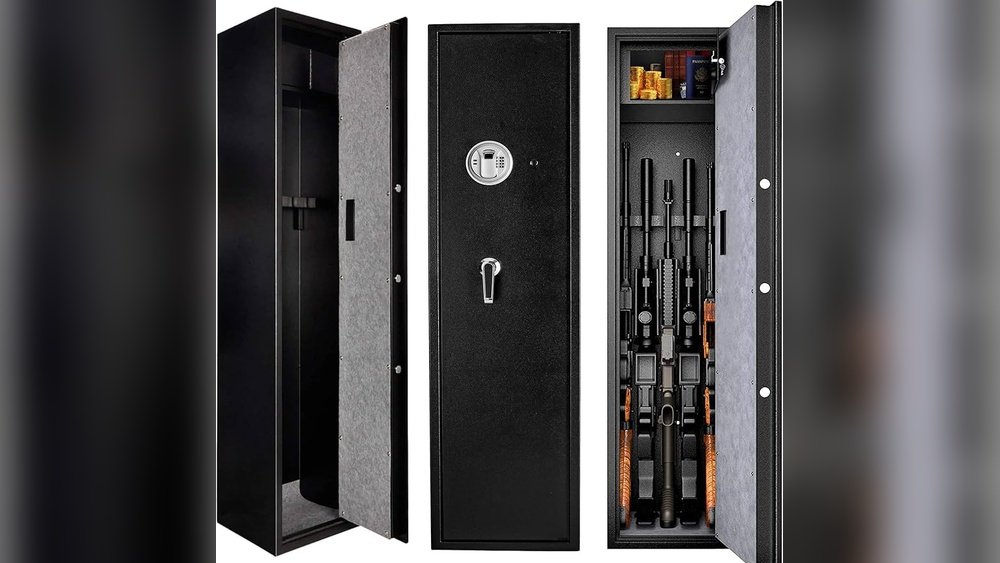
When it comes to protecting your firearms, speed can be as important as security. You want to access your rifle quickly, especially in urgent situations.
But are biometric rifle safes really faster than traditional ones? This question matters because every second counts when you need your weapon ready. You’ll discover how biometric safes work, whether they can save you time, and if they’re the right choice for your needs.
Keep reading to find out how to make your rifle storage both safe and swift.
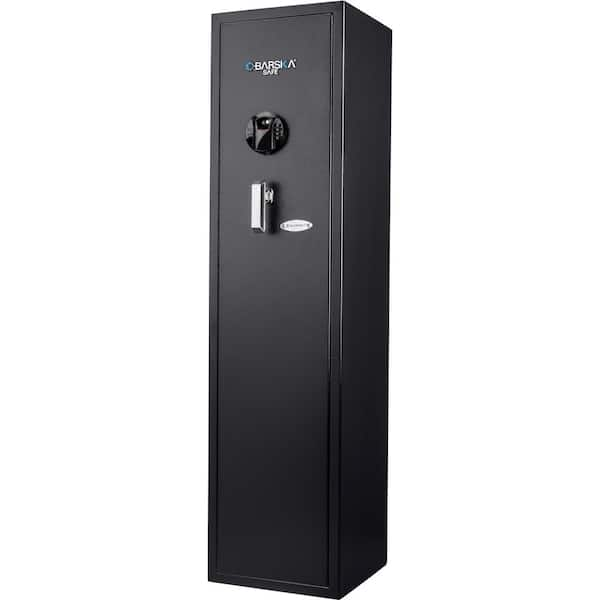
Biometric Rifle Safes Basics
Biometric rifle safes use unique body features to allow access. This technology helps gun owners open safes quickly and securely. It replaces traditional keys or combination locks.
These safes scan fingerprints or other biometric data to verify identity. The process is fast and reduces the risk of unauthorized access. Understanding the basics helps you decide if this safe fits your needs.
How Biometric Technology Works
Biometric safes scan a physical feature, usually a fingerprint. The scanner reads patterns like ridges and valleys on the finger. It compares this to stored data to confirm a match.
When the safe recognizes the print, it unlocks almost instantly. The technology uses sensors and software to ensure accuracy. It prevents false unlocks by checking details precisely.
Types Of Biometric Sensors
Most biometric safes use optical, capacitive, or ultrasonic sensors. Optical sensors use light to capture fingerprint images. Capacitive sensors measure electrical signals from the skin.
Ultrasonic sensors use sound waves to create a detailed fingerprint map. Each type offers different accuracy and speed levels. Choosing the right sensor affects how fast and reliable the safe is.
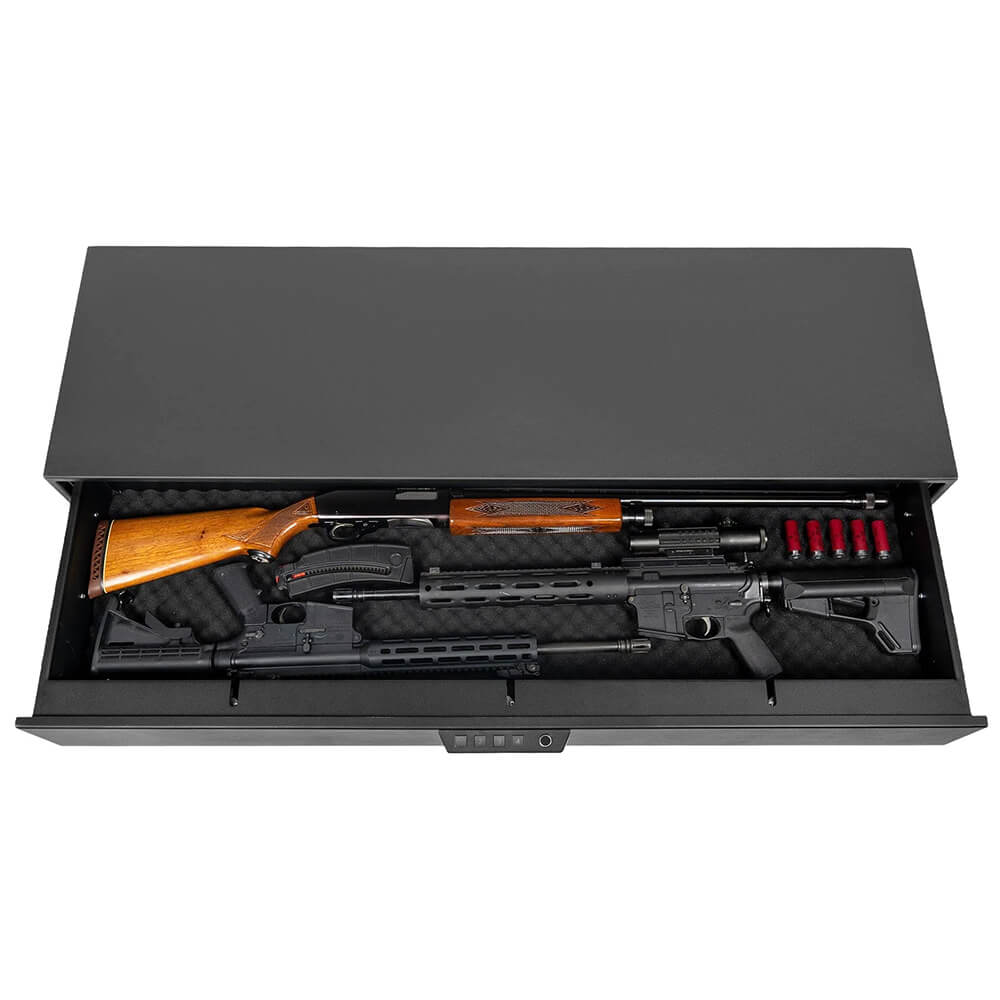
Speed Of Access
Speed of access is a key factor when choosing a rifle safe. Quick access can be critical in emergencies. Biometric rifle safes promise faster entry than traditional models. This section explores how fast biometric safes really are.
Unlock Time Compared To Traditional Safes
Biometric safes often open in 1 to 3 seconds. Traditional safes with keys or combination locks take longer. Keys need finding and inserting. Combination dials require turning several times. These steps add precious seconds.
Biometric safes read your fingerprint instantly. No need to remember codes or search for keys. This speed helps in urgent moments.
Factors Affecting Biometric Speed
Fingerprint sensor quality impacts how fast the safe opens. High-quality sensors scan quickly and accurately. Low-quality sensors may delay access or fail to recognize prints.
Battery power also matters. Weak batteries slow down the locking mechanism. Regular battery checks keep the safe ready to open fast.
Clean and dry fingers improve sensor accuracy. Dirt or moisture can cause delays. Proper maintenance ensures smooth operation every time.
Security Features
Biometric rifle safes offer strong security features that protect your firearms. These safes use advanced technology to keep your guns safe yet accessible. The security features focus on accuracy and preventing unauthorized access.
Biometric Accuracy And Reliability
Biometric safes read fingerprints to allow access. They use sensors that identify unique fingerprint patterns. This method is fast and reduces errors. Modern biometric safes improve accuracy with each use. They work well even with dry or wet fingers. Some models store multiple fingerprints for family access. The technology avoids false rejections and grants quick entry.
Protection Against Unauthorized Access
Biometric safes block anyone without registered fingerprints. They lock automatically after failed attempts. Many safes include backup options like PIN codes or keys. This ensures access even if the scanner fails. The safes also have strong steel construction. This resists tampering and forced entry. Alarms may sound if someone tries to break in. These features keep your firearms secure from theft or misuse.
Common Challenges
Biometric rifle safes offer quick access but face some common challenges. Understanding these issues helps users manage expectations and improve safety. These challenges mainly involve sensor reliability and environmental factors. Both can affect how fast and smoothly the safe opens.
Sensor Malfunctions
Biometric sensors rely on scanning fingerprints accurately. Dirt, oil, or sweat on fingers can cause errors. Sometimes, the sensor fails to read a print. This leads to delays or lockouts. Frequent use may wear the sensor over time. Low battery power also reduces sensor performance. Regular cleaning and battery checks help reduce malfunctions.
Environmental Impact On Performance
Temperature changes can affect sensor speed. Very cold or hot environments may slow down the sensor. Humidity and dust can also interfere with the scanner. Moisture buildup inside the safe may cause issues. Placing the safe in controlled environments helps maintain function. Avoiding extreme conditions protects the biometric system.
User Experience
User experience plays a big role in choosing a biometric rifle safe. It affects how fast and easy you can access your rifle. A good safe should feel simple and quick to use. It should also be easy to keep in good condition. These factors matter most when seconds count.
Ease Of Use In Emergencies
Biometric safes open using a fingerprint scan. This can be much faster than typing a code or using a key. You just place your finger on the scanner, and the safe unlocks. This speed is helpful in emergencies where every second matters.
Some safes can store multiple fingerprints. This lets several trusted users open it quickly. The scanner usually works well even in low light or with wet fingers. This makes it reliable in tough situations.
Maintenance And Upkeep
Biometric safes need little daily care. Keep the fingerprint scanner clean and free from dust. A soft cloth works well for this. Avoid using harsh chemicals that could damage the sensor.
Battery life is important. Most safes have low-battery alerts. Change batteries promptly to avoid lockouts. Regular checks help ensure the safe works smoothly every time.
Comparing Alternatives
Choosing the right rifle safe matters for speed and security. Different types of safes offer various ways to open them. Comparing these helps understand which safe type is faster to access. Let’s look closely at mechanical lock safes and electronic keypad safes.
Mechanical Lock Safes
Mechanical lock safes use traditional dials or combination locks. Opening them requires turning the dial to specific numbers. This process can take time, especially under stress. Practice improves speed, but it remains slower than some modern options. Mechanical locks do not need batteries or electricity, making them reliable. Still, dialing numbers precisely can slow access.
Electronic Keypad Safes
Electronic keypad safes open with a code entered on a keypad. Entering the code is usually faster than turning a dial. Many models offer quick access features, like one-touch opening. Battery power is necessary to operate the keypad. If the battery dies, access may be delayed. Keypad safes allow easy code changes for security. They balance speed and convenience well for many users.
Choosing The Right Safe
Choosing the right biometric rifle safe is important for both speed and security. The safe must open quickly to access your rifle in an emergency. It also needs to protect your firearms from theft or damage. Finding the right balance depends on your needs and budget.
Balancing Speed And Security
Biometric safes offer fast access through fingerprint recognition. This speed can save valuable seconds in urgent moments. But speed should not reduce security. Look for safes with reliable fingerprint scanners that do not fail often. The safe’s build quality matters too. Strong steel and good locking mechanisms keep your rifles safe. Choose a safe that opens quickly but does not compromise on protection.
Budget Considerations
Biometric safes come in different price ranges. Higher prices usually mean better technology and stronger materials. Set a budget that fits your needs. Avoid the cheapest options, as they might be slow or weak. Mid-range safes often balance speed, security, and cost well. Remember, a good safe is an investment in your firearm’s safety and your peace of mind.

Frequently Asked Questions
Are Biometric Rifle Safes Quicker To Open?
Yes, biometric rifle safes use fingerprint recognition, allowing fast access. This technology reduces the time spent fumbling with keys or combinations, enhancing safety during emergencies.
How Reliable Are Biometric Rifle Safes In Emergencies?
Biometric safes offer high reliability with quick fingerprint scans. Most models have backup methods like passcodes, ensuring access even if the sensor fails.
Do Biometric Rifle Safes Improve Firearm Security?
Yes, biometric safes enhance security by restricting access to authorized users only. This prevents unauthorized handling and keeps firearms safely stored away from children or intruders.
Can Biometric Rifle Safes Store Multiple Fingerprints?
Most biometric safes support multiple fingerprint profiles. This feature allows trusted family members or partners to access the safe quickly and securely.
Conclusion
Biometric rifle safes offer quick access to your firearms. They respond fast to your fingerprint, saving precious seconds. Traditional safes take longer due to keys or combinations. Yet, fingerprints can sometimes fail in wet or dirty conditions. Regular maintenance keeps biometric sensors working well.
Choose a safe that fits your needs and budget. Speed matters, but reliability matters more. Biometric safes can balance both for many users. Consider your situation before making a decision. Safety and speed must work together.