Are you sure your firearms are stored safely and legally? Understanding firearm storage laws is more important than you might think.
These laws protect you, your family, and your community by reducing accidents and preventing unauthorized access. But what exactly do these laws require, and how can you make sure you’re following them correctly? Keep reading to learn everything you need to know about firearm storage rules and how they impact your responsibility as a gun owner.
Your peace of mind starts with knowing the facts.
Firearm Storage Basics
Firearm storage basics focus on keeping guns safe and secure. Proper storage helps prevent accidents and theft. It also ensures that unauthorized people cannot access the firearms. Understanding how to store guns correctly is important for every gun owner.
Why Storage Matters
Safe storage reduces the risk of accidental shootings. It protects children and visitors from harm. Secure storage also keeps firearms out of the hands of criminals. Many states have laws requiring safe storage to avoid legal issues. Protecting your family and property starts with proper firearm storage.
Common Storage Methods
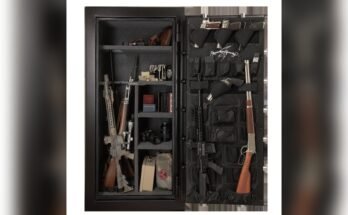
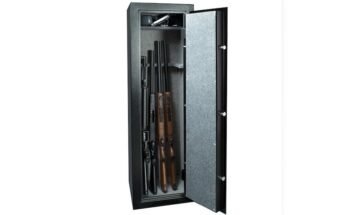
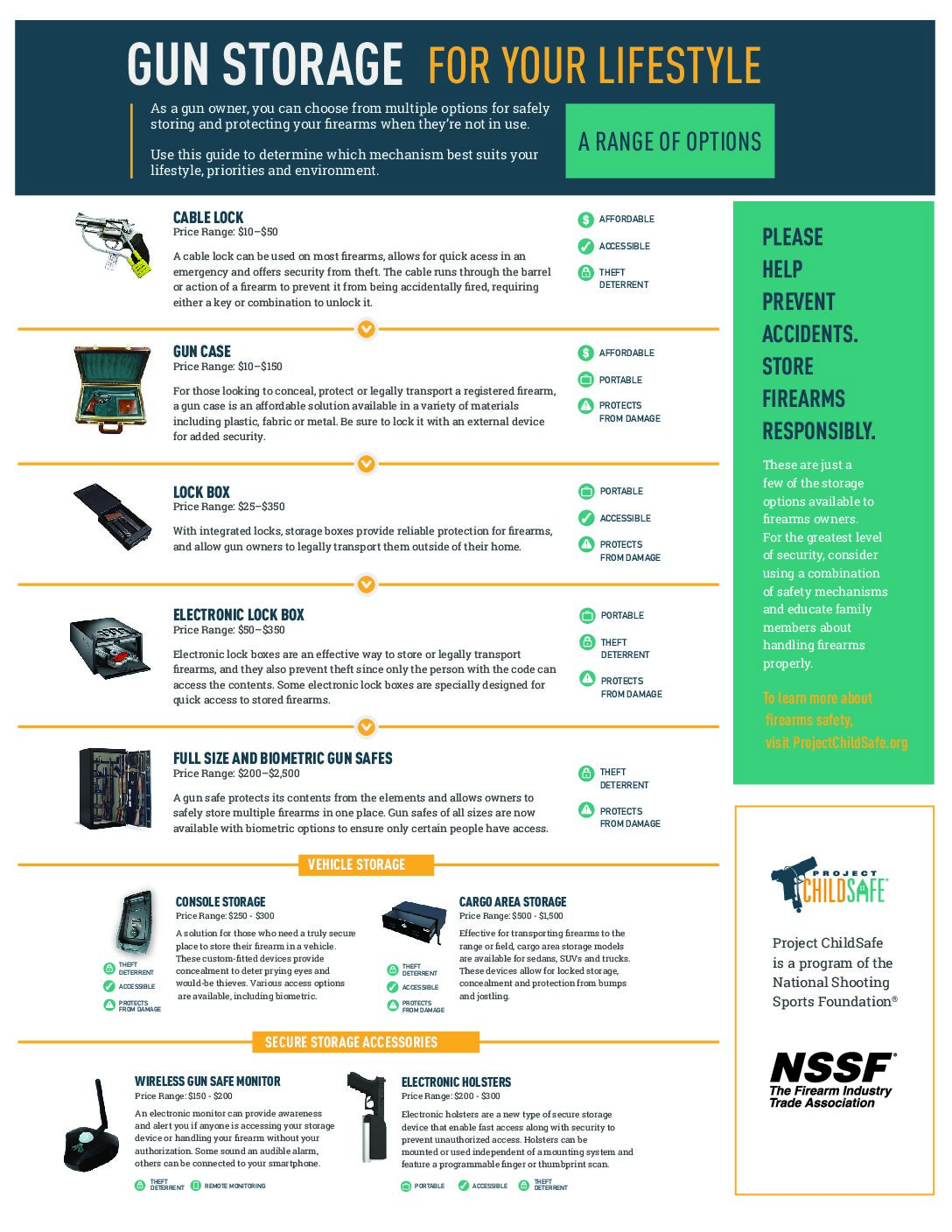
Gun safes offer strong protection and limit access. Lock boxes are smaller but still secure firearms well. Trigger locks block the gun’s firing mechanism. Cable locks prevent the gun from being loaded or fired. Each method adds a layer of safety to your home.

Federal Firearm Storage Laws
Federal firearm storage laws set the baseline rules for keeping guns safe. These laws aim to prevent accidents and unauthorized access. They apply across all states but can be supplemented by local laws. Understanding these rules helps gun owners store firearms responsibly and legally.
Key Regulations
Federal laws require gun owners to store firearms securely. Locked containers or gun safes are common methods. Firearms must be inaccessible to minors and unauthorized persons. The law also restricts storing guns in places where theft risks are high. Certain types of firearms have extra storage rules. The goal is to reduce accidents and theft.
Penalties For Non-compliance
Failing to follow federal storage laws can lead to serious penalties. These include fines and criminal charges. Penalties increase if a stored gun causes injury or death. Repeat offenders face harsher consequences. Law enforcement takes these violations seriously to protect public safety. Proper storage avoids these risks and legal troubles.
State-level Storage Rules
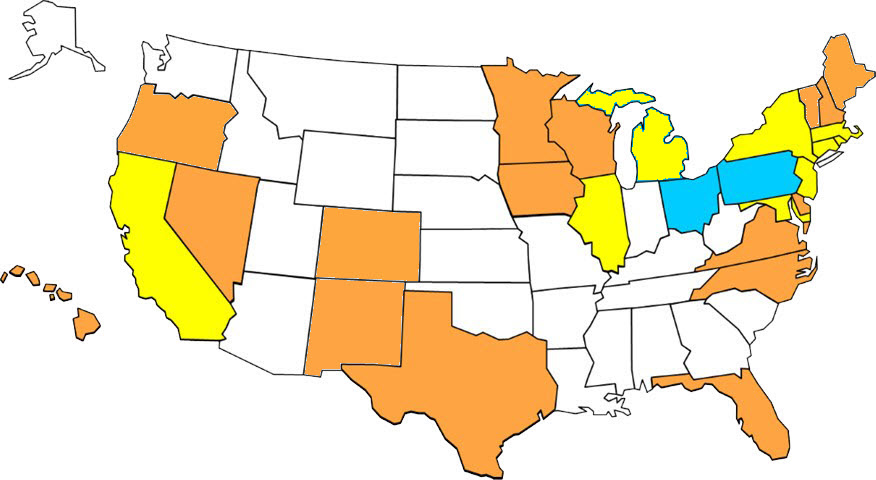
State-level firearm storage rules vary widely across the United States. Each state sets its own laws to control how guns must be stored. These laws aim to prevent accidents and unauthorized use. Some states have strict rules with clear storage requirements. Others have more relaxed or no specific storage laws. Understanding these differences is important for gun owners.
Variations Across States
Firearm storage laws differ in many ways. Some states require guns to be locked in a safe or with a trigger lock. Others only suggest safe storage but do not enforce it by law. Penalties for breaking these laws also vary. Some states impose fines, while others may have criminal charges. The diversity reflects local views on gun safety and regulation.
Examples Of Strict States
California and Massachusetts have strong firearm storage laws. They require guns to be stored locked and unloaded. These states impose penalties if children access unsecured firearms. Maryland also has strict storage rules with criminal penalties. These laws aim to reduce accidental shootings and theft. Gun owners must follow detailed rules to avoid legal trouble.
States With Lenient Laws
Some states like Arizona and Texas have fewer storage restrictions. They do not require firearms to be locked or unloaded. These states emphasize personal responsibility over strict rules. Gun owners have more freedom in how they store their weapons. However, they still face liability if a child accesses an unsecured gun. Laws here focus less on storage specifics.
Safe Storage Practices
Safe storage practices help prevent accidents and theft. They protect children, visitors, and others from harm. Proper storage also follows the law and shows responsibility. A few simple steps make a big difference in safety and peace of mind.
Choosing The Right Safe
Select a sturdy safe made of strong metal. It should have a reliable locking system. Choose safes that are fireproof and waterproof for extra protection. Size matters; pick one that fits your firearms securely. Place the safe in a hidden but accessible spot in your home.
Using Gun Locks
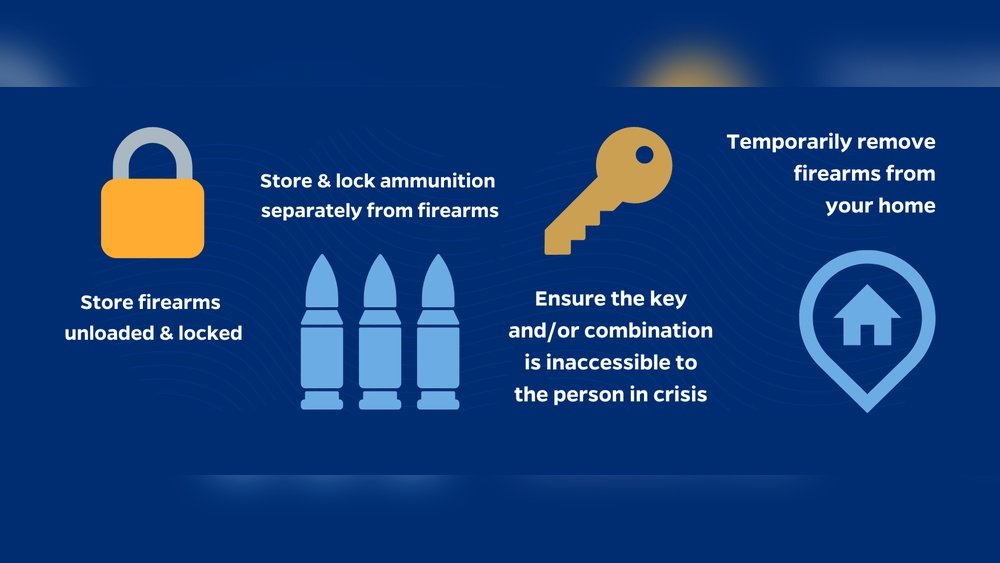
Gun locks block the trigger or barrel to stop use. They are cheap and easy to use. Many states require gun locks by law. Use cable locks or trigger locks based on your gun type. Always keep the key or combination separate from the firearm.
Storing Ammunition Separately
Keep ammunition in a locked container away from guns. This reduces the chance of accidents or misuse. Use a dry, cool place to store ammo safely. Label the container clearly to avoid confusion. Separate storage adds another layer of safety in your home.
Storage Laws For Specific Groups
Firearm storage laws often have special rules for certain groups. These laws aim to protect people who might be at higher risk. They help prevent accidents and misuse. Understanding these rules is important for safe gun ownership.
Laws For Minors
Many places require guns to be stored where minors cannot reach them. Locked gun safes or cabinets are common solutions. Some laws demand trigger locks or gun cases. The goal is to stop children from handling firearms unsafely. Parents and guardians must follow these rules strictly.
Requirements For Gun Owners With Mental Health Concerns
Gun owners with mental health issues may face stricter storage requirements. Some areas require secure storage to prevent unauthorized access. Mental health professionals might notify authorities if risks appear. Laws may mandate the use of safes or locking devices. These measures aim to reduce harm to the owner and others.
Consequences Of Improper Storage
Improper firearm storage can cause serious problems. It affects safety and legal standing. Understanding the consequences helps promote responsible ownership. Each mistake carries weighty effects.
Legal Ramifications
Failing to store guns properly breaks the law in many places. Penalties include fines, loss of gun rights, or even jail time. Laws aim to prevent accidents and crimes. Authorities take violations seriously. Records of offenses can affect future background checks. Legal trouble often lasts longer than expected.
Safety Risks
Unsafe gun storage puts people at high risk. Children or unauthorized users may find the firearm. Accidental shootings can happen easily. Proper storage prevents theft, reducing crime chances. Locked and secured guns protect families. Safety measures lower the chance of tragic events.
Tips To Stay Compliant
Staying compliant with firearm storage laws protects you and others. It helps avoid legal trouble and keeps guns away from unauthorized users. Simple habits make a big difference in following these rules.
Regularly Review Laws
Firearm laws change often. Check your local and state regulations regularly. Knowing the latest rules keeps you safe and informed. Use official government websites for updates. Don’t rely on old information or rumors. Set a reminder to review laws every few months.
Secure Your Firearms Effectively
Use strong gun safes or lockboxes to store firearms. Choose devices that meet legal standards. Keep keys or combinations private and out of reach of children. Store ammunition separately when required by law. Proper storage prevents accidents and theft. Always lock firearms, even at home.
Frequently Asked Questions
What Are Firearm Storage Laws?
Firearm storage laws regulate how guns must be safely stored. They aim to prevent unauthorized access, accidents, and theft. These laws vary by state and typically require locked containers or gun safes.
Why Are Firearm Storage Laws Important?
These laws help reduce accidental shootings and firearm theft. They protect children and unauthorized users from accessing guns. Proper storage promotes responsible gun ownership and enhances community safety.
Who Must Comply With Firearm Storage Laws?
Gun owners, sellers, and sometimes renters must follow these laws. Compliance depends on state regulations and ownership type. Violations can lead to fines or criminal charges.
How Do Firearm Storage Laws Differ By State?
Each state sets its own rules on gun storage. Some require locked safes; others mandate trigger locks. Penalties for non-compliance also vary widely between states.
Conclusion
Firearm storage laws help keep homes safe and secure. They require gun owners to store weapons properly. This prevents accidents and unauthorized use. Knowing these laws protects families and communities. Always check your state’s rules carefully. Safe storage means locking guns away and using safety devices.
Following these laws shows responsibility and care. Stay informed and act wisely to reduce risks. Protect your loved ones by handling firearms with respect. Safety starts with proper storage and awareness.