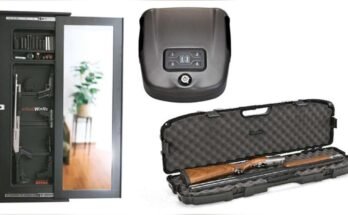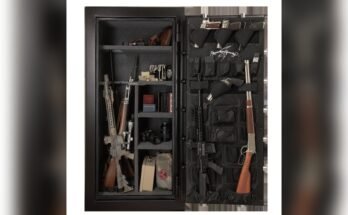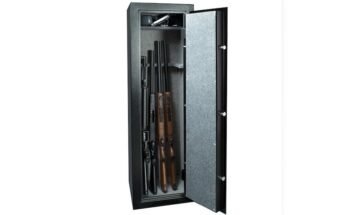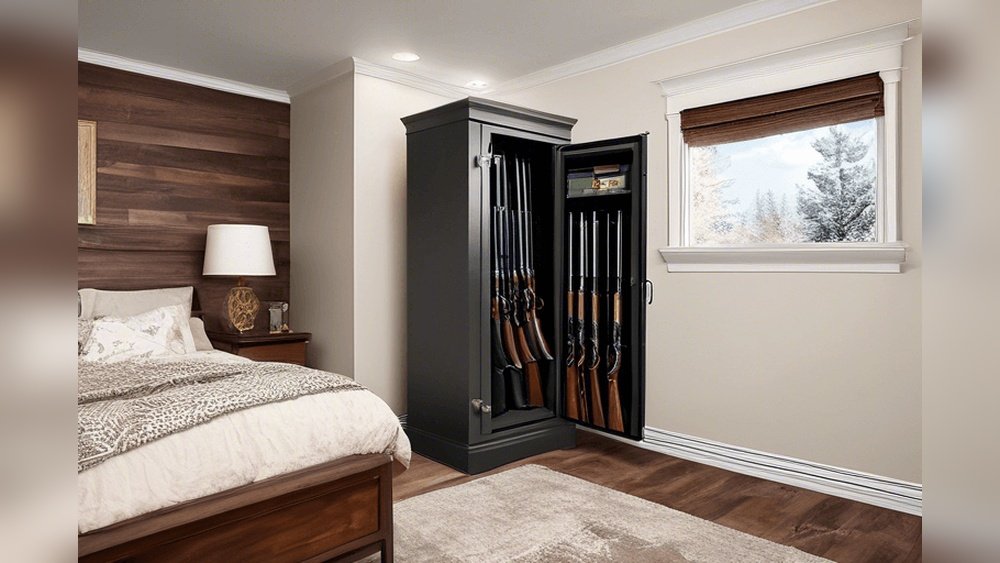
Are you wondering if you can put a rifle safe upstairs in your home? It’s a common question with important safety and practical reasons behind it.
You want to keep your firearms secure, but you also need easy access and peace of mind. Placing a rifle safe upstairs might seem convenient, but there are things you need to consider before making that choice. Keep reading to discover the key factors that will help you decide if an upstairs location is right for your rifle safe—and your safety.

Choosing The Right Location
Choosing the right location for a rifle safe upstairs is very important. The place must be strong, easy to reach, and safe from risks. A good spot keeps your rifles secure and protects your home. Think about the structure, how easy it is to get to, and what dangers to avoid.
Assessing Structural Support
Floors upstairs may not hold very heavy safes. Check the floor’s strength before placing your safe. Consult a builder if unsure. Make sure the floor can hold the weight without damage. A weak floor risks accidents or damage to the safe.
Considering Accessibility
Choose a spot easy to reach but not in plain sight. You want quick access during emergencies. Avoid places that are hard to get to or require moving heavy objects. Keep the safe where you can open it without trouble. This saves time and effort.
Avoiding High-risk Areas
Do not place the safe near water pipes or heating systems. These areas can cause damage from leaks or heat. Avoid spots near windows or doors that burglars might target. Choose a quiet, protected corner. This lowers the chance of theft or damage.
Safety Precautions For Upstairs Storage
Storing a rifle safe upstairs needs careful safety steps. The goal is to keep firearms secure and out of reach of children or intruders. Proper placement and strong locking help avoid accidents and theft. Follow these key precautions for safe upstairs storage.
Securing The Safe Properly
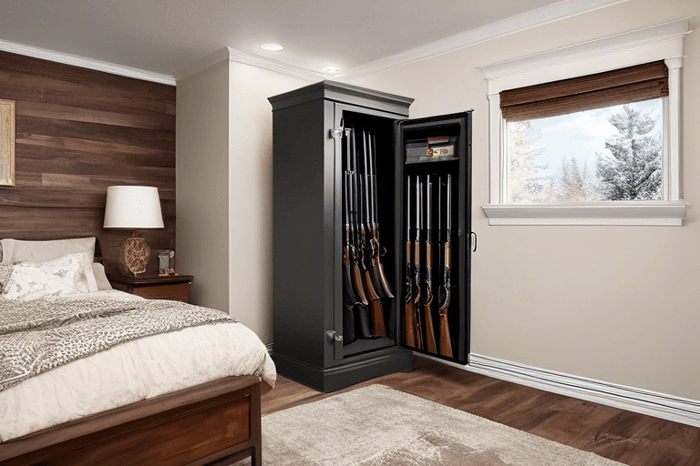
Place the safe on a flat, sturdy surface upstairs. Avoid areas prone to vibrations or movement. Check the floor strength before installation. Use a level to keep the safe steady. This prevents tipping or shifting during use or in case of an earthquake.
Using Anchors And Mounts
Use strong anchors or mounts to fix the safe to the floor or wall. Choose anchors made for heavy loads. Secure bolts tightly to stop the safe from being moved or stolen. This adds extra protection and stability for your upstairs safe.
Preventing Unauthorized Access
Keep the safe locked at all times. Use a combination lock or electronic keypad with a unique code. Do not share the code with others. Consider a biometric lock for easier but secure access. Store keys or backup codes in a secret, safe place.
Environmental Factors To Consider
Placing a rifle safe upstairs involves more than just space. Environmental factors play a key role in keeping your firearms secure and in good condition. Consider temperature, humidity, fire risks, and ventilation before deciding the right spot.
Temperature And Humidity Control
Temperature affects metal parts and wood in firearms. Extreme heat or cold can cause damage over time. Humidity leads to rust and mold, harming your guns. A stable, moderate climate is best upstairs. Use a dehumidifier or air conditioner to keep moisture low. Avoid placing the safe near windows or heat sources.
Protecting Against Fire And Flood
Fire can destroy your safe and firearms quickly. Many upstairs areas have less fire protection than basements. Choose a fire-resistant safe for extra safety. Flood risk is usually lower upstairs but check local conditions. Avoid rooms prone to leaks, like bathrooms or kitchens. Keep your rifle safe away from pipes and water sources.
Ventilation Needs
Ventilation helps reduce moisture build-up inside the safe. Poor airflow causes condensation and rust. Ensure the room has good air circulation. Avoid cramped or sealed spaces without ventilation. Use moisture-absorbing products inside the safe. Proper airflow keeps your firearms dry and safe.
Types Of Rifle Safes Suitable For Upstairs
Choosing the right rifle safe for upstairs requires careful thought. The type of safe must fit the space and meet safety needs. Some safes are heavy and large, while others are small and easy to hide.
Safety features like fire resistance add extra protection. Compact safes offer convenience and can fit in tight spots. Knowing these types helps pick the best safe for upstairs storage.
Weight And Size Considerations
Upstairs floors can support only so much weight. Large, heavy safes may cause damage or be hard to move. Lightweight safes with strong materials work well upstairs. Size matters too. Choose a safe that fits your space comfortably.
Fire-resistant Models
Fire-resistant safes protect rifles from heat and flames. These safes have special insulation inside. They keep guns safe longer during a fire. Many come with ratings that show how long they resist heat.
Compact And Concealable Options
Small safes fit in closets, under beds, or behind furniture. These models are easy to hide from intruders. Some safes look like normal furniture or wall panels. They provide quick access without taking much space.
Legal And Insurance Implications
Storing a rifle safe upstairs in your home involves more than just finding space. Legal and insurance rules affect where and how you keep your firearms. Understanding these rules helps you stay safe and avoid problems.
Compliance With Local Laws
Every area has different laws about gun storage. Some places require safes to be in specific rooms or locked in certain ways. Check your local laws before placing a rifle safe upstairs. Following the law protects you from fines and legal trouble. It also ensures safe storage, reducing risks of accidents or theft.
Impact On Home Insurance
Home insurance policies often have rules about firearms. Your insurer may require a safe to be in a secure location. Storing a rifle safe upstairs might affect your coverage. Inform your insurance company about the safe’s location. This helps avoid denied claims if theft or damage happens.
Documentation And Record Keeping
Keep detailed records of your firearms and safe. Include purchase receipts, serial numbers, and safe location. This documentation helps prove ownership and may be needed for insurance claims. Good record keeping shows responsibility and helps in emergencies or legal checks.
Maintenance And Regular Checks
Maintaining a rifle safe upstairs needs regular care. This keeps your firearms secure and the safe working well. Simple checks prevent problems and extend the safe’s life. Regular maintenance also protects your investment.
Routine Safe Inspections
Check the safe’s exterior for dents or damage. Look inside for signs of moisture or rust. Clean dust and dirt from hinges and seals. Test the door’s fit to ensure it closes tightly. Regular checks help find issues early.
Lock Mechanism Upkeep
Try the lock often to keep it smooth. Use recommended lubricants on mechanical parts. Avoid oil on electronic keypad buttons. Replace batteries in digital locks yearly. Proper lock care prevents jams and failures.
Updating Security Measures
Change combination codes regularly for safety. Upgrade locks if technology improves. Add extra alarms or sensors if needed. Keep your security system up to date. This keeps your rifles safer upstairs.
Frequently Asked Questions
Can A Rifle Safe Be Securely Installed Upstairs?
Yes, a rifle safe can be securely installed upstairs. Ensure the floor supports the safe’s weight and use proper anchoring techniques to prevent tipping or theft.
What Are The Benefits Of Placing A Rifle Safe Upstairs?
Placing a rifle safe upstairs offers quick access during emergencies and better protection from floods or basement moisture.
How To Prevent Noise When Placing A Rifle Safe Upstairs?
Use rubber mats or padding beneath the safe to reduce noise. Secure the safe tightly to prevent movement and minimize sound.
Does Upstairs Placement Affect Rifle Safe Security?
No, upstairs placement does not reduce security if the safe is properly anchored and access is controlled. Structural support is key.
Conclusion
Placing a rifle safe upstairs is possible with careful planning. Consider the safe’s weight and the floor’s strength first. Choose a spot away from heat and moisture for protection. Secure the safe to prevent accidents or theft. Keep easy access in mind for emergencies.
A well-placed rifle safe keeps guns secure and ready. Safety and convenience should guide your choice always. Think about your home and family needs before deciding. A safe upstairs can work well with the right steps.