When it comes to protecting your firearms, you want the best security possible. You’ve probably heard about hidden gun safes and traditional safes, but which one truly keeps your guns safe?
You might be wondering if a hidden safe is just a clever disguise or if it really offers the same level of protection as a traditional safe. This article will help you uncover the truth so you can make the smartest choice for your safety and peace of mind.
Keep reading to find out what really matters when it comes to securing your firearms.
Types Of Gun Safes
Gun safes come in different types to fit various needs. Each type has unique features for security and storage. Understanding these types helps in choosing the right safe.
Some safes focus on strong materials and locks. Others blend into home decor for discreet protection. Both types aim to keep guns safe from theft and accidents.
Traditional Safes
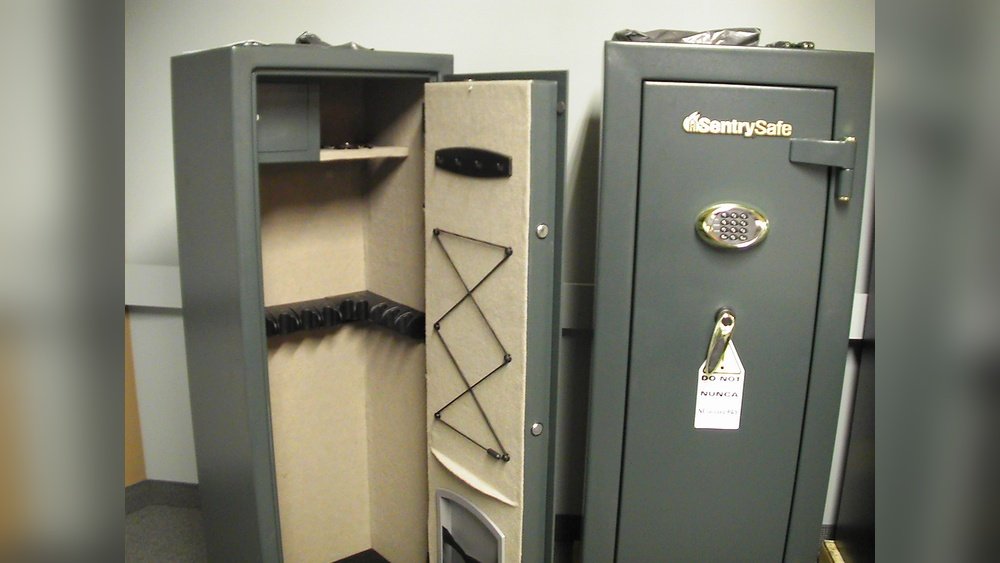
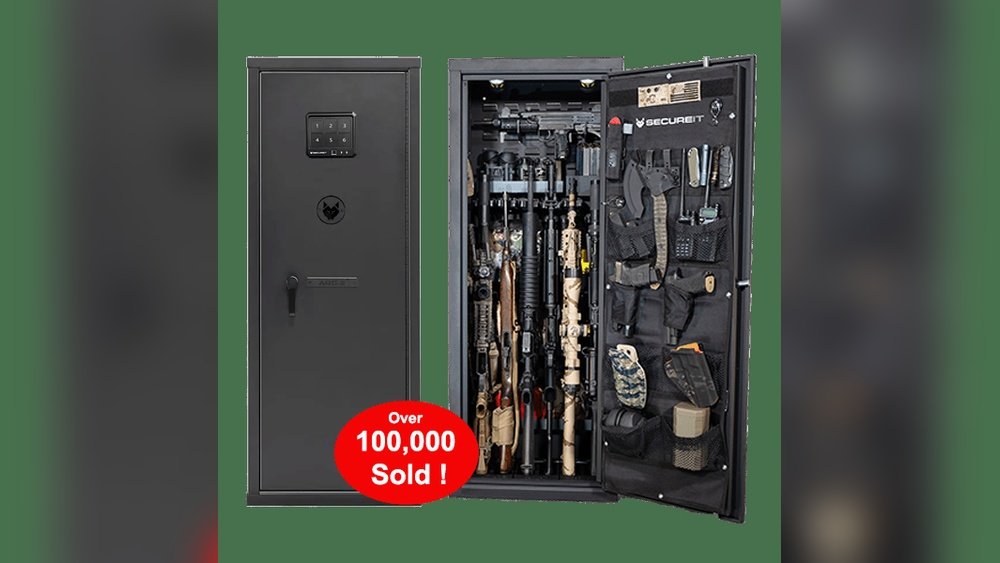
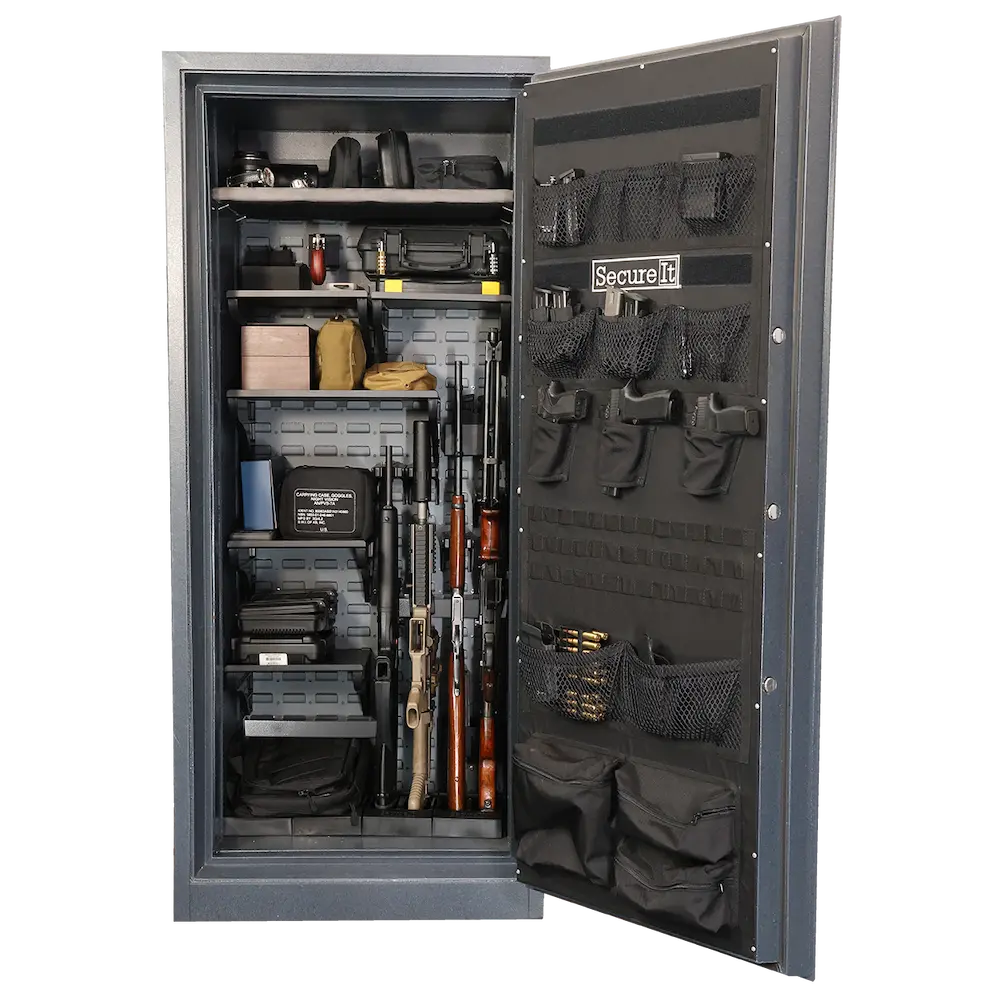
Traditional safes are made from thick steel. They have strong locking mechanisms like combination dials or electronic keypads. These safes are heavy and hard to move.
They offer solid protection against break-ins. Fire resistance is common, protecting guns from heat damage. Many families trust these safes for long-term security.
Hidden Gun Safes
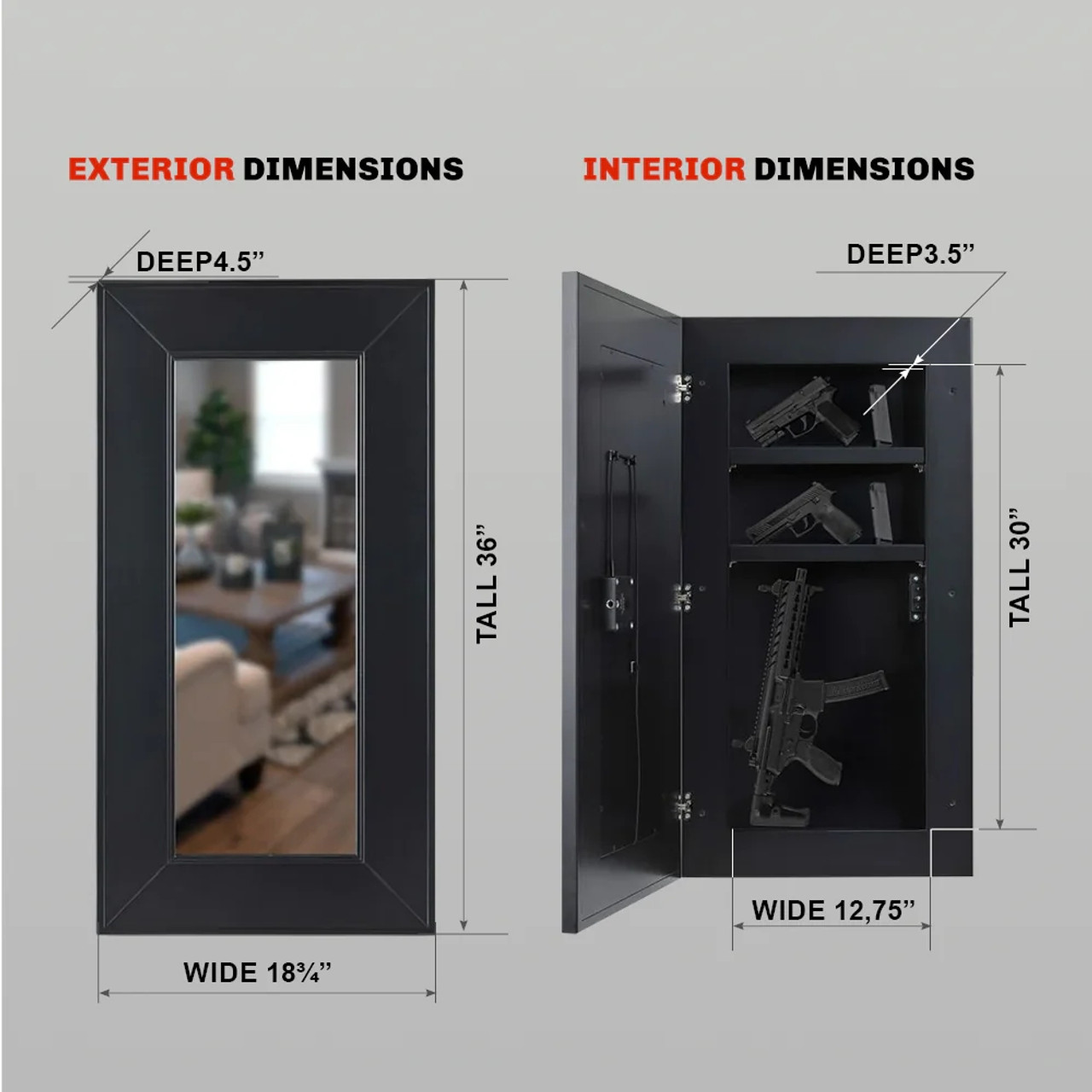
Hidden gun safes hide guns inside furniture or walls. They look like normal household items, such as books or cabinets. This disguise makes them less obvious to thieves.
These safes are easier to access quickly. They offer good security but rely on being unnoticed. Hidden safes suit people who want guns close but out of sight.
Security Features Compared
Security features are the key to choosing the right gun safe. Both hidden and traditional safes offer protection, but their features differ. Understanding these differences helps pick the best option for your needs.
Focus on locking mechanisms, material strength, and tamper resistance. These factors determine how well your firearms stay safe.
Locking Mechanisms
Traditional safes use combination dials, electronic keypads, or biometric locks. These locks are strong and tested over time. Hidden safes often have simpler locks to keep them discreet. Some use magnetic locks or hidden buttons. They may not be as strong but can delay intruders by surprise.
Material Strength
Traditional safes usually have thick steel walls and heavy doors. This makes them hard to break or cut open. Hidden safes vary in material. Some use lighter metals or wood to blend in with furniture. This can lower protection against strong attacks. Choose hidden safes with reinforced steel for better safety.
Tamper Resistance
Traditional safes often have features like drill-resistant plates and anti-pry bars. These prevent forced entry by tools. Hidden safes rely more on concealment to avoid detection. Some models add tamper alarms or silent alerts. While less visible, they may lack advanced resistance features found in traditional safes.
Accessibility And Convenience
Accessibility and convenience are key factors when choosing a gun safe. Quick access to your firearm can be critical in emergencies. At the same time, the safe must not be easily found by unauthorized people. Balancing these needs is a challenge for both hidden and traditional safes.
Quick Access Options
Hidden gun safes often feature fast opening methods. Many use fingerprint scanners or keypad codes. These allow you to open the safe quickly without fumbling for keys. Some hidden safes even use magnetic locks that open with a special key or card. Traditional safes may take longer to open, especially if they use manual locks. Quick access is vital for personal safety and emergency use.
Placement And Disguise
Hidden safes blend into everyday surroundings. They can be built into walls, furniture, or under floors. This makes them hard to spot by intruders. Traditional safes are usually bulky and stand out in a room. The better the disguise, the less chance of theft. However, hidden safes must still be placed where you can reach them fast. Good placement ensures both security and ease of use.
Expert Opinions On Security
Experts share mixed views on the security of hidden gun safes versus traditional safes. Their opinions help us understand the strengths and weaknesses of each type. This section highlights insights from law enforcement and security professionals.
Law Enforcement Perspectives
Police officers often see hidden safes as a good tool for keeping guns away from children. They value safes that are difficult to find and open quickly in emergencies. Some officers worry that hidden safes might be less strong against break-ins. They say traditional safes usually have thicker steel and stronger locks. Many recommend combining a hidden safe with other safety measures.
Security Professionals’ Views
Security experts focus on build quality and lock mechanisms. They say traditional safes often have better resistance to drills and force. Hidden safes can be secure if made with strong materials. Experts suggest checking certifications like UL ratings. They advise users to pick safes that match their security needs. Some note hidden safes might be easier to bypass if the hiding spot is obvious.
Common Vulnerabilities
Hidden gun safes and traditional safes both have weak spots. Knowing these common vulnerabilities helps you choose better protection. Every safe type has risks that can affect security. Understanding these risks is key for gun owners.
Potential Weak Points In Hidden Safes
Hidden safes rely on secrecy. If found, their security depends on construction quality. Thin walls or weak locks make them easier to break. Some hidden safes use cheap materials to keep costs low. Poor installation can expose the safe to damage or theft. Hinges and locking mechanisms are common targets. Access points like doors or panels need strong reinforcement. Hidden safes may lack fire resistance compared to traditional safes. Regular checks ensure the safe remains secure and undamaged.
Risks With Traditional Safes
Traditional safes are heavy and solid but not invincible. They can be pried open with tools if weak spots exist. Older safes might have outdated locks that are easier to pick. Bolts and hinges may rust or weaken over time. Improper anchoring allows thieves to carry the safe away. Fire resistance varies among models and affects gun protection. Some safes take longer to open, which can be a problem in emergencies. Routine maintenance helps keep locks and bolts working well.
Choosing The Right Safe
Choosing the right safe is essential for protecting your firearms effectively. The decision depends on several factors that match your needs and space. Not every safe fits every situation.
Consider the level of security you require. Think about your budget and where the safe will be placed. These points help you pick the best option.
Assessing Security Needs
Start by determining how secure your safe must be. Are you protecting guns from children, burglars, or both? Some safes offer basic lock systems, while others have advanced features like biometric locks.
Hidden gun safes blend into furniture or walls. They add a layer of secrecy but may have lighter security. Traditional safes often have thicker steel and stronger locks. Match the safe’s security to your risk level.
Budget Considerations
Set a clear budget before buying a safe. High-security safes usually cost more. Hidden safes can be less expensive but vary in quality.
Think about how much you can spend without cutting corners. A cheap safe might not protect well. Investing in a good safe saves money and stress later.
Space And Location Factors
Measure the space where you want to place your safe. Hidden safes fit in smaller or unusual spots. Traditional safes need dedicated areas, often on the floor.
Consider convenience too. You want to access your firearms quickly in emergencies. Choose a location that balances security and ease of use.
Frequently Asked Questions
Are Hidden Gun Safes As Secure As Traditional Safes?
Hidden gun safes offer good security but may lack the heavy-duty protection of traditional safes. They rely on concealment, while traditional safes focus on strong materials and locks. For maximum security, choose a safe with solid construction and reliable locking mechanisms.
What Are The Benefits Of Hidden Gun Safes?
Hidden gun safes provide discreet storage, reducing theft risk. They blend with home decor and can be placed in unexpected locations. This concealment adds an extra layer of security against unauthorized access, especially in homes with children or frequent visitors.
Can Hidden Gun Safes Prevent Unauthorized Access?
Yes, hidden gun safes can prevent unauthorized access if equipped with quality locks and sturdy build. Their concealment makes them less likely to be targeted. However, the level of security depends on the safe’s design and locking system.
How Do Traditional Safes Compare In Durability?
Traditional safes are typically more durable due to thick steel walls and fireproof materials. They resist physical attacks better than hidden safes. For long-term protection against break-ins and fire, traditional safes often provide superior durability.
Conclusion
Hidden gun safes offer a discreet way to store firearms. Traditional safes provide strong, visible protection. Each type has its own benefits and limits. Choosing depends on your needs and home setup. Security matters most, no matter the safe style.
Stay informed and pick what fits you best. Safety first, always.