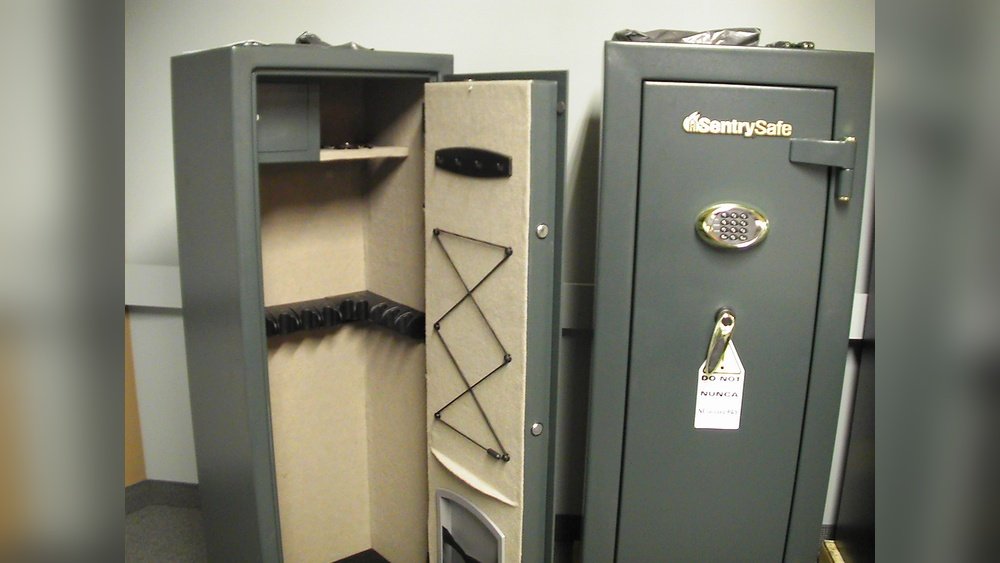
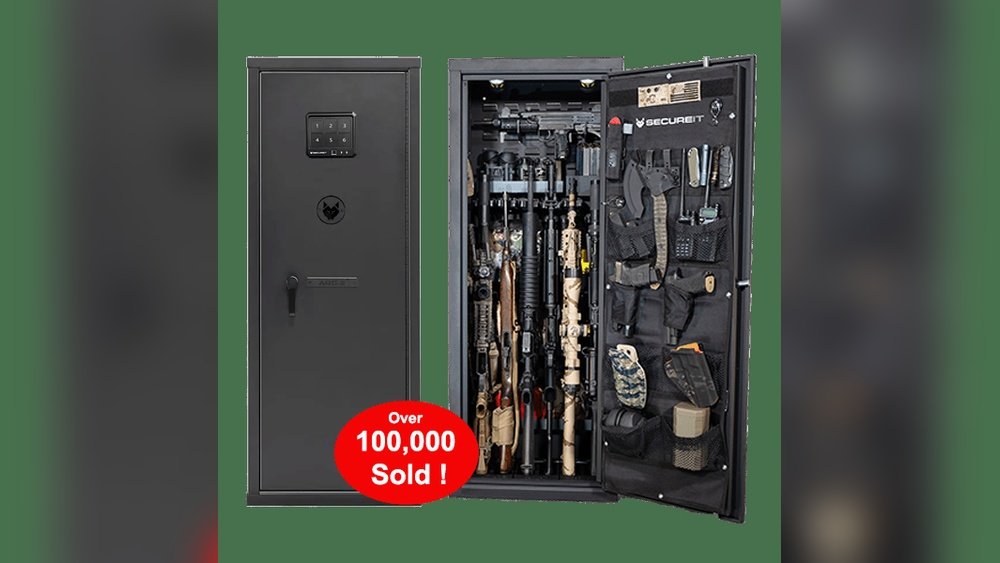
If you own a hidden gun safe, you know how important it is to keep it secure and in top shape. But do you know the best way to maintain and clean it without risking damage or compromising safety?
Taking care of your hidden safe isn’t just about appearance—it’s about protecting your valuables and ensuring quick access when you need them most. You’ll discover simple, effective steps to keep your hidden gun safe working smoothly for years to come.
Ready to learn the secrets to safe and smart maintenance? Let’s dive in.

Choosing The Right Location
Choosing the right location for a hidden gun safe is vital for its security and maintenance. The location affects how well the safe is concealed and its condition over time. A good spot keeps your firearms safe, dry, and easy to access in emergencies. Think about where you spend most time and where others rarely look. This helps keep your safe truly hidden and protected.
Factors For Concealment
Pick a spot that blends with the surroundings. Avoid places that stand out or look unusual. Inside closets, behind false walls, or under furniture are great options. The location should not attract attention or be obvious to visitors. Make sure it is easy for you to reach but hard for others to find. Consider everyday routines to avoid revealing the safe’s place.
Avoiding Moisture And Humidity
Moisture can damage your gun safe and firearms inside. Avoid basements, bathrooms, or areas with poor ventilation. Choose dry, cool places with stable temperatures. Use a dehumidifier or moisture absorber inside the safe if needed. Proper ventilation helps prevent rust and mold. Keep the safe away from windows or places prone to leaks and spills.
Regular Cleaning Routine
Maintaining a hidden gun safe requires a regular cleaning routine. This keeps the safe in good condition and protects your valuables. Cleaning helps prevent dust buildup and potential damage. It also ensures smooth operation of locks and hinges. Follow these simple steps to care for your safe effectively.
Safe Exterior Care
Start by wiping the safe’s exterior with a soft, damp cloth. Avoid harsh chemicals that can damage the finish. Use mild soap if needed. Dry the surface completely after cleaning. Check hinges and locks for dirt or rust. Apply a light oil to moving parts to keep them working well. Regularly inspect the exterior for scratches or dents. This helps you spot issues early.
Interior Dust And Debris Removal
Open the safe and remove all contents. Use a soft brush or microfiber cloth to clean inside. Remove dust, dirt, and small debris carefully. Avoid using water inside the safe to prevent rust. Vacuuming with a brush attachment works well for corners. Let the interior air out for a few minutes. This keeps moisture from building up inside.
Protecting Against Rust
Rust can damage your hidden gun safe over time. It weakens the metal and ruins the finish. Protecting your safe from rust helps keep it strong and secure. Simple steps can stop rust before it starts. Regular care is key to long-lasting protection.
Using Desiccants
Desiccants absorb moisture inside the safe. They keep the air dry and stop rust from forming. Silica gel packs are popular desiccants for safes. Place them in corners or shelves inside the safe. Replace or recharge them often to keep them working well. This method is easy and safe for your guns and ammo.
Applying Rust Inhibitors
Rust inhibitors form a protective layer on metal surfaces. Use sprays or oils made for gun safes. Apply a thin coat on the interior metal parts. This stops moisture from touching the metal. Clean the safe before applying to remove dirt or dust. Repeat the application every few months for best results.

Lubricating Moving Parts
Lubricating moving parts is key to keeping a hidden gun safe working smoothly. It helps parts move without sticking or making noise. Regular lubrication prevents rust and wear. This keeps your safe secure and easy to open.
Hinges And Locks Maintenance
Hinges must move freely. Apply a small amount of lubricant to each hinge. Open and close the door several times to spread the oil evenly. Locks also need lubrication. Put a drop inside the keyhole or on the lock mechanism. This stops the lock from jamming or sticking.
Recommended Lubricants
Use lubricants made for metal parts. Silicone spray and graphite powder work well. Avoid heavy oils that attract dust and dirt. These can cause more problems later. A light machine oil is also a good choice. Test the lubricant on a small spot first to avoid damage.
Battery And Electronic Maintenance
Battery and electronic maintenance is essential for hidden gun safes. These safes rely on power to keep your weapons secure. Without proper care, the lock may fail when you need it most. Regular checks help the safe work smoothly and last longer.
Electronic parts can wear out or lose power. Batteries drain over time, even if unused. Testing the lock ensures it responds quickly. Simple steps keep your safe ready anytime.
Replacing Batteries
Change batteries every six months or as needed. Use the type recommended by the safe manufacturer. Low batteries cause delayed or failed access. Remove old batteries carefully and insert new ones correctly. Clean battery contacts with a dry cloth to avoid corrosion. Always have spare batteries nearby for emergencies.
Testing Electronic Locks
Test the lock monthly to confirm it works well. Enter your code or use the key to open the safe. Listen for unusual sounds or delays. Check the keypad lights and display for proper function. If the lock reacts slowly, replace the batteries immediately. Regular testing helps avoid surprises during critical moments.
Security Checks
Security checks are vital for hidden gun safes. They keep your safe reliable and protect your valuables. Regular inspections help spot issues early. These checks ensure your safe works well every time you need it.
Inspecting For Damage
Look closely at the safe’s exterior and interior. Check for scratches, dents, or rust. Damage can weaken the safe’s structure. Also, examine the door seal for cracks or wear. Even small damage can affect security. Fix or replace damaged parts quickly.
Ensuring Proper Functionality
Test the locking mechanism often. Make sure the lock opens and closes smoothly. Check electronic keypads or combination dials for response. Batteries in digital safes should be fresh and working. Lubricate mechanical parts lightly to avoid stiffness. Proper function means your safe protects your guns well.
Best Practices For Long-term Care
Maintaining and cleaning a hidden gun safe ensures it works well for many years. Good care protects your firearms and keeps the safe secure. Regular attention prevents rust, dust, and mechanical issues. Follow simple steps to keep your safe in top condition.
Seasonal Maintenance Tips
Check your safe every season. Wipe the outside with a soft cloth. Avoid harsh cleaners that can damage the finish. Use a vacuum or compressed air to clean inside corners. Remove dust and debris from the lock and hinges. Test the locking mechanism to ensure it works smoothly. Apply a light lubricant to hinges if needed. Keep the safe dry to prevent rust. Use a moisture absorber inside the safe during humid months.
Professional Servicing
Schedule a professional inspection every few years. Experts can spot problems early. They clean hard-to-reach parts and service the locking system. A technician can replace worn components safely. Professional help extends your safe’s lifespan. It ensures your firearms stay secure and protected. Choose a certified locksmith or safe technician for best results.
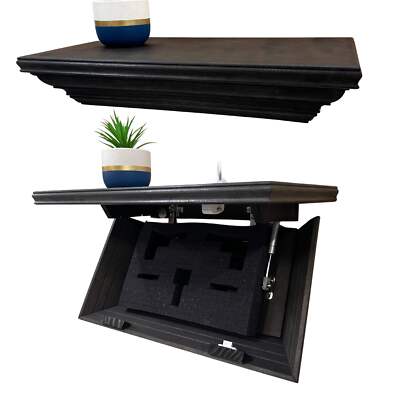
Frequently Asked Questions
How Often Should I Clean My Hidden Gun Safe?
Clean your hidden gun safe every 3 to 6 months. Regular cleaning prevents dust buildup and rust. Use a soft cloth and mild cleaner. Avoid harsh chemicals that can damage the safe’s finish. This keeps your safe and firearms in good condition.
What Is The Best Way To Lubricate A Gun Safe Lock?
Use a graphite-based lubricant for gun safe locks. Avoid oil-based lubricants that attract dust and dirt. Apply sparingly to the lock mechanism. Lubrication ensures smooth operation and prevents lock sticking. Regular maintenance extends the lock’s lifespan.
How Do I Prevent Rust Inside My Hidden Gun Safe?
Use a dehumidifier or silica gel packs inside the safe. These absorb moisture and prevent rust formation. Keep the safe in a dry, well-ventilated area. Regularly inspect firearms and safe interior for signs of rust. Proper humidity control protects your guns and safe.
Can I Use Household Cleaners On A Gun Safe?
Avoid harsh household cleaners on your gun safe. Use mild soap and water or specialized safe cleaning products. Harsh chemicals can damage the safe’s finish and lock mechanism. Always dry the safe thoroughly after cleaning to prevent moisture damage.
Conclusion
Maintaining a hidden gun safe keeps your valuables secure and lasting. Clean it regularly with a soft cloth and mild cleaner. Check locks and hinges to ensure they work smoothly. Avoid harsh chemicals that can damage the safe’s surface. Store it in a dry place to prevent rust and moisture.
Small steps make a big difference in safety and durability. Keep your gun safe ready for use at any time. Simple care protects your investment and peace of mind. Stay safe, stay prepared.