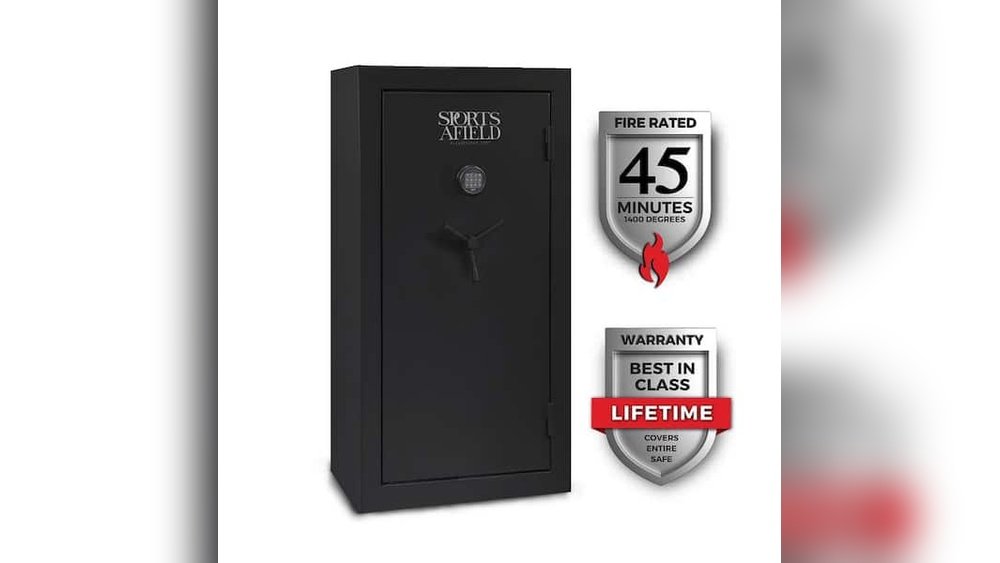
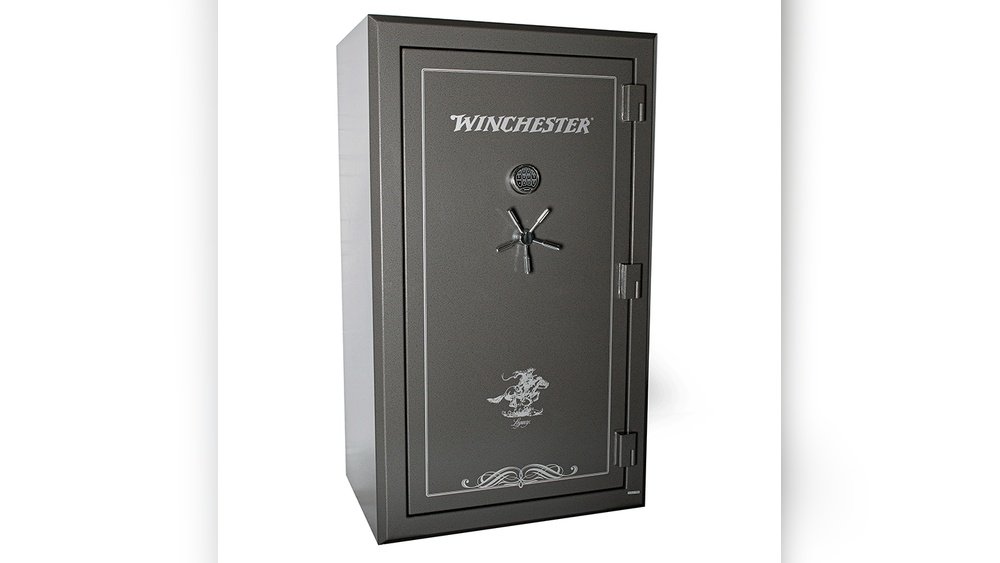
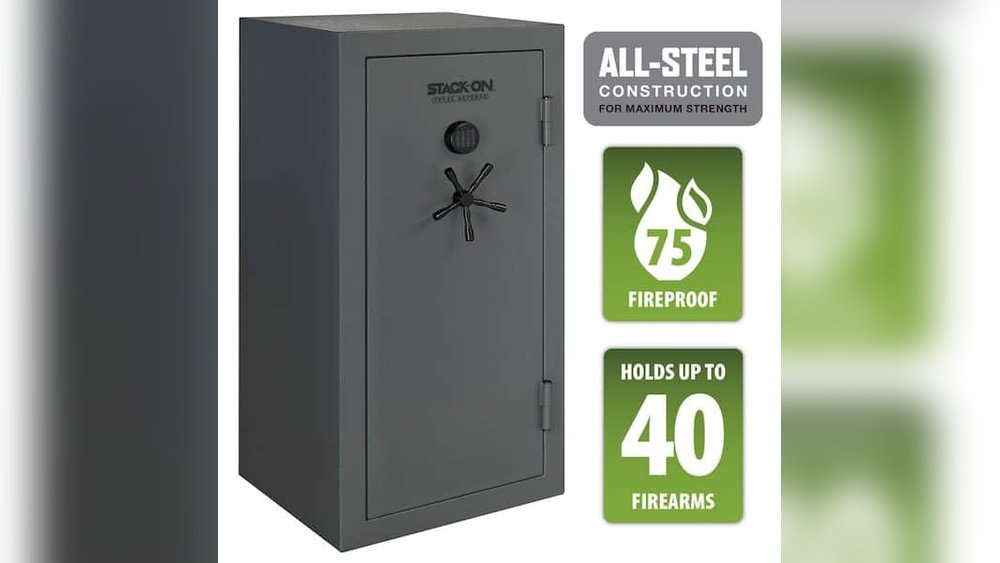
When it comes to protecting your firearms, choosing the right fireproof gun safe is crucial. But how do you know if the safe you’re considering is truly reliable?
The answer lies in the certifications it holds. These certifications are like a trusted stamp of approval, showing that your safe can withstand fire and keep your valuables secure. If you want to make sure your guns stay protected no matter what, understanding which certifications matter is a must.
Keep reading, and you’ll discover exactly what to look for before making your purchase.

Fireproof Ratings To Look For
Fireproof ratings help you know how well a gun safe can protect its contents from fire. These ratings come from tests by trusted organizations. They show how long the safe can resist heat and keep the inside cool. Choosing a safe with the right fireproof rating is key to protecting your valuables during a fire.
Ul Fire Resistance Classes
UL, or Underwriters Laboratories, sets fire resistance classes for safes. These classes tell how long a safe can handle fire. Classes include UL 1, UL 2, and UL 3. Each class means the safe can protect against fire for 30, 60, or 90 minutes. UL tests use high heat to check if the safe keeps the inside below 350°F. This temperature protects paper and other items from damage.
Etl Fire Protection Standards
ETL also tests fireproof safes for safety. Their standards are strict and trusted worldwide. ETL evaluates how long a safe can resist fire and how well it controls heat inside. They use real fire conditions to test the safe’s strength. Look for ETL certification to ensure the safe meets high fire protection levels.
Other Industry Fire Certifications
Besides UL and ETL, other certifications matter too. For example, Intertek and FM Approvals offer fire testing. These groups test safes under tough fire conditions. Their certifications add extra trust in the safe’s fire protection. Safes with these marks have proven their ability to protect items during fire emergencies.
Security Certifications For Gun Safes
Security certifications show how strong and safe a gun safe really is. They test if the safe can stop thieves and keep your firearms protected. These marks help buyers pick a safe that meets high security standards. Knowing these certifications helps you choose a safe you can trust.
Ul Residential Security Container (rsc)
The UL RSC certification is a standard for home safes. It means the safe passed strict tests against break-in tools. UL tests the door, lock, and body for strength. A safe with RSC can resist common burglary attempts. This certification assures good protection for your guns.
California Doj Compliance
The California Department of Justice has rules for gun safes. These safes must meet strict security and locking requirements. DOJ compliance means the safe follows California’s gun storage laws. This helps prevent unauthorized access to firearms. Buyers in California should look for this certification.
Other Security Testing Marks
Other marks come from organizations like the European EN or the Canadian CSA. These tests check for resistance to theft and tampering. Some safes have marks showing resistance to drill or pry attacks. These certifications add extra trust in a safe’s security. They show the safe meets high standards worldwide.
Water And Impact Resistance Ratings
Water and impact resistance ratings are key for a reliable fireproof gun safe. These ratings show how well the safe can protect your valuables from water damage and physical shocks. A safe with strong water and impact resistance keeps your guns and important documents secure in harsh conditions.
Flood And Water Damage Protection
Flood protection means the safe can stop water from entering during floods or leaks. Good safes have seals and materials that block water completely. Look for safes tested to resist water for a set time and depth. This protects guns from rust and damage to papers inside.
Water resistance also helps if the safe is near sprinklers or fire hoses. Certified safes stop water from ruining the contents. This is vital in homes or places where water damage is common.
Impact And Drop Test Certifications
Impact resistance shows how well the safe stands up to drops or hits. Certified safes pass tests where they fall from heights or get hit hard. This proves they can protect contents during accidents or attacks.
Drop tests often involve dropping a loaded safe to check damage inside. The safe must keep guns and items safe without breaking locks or walls. Impact ratings give peace of mind about durability and safety.
Additional Features To Consider
Choosing a fireproof gun safe involves more than fire ratings. Additional features add safety and ease of use. These features ensure your guns stay secure and accessible when needed.
Locking Mechanisms And Their Certifications
The locking system is vital for gun safe security. Common types include electronic keypads, biometric scanners, and traditional combination locks. Each type has certifications showing reliability and strength.
Look for locks tested by Underwriters Laboratories (UL). UL ratings like TL-15 or TL-30 show resistance to break-ins. Biometric locks should have strong anti-tampering features. Certification proves the lock can resist forced entry.
Bolt And Door Construction Standards
Strong bolts and doors prevent unauthorized access. Solid steel bolts offer better protection. Doors with multiple locking bolts spread around the frame increase security.
Check for safes tested under UL 1037 or similar standards. These tests measure door strength and bolt resistance. Fireproof safes with reinforced doors protect against heat and prying tools. Proper construction keeps contents safe during fire and burglary attempts.
How Certifications Affect Insurance
Certifications on a fireproof gun safe play a key role in insurance matters. They prove the safe meets certain safety and security standards. This proof affects insurance coverage and claims. Insurance companies often require specific certifications to accept a safe as valid protection.
Insurance Company Requirements
Many insurance firms demand that gun safes have recognized certifications. These include fire resistance and burglary protection ratings. Without these certifications, some insurers may not cover firearms stored in the safe. They want proof the safe can withstand fire or break-in attempts. Certified safes show reliability, making insurers more willing to offer coverage.
Certification And Premium Impact
Having a certified fireproof gun safe can lower insurance premiums. Insurers see less risk when firearms are securely stored. This can lead to discounts or better policy terms. Non-certified safes might increase premiums or cause higher deductibles. Certification signals safety. Insurance companies reward that with cost savings.
Verifying Certification Authenticity
Verifying the authenticity of fireproof gun safe certifications is crucial. Fake or expired certifications do not guarantee safety or fire resistance. Buyers must confirm that the certifications are valid and issued by recognized organizations.
Certification authenticity ensures the safe performs as claimed. It protects your valuable firearms and important documents. Taking time to verify can save money and prevent false security.
Checking Official Certification Databases
Start by visiting the official websites of certification bodies. These include organizations like Underwriters Laboratories (UL) or Intertek. They maintain updated lists of certified products.
Enter the safe’s model number or certification code. Confirm the safe matches the certification details exactly. Official databases provide reliable proof of testing and approval.
Red Flags To Avoid
Beware of certificates that look unofficial or have spelling errors. Missing or unclear certification numbers raise doubts. Avoid safes without verifiable certification from known agencies.
Be cautious of sellers who cannot provide proof of certification. Avoid deals that seem too good to be true. Trust only clear, documented certification to ensure safety.
Frequently Asked Questions
What Certifications Ensure A Fireproof Gun Safe Is Reliable?
Look for UL (Underwriters Laboratories) and ETL certifications. They verify fire resistance and durability. These marks ensure your safe protects guns during fires effectively.
Why Is Ul Fire Rating Important For Gun Safes?
UL fire rating indicates how long a safe withstands fire. It measures protection time at specific temperatures. Higher ratings mean better fire protection for your firearms.
Do Fireproof Gun Safes Need Burglary Certifications?
Yes, burglary certifications like TL-15 or TL-30 prove theft resistance. They ensure the safe can resist break-ins and keep guns secure from burglars.
How Does An Etl Certification Benefit Fireproof Gun Safes?
ETL certification tests fire and security performance. It confirms the safe meets strict safety standards. This certification assures quality and reliability in fire and theft protection.
Conclusion
Choosing a fireproof gun safe with the right certifications matters a lot. These certifications prove the safe’s strength and reliability. They show the safe can protect guns from fire and theft. Look for safes tested by trusted labs and meet safety standards.
This helps keep your firearms secure and undamaged. Always check the labels and documents before buying. A certified safe gives you peace of mind. Protect what matters most with a safe that meets these key certifications. Trust in quality and safety every time.