Moving a large rifle safe upstairs can feel like a huge challenge. You might be worried about damaging your floors, hurting yourself, or even scratching your safe.
But with the right steps, you can make this tough job much easier and safer. You’ll discover practical tips and simple tricks to move your heavy safe without stress. Keep reading, and you’ll gain the confidence to handle this task like a pro.
Assessing The Safe And Space
Moving a large rifle safe upstairs needs careful planning. The first step is to assess the safe and the space around it. This ensures a smooth and safe move. You must know the size of the safe, the path it will take, and the strength of the floor. Taking time to check these details avoids damage and injury.
Measuring The Safe Dimensions
Start by measuring the height, width, and depth of the safe. Use a tape measure for accuracy. Write down these numbers. Knowing the exact size helps plan the route. It also tells you how many people or tools you need. Remember to include the safe’s weight in your notes.
Evaluating Staircase And Doorway Size
Measure the width and height of all doorways and staircases. Check for any low ceilings or tight corners. The safe must fit through every space. Don’t forget to check the stair width and railing positions. This helps decide the best angle to carry the safe. Clear obstacles before starting the move.
Checking Floor Load Capacity
Verify the floor can hold the safe’s weight. Floors upstairs may be weaker than downstairs. Consult a professional if unsure about floor strength. Too much weight can cause damage or accidents. Knowing the load limit keeps everyone safe during the move.
Gathering Essential Tools And Equipment
Moving a large rifle safe upstairs requires careful planning and the right tools. Using proper equipment makes the job safer and easier. It helps prevent damage to the safe and your home.
Gathering essential tools and equipment before starting is key. This step prepares you for challenges like heavy weight and tight spaces. It also helps avoid injuries and delays during the move.
Choosing The Right Moving Straps
Moving straps help lift and carry heavy items with less effort. Choose straps made of strong, durable material. Look for wide straps that spread the weight evenly. Adjustable straps fit different sizes and help secure the safe firmly.
Use straps with padded handles for comfort. They reduce strain on your hands and arms. Proper straps improve control and reduce the risk of dropping the safe.
Using Dollies And Hand Trucks
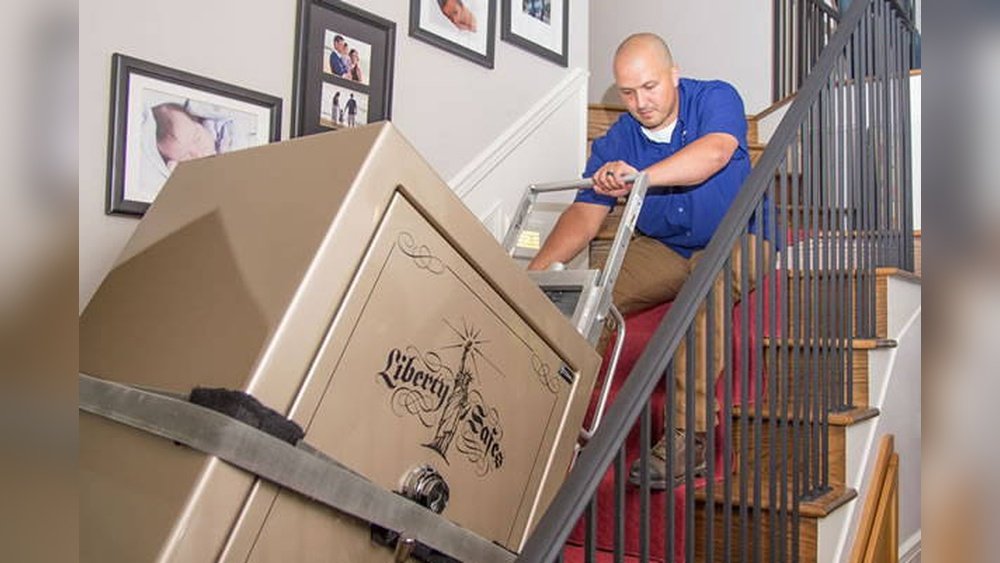
Dollies and hand trucks make moving heavy safes easier. They allow you to roll the safe instead of carrying it. Choose a dolly with a strong frame and good wheels. Pneumatic wheels work well on stairs and rough surfaces.
Hand trucks with straps help secure the safe while moving. Always check the weight limit before use. Using these tools reduces fatigue and increases safety during the move.
Wearing Protective Gear
Protective gear keeps you safe during the move. Wear gloves to protect your hands from cuts and blisters. Gloves also improve your grip on the safe and straps.
Wear sturdy shoes with good traction. They prevent slips and protect your feet from heavy impacts. Consider back support belts to reduce strain on your lower back. Safety gear lowers the risk of injury and helps you move the safe confidently.
Preparing The Pathway
Preparing the pathway is a key step before moving a large rifle safe upstairs. It helps prevent accidents and damage. Careful planning makes the move smoother and safer. Clear paths and protect your home to avoid costly repairs. Focus on these three areas to get ready.
Clearing Obstacles On Stairs
Remove any items on or near the stairs. Boxes, rugs, and furniture can cause trips or block the way. Clear both the stair steps and landings. Make sure there is enough space to carry the safe comfortably. A wide, clear path reduces the risk of injury.
Protecting Walls And Railings
Use blankets or foam to cover walls and railings. The safe can scratch or dent surfaces during the move. Padding protects both your home and the safe. Tape the padding securely so it does not slip. This step saves repair costs and keeps your home looking good.
Ensuring Adequate Lighting
Bright lighting is important for visibility on stairs. Dark or dim areas increase the chance of accidents. Use extra lamps or portable lights if needed. Make sure every step is clearly visible. Good lighting helps movers see obstacles and handle the safe safely.
Techniques For Moving The Safe Upstairs
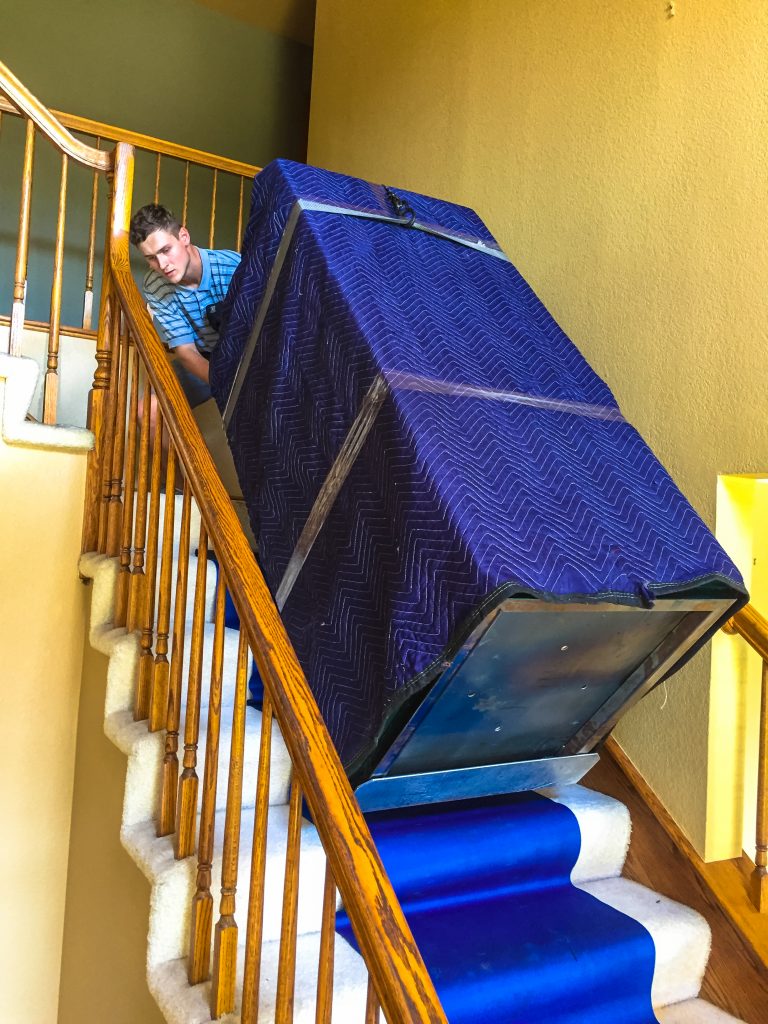
Moving a large rifle safe upstairs requires careful planning and smart techniques. The safe’s size and weight make it hard to carry. You need the right methods to keep it safe and avoid injury. Below are key techniques to help you move the safe smoothly and securely.
Team Coordination And Communication
Moving a heavy safe is a team effort. Everyone must understand their role clearly. Talk through each step before lifting. Use simple signals to guide each other. Keep constant communication to adjust your moves. Working together reduces risks and makes the task easier.
Using The Tilt And Pivot Method
This method helps navigate stairs safely. Tilt the safe slightly to balance its weight. Pivot it carefully around corners and stair edges. Move slowly and steadily. This technique prevents damage to the safe and the home. Practice control to avoid slips or falls.
Leveraging Mechanical Assistance
Tools can make the job safer and faster. Use a dolly with straps to hold the safe tight. Stair-climbing dollies are especially useful on stairs. Ropes and harnesses add extra support. Mechanical aids reduce the strain on your body. Always check that equipment is secure before lifting.
Safety Precautions During The Move
Moving a large rifle safe upstairs is a tough job. Safety must be the top priority. Taking the right precautions helps avoid injuries and damage. Prepare well before starting the move. Use safe techniques throughout the process.
Lifting With Proper Posture
Bend your knees, not your back. Keep your back straight while lifting. Hold the safe close to your body. This reduces strain on your muscles. Avoid twisting your body during the lift. Move your feet to turn instead. Proper posture prevents back injuries.
Avoiding Overexertion
Don’t try to lift the safe alone. Ask for help from others. Take breaks if you feel tired. Use equipment like dollies or straps to ease the load. Listen to your body’s signals. Overexertion can cause serious injury.
Planning For Emergencies
Have a phone nearby in case of an accident. Keep a first aid kit ready. Know the fastest way to get help. Inform someone about your moving plan. Being prepared can reduce risks during the move.

Alternative Solutions For Difficult Moves
Moving a large rifle safe upstairs can be tough. Sometimes, stairs are narrow or the safe is very heavy. Simple carrying may not work. It helps to try other ways. These methods can make the move safer and easier. Here are some options to consider for difficult moves.
Hiring Professional Movers
Professional movers have tools and skills for heavy items. They know how to handle big safes safely. They use dollies, straps, and padding to protect your safe and walls. Movers save time and reduce injury risk. This option works well when the safe is very heavy or stairs are tight.
Disassembling The Safe
Some safes come apart into smaller parts. Removing doors or shelves makes the safe lighter. It is easier to carry smaller pieces upstairs. Check your safe’s manual for disassembly steps. Keep all parts safe during the move. Reassemble the safe once upstairs. This method helps if the safe is too big for stairs.
Using Exterior Access Points
Sometimes, moving the safe inside is impossible. Look for windows or balconies that allow outside access. Use ropes or a crane to lift the safe carefully. This method needs planning and safety checks. It is useful when stairs or doors are too small for the safe. Hiring experts for this can ensure no damage happens.
Final Placement And Setup
After moving a large rifle safe upstairs, focus on its final placement and setup. This step ensures your safe stays secure and works properly. Proper setup protects your rifles and valuables.
Place the safe carefully to avoid damage and keep it stable. Check every detail to make sure the safe is ready for use. Follow these steps for a secure and safe setup.
Positioning The Safe Securely
Choose a spot with strong flooring to hold the safe’s weight. Avoid areas near windows or places with heavy foot traffic. Keep the safe close to a wall for extra support. Make sure there is enough space around the safe for easy access. Position it where it stays out of sight but easy to reach.
Leveling And Anchoring
Use a level tool to check if the safe sits flat. Adjust the base using shims or pads if it tilts. A level safe prevents door problems and keeps contents safe. Secure the safe to the floor or wall with heavy-duty anchors. Anchoring stops the safe from tipping or moving during use.
Maintaining The Safe Post-move
Clean the safe’s exterior to remove dust and dirt from the move. Check the locking mechanism to ensure it works smoothly. Lubricate hinges and locks with proper oil to avoid rust. Regularly inspect the safe for any damage or wear. Keep the safe dry and avoid placing it near moisture sources.

Frequently Asked Questions
How Do I Safely Move A Large Rifle Safe Upstairs?
Use a sturdy dolly and secure the safe with straps. Enlist at least two strong helpers to lift carefully. Protect walls and stairs with padding. Move slowly and communicate clearly during the process to avoid accidents or damage.
What Equipment Is Needed To Move A Heavy Rifle Safe Upstairs?
You need a heavy-duty dolly, lifting straps, moving blankets, and gloves. Stair sliders or ramps can help on stairs. Proper footwear and protective gear ensure safety. Using the right tools reduces injury risk and prevents damage to the safe and home.
Can One Person Move A Large Rifle Safe Upstairs Alone?
No, moving a large rifle safe alone is unsafe. The safe is heavy and awkward to maneuver. Multiple people are necessary to lift and guide it properly. Always seek help to prevent injury and damage during the move.
How To Protect My Stairs And Walls While Moving A Rifle Safe?
Use moving blankets or foam padding on walls and stairs. Secure padding with tape or straps to prevent slipping. This cushioning absorbs impact and prevents scratches or dents. Always check and adjust padding as you move the safe upstairs.
Conclusion
Moving a large rifle safe upstairs takes planning and care. Use the right tools and ask for help. Take small steps and move slowly to stay safe. Protect walls and floors from damage. Measure doorways and stairs before starting. This way, you avoid surprises and keep the safe secure.
Following these tips makes the job easier and safer. You will feel confident once the safe is in place. Safety and patience matter most in this task.