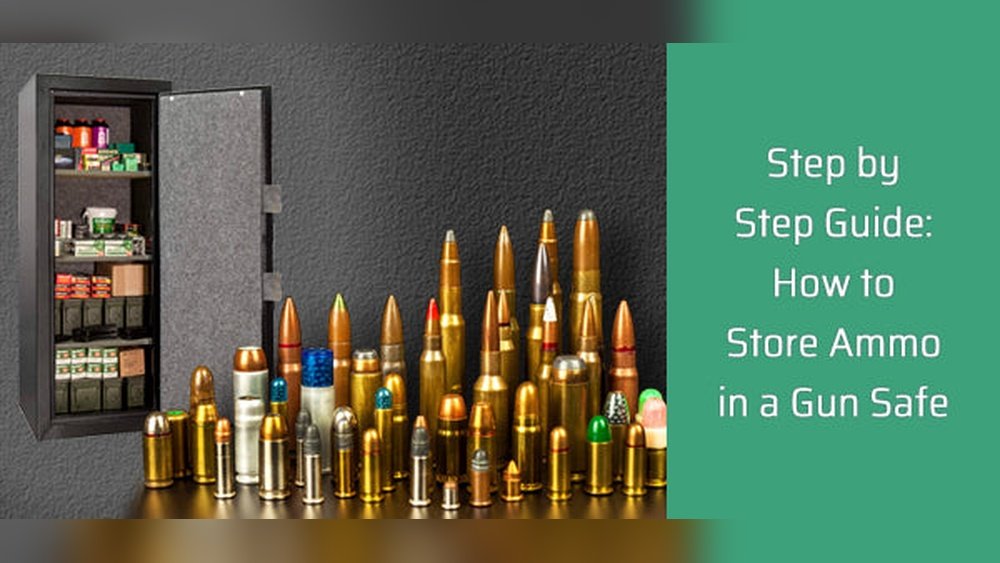
Have you ever wondered how long your shotgun shells will stay reliable when stored properly? Whether you’re a seasoned hunter, a sport shooter, or someone who keeps ammunition for safety, knowing the shelf life of your shells is crucial.
Using old or degraded shells can lead to misfires or even dangerous accidents. You’ll discover exactly how long shotgun shells last, what factors affect their lifespan, and how you can store them to keep them safe and effective for years to come.
Keep reading to protect your investment and ensure your shooting experience is always a safe one.
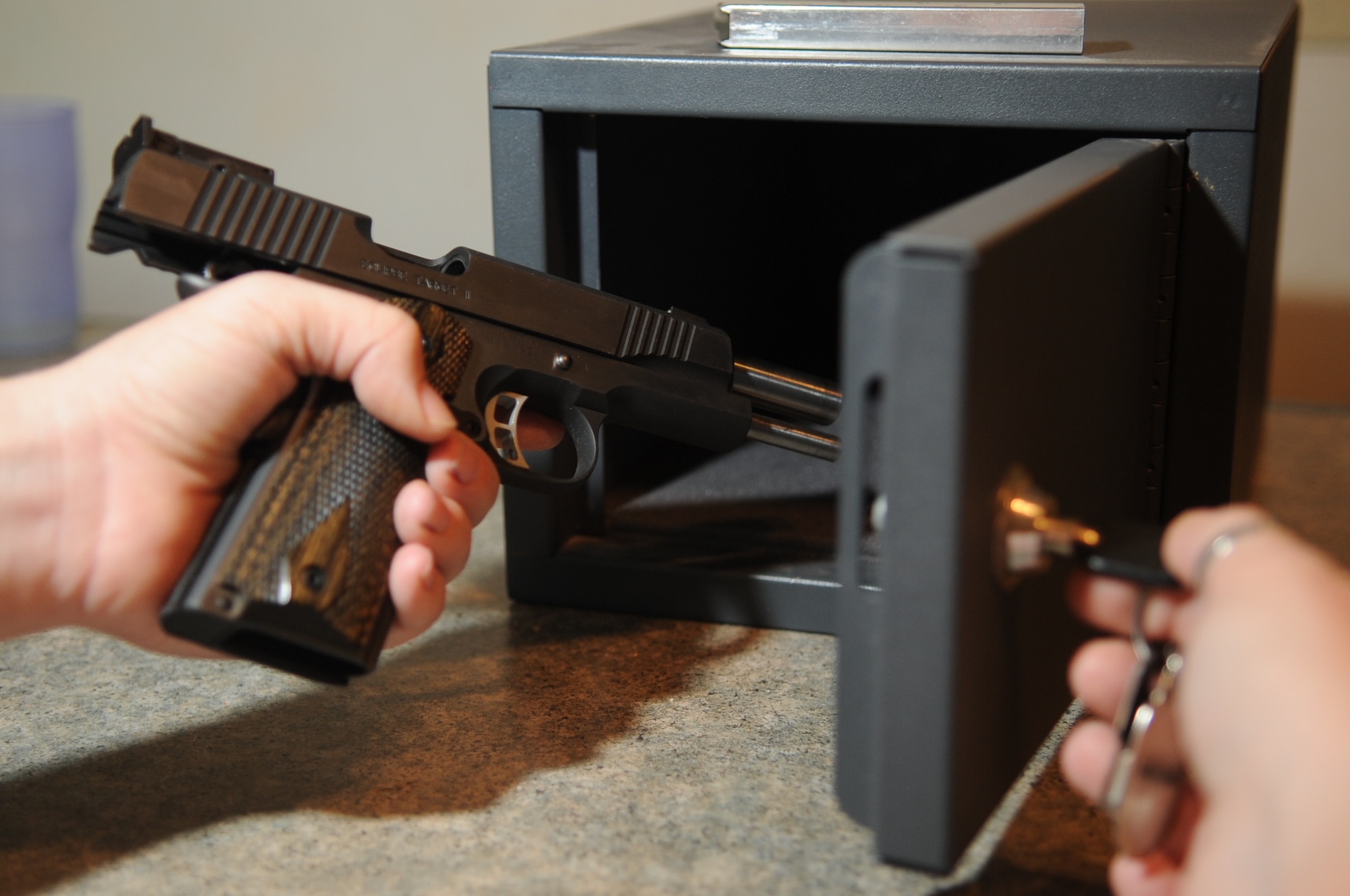
Shelf Life Of Shotgun Shells
Shotgun shells have a shelf life that varies based on several factors. Proper storage can keep them effective for many years. Understanding how long shotgun shells last helps you store them safely and use them confidently.
Typical Lifespan
Most shotgun shells last between 5 and 10 years. Some can remain usable for up to 20 years under ideal conditions. The quality of the shell and its components affect this span. Old shells may misfire or lose power. Checking shells before use is important.
Factors Affecting Longevity
Temperature plays a big role in shelf life. High heat can damage the powder and primer inside shells. Moisture causes corrosion and weakens the casing. Storing shells in a cool, dry place extends their life. Avoid places with wide temperature swings. Original packaging helps protect shells too.
Ideal Storage Conditions
Proper storage plays a big role in how long shotgun shells last. Ideal storage conditions keep the shells safe from damage. These conditions focus on controlling temperature, humidity, and light. Each factor affects the shell’s materials and performance over time.
Temperature Control
Shotgun shells last longer in cool, stable temperatures. Avoid places with extreme heat or cold. High heat can weaken the shell casing and powder. Cold can make the materials brittle. Aim for a temperature between 50°F and 70°F. Keep the shells away from heaters and direct airflow.
Humidity Levels
Humidity can cause moisture to enter the shells. Moisture damages the powder and primer, causing misfires. Store shells in a dry place with low humidity. Use airtight containers or ammo boxes to protect from moisture. Silica gel packs help absorb moisture inside storage boxes.
Light Exposure
Light, especially sunlight, can harm shotgun shells. UV rays break down the plastic and powders inside. Store shells in dark places or opaque containers. Avoid clear plastic bags or boxes in bright areas. Keeping shells away from light keeps them fresh and reliable.
Packaging And Containers
Proper packaging and storage play a key role in how long shotgun shells last. The container shields shells from moisture, dust, and damage. Good packaging helps keep shells safe and ready to use for many years.
Choosing the right container keeps shells in top condition. It also makes storage easier and more organized. Below are some common storage options that protect shotgun shells well.
Original Packaging Benefits
Shotgun shells come in boxes designed for protection. These boxes keep shells tightly packed to avoid movement. They help prevent moisture and dirt from reaching the shells.
Original packaging often includes seals that maintain freshness. It also has labels with important information like type and size. Keeping shells in their original boxes makes storage simple and safe.
Using Airtight Containers
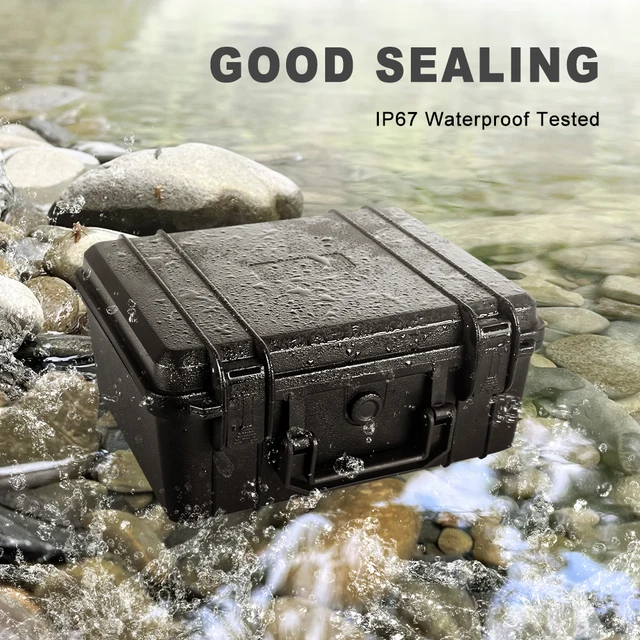
Airtight containers stop air and moisture from damaging shells. Plastic or metal containers with tight lids work best. They create a dry environment that slows down corrosion and powder degradation.
These containers also protect shells from dust and insects. They are easy to stack and store in cool, dry places. Using airtight containers extends the life of shotgun shells significantly.
Vacuum Sealing Options
Vacuum sealing removes air around shotgun shells completely. This method provides the best protection against moisture and oxidation. Vacuum bags or containers keep shells fresh for years.
This option is great for long-term storage or bulk ammunition. It keeps shells clean and dry without extra space. Vacuum sealing is a smart choice for serious shooters and collectors.
Signs Of Deterioration
Shotgun shells can last many years if stored well. Still, over time, they might show signs of damage. Knowing these signs helps keep shooting safe. Watch for changes in the shell’s look and feel. Small problems can turn into big risks.
Physical Damage
Check shells for cracks or dents on the casing. The plastic or paper hull may split or tear. Bulges or crushed parts mean the shell is unsafe. The primer, the small cap at the base, should be firm and intact. Loose parts inside the shell can affect firing.
Corrosion Indicators
Look for rust or discoloration on metal parts. The base and primer area show corrosion first. White or green powdery spots mean moisture damaged the shell. Corrosion weakens the shell and can cause misfires. Keep shells dry to avoid these problems.
Performance Issues
Old shells may fail to fire or fire weakly. The shot pattern can become uneven or weak. You might hear strange sounds or see smoke when firing. These are signs the powder or primer is bad. Always test old shells carefully before use.
Testing Stored Ammunition
Testing stored ammunition helps check if shotgun shells still work well. Proper tests reveal if the shells are safe and reliable. This step is important for anyone using old or stored shotgun shells. Always test carefully to avoid accidents and poor performance.
Safety Precautions
Always wear eye and ear protection during testing. Test in a safe, open area away from people and animals. Use a secure rest or bench to hold the shotgun steady. Never test damaged or wet shells. Keep a fire extinguisher nearby just in case. Follow all local laws about ammunition testing.
Performance Testing Methods
Start by inspecting shells for rust or damage before loading. Fire a few shells at a target from a safe distance. Note any misfires, hangfires, or weak shots. Measure the shot pattern to check spread and consistency. Compare results to new shells to see if performance dropped. Record findings to track changes over time.

Extending Shotgun Shell Lifespan
Extending the lifespan of shotgun shells is key for safe and reliable shooting. Proper care and storage keep shells ready to use longer. Small habits make a big difference. Follow simple steps to protect your shells from damage and decay.
Regular Inspection
Check your shotgun shells often. Look for signs of rust, cracks, or corrosion. Remove any damaged shells immediately. This prevents accidents and keeps your collection safe. Regular checks catch problems early before they worsen.
Proper Rotation
Use older shells first, then newer ones. This practice avoids long-term storage of any single batch. Rotate your stock to keep all shells fresh. It reduces the risk of deterioration and keeps your ammo reliable.
Avoiding Contaminants
Keep shells away from moisture, dirt, and oil. Store them in a dry, clean place with stable temperature. Use airtight containers or ammo cans for best protection. Contaminants can damage the shell casing or powder inside.
Disposal Of Old Or Damaged Shells
Disposing of old or damaged shotgun shells is important for safety and the environment. These shells can become unstable over time. Handling them with care reduces risks. Proper disposal prevents accidents and harm to others.
Safe Disposal Methods
Do not throw old shells in the trash. They can explode or leak harmful chemicals. The safest way is to take them to a local shooting range. Many ranges accept old ammunition for disposal. Another option is to contact a hazardous waste facility. These places know how to handle old shells safely. Never try to dismantle or burn shells yourself.
Local Regulations
Rules about ammunition disposal vary by location. Some areas have strict laws for old shells. Check with your local police or waste management office. They provide guidance on legal disposal methods. Following these rules helps avoid fines or legal trouble. Always stay updated on local laws about ammunition. Proper disposal protects your community and environment.
Frequently Asked Questions
How Long Do Shotgun Shells Last If Stored Properly?
Shotgun shells can last 5 to 10 years when stored in a cool, dry place. Proper storage avoids moisture and extreme temperatures, preserving their reliability and performance over time.
What Conditions Ensure Shotgun Shells Remain Effective?
To keep shells effective, store them in airtight containers away from heat and humidity. Avoid exposure to sunlight and temperature fluctuations to maintain powder and primer stability.
Can Old Shotgun Shells Be Dangerous To Use?
Yes, old shells may become unreliable or misfire. Degraded powder or primers can cause inconsistent performance or jams. Always inspect and test older shells before use.
Does Temperature Affect Shotgun Shell Lifespan?
Extreme temperatures reduce shell lifespan by damaging powder and primers. Ideal storage is at room temperature, avoiding heat above 80°F or freezing conditions to ensure longevity.
Conclusion
Proper storage keeps shotgun shells safe and reliable for years. Store them in a cool, dry place to avoid damage. Check shells regularly for rust or corrosion. Using old or damaged shells can be unsafe. Keep your ammo organized and away from moisture.
Good care extends the life of your shotgun shells. Remember, safety matters most when handling ammunition. Simple steps make a big difference in ammo longevity. Trust your senses and inspect shells before use. Safe storage means ready shells when you need them.