When it comes to storing your rifles, safety is not something you want to leave to chance. You might wonder, what safety standards actually apply to rifle safes?
Knowing these standards can protect your valuable firearms and keep them out of the wrong hands. You’ll discover the key safety guidelines that every rifle safe should meet. By the end, you’ll feel confident choosing the right safe that secures your rifles and gives you real peace of mind.
Keep reading—your firearms’ safety depends on it.
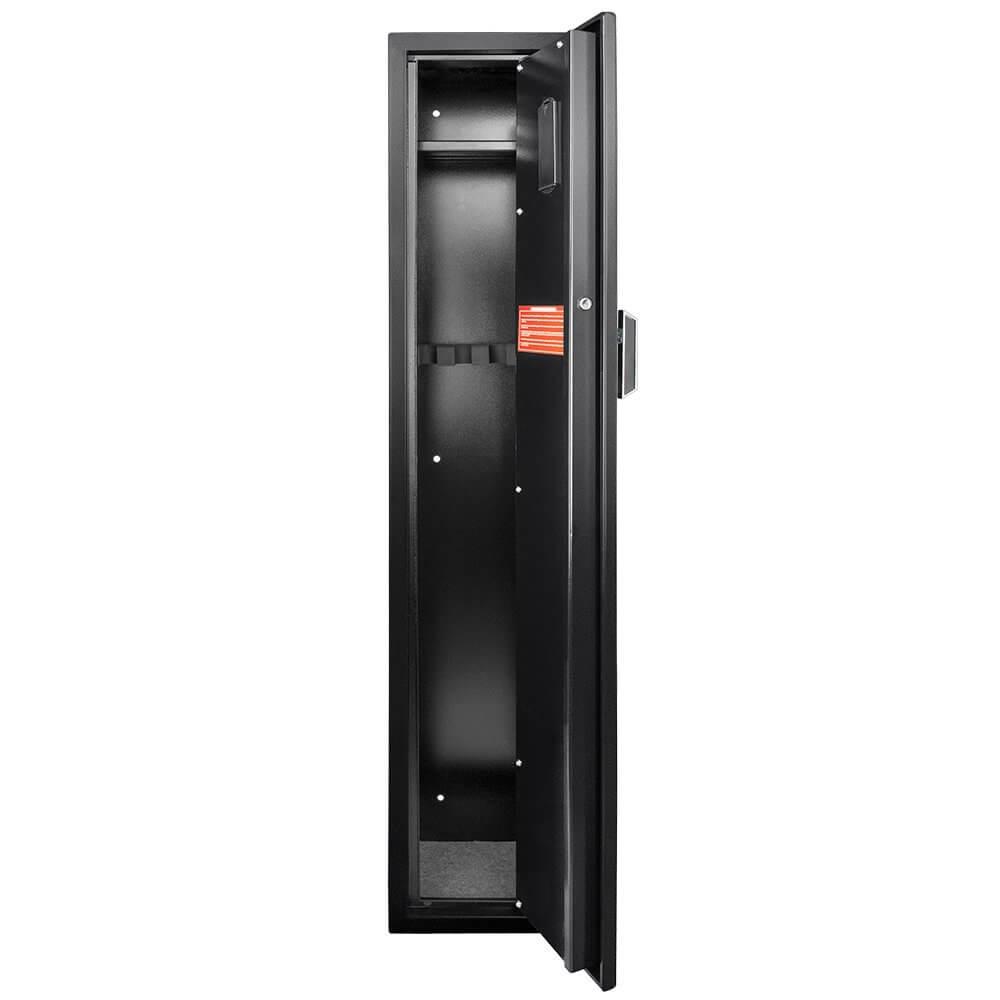
Rifle Safe Basics
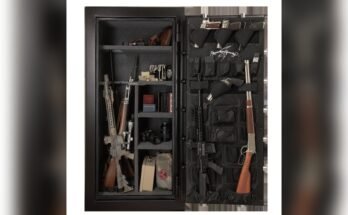
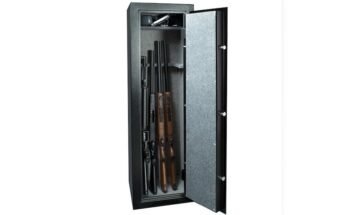
Rifle safes protect firearms from theft, damage, and unauthorized use. They come in different shapes and sizes to fit various needs. Understanding the basics helps you pick the right safe for your rifles. Safety standards guide the design and construction of these safes. These rules ensure your firearms stay secure and protected.
Types Of Rifle Safes
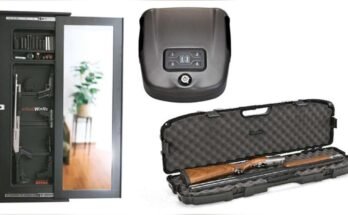
Rifle safes vary by size and locking mechanisms. Some safes store just a few rifles. Others hold many rifles and accessories. Wall safes fit inside a wall for hidden storage. Cabinet safes look like furniture and blend in rooms. Biometric safes use fingerprint scans for quick access. Combination lock safes require a code or key. Each type offers different levels of security and convenience.
Common Materials Used
Steel is the most common material for rifle safes. Thick steel walls resist drilling and cutting attempts. Some safes use reinforced steel for extra strength. Doors often have multiple steel layers for protection. Fire-resistant safes include special insulation materials. These materials slow down heat and flames. High-quality locks and hinges add to safe durability. Materials affect safe weight and portability too.

Key Safety Standards
Rifle safes must meet specific safety standards. These standards ensure secure storage and prevent unauthorized access. Understanding the key safety standards helps you choose the right safe for your firearms.
These standards vary by region and testing authority. They focus on resistance to theft, fire, and tampering. Here are the main standards to consider.
Ul Gun Safe Ratings
UL stands for Underwriters Laboratories. It is a global safety certification company. UL tests gun safes for burglary resistance and fire protection. Their ratings show how long a safe can resist attacks.
UL 1037 is a common test for burglar resistance. The safe must withstand various tools and force for a set time. UL also tests safes for fire resistance. This helps protect guns from heat damage.
California Doj Requirements
California has strict gun safe rules. The Department of Justice (DOJ) sets these standards. All gun safes sold in California must meet DOJ criteria. This includes tests for locking mechanisms and strength.
The goal is to prevent child access and theft. Safes must lock securely and resist prying or drilling. Meeting these rules ensures legal compliance in California.
Other Regional Standards
Different states and countries have their own standards. Some require safes to meet insurance company rules. Others follow European or Canadian testing methods.
Always check local laws before buying a rifle safe. This ensures your safe meets all legal and safety requirements. Choosing a safe with recognized certification adds peace of mind.
Locking Mechanisms
Locking mechanisms are the heart of rifle safes. They keep your firearms secure from unauthorized access. The type of lock affects safety, ease of use, and reliability. Different locks meet different safety standards. Here are the common types you will find in rifle safes.
Mechanical Locks
Mechanical locks use a dial or key to open the safe. They do not need batteries or electricity. These locks are strong and reliable. Many rifle safes meet safety standards using mechanical locks. They can be slower to open but offer solid protection. Mechanical locks are simple and hard to break without the key or combination.
Electronic Locks
Electronic locks use a keypad to enter a code. They provide quick access to the safe. You can change the code anytime for extra security. Electronic locks often include backup keys. They meet many safety standards if built with quality materials. These locks need batteries but alert you when power is low. They combine speed and safety well.
Biometric Options
Biometric locks use fingerprints to open the safe. They offer fast access only to authorized users. This type meets high safety standards for personal security. Biometric safes store several fingerprints for trusted users. They rely on technology but often include backup access methods. Biometric locks add a modern layer of protection to rifle safes.
Fire And Impact Resistance
Rifle safes protect guns not just from theft but also from fire and physical damage. Fire and impact resistance are key safety features. They ensure guns stay safe during emergencies like fires or break-ins. Understanding these features helps choose the right safe.
Fireproof Ratings
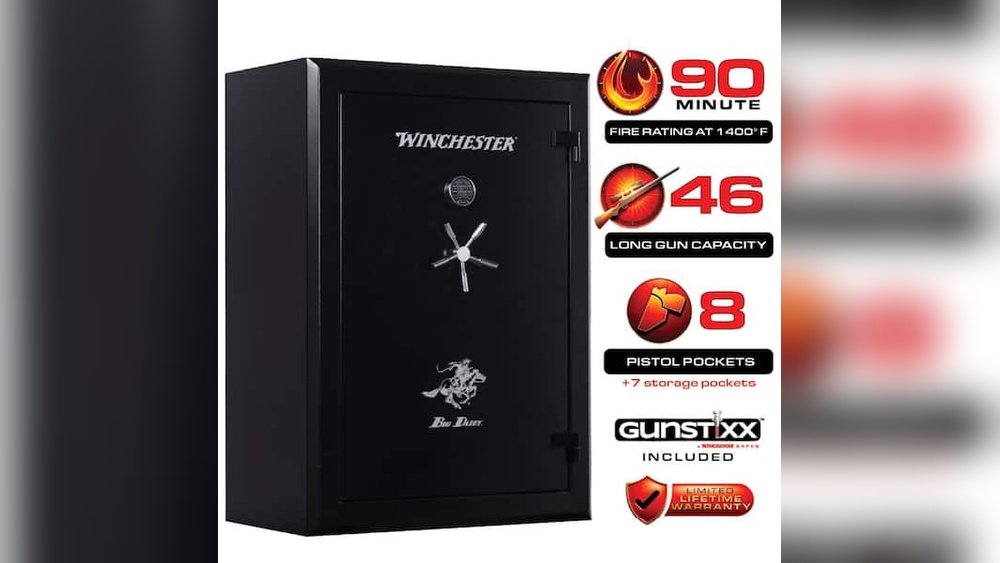
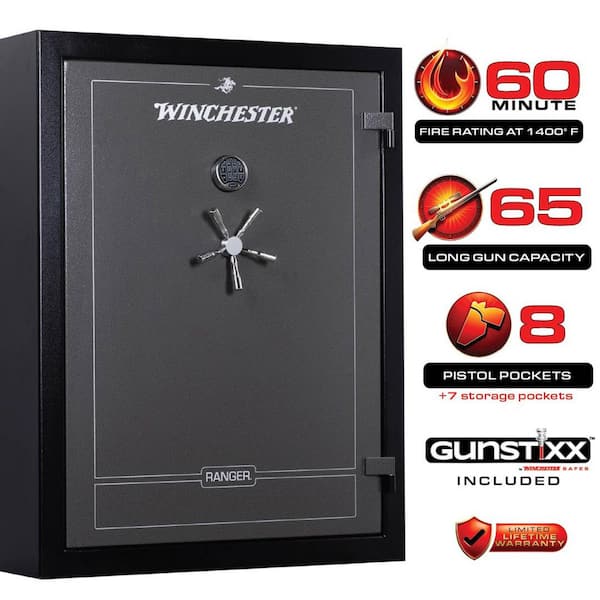
Fireproof ratings show how long a safe can resist heat. They are tested by exposing safes to high temperatures. A common rating is 30 minutes to 1 hour at 1,200°F or higher. This means the safe keeps internal temperature low enough to protect guns.
Some safes offer longer fire protection. The rating depends on the safe’s materials and design. Look for safes certified by testing labs like UL or ETL. These certifications prove the safe meets fire resistance standards.
Impact Tests For Safes
Impact tests check how well a safe handles drops or hits. Safes must survive falls during fires or attacks. Testing labs drop safes from certain heights onto hard surfaces. The safe must keep its lock and contents secure after the impact.
Impact resistance adds extra protection beyond fireproofing. A safe with both fire and impact resistance offers strong security. This means guns stay safe during harsh conditions and accidents.
Installation And Location Tips
Installing a rifle safe correctly ensures your firearms stay secure and protected. Proper installation helps prevent theft and accidents. Choosing the right location and anchoring methods strengthens safety measures. This section guides you through key installation and location tips.
Safe Placement
Place your rifle safe in a low-traffic area. Choose a dry, cool spot to avoid damage. Avoid direct sunlight or damp places. Keep it out of reach of children and unauthorized people. A closet or a hidden corner works well. Ensure the location allows easy access during emergencies.
Anchoring Methods
Secure your rifle safe firmly to the floor or wall. Use heavy-duty bolts designed for safes. Concrete floors are best for anchoring. If on wood, use strong lag bolts. Anchoring stops thieves from moving or stealing the safe. Check the safe’s manual for recommended anchor types. Tighten bolts properly to avoid loosening over time.
Maintaining Your Rifle Safe
Maintaining your rifle safe is key to keeping your firearms secure. Regular care helps the safe work properly for many years. It also protects your rifles from damage or theft. Simple steps can keep the safe in top shape.
Routine Checks
Check your rifle safe often for signs of wear or damage. Look at the hinges, bolts, and walls for rust or cracks. Make sure the door closes tightly every time. Test the locking mechanism to confirm it works smoothly. Catching small problems early saves costly repairs later.
Lock Maintenance
Clean the lock with a soft cloth to remove dust and dirt. Use a dry lubricant designed for locks to keep it moving easily. Avoid oil or grease, as they can attract dust and gum up the lock. Change batteries in electronic locks before they run out. Regular lock care keeps your safe secure and easy to open.
Choosing The Right Safe
Choosing the right rifle safe is a key step to protect your firearms. The safe must meet your specific needs and offer strong security. Picking the right model helps keep guns out of the wrong hands. It also gives peace of mind in your home or office. Safety and convenience should guide your choice.
Assessing Your Needs
Start by thinking about how many rifles you have. Consider the size and type of firearms you own. Some safes are better for long guns, others for mixed collections. Also, decide if you need space for ammo and accessories. Location matters too—choose a safe that fits your space. Look at lock types such as digital or key lock. Each offers different levels of security and ease of use.
Budget Vs. Safety
Set a budget before shopping for a safe. Remember, higher price often means better protection. Cheaper safes may not resist break-ins or fire well. Good safes have thick steel and solid locks. They meet safety standards like UL or TL ratings. Investing in a quality safe reduces risk and protects your valuables. Balance your budget with the level of security you need.
Frequently Asked Questions
What Are The Key Safety Standards For Rifle Safes?
Rifle safes must meet standards like UL 1037, TL-15, and California DOJ. These ensure fire resistance, burglary protection, and secure locking mechanisms to keep firearms safe from theft and unauthorized access.
How Does Ul Certification Impact Rifle Safe Security?
UL certification tests safes for fire and burglary resistance. A UL-listed safe guarantees reliable protection, meeting strict industry criteria for durability and security, ensuring your rifles remain safe under various threats.
Why Is California Doj Approval Important For Rifle Safes?
California DOJ approval ensures compliance with state firearm storage laws. Safes with this approval meet strict locking and security requirements, helping gun owners avoid legal issues and enhance safe firearm storage.
What Fire Resistance Ratings Apply To Rifle Safes?
Fire resistance ratings indicate how long a safe protects contents during a fire. Common ratings include 30, 60, or 90 minutes at specific temperatures, helping owners choose safes that protect rifles and ammo from fire damage.
Conclusion
Rifle safes must meet strict safety standards to protect your firearms. These rules ensure safes resist theft, fire, and unauthorized access. Choosing a safe that follows these standards helps keep your rifles secure. Always check the certifications before buying. Safety is key to responsible gun ownership.
A strong, reliable safe offers peace of mind. Protect your investment and your family by following these guidelines. Safety standards are not optional—they are essential. Stay informed and choose wisely for the best protection.