Have you ever opened an airtight container only to find your items damp or musty? It’s frustrating when moisture sneaks in, ruining your carefully stored belongings.
You might have heard that silica gel can help control humidity inside these containers, but does it really work? If you want to keep your valuables dry and safe, understanding how silica gel interacts with moisture is key. You’ll discover whether silica gel is the solution you need to protect your items from humidity—and how to use it effectively.
Keep reading to find out how to take control of moisture in your airtight containers once and for all.
How Silica Gel Works
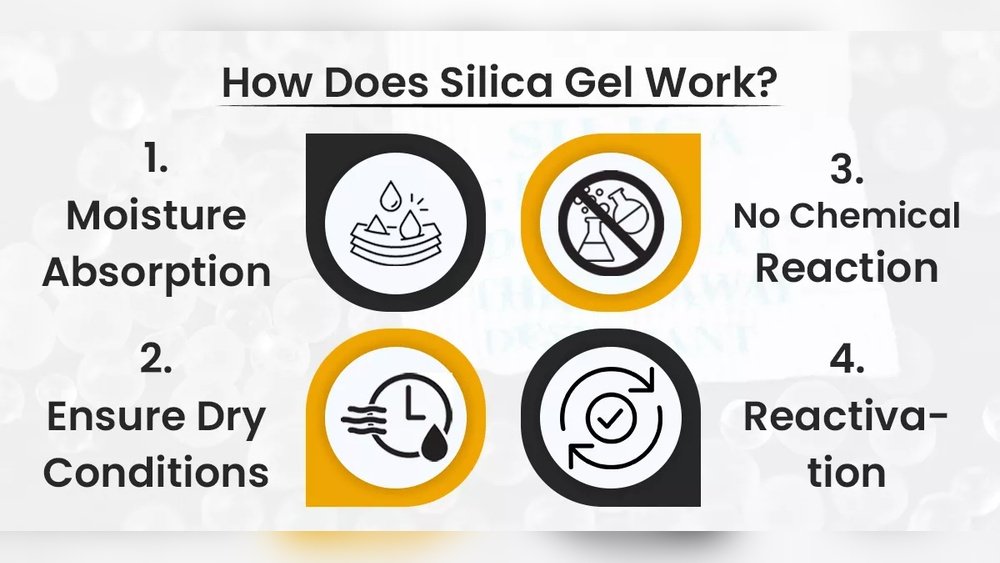
Silica gel controls humidity by trapping moisture inside airtight containers. It keeps items dry and safe from damage caused by water. Understanding how silica gel works helps explain why it is effective.
Adsorption Process
Silica gel works through adsorption, not absorption. Adsorption means water molecules stick to the surface of the gel beads. These beads have many tiny pores that hold moisture. This process reduces the humidity inside containers. It stops mold, rust, and spoilage from forming.
The gel beads do not dissolve in water. Instead, they hold moisture on their surface. This makes silica gel reusable after drying it out. It can trap moisture multiple times, making it practical for long-term use.
Types Of Silica Gel
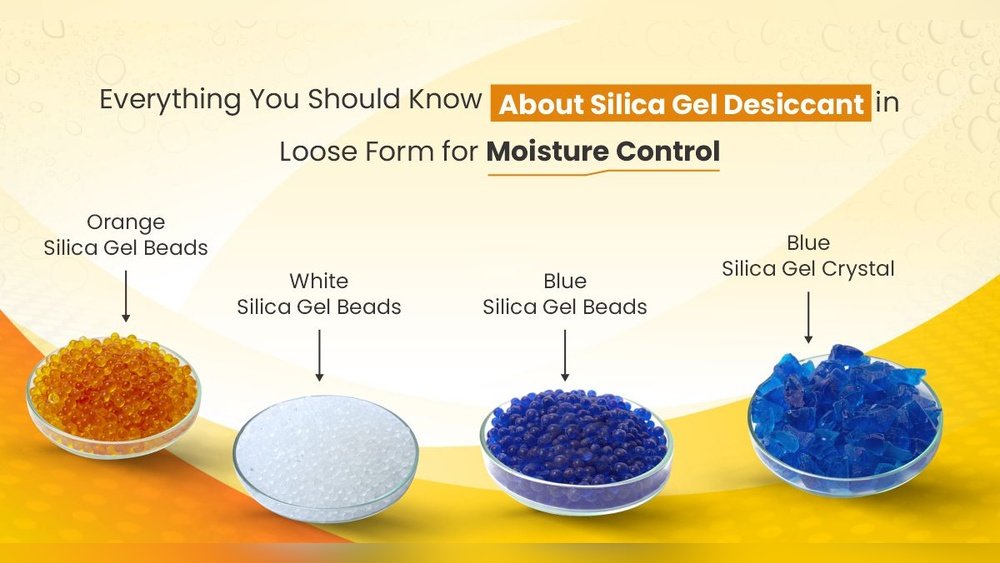
There are different types of silica gel with special features. The most common type is clear or white beads. These beads are safe and work well in most situations.
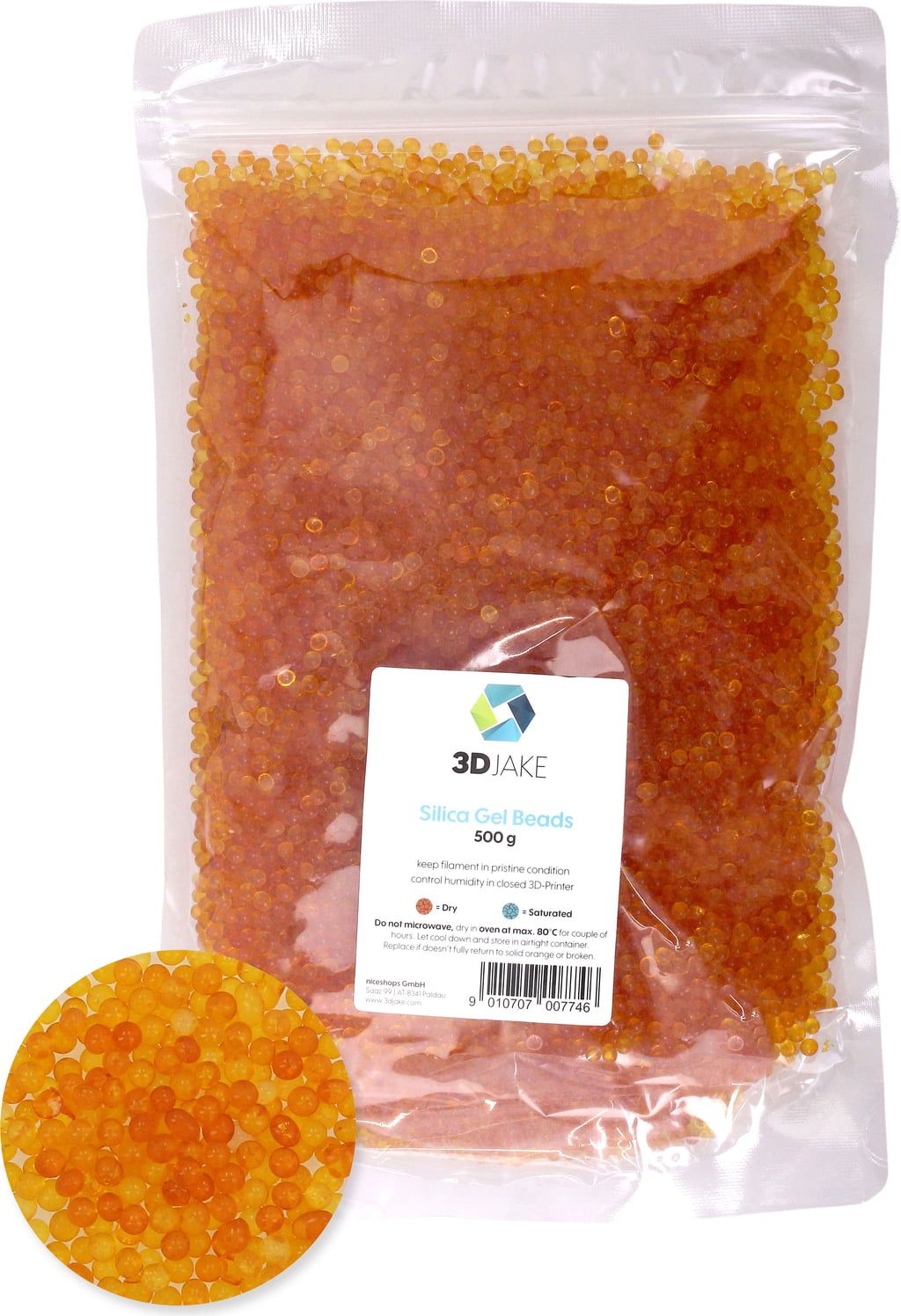
Another type is color-indicating silica gel. It changes color when saturated with moisture. This makes it easy to see when the gel needs to be replaced or dried. Some gels change from blue to pink or orange to green.
Choosing the right type depends on the item’s sensitivity to moisture. Color-indicating gels help monitor humidity levels visually. Clear gels are good for items that only need basic moisture control.
Effectiveness In Airtight Containers
Silica gel is often used to keep items dry inside airtight containers. Its ability to control moisture makes it a popular choice. But how well does it work in these sealed spaces? Understanding its effectiveness helps you use it properly and protect your belongings.
Humidity Control Capabilities
Silica gel absorbs moisture from the air inside the container. It lowers humidity levels by trapping water vapor. This helps prevent mold, rust, and damage to stored items. The gel can absorb up to 40% of its weight in moisture. It works best in small, sealed containers where air cannot enter or escape.
When the container is airtight, silica gel keeps the humidity stable. This creates a dry environment. It protects electronics, documents, and clothes from dampness. The gel’s effect can last weeks or months, depending on the amount used and container size.
Limitations To Consider
Silica gel has limits in very humid or large spaces. If the container is not fully sealed, moisture can enter and reduce its effectiveness. The gel eventually becomes saturated and stops absorbing water. It needs replacement or reactivation by drying in an oven.
Another factor is the amount of silica gel used. Too little gel will not control humidity well. Using enough gel is crucial for proper moisture control. Also, silica gel does not cool or remove all moisture instantly. It works gradually over time.
Choosing The Right Silica Gel
Choosing the right silica gel is important for controlling humidity in airtight containers. Different uses require different sizes and amounts of silica gel. Not all silica gel packets work the same way. Picking the right type helps keep your items dry and safe.
Consider the container size and what you store inside. This helps decide how much silica gel you need. Using the correct silica gel packet improves moisture control and protects your belongings better.
Packet Sizes And Quantities
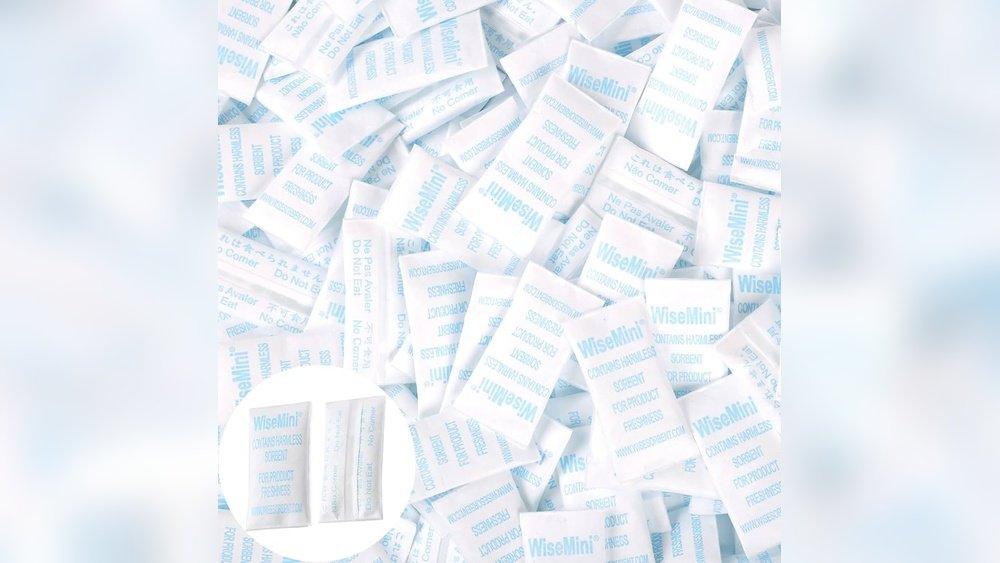
Silica gel packets come in many sizes. Small packets suit tiny containers or electronics. Larger packets work well for bigger storage boxes. The quantity needed depends on the container volume and humidity level.
Using too little silica gel will not control moisture effectively. Too much can be wasteful and costly. Measure your container and buy silica gel packets that match the space. This keeps humidity at the right level.
Reusability And Indicators
Some silica gel packets can be reused after drying. This saves money and reduces waste. Look for reusable packets if you want long-term protection.
Packets with moisture indicators change color when saturated. This shows when to replace or dry the silica gel. Indicators help maintain proper humidity levels without guesswork. Choose packets with clear indicators for easy use.

Best Practices For Use
Using silica gel effectively helps control humidity in airtight containers. Proper use ensures the gel absorbs moisture and protects your items. Follow these simple practices to get the best results.
Placement Inside Containers
Place silica gel packets near items sensitive to moisture. Spread them evenly to cover the entire space. Avoid piling packets in one corner. Keep packets off direct contact with food or delicate items. Use small packets for small containers and larger ones for big spaces.
Monitoring Humidity Levels
Check humidity levels inside the container regularly. Use a small hygrometer for accurate readings. Replace or recharge silica gel packets when moisture builds up. Watch for signs of dampness or mold. Proper monitoring keeps your items safe and dry.
Alternatives To Silica Gel
Silica gel is a popular choice for controlling humidity in airtight containers. Still, there are other options to consider. These alternatives can offer different benefits depending on your needs. Some absorb moisture better, while others are reusable or safer for certain items. Exploring these options helps you find the best fit for your storage goals.
Other Desiccants
Other desiccants work like silica gel by absorbing moisture. Clay desiccants are natural and cost-effective. They soak up water but may release dust. Calcium chloride is highly absorbent and works well in very humid spaces. It turns liquid as it absorbs moisture, so containers must prevent leaks. Activated charcoal can also reduce moisture and odors. Each desiccant has unique traits to match various uses.
Humidity Control Devices
Humidity control devices offer a tech-based solution. Small electric dehumidifiers remove moisture from the air continuously. They are ideal for larger airtight containers or rooms. Humidity indicator cards help monitor moisture levels inside containers. Some devices use salts or gels that change color when wet. These tools provide real-time feedback and active moisture control. They fit different budgets and storage needs.
Common Mistakes To Avoid
Using silica gel in airtight containers helps control humidity effectively. Avoiding common mistakes ensures the gel works as intended. These errors reduce its ability to keep moisture away.
Overloading Containers
Putting too many silica gel packets in one container does not improve moisture control. Excess gel can block airflow inside the container. This limits the gel’s ability to absorb humidity. Use the right amount based on container size and content. Overloading wastes silica gel and can cause uneven drying.
Ignoring Saturation Signs
Silica gel changes color when fully saturated with moisture. Ignoring these signs means the gel stops absorbing humidity. Saturated gel may even release moisture back into the container. Replace or recharge silica gel as soon as color changes. Monitoring these signs keeps containers dry and protects stored items.

Frequently Asked Questions
What Is Silica Gel’s Role In Humidity Control?
Silica gel absorbs moisture, reducing humidity inside airtight containers. It helps prevent mold, rust, and spoilage by keeping the environment dry. Its porous structure traps water vapor efficiently, making it ideal for preserving sensitive items.
How Long Does Silica Gel Stay Effective?
Silica gel typically remains effective for several months in airtight containers. Its lifespan depends on exposure to moisture and container sealing quality. Once saturated, it can be reactivated by drying or replaced to maintain humidity control.
Can Silica Gel Prevent Mold In Sealed Containers?
Yes, silica gel helps prevent mold growth by absorbing excess moisture. Mold thrives in damp environments, so controlling humidity inside sealed containers limits its development effectively.
Is Silica Gel Safe To Use With Food Storage?
Silica gel is non-toxic but not edible. Food-grade silica gel packets are safe to use near food to control moisture. Always avoid direct contact with food and follow packaging instructions.
Conclusion
Silica gel helps absorb moisture inside airtight containers. It keeps items dry and prevents damage from humidity. You must replace silica gel packs once they become saturated. Using the right amount is important for best results. This simple method protects valuable items from mold and rust.
Small, easy to use, and effective. A smart choice for controlling humidity in sealed spaces.