Have you ever wondered if those tiny color-changing silica gel packets really do their job? You see them in shoe boxes, electronics, and even medicine bottles, but can you trust them to keep your items safe from moisture?
Understanding how reliable these packets are could save you from damaged goods and wasted money. You’ll discover what makes these little packets change color, how accurate they are, and whether you should rely on them to protect your valuables. Keep reading—you might be surprised by what you learn.
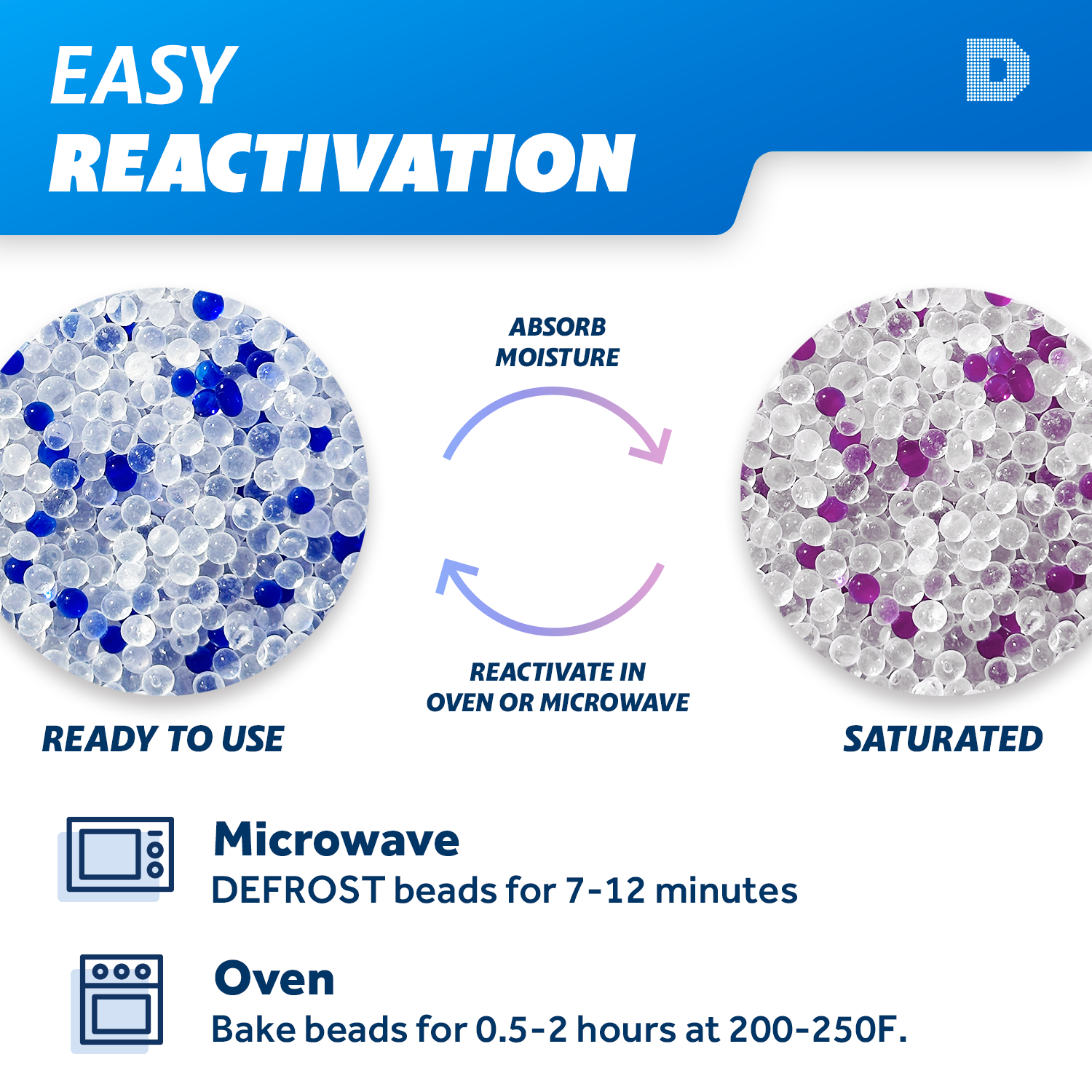
How Color-changing Silica Gel Works
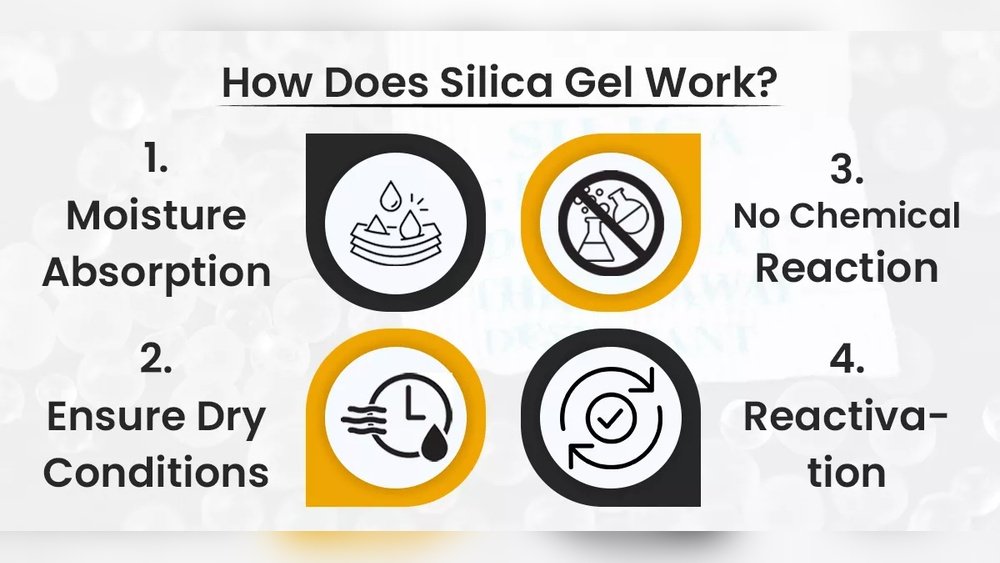
Color-changing silica gel packets help you know when moisture levels rise. They change color as they absorb water. This feature makes them useful in many products that need to stay dry. Understanding how they work helps you trust their reliability. Here is a simple explanation of their function.
Chemical Composition
Silica gel is a porous form of silicon dioxide. It can hold a lot of water without dissolving. Color-changing silica gel contains special chemicals. These chemicals react to moisture by changing color. Common indicators include cobalt chloride or methyl violet. These substances are safe in small amounts and show clear color shifts.
Moisture Detection Mechanism
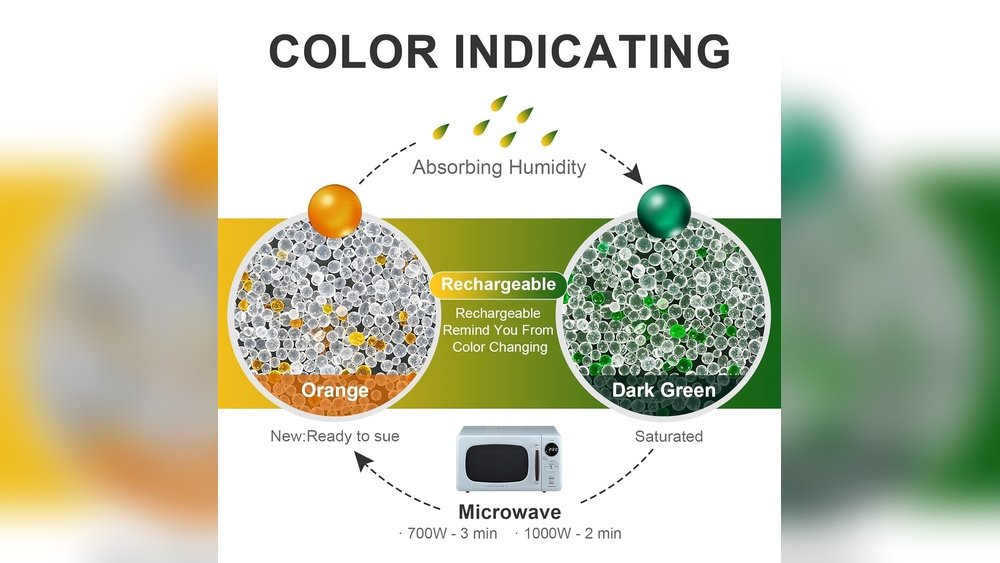
The color change happens because of a chemical reaction. When silica gel absorbs water, the indicator changes its structure. This change affects how light passes through it. As a result, the color shifts from blue to pink or orange to green. This visible change tells you the packet is saturated. It signals the need to replace or dry the silica gel.
Types Of Color-changing Silica Gel
Color-changing silica gel packets help show moisture levels inside packages. They protect items from damage caused by water. These packets come in different types, each with unique features. Understanding these types helps you choose the right one for your needs.
Indicating Silica Gel
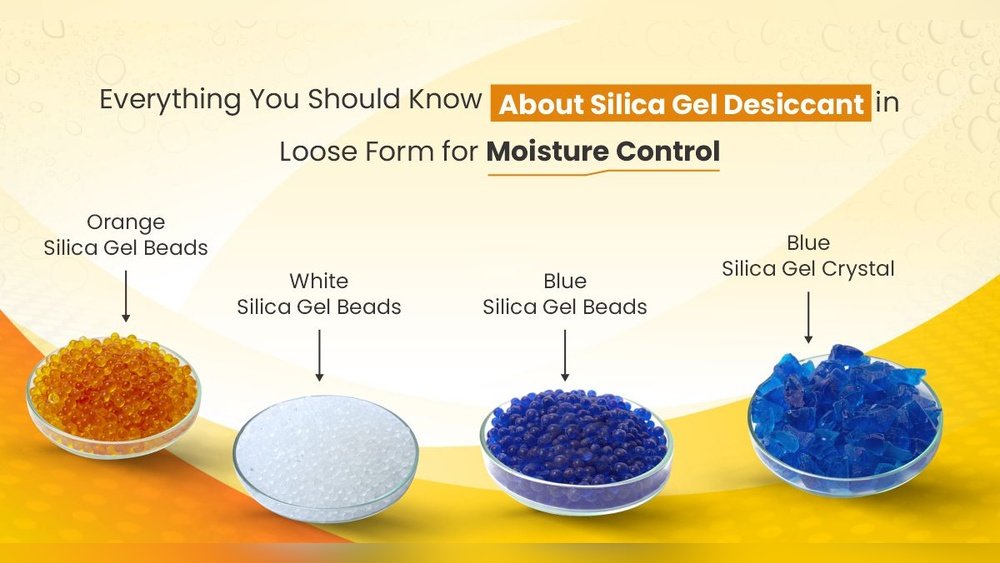
Indicating silica gel changes color when it absorbs moisture. This color change shows how much water the gel holds. Common colors include blue, orange, and pink. Blue silica gel turns pink when wet. Orange silica gel changes to green or colorless. Pink silica gel becomes colorless as it absorbs moisture. This visual cue helps users know when to replace or dry the packets.
Non-indicating Silica Gel
Non-indicating silica gel does not change color. It absorbs moisture but stays the same color. These packets work silently without any visual sign. Users must check moisture levels using other tools. Non-indicating silica gel is often cheaper. It suits products where color change is not important.
Accuracy Of Moisture Indication
Color-changing silica gel packets show moisture levels by shifting colors. This feature helps users know if the packets are still active. The accuracy of this color change is vital. It ensures the items stay dry and protected. Understanding how precise these indicators are can help avoid damage from moisture.
Color Change Sensitivity
The color change happens due to chemical reactions with moisture. Sensitivity varies by brand and type of silica gel. Some packets show a clear color shift at low moisture levels. Others need more moisture to change color. This difference affects how early users can detect moisture.
Packets with high sensitivity warn of small moisture amounts. This helps protect delicate items better. Lower sensitivity packets might miss early signs of dampness. Choosing the right sensitivity depends on the stored item’s needs.
Common Misinterpretations
Users often misread the color change on these packets. Some expect an instant color shift with any moisture. The change can take time, leading to wrong assumptions. Partial color changes may confuse whether the packet is still good.
Other factors like light and temperature affect the color too. These can cause false readings and misunderstandings. Reading the packet instructions carefully reduces mistakes. Regularly checking moisture levels with other methods is wise.
Limitations And Challenges
Color-changing silica gel packets help show moisture levels inside packages. They are useful but not perfect. These packets face some challenges and limits. Knowing these helps to use them better and avoid problems.
Environmental Factors
Temperature changes affect the color change accuracy. Extreme heat can cause wrong color signals. High humidity may slow down the color switch. Bright sunlight can fade the color. These factors reduce the packet’s reliability. Store packets in stable, cool, and dark places.
Reusability Concerns
Color-changing silica gel packets can be reused after drying. But repeated use lowers their effectiveness. The color change may become less clear. Over time, the packets hold less moisture. This weakens their ability to protect items. Regular replacement keeps moisture control reliable.
Comparing With Other Moisture Indicators
Comparing color-changing silica gel packets with other moisture indicators helps understand their reliability. Different types of moisture indicators offer various advantages and limits. Knowing how they work aids in choosing the right option for your needs.
Electronic Sensors
Electronic sensors measure humidity with high accuracy. They use digital displays to show moisture levels in real time. These sensors are useful for precise environments like labs or storage rooms. They need power and calibration to work correctly. Costs for electronic sensors are higher than silica gel packets. These sensors offer detailed data but lack simplicity and portability.
Humidity Cards
Humidity cards change color based on moisture in the air. They are small, inexpensive, and easy to use. These cards provide a quick visual check of humidity levels. Unlike silica gel packets, they do not absorb moisture. Humidity cards are less durable and can be affected by dirt or damage. They serve well for basic monitoring but lack long-term reliability.
Practical Uses And Reliability
Color-changing silica gel packets help control moisture and show when they are saturated. They change color as they absorb water, giving a visual sign of their condition. People use these packets in many ways because they are simple and easy to check. The question is, how reliable are they in real life? Let’s explore their practical uses and trustworthiness.
Packaging Applications
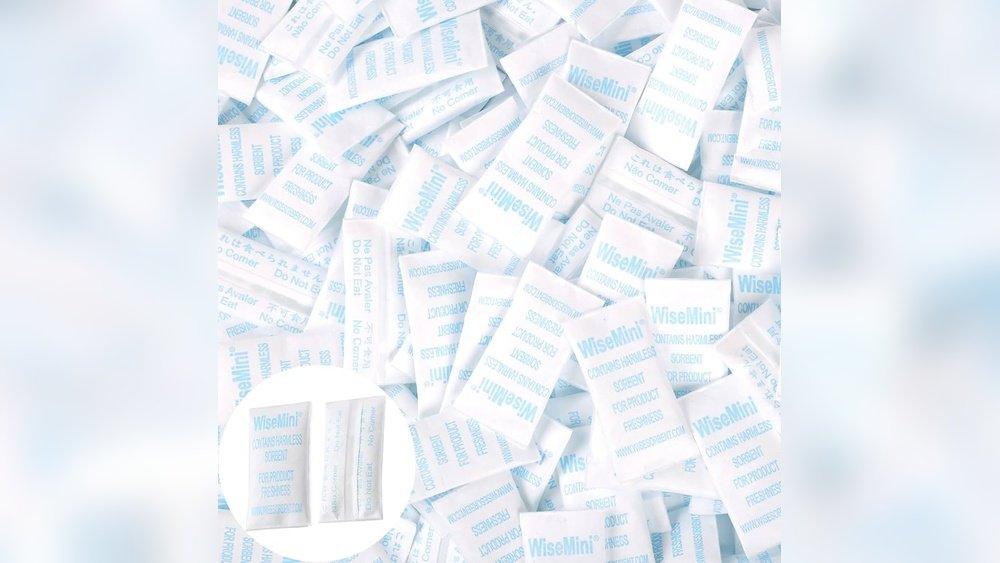
These silica gel packets are common in packaging to protect items from moisture damage. Electronics, shoes, and medicines often come with them. The color change helps workers know if the packet needs replacement. This avoids opening the package to check inside.
In packaging, reliability matters. Color change usually happens at the right time, signaling moisture exposure. Still, some packets may take longer to change color or show false readings. Choosing high-quality packets improves trust in their signals.
Storage And Preservation
Color-changing silica gel packets help keep stored goods dry and fresh. They are useful in closets, toolboxes, and storage boxes. The color shift warns when the packet is full and needs drying or replacement.
Reliability depends on storage conditions. Extreme heat or cold can affect color accuracy. Regular checks and proper packet care keep them working well. Many users find them dependable to prevent mold, rust, and spoilage.
Tips For Maximizing Effectiveness
Maximizing the effectiveness of color-changing silica gel packets helps keep your items dry. These packets absorb moisture and change color to show when they need replacing. Proper use ensures they last longer and work well.
Proper Handling
Handle silica gel packets with clean, dry hands. Avoid touching the beads inside. Do not crush or tear the packets. Keep them away from liquids and oils. Use the packets only for their intended purpose. Check the color regularly to know when to replace them.
Storage Conditions
Store silica gel packets in a cool, dry place. Avoid areas with high humidity or direct sunlight. Keep them sealed in airtight containers when not in use. This prevents early saturation and color change. Proper storage keeps the packets ready to absorb moisture when needed.

Frequently Asked Questions
What Makes Color-changing Silica Gel Packets Reliable?
Color-changing silica gel packets reliably indicate moisture levels using chemical indicators. They change color when saturated, signaling the need for replacement. This visual cue helps maintain optimal dryness and protects items from humidity damage effectively.
How Accurate Are The Moisture Indicators In Silica Gel?
Moisture indicators in silica gel are generally accurate within a small range. They provide a clear visual sign of saturation but may slightly vary due to environmental factors. Overall, they offer dependable guidance for moisture control.
Can Color-changing Silica Gel Be Reused After Drying?
Yes, color-changing silica gel can be reused after drying. Heating the packets removes moisture and restores their color-changing ability. Proper drying extends their lifespan and maintains moisture absorption efficiency.
Do Color-changing Silica Gel Packets Protect Electronics Well?
Color-changing silica gel packets effectively protect electronics by preventing moisture buildup. The visual indicator ensures timely replacement, reducing corrosion risk. They are a practical solution for maintaining electronic device longevity.
Conclusion
Color-changing silica gel packets help show moisture levels clearly. They give a quick way to check if items stay dry. These packets work well but need careful handling to stay accurate. Regular replacement keeps them reliable over time. They suit many uses like storage, shipping, and electronics.
Trust their color changes but watch for wear or damage. Simple and useful, they offer peace of mind against moisture. Choose quality packets and follow instructions for best results.