Are you worried about your favorite leather bag or jacket getting ruined by moisture? You’re not alone.
Leather is beautiful but sensitive—it can crack, stain, or develop mold if exposed to too much dampness. That’s where silica gel comes in. You’ve probably seen those little packets inside shoeboxes or bags, but can silica gel really protect your leather goods from moisture damage?
Keep reading to discover how this simple item might be the secret to keeping your leather looking fresh and new for years to come.

Silica Gel And Moisture Control
Leather goods are sensitive to moisture. Water can cause stains, mold, and damage to the material. Silica gel helps prevent these problems by controlling moisture levels around leather items.
This small, simple product absorbs extra moisture from the air. It keeps the environment dry, which protects leather from getting wet or moldy. Using silica gel is an easy and safe way to extend the life of leather goods.
How Silica Gel Works
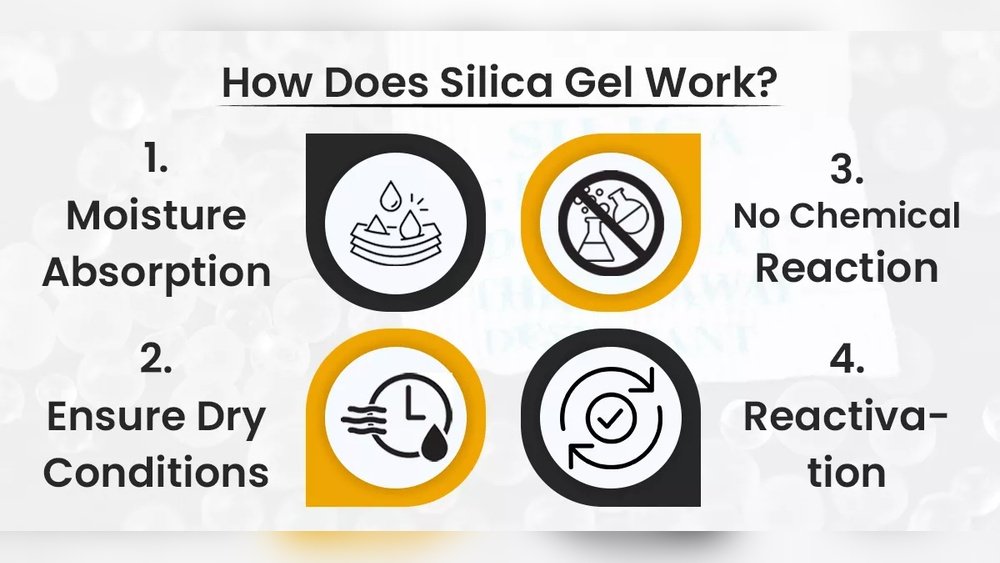
Silica gel is made of tiny beads that attract water molecules. It acts like a sponge but does not dissolve in water. These beads absorb moisture from the air inside bags or boxes.
By reducing humidity, silica gel stops mold and mildew growth. It also prevents leather from becoming soft or losing its shape. The beads change color when full, showing they need to be replaced.
Types Of Silica Gel Packets
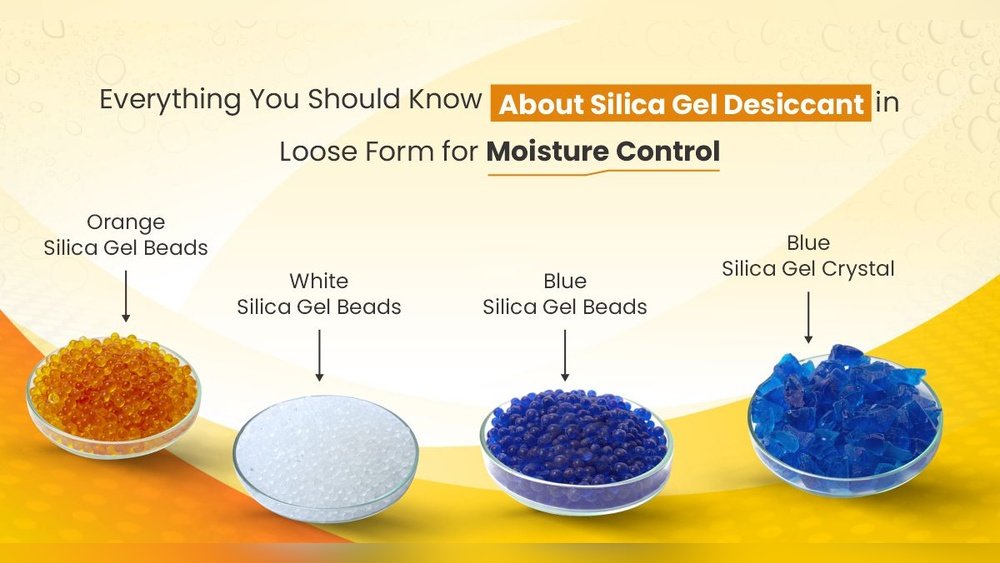
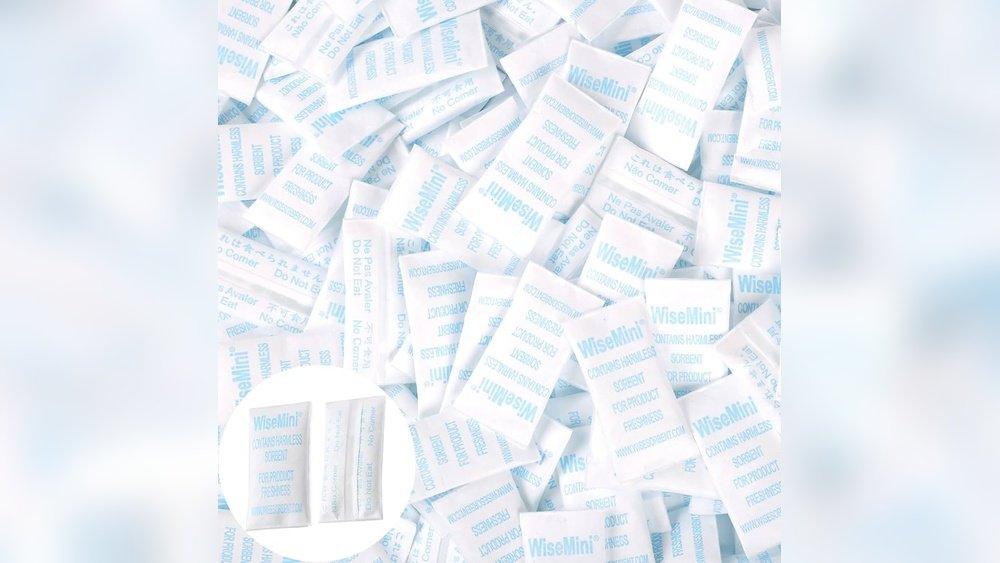
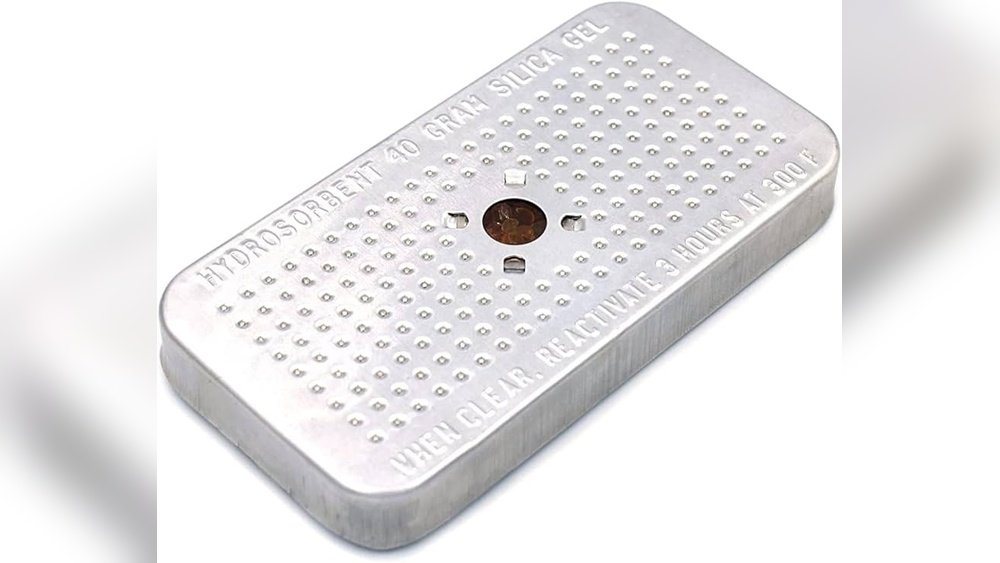
There are several types of silica gel packets. Some have color indicators to show moisture levels. Others come in different sizes for various uses.
Standard packets are best for small leather items like wallets or belts. Larger packets suit shoes, jackets, or bags. Some packets are reusable and can be dried to use again.

Leather And Moisture Damage
Leather is a popular material for bags, shoes, and jackets. It looks stylish and lasts long. But moisture can harm leather easily. Water and dampness cause many problems. Understanding how moisture affects leather helps protect your items better.
Leather is natural and absorbs water quickly. Moisture weakens its structure and changes its look. Small amounts of dampness might not show at first. Over time, damage becomes clear and hard to fix. Proper care is needed to keep leather strong and beautiful.
Common Effects Of Moisture On Leather
Moisture causes leather to lose its natural oils. This makes leather dry and stiff. It can crack or peel after drying. Wet leather may also develop dark stains or spots. Mold and mildew grow easily on damp leather. These fungi create bad smells and weaken the material. Leather may stretch or warp when wet. This changes the shape and fit of leather goods. Overall, moisture reduces leather’s lifespan and value.
Signs Of Moisture Damage
Look for color changes on leather surfaces. Dark or water-stained patches show moisture damage. Leather that feels sticky or slimy is often damp inside. Cracks or rough textures appear on dry, damaged areas. A musty or sour smell means mold or mildew growth. Leather that loses softness and flexibility may be damaged. Wrinkles and misshaped parts also indicate water harm. Early signs help prevent serious damage later.
Using Silica Gel With Leather Goods
Silica gel can help protect leather goods from moisture. It absorbs water and keeps the air dry. Using silica gel with leather items is a smart way to prevent mold and damage. Placing the right amount in the right spot matters. Let’s explore how to use silica gel effectively with leather.
Placement And Quantity Tips
Place silica gel packets inside leather bags, shoes, or boxes. Avoid direct contact with leather to stop spots or stains. Use small packets for shoes and larger ones for bags or storage boxes. One or two packets usually work for small items. Bigger items need more packets to absorb moisture well.
Frequency Of Replacement
Silica gel loses its power after absorbing moisture. Replace packets every few months for best results. Check the packets; some change color when full. If color changes, it is time to replace. Keeping fresh silica gel ensures leather stays dry and safe.

Additional Moisture Protection Methods
Silica gel is helpful for keeping leather dry. Still, it works best with other ways to protect leather from moisture. Using extra methods helps leather stay strong and look good for years. These simple steps stop water damage and mold.
Proper Storage Practices
Store leather in a cool, dry place. Avoid places with high humidity or direct sunlight. Use breathable bags like cloth, not plastic. Plastic traps moisture and causes damage. Keep leather items away from heat sources. This prevents drying and cracking. Regularly check leather for signs of moisture or mold. Good storage slows down damage and keeps leather fresh.
Leather Conditioning And Maintenance
Condition leather regularly to keep it soft and flexible. Use a conditioner made for leather only. This adds a protective layer that repels moisture. Clean leather gently with a soft cloth before applying conditioner. Avoid harsh chemicals that dry out leather. Conditioning also stops leather from becoming stiff or brittle. Regular care makes leather last longer and look better.
Limitations Of Silica Gel
Silica gel is a popular choice to keep leather dry. It absorbs moisture and prevents mold and mildew. But it is not perfect. There are limits to what silica gel can do for leather goods.
It works best in small, enclosed spaces like bags or boxes. In open areas, silica gel loses effectiveness quickly. Also, once silica gel reaches its moisture capacity, it stops working. You must replace or recharge it to keep protection strong.
Some environments have too much moisture for silica gel alone. High humidity or wet conditions can overwhelm its ability to protect leather. In these cases, relying only on silica gel is risky.
When Silica Gel May Not Be Enough
Large spaces expose leather to more moisture. Silica gel packs may not absorb enough humidity. Constant exposure to rain or damp air can cause damage despite silica gel.
Long-term storage needs better moisture control. Silica gel may dry out and lose power over time. Without regular replacement, leather can suffer from dryness or cracking.
Extreme weather conditions challenge silica gel’s limits. Heavy rain or flooding requires stronger protection methods. Silica gel alone cannot protect leather from heavy moisture damage.
Alternatives To Silica Gel
Use charcoal bags as a natural moisture absorber. They trap moisture and odors effectively. Charcoal can last longer than silica gel in some cases.
Consider using dehumidifiers in storage rooms. They reduce humidity on a larger scale than silica gel. This helps protect multiple leather items at once.
Leather conditioners create a protective barrier. They keep leather flexible and prevent drying out. Combined with moisture absorbers, they improve leather care.
Vacuum sealing leather goods removes air and moisture. This method keeps leather dry for extended periods. It is useful for travel or long-term storage.
Best Practices For Long-term Leather Care
Long-term care is key to keeping leather goods in great shape. Leather is natural and sensitive to moisture. Without proper care, it can crack, fade, or grow mold. Using silica gel helps, but combining it with other methods works best. Regular care extends the life of your leather items and keeps them looking fresh.
Combining Silica Gel With Other Techniques
Silica gel absorbs moisture and slows damage. Place small packets inside bags, shoes, or wallets. Still, use leather conditioners to keep leather soft and flexible. Clean leather gently with a soft cloth to remove dirt. Store leather away from direct sunlight and heat sources. Use breathable covers or bags to avoid trapping moisture. These steps together protect leather well over time.
Monitoring And Preventing Moisture Build-up
Check leather items often for signs of moisture or mold. Feel for dampness or smell for mildew. Use a hygrometer to measure humidity in storage spaces. Keep humidity below 60% to prevent damage. Air out leather goods regularly in a dry place. Replace silica gel packets when they become saturated. This keeps moisture levels low and protects your leather.
Frequently Asked Questions
What Is Silica Gel And How Does It Work?
Silica gel is a desiccant that absorbs moisture from the air. It helps prevent mold, mildew, and moisture damage in leather goods by keeping the environment dry and safe.
Can Silica Gel Prevent Leather From Cracking?
Yes, silica gel reduces moisture that causes leather to dry out and crack. It maintains optimal humidity, preserving leather’s texture and flexibility over time.
How Often Should Silica Gel Be Replaced With Leather Goods?
Replace silica gel packets every 1-3 months or when they become saturated. This ensures continuous moisture absorption and effective protection for your leather items.
Is Silica Gel Safe For All Types Of Leather?
Silica gel is safe for most leather types as it only controls moisture. Avoid direct contact with leather surfaces to prevent any potential discoloration or damage.
Conclusion
Silica gel helps keep leather dry and safe from moisture damage. It absorbs water and stops mold from growing. Using silica gel packets inside leather bags or shoes works well. Still, check them often and replace when wet. Proper storage and care also protect leather better.
Small steps like these keep leather looking good longer. Moisture control is key to leather’s lifespan. Silica gel offers a simple, helpful solution for this problem.