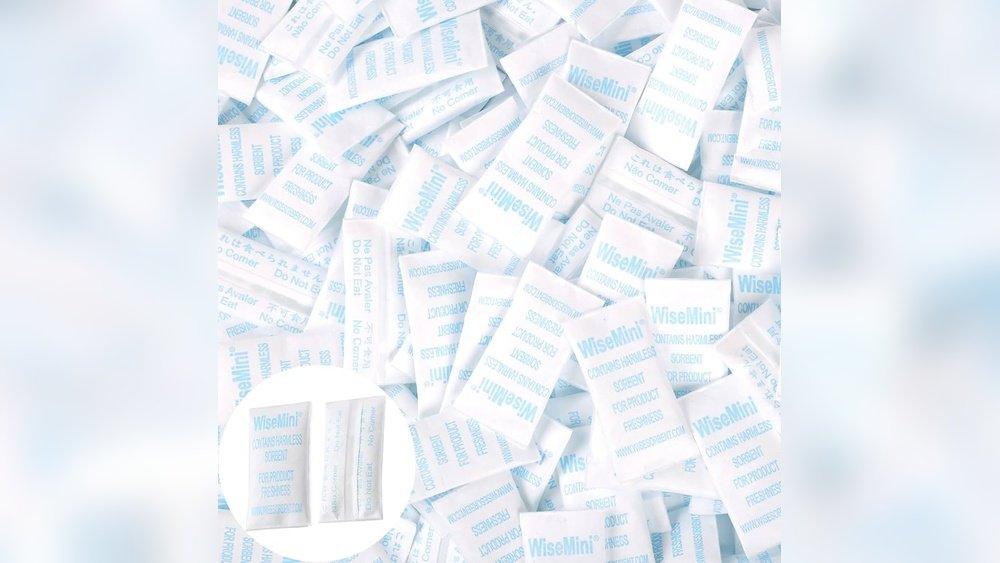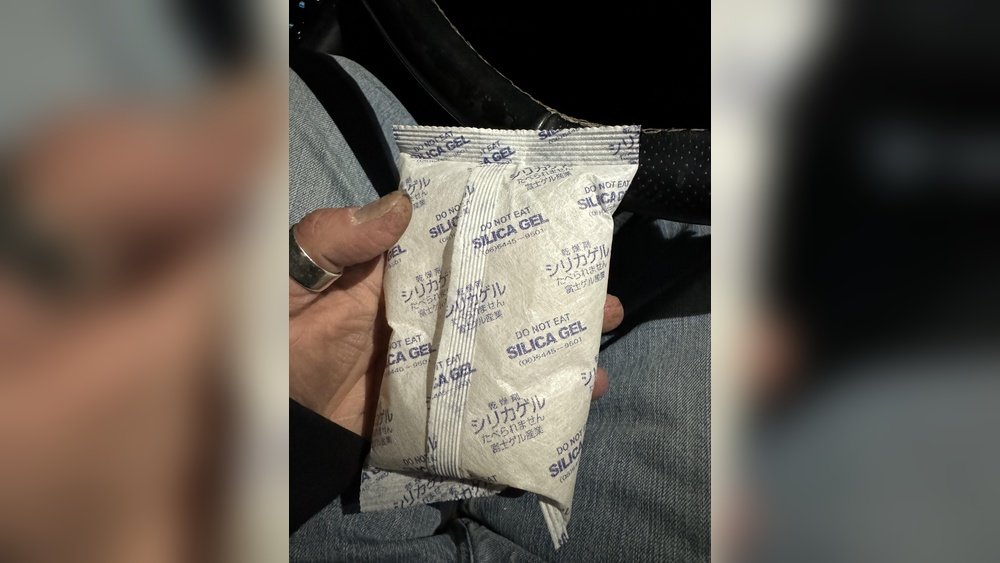
Have you ever opened a package and found those tiny silica gel packs inside? They might seem small and unimportant, but they play a big role in keeping your items dry and safe from damage.
But here’s the question: how often should you replace these little moisture absorbers to make sure they keep doing their job? If you’re like most people, you probably don’t think about it until it’s too late. You’ll discover the simple signs to watch for and easy tips to know exactly when it’s time to swap out your silica gel packs.
Keep reading, because protecting your valuables might be easier than you think.
Purpose Of Silica Gel Packs
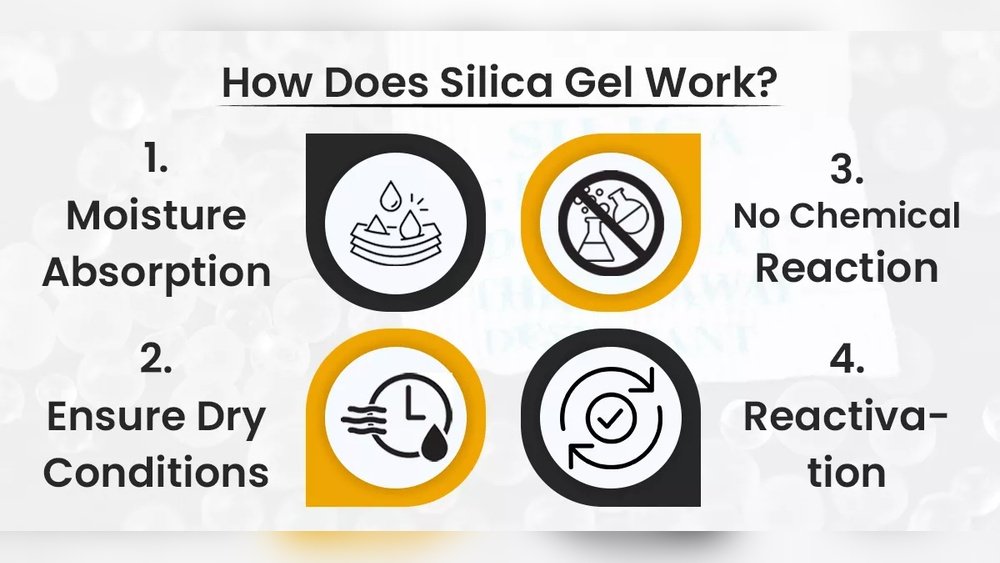
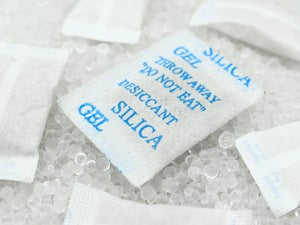
Silica gel packs serve an important role in protecting items from moisture damage. These small packets contain silica beads that absorb water vapor. They keep products dry and safe during storage and transport.
Understanding their purpose helps decide how often to replace them. The effectiveness of silica gel packs depends on their moisture absorption capacity. Over time, they become saturated and lose their ability to absorb moisture.
Moisture Absorption Role
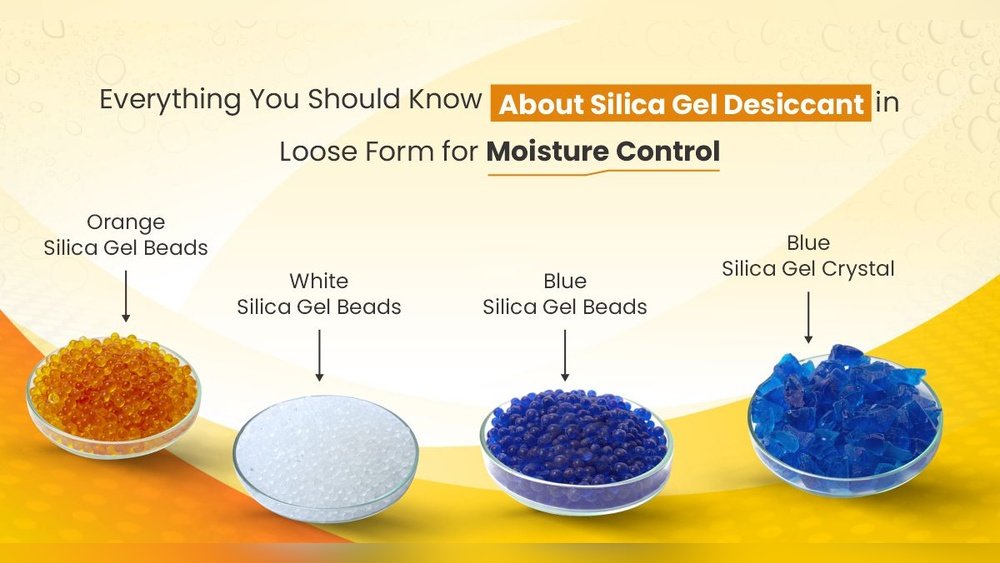
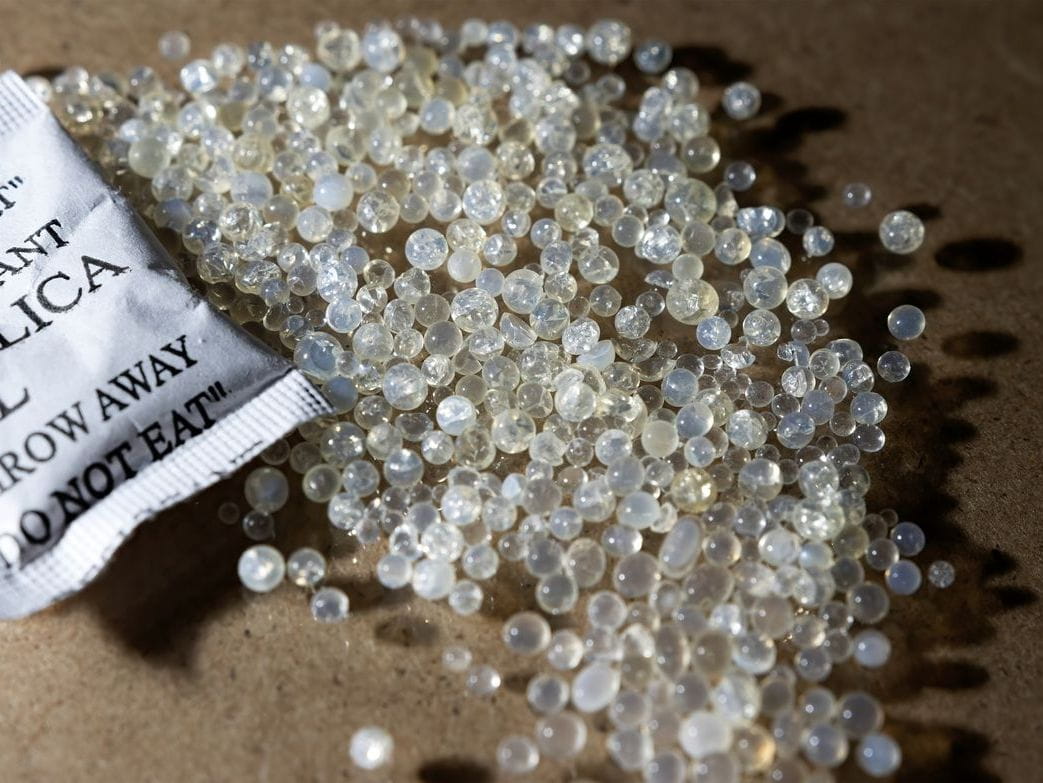
Silica gel packs absorb moisture from the air around them. They prevent mold, mildew, and rust from forming on products. This keeps items like electronics, shoes, and food fresh and dry. The beads inside silica gel change color when they absorb moisture, showing when replacement is needed.
Common Uses
These packs are used in many places. Inside shoeboxes, they keep shoes dry and fresh. In electronics packaging, they prevent damage from humidity. Silica gel also protects food, medicines, and leather goods. Many people use them in storage boxes to stop moisture buildup.
Signs Silica Gel Packs Need Replacement
Knowing when to replace silica gel packs helps protect your items. These packs lose their drying power over time. Recognizing the signs of wear can save your belongings from moisture damage.
Loss Of Effectiveness
Silica gel packs stop absorbing moisture well after some use. If the packs feel damp or heavy, they may be full of water. Dry packs should feel light and dry to the touch. Lack of dryness means they can no longer protect your items.
Physical Changes
Look for color changes in the silica gel beads. Many packs use indicator beads that change color when saturated. A faded or dull appearance signals the pack needs replacement. Cracked or broken packs should also be replaced immediately to avoid leaks.
Impact On Stored Items
Check your stored items for signs of moisture. Mold, mildew, or rust means the silica gel is not working properly. Dampness inside containers or packaging shows the packs need changing. Protect your valuables by replacing packs before damage occurs.
Factors Affecting Replacement Frequency
Silica gel packs absorb moisture and keep items dry. Knowing when to replace them depends on several factors. These affect how fast the packs lose their effectiveness. Understanding these can help keep your belongings safe from moisture damage.
Environment Humidity Levels
High humidity makes silica gel packs work harder. The packs fill up with moisture faster. In dry places, they last longer. Constant moisture exposure shortens pack life. Check packs more often in wet environments.
Pack Size And Quality
Larger packs hold more moisture and last longer. Small packs fill up quickly. High-quality silica gel absorbs more moisture. Cheap packs may not work well or last long. Choose size and quality based on your needs.
Storage Conditions
Sealed containers keep silica gel packs effective longer. Open or poorly sealed areas expose packs to air. This makes them saturate quickly. Temperature also affects pack life. Cooler, dry storage helps maintain effectiveness.
Typical Replacement Intervals
Silica gel packs absorb moisture to keep items dry and safe. Knowing how often to replace them helps maintain their effectiveness. Replacement times vary based on use and environment. Some packs need changing more often than others.
Consumer Products
Silica gel packs in consumer goods last about 1 to 3 months. Small packages in shoes or bags lose their ability to absorb moisture quickly. Check packs regularly for signs of saturation. Replace them if they feel damp or change color.
Industrial Applications
In factories, silica gel packs may last up to 6 months. Large-scale use often means harsher conditions and more moisture. Frequent monitoring ensures products stay dry during storage and shipping. Replace packs more often in humid or wet environments.
Electronics Storage
Electronics need dry conditions to avoid damage. Silica gel packs used here should be replaced every 3 to 6 months. Sensitive devices require fresh packs for reliable moisture control. Watch for color change indicators to know when to replace them.
Methods To Recharge Silica Gel Packs
Silica gel packs absorb moisture and help protect items from damage. Over time, these packs become saturated and lose effectiveness. Instead of replacing them every time, you can recharge silica gel packs. This process removes trapped moisture and makes the packs reusable. Several easy methods recharge silica gel packs at home. Below are common techniques to dry and reuse your packs safely.
Oven Drying Technique
Preheat your oven to about 250°F (120°C). Place silica gel packs on a baking tray. Spread them out evenly for good air flow. Heat the packs for 1 to 2 hours. This dries out the moisture absorbed by the gel beads. Check the packs periodically to avoid overheating. Let them cool before handling or storing. This method works well for most silica gel types.
Microwave Method
Use the microwave for a quicker recharge. Put the silica gel packs in a microwave-safe container. Heat on medium power for 1 to 3 minutes. Watch closely to prevent burning or melting. Stop if you see smoke or smell burning. Let the packs cool down fully after microwaving. This method suits small packs and saves time.
Safety Precautions
Always handle silica gel packs with care. Avoid direct skin contact with the gel beads. Use tongs or gloves to prevent irritation. Do not overheat packs to avoid fire risks. Keep packs away from children and pets. Ensure good ventilation during drying. Follow instructions on the silica gel packaging. These steps keep you safe while recharging packs.
Tips To Extend Silica Gel Pack Lifespan
Extending the lifespan of silica gel packs saves money and reduces waste. Taking care of these small packets helps them work longer. Simple steps keep silica gel dry and effective for a longer time.
Proper Storage Practices
Store silica gel packs in airtight containers. Keep them away from moisture and humidity. Use sealed plastic bags or jars to block air and water. Store in a cool, dry place to avoid dampness. Avoid direct sunlight as it can reduce their effectiveness.
Avoiding Contamination
Handle silica gel packs with clean, dry hands. Dirt and oils can reduce their ability to absorb moisture. Do not puncture or tear the packets. Keep them away from liquids and chemicals. Contaminants can damage the silica beads inside.
Regular Monitoring
Check silica gel packs often for moisture signs. Change or recharge them if they feel damp or heavy. Use color-changing packs to know when replacement is needed. Regular checks ensure they keep working well. Replace packs that no longer absorb moisture effectively.

Frequently Asked Questions
How Long Do Silica Gel Packs Last Before Replacement?
Silica gel packs typically last 1 to 2 years if kept sealed. Once exposed to air, their effectiveness decreases. Replace them when they change color or feel damp to ensure optimal moisture absorption.
Can Silica Gel Packs Be Reused After Drying?
Yes, silica gel packs can be reused after drying. Heat them in an oven at 250°F (120°C) for 1-2 hours to remove absorbed moisture. Reuse helps maintain cost-effectiveness and reduces waste.
What Are Signs Silica Gel Packs Need Replacing?
Replace silica gel packs if they turn color, feel damp, or lose crunchiness. These signs indicate saturation and reduced moisture absorption ability. Timely replacement prevents damage caused by excess moisture.
How Frequently Should Silica Gel Packs Be Replaced Indoors?
Indoors, replace silica gel packs every 3 to 6 months depending on humidity levels. High humidity environments may require more frequent changes. Regular checks ensure protection for stored items.
Conclusion
Silica gel packs lose their dryness over time. Check them often for dampness or color change. Replace packs every few months or as needed. Doing this keeps your items safe and dry. Don’t wait until moisture causes damage. Small steps like this protect your belongings well.
Keep an eye on the packs’ condition. A little care goes a long way. Simple habits prevent costly problems later. Stay proactive and avoid moisture issues easily.