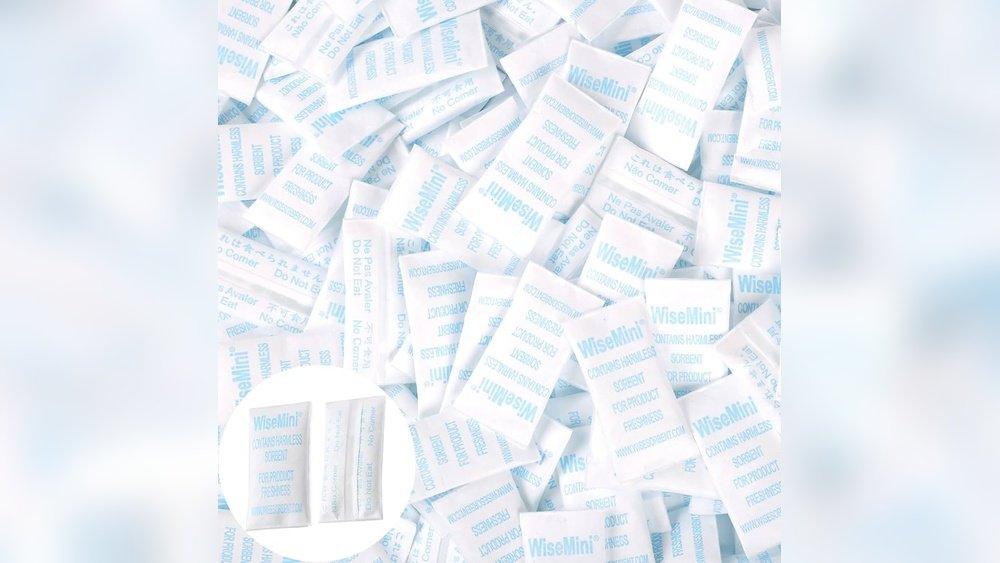
Have you ever opened a package and noticed those tiny little packets labeled “Silica Gel”? You might wonder, can silica gel really make a difference when used inside your shipping boxes?
If you want to keep your products safe from moisture, mold, and damage during transit, understanding how silica gel works could save you a lot of trouble. You’ll discover why silica gel is more than just a simple packet, how it protects your shipments, and whether it’s the right choice for your shipping needs.
Keep reading—you’re about to learn a smart way to safeguard your items and boost customer satisfaction.
Role Of Silica Gel In Shipping
Silica gel plays an important role in shipping. It helps protect products from moisture damage during transport. Moisture can cause mold, rust, and spoilage. Silica gel keeps the inside of shipping boxes dry and safe. This small packet works quietly but effectively. It extends the shelf life and quality of many goods. Understanding how silica gel controls moisture shows why it is used widely in packaging.
How Silica Gel Controls Moisture
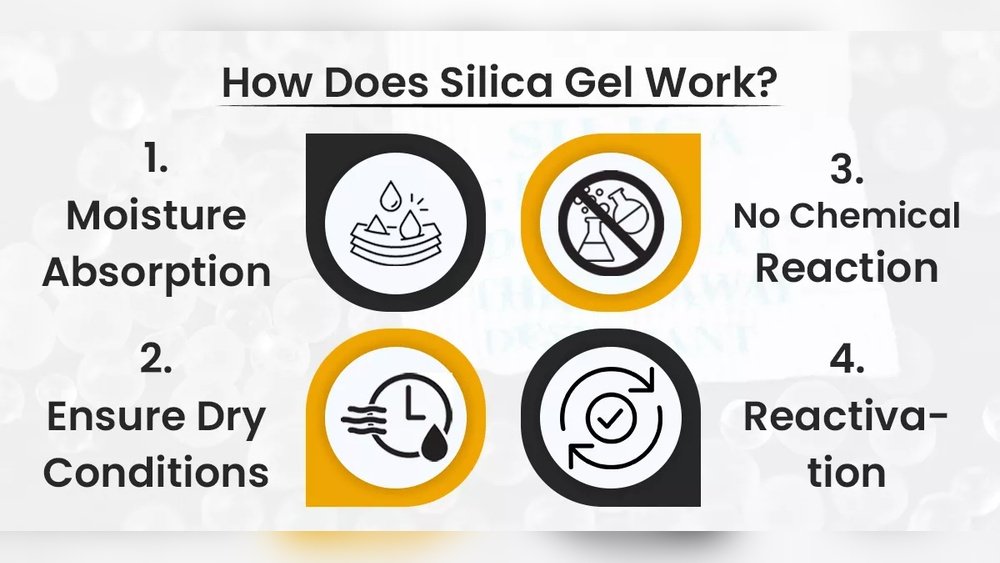
Silica gel absorbs moisture from the air around it. It has tiny pores that trap water vapor. This prevents moisture from reaching the product inside the box. The gel can hold a large amount of water relative to its size. It does not dissolve or become wet, so it stays effective for a long time. By reducing humidity, silica gel stops mold and rust from forming. It also helps keep electronics and food dry during shipping.
Common Applications In Packaging
Many industries use silica gel in their shipping boxes. Electronics manufacturers include it to protect devices from moisture. Food companies add silica gel to keep snacks fresh. Pharmaceutical products rely on it to maintain dryness. Clothing and leather goods also benefit from silica gel packets. They prevent mold and odor during long shipments. The use of silica gel is simple but crucial for product safety.
Benefits Of Using Silica Gel In Boxes
Silica gel offers many benefits when placed inside shipping boxes. It helps keep products dry and safe from moisture damage. This simple addition can improve product quality and customer satisfaction. Let’s explore how silica gel protects your goods during transit.
Preventing Mold And Mildew
Silica gel absorbs moisture that causes mold and mildew growth. Mold can ruin fabrics, paper, and food items inside boxes. With silica gel, the air stays dry, stopping mold spores from growing. This keeps products clean and fresh until they reach buyers.
Protecting Electronics And Fragile Items
Electronics and fragile items are sensitive to moisture. Water vapor can cause rust and corrosion on metal parts. Silica gel removes excess humidity, protecting these items from damage. It helps maintain the device’s function and extends its life.
Extending Product Shelf Life
Products like food, vitamins, and cosmetics last longer with silica gel. Moisture speeds up spoilage and reduces shelf life. Silica gel keeps these products dry, preserving their quality and effectiveness. This means less waste and happier customers.
Types Of Silica Gel Packs
Silica gel packs come in different types. Each type has unique features that suit various shipping needs. Choosing the right pack helps keep products dry and safe during transit.
Indicating Vs. Non-indicating Packs
Indicating silica gel packs change color to show moisture levels. This feature helps you know when to replace the pack. Non-indicating packs do not change color. They absorb moisture but offer no visual cue. Both types protect items, but indicating packs add extra convenience.
Sizes And Absorption Capacities
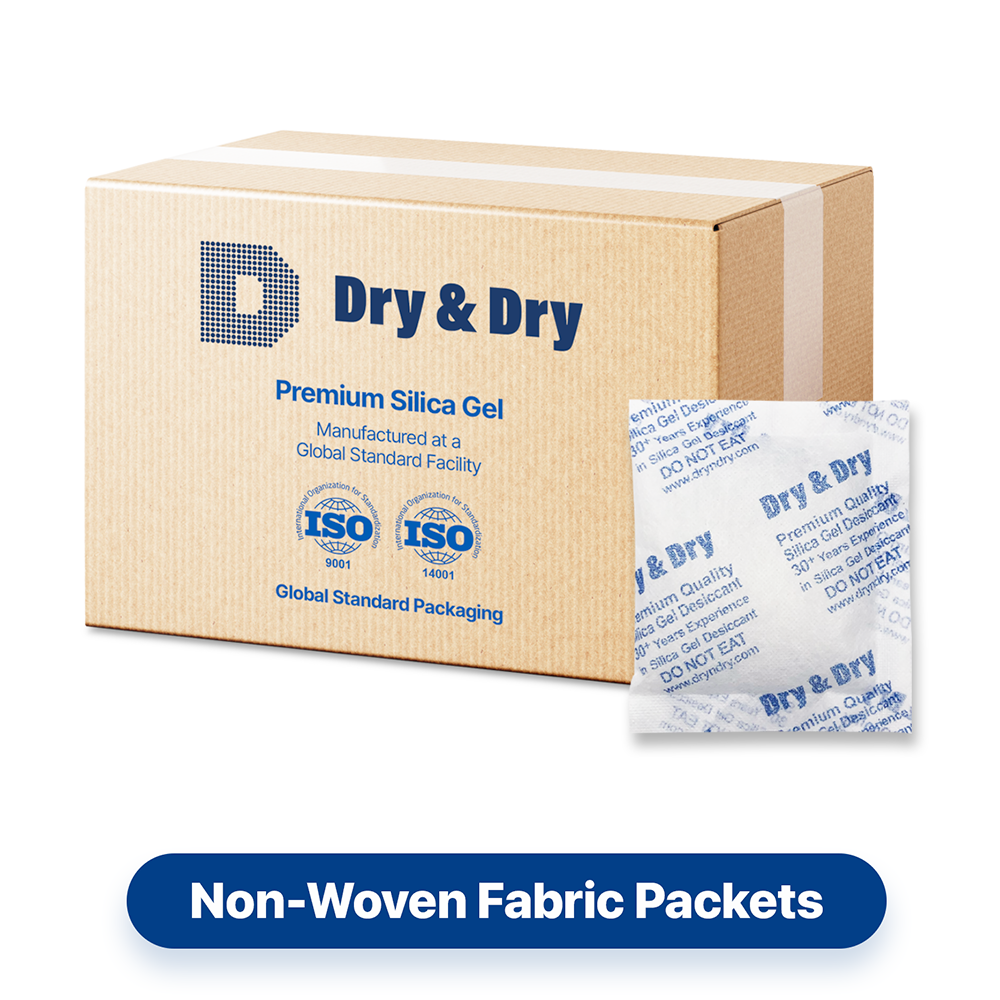
Silica gel packs vary in size from tiny to large. Small packs work well for electronics and small goods. Larger packs suit bigger boxes or high humidity areas. Absorption capacity depends on pack size and type. Choose a pack that matches the size of your shipment and moisture risk.

How To Use Silica Gel In Shipping Boxes
Using silica gel in shipping boxes helps keep items dry and safe. Moisture can damage products during transit. Silica gel absorbs water and controls humidity inside the box. Proper use extends product life and improves customer satisfaction.
Placement Strategies
Place silica gel packets near the product, but not touching it. This allows air to flow around the gel. Avoid placing packets where they can break or spill. Use small packets for fragile items and larger ones for bulkier shipments. Spread packets evenly for better moisture control.
Quantity Recommendations
The amount of silica gel depends on box size and product type. Use about 1 gram of silica gel per 100 cubic inches of space. For very sensitive items, increase the amount slightly. Too little silica gel won’t protect well. Too much can be wasteful and costly.
Limitations And Precautions
Silica gel helps keep shipments dry and free from moisture. It absorbs water and protects items from damage. Still, it has limits and needs careful handling. Knowing these limits helps use silica gel safely and effectively in shipping boxes.
Handling And Safety Tips
Silica gel packets are not edible. Keep them away from children and pets. Avoid opening the packets to prevent dust exposure. Store them in a dry place before use. Use gloves if you handle many packets. Dispose of broken packets carefully to avoid spills.
Reusability And Disposal
Silica gel can absorb moisture only up to a limit. After that, it loses effectiveness. Some packets can be dried and reused by heating them gently. Do not reuse packets that are torn or contaminated. Dispose of used silica gel in trash following local rules. Do not flush silica gel down drains or toilets.

Alternatives To Silica Gel
Silica gel is common in shipping boxes to keep moisture away. Still, other options exist. These alternatives also protect goods but may fit certain needs better.
Other Desiccants In Shipping
Clay desiccants absorb moisture well and cost less. They are natural and safe to use around food and medicine. Calcium chloride is another choice. It pulls water from the air quickly. This makes it good for very damp conditions. Activated charcoal can trap moisture and odors. It helps keep packages fresh during shipping.
Comparing Effectiveness And Cost
Silica gel works for moderate moisture control and lasts long. Clay is cheaper but may not absorb as much. Calcium chloride is strong but can leak if damaged. Activated charcoal is less common but useful for odor control. The right choice depends on the product, shipping time, and budget.
Frequently Asked Questions
What Is The Purpose Of Silica Gel In Shipping Boxes?
Silica gel absorbs moisture to keep shipping boxes dry. It prevents mold, corrosion, and damage to sensitive items during transit.
Can Silica Gel Protect Electronics During Shipping?
Yes, silica gel helps protect electronics by reducing humidity inside shipping boxes. It prevents moisture-related damage and extends product life.
How Long Does Silica Gel Remain Effective In Boxes?
Silica gel typically lasts several months but effectiveness depends on humidity levels. Replace it if it becomes saturated or changes color.
Is Silica Gel Safe To Use With Food Shipments?
Silica gel is non-toxic but not edible. Use only food-grade packets and keep them separate from actual food items.
Conclusion
Silica gel helps keep shipping boxes dry and safe. It stops moisture from damaging products inside. Using silica gel is simple and cost-effective. It works well for many types of items. Keep silica gel packets sealed until use. Replace them if they become wet.
This small step can protect goods during transport. Choose silica gel to improve shipping quality. It adds value by reducing product damage risks. A smart choice for safer shipments every time.