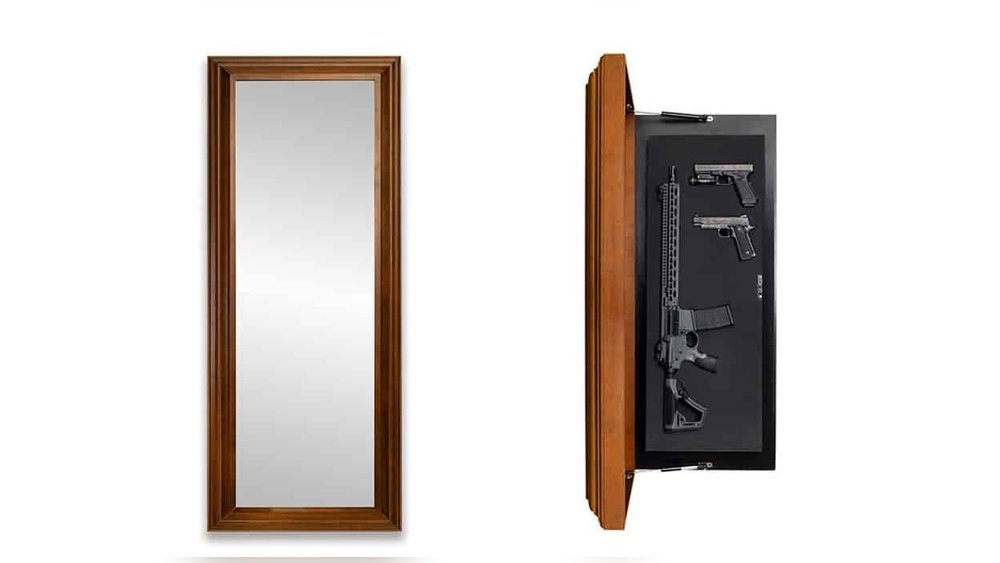
If you own an AR-15, keeping it safe is more important than you might think. You want a safe that not only protects your firearm but also gives you peace of mind.
But with so many options out there, how do you know which security features really matter? You’ll discover exactly what to look for in an AR-15 safe. By the end, you’ll feel confident choosing the right safe to protect your investment and keep your home secure.
Keep reading—you won’t want to miss these essential tips.

Locking Mechanisms
Locking mechanisms are the heart of any AR-15 safe. They keep your firearm secure and prevent unauthorized access. Different types of locks offer various levels of security and convenience. Choosing the right locking system depends on your needs and comfort with technology.
Biometric Locks
Biometric locks use fingerprints to open the safe. This method is fast and offers high security. Only registered users can access the safe. These locks are ideal for quick access in emergencies. They also reduce the risk of lost or stolen keys.
Electronic Keypads
Electronic keypad locks require a code to open the safe. You can change the code anytime for added security. These locks are easy to use and reliable. They offer quick access without the need for physical keys. Battery-powered keypads often include low-battery alerts.
Traditional Key Locks
Traditional key locks use a physical key for access. They are simple and familiar to most users. This type may not be as secure as electronic options. Keys can be lost or copied. Still, they offer a basic level of protection for your AR-15 safe.
Combination Locks
Combination locks require a specific number sequence to open. They do not need batteries or keys. This type can be mechanical or digital. Combination locks offer good security without electronic parts. Remember to keep the combination private and safe.
Construction And Materials
The construction and materials of an AR-15 safe play a big role in keeping your firearm secure. Strong materials make it hard for thieves to break in. They also help protect your gun from fire and impact damage. Choosing the right safe means checking what it is made of and how well it is built.
Steel Thickness
Thick steel walls are harder to cut or drill through. Look for safes with steel at least 10 to 12 gauge thick. Thicker steel means better protection. Thin steel can be broken easily with simple tools. The door should also have thick steel to stop forced entry.
Fire-resistant Materials
Fire can destroy your firearm and important documents. A good safe includes fire-resistant materials inside its walls. These materials keep heat and flames out for a set time. Check the fire rating to know how long the safe can protect your AR-15. Look for safes tested to withstand high temperatures.
Impact Resistance
Impact resistance protects your safe from drops and hits. Steel construction helps, but the safe should also absorb shocks. Some safes have special liners or padding inside. These reduce damage from falling or banging. Strong hinges and locks add to the safe’s durability under impact.
Internal Organization
Internal organization plays a key role in an AR-15 safe. It keeps your firearms and accessories neat and easy to find. A well-organized safe helps protect your guns from damage. It also saves time when you need quick access.
Adjustable Shelving
Adjustable shelving lets you customize the space inside the safe. You can change shelf height to fit different items. This flexibility helps store rifles, pistols, and gear efficiently. Shelves that move are better than fixed ones for varied storage needs.
Padding And Protection
Padding protects your AR-15 and other firearms from scratches. Soft liners reduce impact during movement. It keeps the gun finish smooth and safe. Look for foam or felt padding inside the safe for added care.
Ammunition Storage
A safe should include space for ammunition. Separate compartments keep ammo secure and organized. This avoids mixing ammo with firearms, which improves safety. Dedicated ammo storage also prevents damage and corrosion.
Additional Security Features
Additional security features enhance the protection of your AR-15 safe. They help prevent unauthorized access and alert you to suspicious activity. These features add layers of safety beyond basic locks. Choose a safe with smart technology to keep your firearm secure at all times.
Tamper Alerts
Tamper alerts notify you if someone tries to open or move the safe. Sensors detect forced entry or unusual handling. This feature sends instant warnings through alarms or smartphone notifications. Tamper alerts help you respond quickly to potential threats.
Backup Power Options
Backup power options keep your safe working during power outages. Battery backups or external power sources ensure the lock stays active. This prevents lockouts and keeps your firearm accessible only to you. Reliable power is crucial for electronic lock safes.
Lockout Timers
Lockout timers prevent repeated incorrect code attempts. After several failed tries, the safe locks for a set time. This stops thieves from guessing your code by trial and error. Lockout timers add an extra layer of security for your safe.
Size And Portability
Choosing the right size and portability for an AR-15 safe is very important. It affects where you can place the safe and how many rifles it can hold. The safe must fit your space and meet your storage needs. Also, the weight and mounting options change how easy it is to move or secure the safe.
Capacity For Multiple Rifles
Check how many rifles the safe can hold. Some safes fit just one AR-15. Others store several rifles and accessories. A larger safe gives more room for extra guns. It helps keep your collection organized and protected.
Weight Considerations
Weight matters for safety and portability. Heavier safes are hard to move and harder to steal. Lighter safes can be moved but might need extra security. Balance weight with how often you need to move the safe.
Mounting Options
Mounting keeps the safe fixed in one place. Some safes can be bolted to the floor or wall. This stops thieves from taking the whole safe. Choose mounting options that fit your home and keep the safe secure.

Compliance And Certification
Choosing an AR-15 safe involves more than just size and design. Compliance and certification ensure the safe meets important rules. These rules protect you and your family. They also help avoid legal trouble. Understanding these aspects makes your choice smarter and safer.
Meeting Legal Standards
Many states require gun safes to follow specific laws. These laws often include resistance to fire and burglary. Some states demand safes to have locking mechanisms tested by authorities. Meeting these standards means your safe is legally acceptable. It helps prevent fines and legal issues.
Industry Certifications
Look for safes with recognized certifications. UL (Underwriters Laboratories) and BHMA (Builders Hardware Manufacturers Association) are common. These groups test safes for strength and reliability. A certified safe has passed strict tests. This gives you confidence in its security features.
Insurance Requirements
Insurance companies may require certified safes for coverage. They want proof your firearms are stored safely. Using a certified safe can lower insurance premiums. It also speeds up claims if theft or damage occurs. Check your policy to know which certifications matter.
Frequently Asked Questions
What Locking Mechanisms Are Best For Ar-15 Safes?
High-quality safes use biometric, keypad, or dual-lock systems. These prevent unauthorized access and ensure quick, secure entry during emergencies.
How Important Is Fire Resistance In An Ar-15 Safe?
Fire resistance protects firearms and documents from heat damage. Look for safes rated for at least 30 minutes at high temperatures.
Should Ar-15 Safes Have Pry-resistant Features?
Yes, pry-resistant doors and reinforced steel bodies enhance security. They prevent forced entry and keep your firearms safe.
Are Tamper Alarms Necessary For Ar-15 Safes?
Tamper alarms alert owners to unauthorized access attempts. This feature adds an extra layer of security for your firearms.
Conclusion
Choosing the right security features keeps your AR-15 safe and secure. Strong locks prevent easy access by others. Fire-resistant materials protect your firearm from damage. A good safe also limits who can open it. Compact designs help fit safes in small spaces.
Easy-to-use locks save time when you need the gun. Prioritize safety to protect your family and property. A reliable safe gives peace of mind every day. Take time to pick features that fit your needs. Safety matters most.