You’ve invested in a rifle safe to protect your firearms. But when was the last time you cleaned it?
Keeping your rifle safe clean is more important than you might think. Dust, moisture, and dirt can build up inside, putting your guns at risk of damage. Wondering how often you should clean your rifle safe to keep your collection in top shape?
Keep reading—because the answer might surprise you, and it could save you time, money, and frustration down the road.
Importance Of Cleaning Rifle Safes
Cleaning a rifle safe is a crucial task for gun owners. It helps keep the safe and its contents in top condition. Dirt, dust, and moisture can build up inside the safe. This buildup can harm the safe and the firearms stored inside. Regular cleaning protects both the safe and your valuable guns.
Preventing Rust And Corrosion
Rust and corrosion damage metal parts fast. Moisture inside the safe causes rust on guns and shelves. Cleaning removes moisture and dirt that trap water. A clean safe reduces the chance of rust forming. This protects your firearms and safe from costly damage.
Maintaining Safe Functionality
A dirty safe can cause problems with locks and hinges. Dust and debris can block moving parts. Regular cleaning keeps locks working smoothly. It also prevents jams and other issues. Proper function means your guns stay secure and ready.
Protecting Firearm Condition
Firearms need a clean, dry place to stay in good shape. Dirt and grime can scratch or wear gun surfaces. Cleaning the safe stops dirt from reaching your guns. This helps keep your firearms looking and working well. Safe cleaning extends the life of your guns.
Recommended Cleaning Frequency
Keeping your rifle safe clean is important for protecting your firearms. A proper cleaning schedule helps avoid rust, dust buildup, and damage. Knowing how often to clean depends on several factors. This section explains the recommended cleaning frequency and how to adjust it based on your situation.
Factors Influencing Cleaning Schedule
Environment plays a big role in how often you clean your safe. Humidity causes rust faster. Dusty or smoky places fill safes with particles quickly. The number of rifles stored also matters. More guns mean more dirt and oil inside. How often you open the safe affects cleaning needs. Frequent access brings more air and dust inside.
Typical Cleaning Intervals
Most experts suggest cleaning your rifle safe every three to six months. This period keeps rust and dust under control. For safes in dry, clean homes, six months may be enough. In humid or dusty areas, clean every three months. Regular checks every month help catch problems early. Wipe down the inside and vacuum dust if needed.
Adjusting Frequency Based On Environment
In humid places, clean your safe more often. Rust can form quickly on metal parts. Use moisture absorbers inside to help. In dry climates, less frequent cleaning works well. Dusty or smoky areas require more attention. Clean immediately if you see dirt or smell smoke inside. Adjust cleaning times to keep your rifles safe and dry.
Tools And Materials Needed
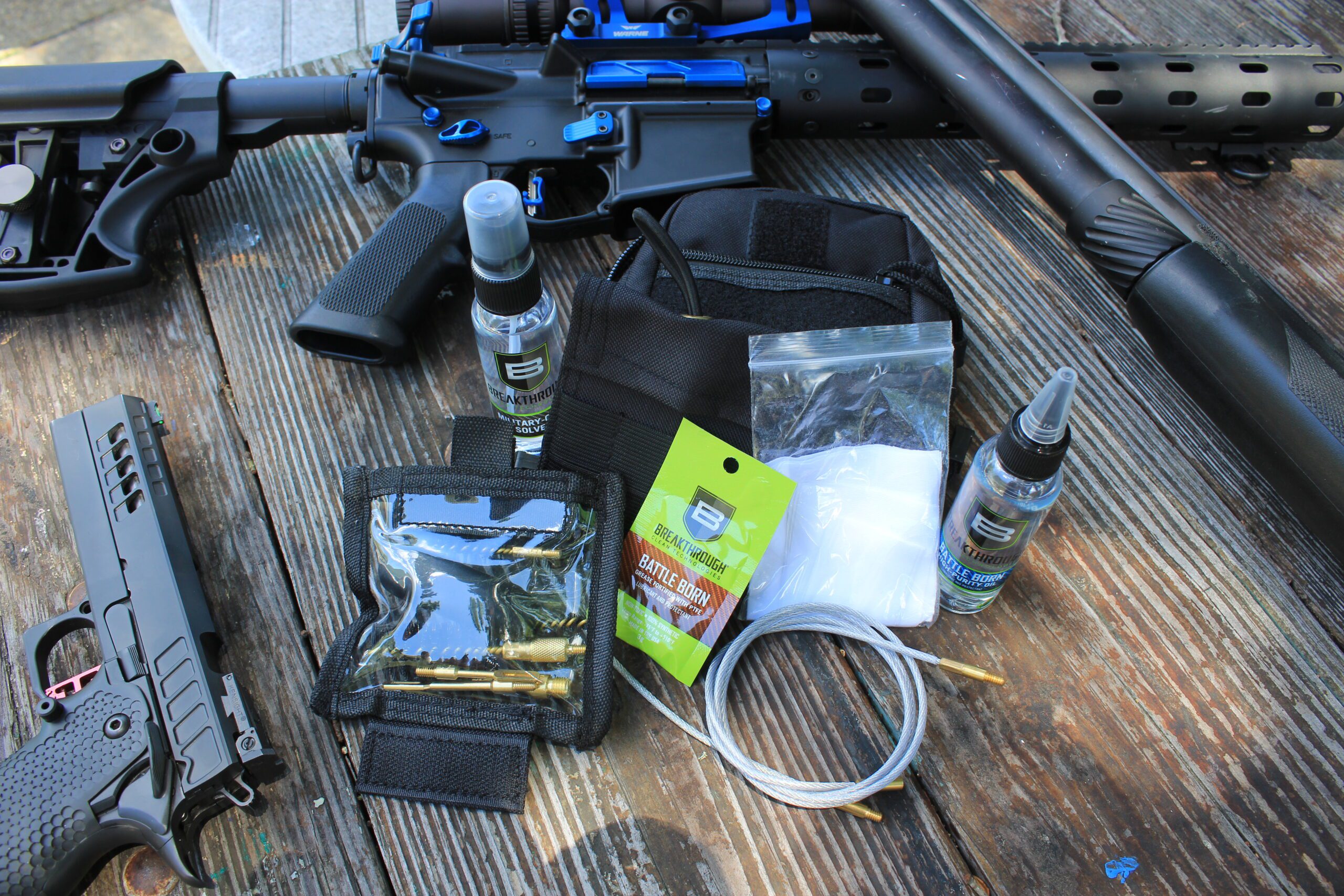
Keeping your rifle safe clean requires the right tools and materials. Using proper supplies protects your safe and helps it last longer. Preparing everything before you start makes the cleaning process smooth and quick.
Cleaning Supplies
Soft cloths or microfiber towels work best to avoid scratches. Mild soap or specialized safe cleaner removes dirt without damage. A small brush helps clean tight corners and vents. Avoid harsh chemicals that can harm the safe’s finish.
Protective Gear
Wear gloves to protect your hands from cleaning agents. Eye protection keeps dust and particles out of your eyes. A mask is useful if dust or fumes are strong during cleaning. Safety first keeps the job safe and easy.
Safe-specific Products
Use rust inhibitors designed for metal surfaces inside the safe. Dehumidifiers or moisture absorbers prevent rust and mold buildup. Check your safe’s manual for recommended cleaning products. Using the right items keeps your safe in top condition.

Step-by-step Cleaning Process
Cleaning a rifle safe keeps your firearms secure and in good shape. Dirt and dust can build up over time. This can cause problems with locks and hinges. Follow a clear step-by-step process to clean your safe properly. Take your time and be thorough.
Each step helps keep your safe working well. It also protects your guns from damage. Let’s break down the cleaning process into easy parts.
Emptying The Safe
Start by removing all firearms and valuables. Place them in a safe spot away from dust. This clears the space for cleaning. Make sure your hands are clean before handling guns. This step helps avoid damage during cleaning.
Dusting And Vacuuming
Use a soft brush to dust inside corners and shelves. Next, vacuum the interior to remove loose dirt. Use a vacuum with a brush attachment. This prevents scratching the safe’s surface. Dust-free areas reduce moisture and rust risks.
Wiping Surfaces
Take a damp cloth with mild soap to wipe surfaces. Avoid harsh chemicals that can damage the safe. Clean walls, shelves, and door seals carefully. Dry all surfaces with a dry cloth. This keeps the safe fresh and clean.
Lubricating Locks And Hinges
Apply a small amount of lubricant to locks and hinges. This keeps them moving smoothly and prevents rust. Use lubricants made for metal parts. Avoid over-lubricating to keep dirt away. Test the lock and hinges after lubricating.
Checking For Damage
Look closely for signs of rust or wear inside the safe. Check the seals for cracks or gaps. Inspect locks and hinges for any problems. Fix small issues quickly to prevent bigger damage. Regular checks keep your safe secure and reliable.
Tips To Keep Your Safe Clean Longer
Keeping a rifle safe clean helps protect your firearms and extends the safe’s life. Simple steps can reduce dirt and moisture inside the safe. These tips make cleaning easier and less frequent.
Using Dehumidifiers
Dehumidifiers remove moisture from the air inside the safe. Moisture causes rust and damage to guns. Small electric dehumidifiers work well for rifle safes. Silica gel packs are a good, cheap alternative. Replace or recharge these packs regularly for best results.
Proper Ventilation
Good airflow prevents moisture buildup inside the safe. Avoid storing the safe in damp or poorly ventilated rooms. Leave space around the safe for air to move. Ventilation helps keep the safe dry and clean longer.
Regular Inspections
Check your rifle safe often for dust, moisture, and damage. Look at seals and locks to ensure they work well. Clean spills or dirt right away to stop problems. Regular checks help catch issues before they grow.
Common Mistakes To Avoid
Cleaning a rifle safe is important to keep your firearms safe and in good condition. Many people make mistakes that can harm the safe or make it less secure. Avoiding these common errors helps protect your investment and keeps your rifles safe.
Using Harsh Chemicals
Harsh chemicals can damage the safe’s finish and seals. Strong cleaners may cause rust or weaken the safe’s interior lining. Use mild soap and water or cleaners made for safes. Always test a small area first to avoid damage.
Neglecting Lock Maintenance
Locks need regular care to work properly. Dirt and dust can jam the lock. Avoid ignoring this part of the safe. Clean locks gently and apply lock lubricant. A well-maintained lock keeps your safe secure and easy to open.
Overlooking Interior Components
Many forget to clean the inside parts of the safe. Shelves, hinges, and seals collect dust and moisture. This can cause rust and mold. Wipe these parts regularly with a dry cloth. Keep the interior dry and free from dirt.

Frequently Asked Questions
How Often Should I Clean My Rifle Safe?
You should clean your rifle safe at least twice a year. Regular cleaning prevents dust buildup and moisture damage. Check more often if you live in humid areas. This helps maintain the safe’s integrity and protects your firearms from rust.
What Cleaning Supplies Are Best For Rifle Safes?
Use a soft cloth, mild detergent, and a vacuum cleaner. Avoid harsh chemicals that can damage the safe’s interior. A dehumidifier pack can also help control moisture inside the safe. These supplies keep your safe clean and your firearms safe.
Can Neglecting Safe Cleaning Damage My Firearms?
Yes, neglecting cleaning can lead to dust and moisture buildup. This causes rust and corrosion on your firearms. Regular cleaning and inspection prevent damage and ensure your guns stay in top condition. Keeping your safe clean protects your investment.
Is It Necessary To Clean The Safe’s Interior Lining?
Yes, cleaning the interior lining prevents dust accumulation and moisture retention. Use a vacuum or soft brush to clean it gently. This maintains a safe environment for your firearms and accessories, extending their lifespan.
Conclusion
Cleaning your rifle safe regularly keeps your guns safe and rust-free. Aim to clean it at least once every few months. Wipe away dust, moisture, and dirt to stop damage. Check the safe’s seals and locks while cleaning. A clean safe protects your investment and gives peace of mind.
Don’t wait for problems to appear. Stay consistent with your cleaning routine for best results. Safe and ready—every time you need your rifle.