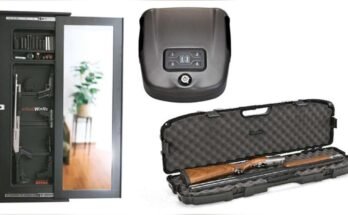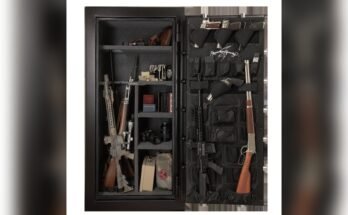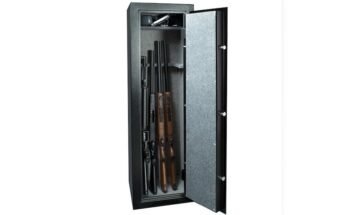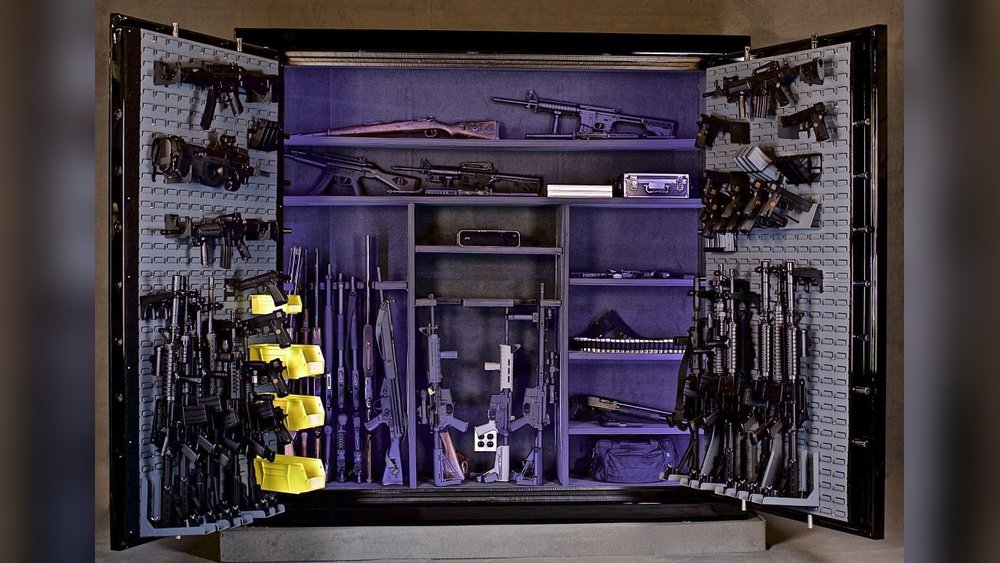
You’ve invested in your rifles, and keeping them safe is a top priority. But when it comes to choosing the right rifle safe, one question often comes up: how heavy should your safe be?
The weight of a rifle safe isn’t just a number—it affects security, portability, and peace of mind. If you want to protect your firearms from theft or accidents, understanding how heavy your safe needs to be is crucial. Keep reading, and you’ll discover everything you need to know to make the best choice for your safety and your gear.
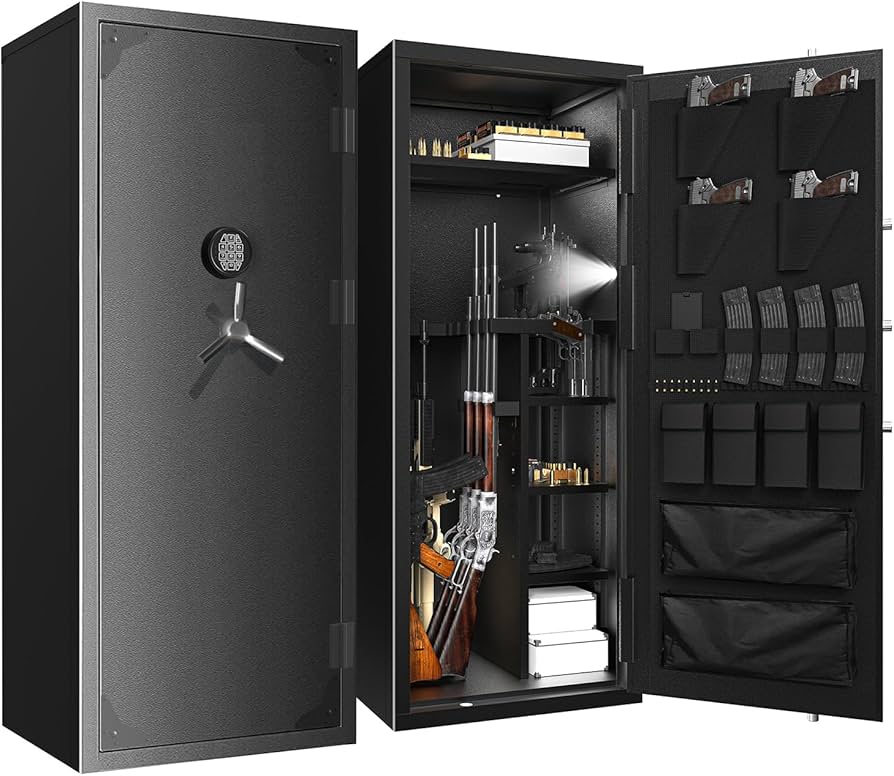
Rifle Safe Weight Range
Rifle safes come in many sizes and weights. Choosing the right weight is important for safety and convenience. Weight affects how easy it is to move the safe and how well it protects your rifles.
The weight range of rifle safes varies widely. This range fits different needs and budgets. Here is a closer look at the typical weight categories.
Lightweight Models
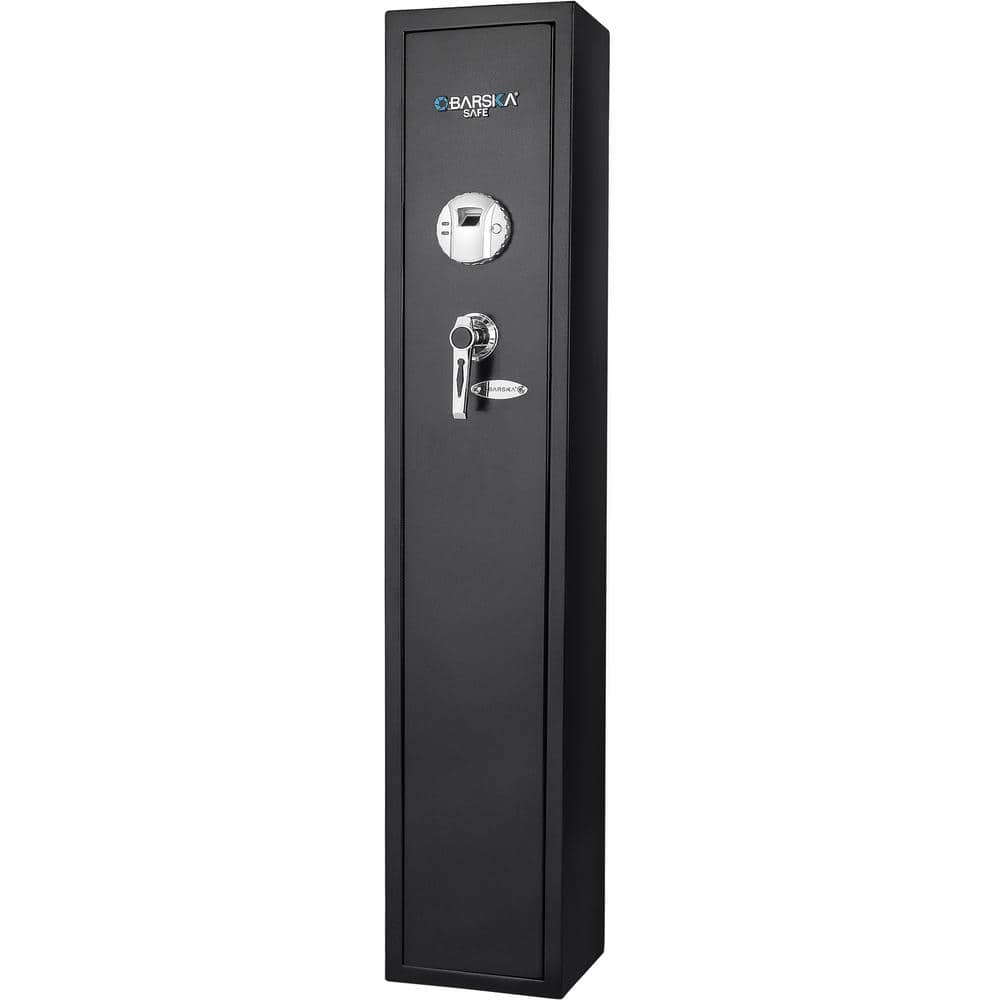
Lightweight rifle safes usually weigh between 50 and 150 pounds. They are easier to carry and fit in smaller spaces. These models often use thinner steel and less insulation. They offer basic protection but can be moved by one or two people.
Midweight Options
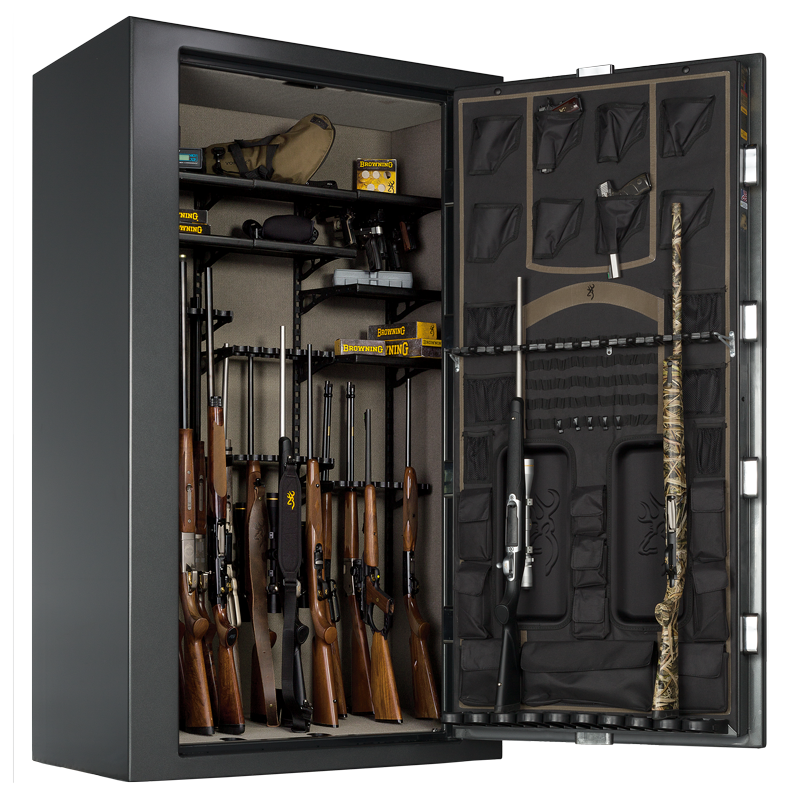
Midweight safes weigh from 150 to 400 pounds. They balance portability with strong protection. These safes use thicker steel and better locks. Many gun owners prefer this range for home use. They resist break-ins better than lightweight models.
Heavy-duty Safes
Heavy-duty rifle safes weigh over 400 pounds. Some can exceed 1,000 pounds. These safes use very thick steel and advanced locking systems. They offer the best protection against theft and fire. Moving these safes requires special equipment or professional help.
Factors Affecting Safe Weight
The weight of a rifle safe depends on several key factors. Each factor plays a role in how heavy the safe becomes. Understanding these can help you pick the right safe for your needs.
Material Types
Steel is the most common material for rifle safes. Thicker steel means a heavier safe. Some safes use composite materials or concrete layers. These add weight but improve protection.
Light metals like aluminum make safes lighter but less secure. The type and thickness of materials greatly affect safe weight.
Safe Size And Capacity
Bigger safes hold more rifles and gear. Larger safes need more material, so they weigh more. Small safes are easier to move but store fewer items.
The number of shelves and compartments also adds to the weight. Choose a size that fits your collection and space.
Locking Mechanisms
Heavy-duty locks add extra weight to a safe. Mechanical locks with thick bolts weigh more than simple locks. Electronic locks may add weight due to batteries and wiring.
More locking points mean better security but increase the overall weight. The locking system is a key factor in safe durability and weight.
Why Weight Matters
The weight of a rifle safe is more than just a number. It plays a key role in how well the safe protects your firearms. The right weight can stop thieves and affect how you install and move the safe. Understanding why weight matters helps you pick the best safe for your needs.
Security And Theft Prevention
Heavier rifle safes are harder to carry away. Thieves often look for easy targets. A heavy safe stays in place, reducing theft risk. It also means the safe has strong materials inside. This makes breaking in more difficult. Weight adds an extra layer of protection for your guns.
Portability Considerations
Heavy safes are tough to move. This can be good for security but tricky for you. If you move often, a very heavy safe might be a burden. You may need help or special tools to relocate it. Think about where you want the safe before buying. Balance security needs with your ability to move the safe.
Installation Challenges
Heavy rifle safes need strong floors. Some floors may not hold the weight safely. You might have to reinforce the floor or choose a lighter model. Installation can take more time and effort with heavy safes. Plan for this when setting up your safe at home.
Tips For Choosing The Right Weight
Choosing the right weight for a rifle safe is important. The weight affects security and ease of use. A safe too light may be easy to move by thieves. A very heavy safe may be hard to install or relocate. This section offers tips to find the right balance for your needs.
Balancing Security And Mobility
Heavier safes offer better protection. They are difficult to carry or break into. Lighter safes may be easier to move for cleaning or room changes. Consider how often you might need to move the safe. Choose a weight that keeps your rifles secure but allows some mobility.
Assessing Your Space
Measure the space where the safe will go. Check floor strength and door size. A very heavy safe may damage floors or not fit through doors. Small rooms may need lighter safes. Make sure the safe weight matches your space limits and home structure.
Budget Implications
Heavier safes often cost more due to materials and construction. Lighter safes tend to be cheaper but may have less protection. Set a budget before buying. Balance your spending with the level of security you want. Good safes come at many price points to fit different budgets.
Weight Management Solutions
Rifle safes can be very heavy. Managing their weight is important for safety and convenience. Weight management solutions help keep the safe stable and protect your floors. These solutions also make moving or installing the safe easier. Here are some common ways to manage the heavy weight of rifle safes.
Anchoring Techniques
Anchoring secures the safe to the floor or wall. Bolts and screws keep it from tipping or sliding. Concrete floors are ideal for strong anchors. Wood floors need special anchors to avoid damage. Anchoring adds safety and prevents theft. It also stops the safe from falling during an earthquake.
Using Safe Platforms
Safe platforms raise the safe off the floor. They help spread the weight over a larger area. This protects floors from dents and scratches. Platforms often have padding to absorb shock. Some come with wheels to help move the safe. Platforms make cleaning under the safe easier too.
Professional Installation
Experts know how to handle heavy safes safely. They use the right tools and techniques. Professionals ensure proper anchoring and leveling. They reduce the risk of damage to floors or walls. Hiring professionals saves time and effort. They also offer advice on the best weight management solutions for your safe.
Frequently Asked Questions
How Much Do Typical Rifle Safes Weigh?
Rifle safes usually weigh between 200 to 1,000 pounds. Weight depends on size, steel thickness, and security features. Heavier safes offer better protection against theft and fire.
Why Does Rifle Safe Weight Matter?
Weight affects portability and security. Heavier safes are harder to move, deterring burglars. They also provide better fire resistance and overall durability.
Are Heavier Rifle Safes More Secure?
Yes, heavier safes typically offer enhanced security. Their weight makes them difficult to steal or break into. They usually have thicker steel and stronger locking mechanisms.
What Materials Influence Rifle Safe Weight?
Steel thickness and internal components like locking bolts impact weight. Additional fireproofing materials also add to the overall weight. Higher-quality safes use dense, heavy materials for protection.
Conclusion
Rifle safes come in many weights depending on size and materials. Heavier safes offer better security but are harder to move. Lighter safes are easier to carry but may be less secure. Think about where you will place your safe.
Consider how often you may need to move it. Balance security needs with convenience for your situation. Choosing the right weight helps protect your rifles effectively. Keep safety and ease in mind when making your choice.