If you own an AR-15, keeping it safe at home should be your top priority. You want to protect your family, prevent accidents, and keep your firearm secure from unauthorized access.
But what is the safest way to store an AR-15 that meets all these needs? You’ll discover practical, easy steps to store your rifle safely without compromising quick access when you need it. By the end, you’ll feel confident that your AR-15 is secure, and your home is safer.
Keep reading to learn how to protect what matters most.
Choosing The Right Storage Location
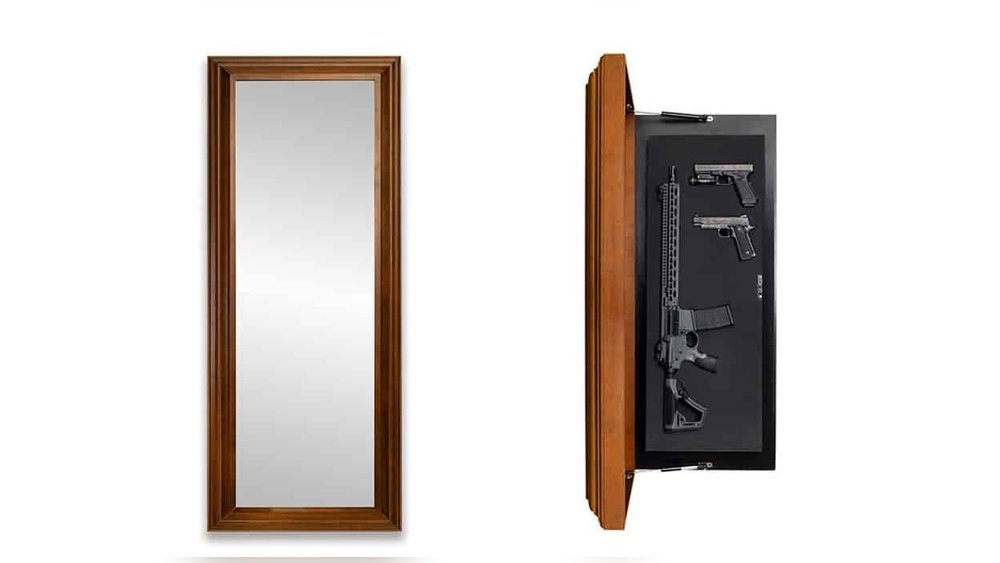
Choosing the right place to store your AR-15 at home is very important. The spot should keep your firearm safe and in good condition. You want a location that is hard for others to reach but easy enough for you in an emergency. This balance helps protect your family and your gun.
Proper storage also means protecting the rifle from damage. The right place can prevent rust, moisture, and other problems. Careful thought about where to keep your AR-15 helps keep it ready and reliable.
Assessing Accessibility And Security
Pick a place that is secure and limits access. A locked safe or cabinet works well. Avoid spots that children or unauthorized people can easily reach. The storage should be hidden but not too hard for you to open quickly.
Use strong locks or digital codes for extra security. Check that the location is stable and cannot be moved easily. This reduces the chance of theft or accidents in your home.
Avoiding Humidity And Temperature Risks
Keep the AR-15 away from damp or hot areas. Humidity can cause rust and damage the metal parts. High temperatures can warp or weaken some components.
Choose a dry and cool place, like a closet inside your home. Avoid basements or garages that often have moisture or heat changes. Use moisture absorbers or dehumidifiers if needed to protect the firearm.
Types Of Gun Safes
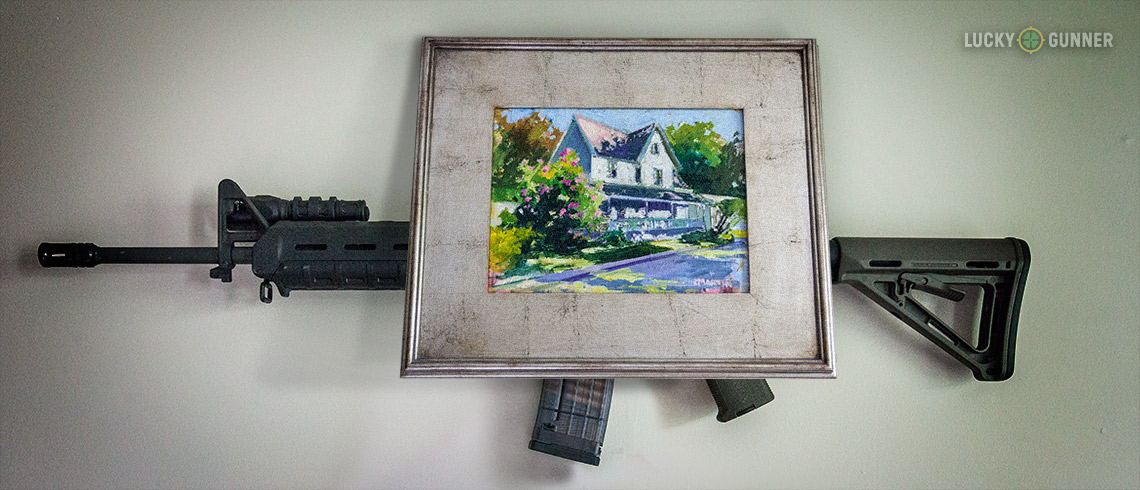
Choosing the right safe helps protect your AR-15 and keeps it away from unauthorized hands. Different types of gun safes offer various levels of security and convenience. Understanding these options makes storing your firearm safer and easier.
Biometric Safes
Biometric safes use fingerprint scans to open. They provide quick access to your AR-15. Only registered fingerprints can unlock the safe. This method limits access to trusted users. Biometric safes are ideal for emergencies.
Combination Lock Safes
Combination lock safes require a code to open. You enter a sequence of numbers on a dial or keypad. These safes do not need batteries. Codes can be changed when needed. They offer reliable security and moderate speed.
Key Lock Safes
Key lock safes open with a physical key. They are simple to use. Keys must be kept in a safe place. Losing the key means losing access. These safes are usually less expensive but less convenient.
Portable Gun Cases
Portable gun cases are small and easy to carry. They are good for short-term storage or travel. Most cases lock with keys or combination locks. They are not as secure as full-size safes. Use them for convenience, not long-term safety.
Trigger And Cable Locks
Trigger and cable locks offer effective ways to secure an AR-15 at home. These locks help prevent accidental or unauthorized use. Both are affordable and easy to use. They provide an extra layer of safety without the need for bulky storage.
How Trigger Locks Work
Trigger locks clamp around the trigger guard. They block access to the trigger, stopping the weapon from firing. This lock usually has a key or combination for removal. It is simple to install and remove. Trigger locks do not stop the use of the gun but prevent it from firing safely. This method works well for quick storage and short-term safety.
Advantages Of Cable Locks
Cable locks thread through the action or barrel of the firearm. This stops the gun from being loaded or fired. The cable is flexible and adjustable to fit many guns. It can be secured with a key or combination. Cable locks are light and easy to carry. They provide a visible deterrent and are hard to bypass. This type of lock is good for longer-term storage and transport safety.
Storing Ammunition Safely
Storing ammunition safely is crucial to prevent accidents and protect your household. Proper storage helps avoid unintentional discharge and keeps ammo in good condition. Safe storage also limits access to children or unauthorized persons. Knowing the right methods can keep your home secure and your ammunition ready when needed.
Separate Storage Recommendations
Keep ammunition stored apart from your AR-15 rifle. Separate storage reduces risks of accidental use. Place ammo in a different room or locked cabinet. This simple step adds an extra layer of safety. Also, avoid storing ammo near heat or moisture. These conditions can damage the ammunition and cause problems.
Using Locked Containers
Use locked containers to store ammunition securely. Lockboxes or safes designed for ammo are best. They prevent unauthorized access and keep ammo safe from children. Choose containers made of sturdy materials like metal. Ensure the lock is strong and reliable. Label the container clearly to avoid confusion.
Child Safety Measures
Keeping an AR-15 safe at home means paying special attention to children’s safety. Guns must be stored securely to prevent accidents. Children are curious and might not understand danger. Parents and guardians must take clear steps to protect them.
Educating Children On Firearm Safety
Teaching children about guns is important. Explain that guns are not toys. Tell them to never touch a gun without an adult. Use simple words to make sure they understand. Practice what to do if they find a gun. This helps reduce accidents and builds respect.
Additional Safety Devices
Use extra safety tools with your AR-15. Gun safes lock the weapon and keep it out of reach. Trigger locks block the gun from firing. Store ammunition separately from the firearm. These devices add layers of protection. They make your home safer for children.
Maintenance Tips For Stored Ar-15
Proper maintenance keeps your AR-15 safe and ready to use. Storing your rifle without care can cause damage. Dirt, moisture, and rust can build up over time. Follow simple steps to protect your firearm during storage. Regular attention extends the life of your AR-15. It also ensures safety and performance when you need it most.
Cleaning Before Storage
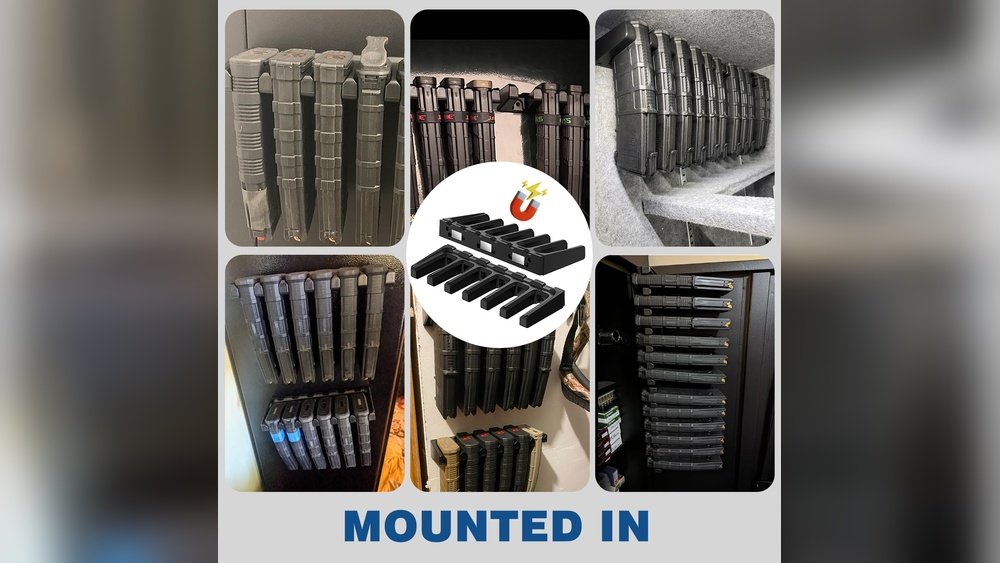
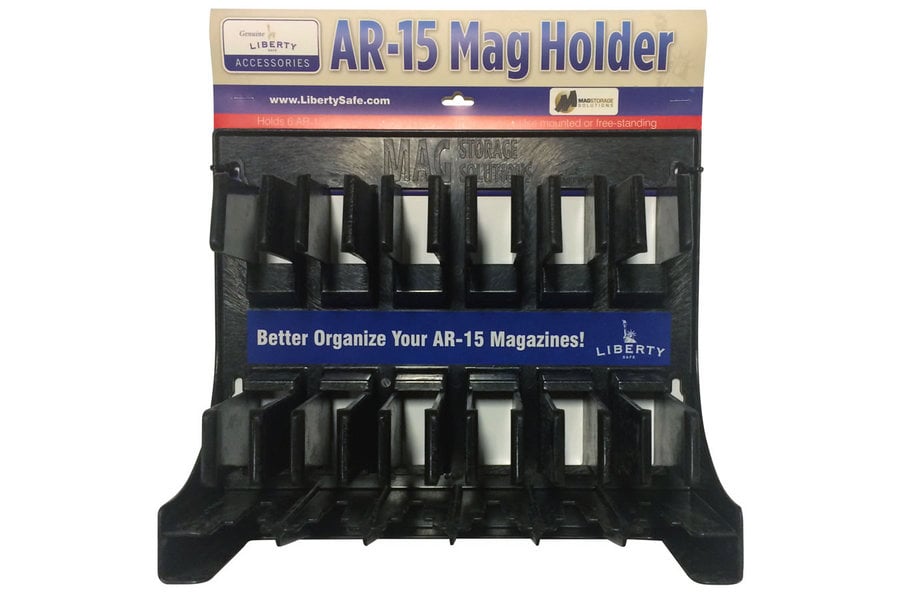
Always clean your AR-15 before putting it away. Remove all dirt, oil, and residue. Use a good gun cleaning kit with brushes and patches. Wipe down the barrel, chamber, and bolt carrier group. Apply a light coat of oil to protect metal parts. This prevents rust and corrosion during storage. Clean magazines and store them separately. Proper cleaning stops buildup that can cause malfunctions.
Regular Inspection Routines
Check your stored AR-15 at least once a month. Look for signs of rust or moisture damage. Inspect the stock, barrel, and metal parts closely. Make sure oil is still protecting the surfaces. Confirm that all screws and pins are tight. Test the safety and trigger mechanisms gently. Replace any worn or damaged parts immediately. Regular checks keep your rifle safe and reliable.
Legal Considerations For Home Storage
Storing an AR-15 safely at home involves more than just physical security. Understanding legal rules is key. Laws vary widely, and ignoring them can lead to serious trouble. Knowing your responsibilities helps protect you and others in your home.
State And Local Laws
Every state has different rules for gun storage. Some require locked containers or safes. Others demand trigger locks or separate ammo storage. Local laws may add extra steps or restrictions. Always check rules where you live. Follow these rules carefully to avoid fines or legal problems.
Liability And Insurance
Gun owners can be held responsible for accidents. Proper storage lowers risks of theft or misuse. Insurance may cover damages from accidents involving your firearm. Talk with your insurance agent about adding gun coverage. Safe storage can reduce your liability and protect your family.
Frequently Asked Questions
How Can I Safely Store An Ar-15 At Home?
Store your AR-15 in a locked gun safe or cabinet. Use a gun lock and keep ammunition separate. Ensure the storage area is dry and secure to prevent unauthorized access and damage.
What Is The Best Gun Safe For Ar-15 Storage?
Choose a steel gun safe with a reliable locking system. Look for fire resistance, tamper-proof features, and enough space for your AR-15. Biometric or digital locks offer quick access and high security.
Should I Store My Ar-15 Loaded Or Unloaded?
Always store your AR-15 unloaded to ensure safety. Remove the magazine and clear the chamber. Unloaded storage reduces accidental discharge risks and enhances responsible firearm handling.
Can Gun Cases Provide Safe Ar-15 Storage?
Gun cases offer portable protection but are not ideal for long-term storage. Use hard cases with locks for transport. For home storage, a gun safe or cabinet is safer and more secure.
Conclusion
Storing an AR-15 safely protects your family and others at home. Always use a strong, locked safe or cabinet. Keep ammunition separate and secure as well. Regularly check your storage to ensure it stays safe. Teach everyone in your home about gun safety rules.
Safety is a simple step that saves lives. Remember, responsible storage keeps accidents away. Stay alert, stay safe.