If you own an AR-15, you know how important it is to keep your magazines in top shape. But have you ever wondered how to store them safely so they last longer and work flawlessly when you need them?
Proper storage isn’t just about protecting your gear—it’s about keeping you and others safe. You’ll discover simple yet effective ways to store your AR-15 magazines that will save you time, money, and frustration. Keep reading to learn the best tips that every gun owner should know.

Choosing The Right Storage
Choosing the right storage for your AR-15 magazines is key to keeping them safe and working well. Proper storage protects magazines from damage, dirt, and moisture. It also helps keep them organized and easy to find. This section guides you on how to pick the best storage options based on material, climate, and location.
Material Options For Magazine Cases
Magazine cases come in different materials. Hard plastic cases offer strong protection against drops and impacts. They are easy to clean and keep magazines dry. Soft cases made from nylon or canvas are lightweight and flexible. These cases often have extra pockets for tools or spare parts. Some cases use foam inserts to keep magazines from moving. Choose a material that fits your needs and how often you carry your magazines.
Climate Considerations
Climate affects magazine storage a lot. High humidity can cause rust and corrosion on metal parts. Use cases with moisture-resistant properties to prevent this. Silica gel packets inside cases absorb moisture and keep magazines dry. In cold climates, avoid storing magazines in places where condensation forms. Warm, dry environments help maintain magazine life and performance.
Safe Locations In Your Home
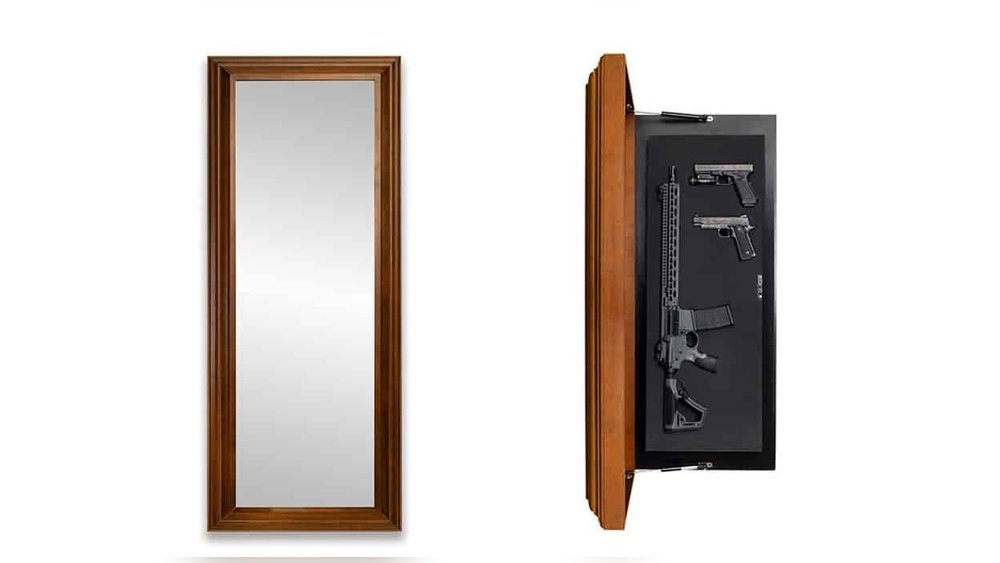
Pick a safe spot in your home to store magazines. Avoid damp basements or hot attics. A locked cabinet or safe is the best choice for security. Store magazines away from children and unauthorized users. Keep them in a place that stays dry and at room temperature. Clear labeling helps you find magazines quickly when needed.
Preparing Magazines For Storage
Preparing your AR-15 magazines for storage is essential for safety and longevity. Proper preparation helps keep magazines in good condition and ready for use. It also prevents damage and malfunctions. Follow these steps to prepare your magazines correctly before storing them.
Cleaning And Maintenance
Start by cleaning your magazines thoroughly. Remove dirt, dust, and any residue inside and outside. Use a dry cloth or a soft brush for cleaning. Avoid harsh chemicals that can damage the metal or plastic parts. Light oiling of metal components helps stop rust. Make sure the magazine is dry before storing it.
Inspecting For Damage
Check your magazines for any signs of damage. Look for cracks, dents, or bent feed lips. Make sure the springs work smoothly and are not weak. Replace any broken or worn parts. Damaged magazines can cause feeding problems and may be unsafe to use. Regular inspection keeps your magazines reliable.
Empty Vs. Loaded Storage
Decide if you will store magazines loaded or empty. Storing magazines empty reduces spring tension and extends spring life. Loaded magazines can be stored, but avoid long-term storage under full tension. If you store loaded, check them often for corrosion or damage. Always store magazines in a cool, dry place.
Storage Methods
Storing AR-15 magazines properly keeps them safe and ready for use. Good storage protects magazines from damage, dust, and moisture. It also helps organize your gear for quick access. Several storage methods fit different needs and spaces. Choose one that matches your lifestyle and safety requirements.
Using Ammo Cans And Lockboxes
Ammo cans are strong and waterproof. They protect magazines from water and dirt. Lockboxes add security by preventing unauthorized access. Both options keep magazines in one place. They are stackable and easy to carry. Use foam inserts to avoid scratches and noise.
Magnetic And Wall-mounted Racks
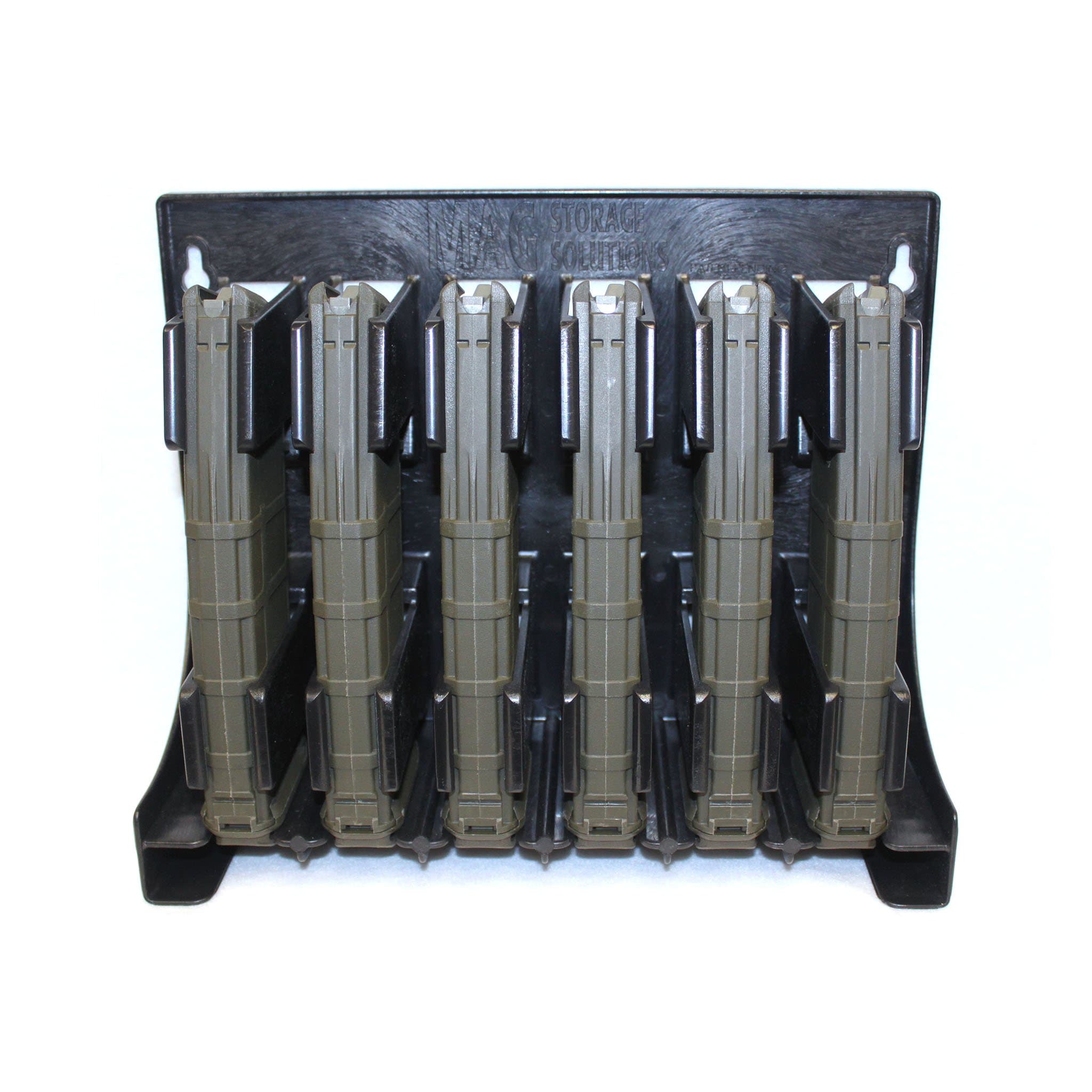
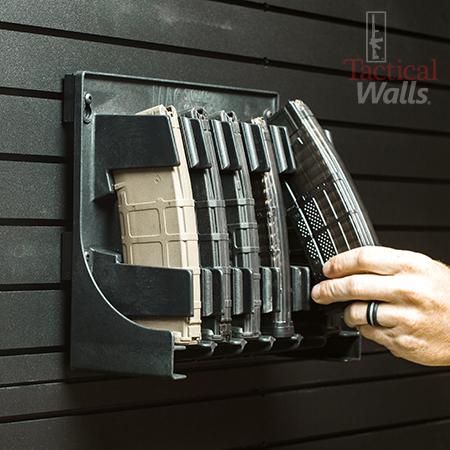
Magnetic racks hold magazines firmly on metal strips. They save space and keep magazines visible. Wall-mounted racks use hooks or slots to organize magazines. These racks keep magazines off surfaces and reduce clutter. They allow fast access during training or range use.
Soft Cases And Pouches
Soft cases offer lightweight protection for magazines. Pouches keep magazines separated and easy to carry. Many pouches have padding to reduce scratches and bumps. They fit inside backpacks or range bags. Soft storage is good for transport and daily use.
Safety Precautions
Storing AR-15 magazines safely requires careful attention to safety precautions. These steps prevent accidents and keep your magazines in good condition. Proper safety reduces risks in your home or storage area. Follow simple guidelines to protect your family and property.
Childproofing Storage Areas
Keep magazines out of children’s reach at all times. Use high shelves or locked cabinets for storage. Store magazines in containers that are hard to open. Teach children that these items are not toys. Childproofing helps avoid accidental handling and injury.
Securing Against Unauthorized Access
Lock your magazines in secure storage units or safes. Use strong locks that cannot be easily broken. Limit access to only trusted individuals. Keep keys or combinations private and safe. Securing magazines prevents theft and unauthorized use.
Fire And Moisture Protection
Store magazines in places away from heat and flames. Use fireproof safes or containers if possible. Protect magazines from moisture to avoid rust and damage. Silica gel packs help keep storage dry. Proper protection extends the life of your magazines.
Legal And Ethical Considerations
Storing AR-15 magazines safely involves more than just physical care. It requires understanding and following legal and ethical rules. These rules help keep everyone safe and prevent trouble with the law. Knowing what the law says about magazine storage is important for all gun owners.
Local Laws On Magazine Storage
Every state and city has different rules about magazine storage. Some places limit the number of rounds a magazine can hold. Others require magazines to be stored in locked containers. Check your local laws before storing magazines. Following these rules avoids legal problems and promotes responsible ownership.
Transporting Magazines Safely
Transporting magazines requires care and attention to the law. Many areas require magazines to be unloaded during transport. Use a locked case or container to carry magazines safely. Keep magazines separate from firearms while moving them. These steps protect you and others on the road.
Frequently Asked Questions
How Should I Clean Ar-15 Magazines Before Storage?
Clean magazines with a dry cloth and mild solvent. Remove dirt, debris, and moisture to prevent rust and damage. Ensure magazines are fully dry before storing to maintain optimal function and longevity.
What Is The Best Container For Ar-15 Magazine Storage?
Use airtight, waterproof containers or ammo cans for storing magazines. These protect against moisture, dust, and physical damage. Label containers for easy identification and keep them in a cool, dry place.
Can I Store Loaded Ar-15 Magazines Safely?
It is safer to store magazines unloaded to avoid spring fatigue. Loaded magazines can lose tension over time, affecting reliability. Store magazines loaded only if immediate use is necessary, but check them regularly.
How Do I Prevent Rust On Stored Ar-15 Magazines?
Apply a light coat of gun oil or silicone spray to metal parts. Store magazines in a dry environment with desiccants to control moisture. Regularly inspect and clean magazines to prevent rust buildup.
Conclusion
Storing AR-15 magazines safely protects your gear and others around you. Use sturdy containers to keep magazines dry and secure. Keep them out of reach of children and unauthorized people. Check magazines regularly for rust or damage. Label storage containers clearly to avoid confusion.
Safe storage helps maintain magazine function and your peace of mind. Small steps make a big difference in safety. Stay responsible and protect your equipment every day.