Have you ever opened your rifle safe and noticed a musty smell that just won’t go away? That unpleasant odor can be more than annoying—it might signal problems that could affect your firearms and gear.
You want to keep your collection safe and in top condition, but that smell raises questions. Why does your rifle safe smell musty? What’s causing it? And most importantly, how can you fix it before it causes damage? Keep reading to uncover the reasons behind that stubborn smell and learn simple steps to protect your valuable firearms.

Common Causes Of Musty Smell
A musty smell in a rifle safe is common and can signal problems. Understanding the causes helps keep your safe clean and your firearms protected. Several factors lead to that unpleasant odor. Knowing these causes helps prevent damage to your weapons and safe.
Moisture Buildup
Moisture inside a rifle safe creates damp conditions. This happens when humidity is high or water leaks in. Wetness can come from wet clothes or dirty gear stored inside. Moisture leads to rust on metal parts and smells musty over time.
Poor Ventilation
Rifle safes need air flow to stay dry and fresh. Lack of ventilation traps moisture and stale air inside. Without fresh air, dampness increases and odors develop. Poor ventilation makes it harder for moisture to escape.
Mold And Mildew Growth
Mold and mildew thrive in damp, dark places. They grow inside safes with moisture buildup. These fungi create musty smells and can damage wood, fabric, and gun parts. Mold spores spread quickly if not cleaned.
Old Or Contaminated Materials
Old rugs, cloth, or papers inside the safe can smell musty. Dirt and dust trapped in materials worsen the odor. Contaminated items hold moisture and support mold growth. Removing or replacing these items helps reduce the smell.
Risks Of Ignoring Musty Odors
Musty odors in a rifle safe are more than just unpleasant smells. They signal moisture and poor air quality inside the safe. Ignoring these odors can cause serious problems. This section explains the risks linked to musty smells in your safe.
Damage To Firearms
Moisture causes rust and corrosion on gun metal parts. Rust weakens the firearm’s structure. It can also clog moving parts, making guns unsafe to use. Wood stocks absorb moisture, leading to warping and cracking. Over time, firearms lose their value and reliability.
Health Concerns
Musty odors come from mold and mildew growth. Breathing mold spores can cause allergies and respiratory issues. People with asthma or weak immune systems face higher risks. Prolonged exposure can lead to headaches and fatigue. Keeping the safe fresh protects your health.
Decreased Safe Durability
Moisture damages the safe’s interior lining and seals. Mold growth can break down fabric and foam padding. Corrosion may affect the locking mechanism. This reduces the safe’s ability to protect your firearms. Repairing or replacing a damaged safe costs money and time.
Detecting Moisture Sources
Detecting moisture sources inside your rifle safe is key to stopping that musty smell. Moisture can come from many places. Finding the source helps protect your firearms and keeps the safe dry.
Start by carefully checking for any water leaks around or inside the safe. Next, use tools like hygrometers to measure humidity levels. Finally, inspect the safe’s seals for damage or gaps that let moisture in.
Check For Leaks
Leaks are a common cause of moisture buildup. Look for water stains or damp spots near the safe. Check walls, floors, and ceilings close to the safe for signs of water damage. Small leaks can let in enough moisture to cause a smell.
Use Of Hygrometers
A hygrometer measures humidity inside your safe. Place it inside to get a clear reading. Ideal humidity is below 50%. High readings mean moisture is present. Use this data to decide on drying methods or dehumidifiers.
Inspect Safe Seal Integrity
Seals keep moisture and dust out of your safe. Check the rubber or foam seals around the door. Look for cracks, gaps, or worn areas. Damaged seals allow moist air in, creating a musty smell. Replace seals if needed to keep the safe airtight.
Effective Cleaning Techniques
Cleaning a rifle safe is key to stopping musty smells. Dirt, moisture, and mold cause bad odors. Using the right cleaning techniques keeps your safe fresh and protects your firearms. Follow these steps to clean your safe well and prevent future smells.
Removing Mold And Mildew
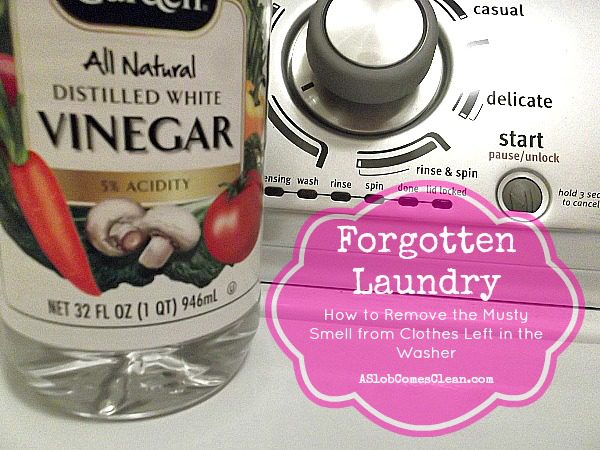
Start by checking the safe for mold or mildew spots. Wear gloves to protect your skin. Use a mixture of water and mild soap to scrub these areas gently. For tough mold, try a solution of white vinegar and water. Avoid harsh chemicals that can damage the safe or your guns. Wipe the surfaces with a clean cloth after scrubbing. Make sure no mold remains before moving on.
Safe Cleaning Products
Choose cleaning products made for metal and wood. Avoid bleach or strong acids. These can harm the safe’s finish and your firearms. Use gentle cleaners like mild soap or specialized gun safe cleaners. Test any product on a small area first. This prevents unexpected damage. Cleaners with antibacterial properties help stop mold growth. Keep your safe fresh without risking damage.
Drying Methods
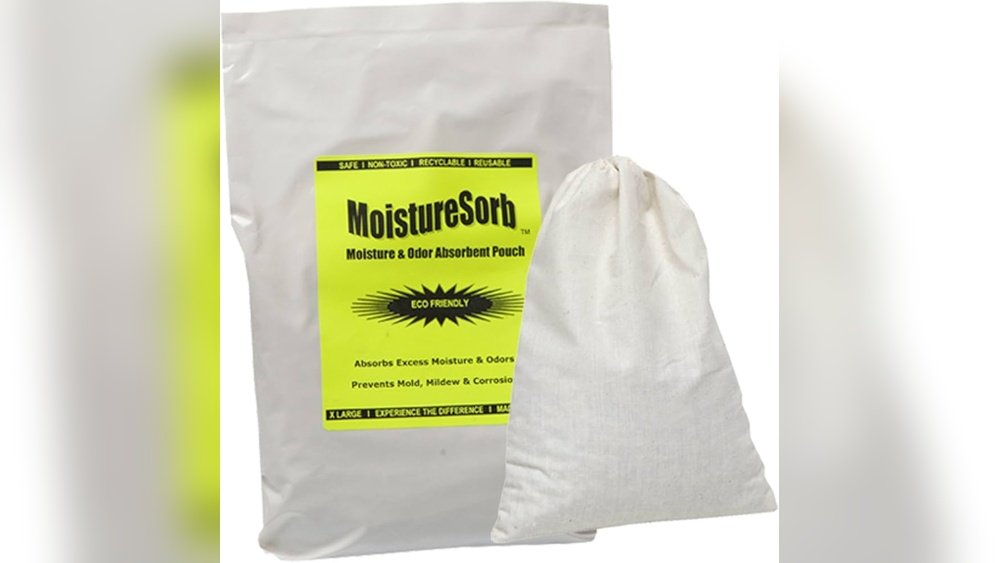
Drying is important after cleaning. Use soft, dry cloths to remove moisture. Leave the safe door open to air dry completely. Place silica gel packs or moisture absorbers inside to keep humidity low. Avoid using heat sources like hair dryers, which can damage the safe. Proper drying stops mold and mildew from returning. A dry safe means no more musty smells.
Preventing Musty Smells
Musty smells in a rifle safe can signal moisture build-up. This dampness harms your guns and gear over time. Preventing these odors keeps your safe fresh and your firearms protected. Simple steps can stop moisture and keep smells away.
Using Dehumidifiers
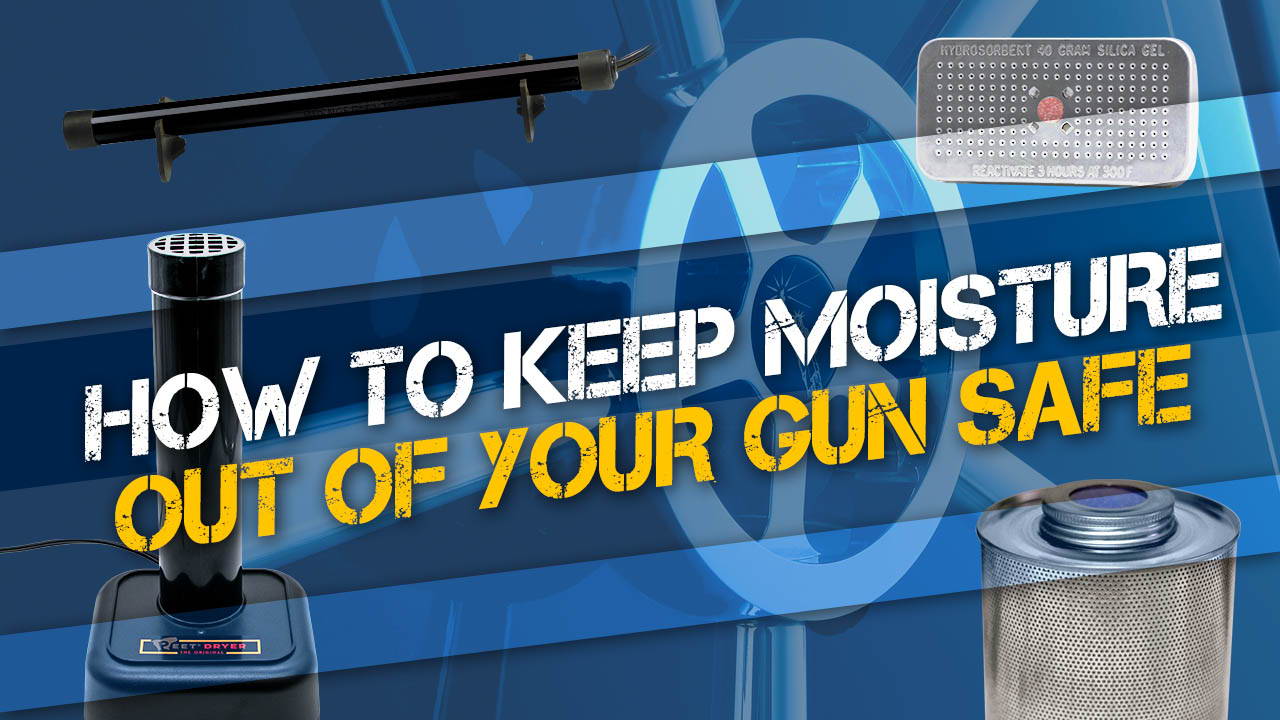
Dehumidifiers reduce moisture inside the safe. Small, portable units fit easily in tight spaces. They absorb dampness before it causes mold or rust. Choose a dehumidifier made for gun safes. Check it regularly and replace the moisture packs as needed.
Improving Air Circulation
Good air flow stops moisture from settling. Avoid sealing the safe completely airtight. Leave a small gap or use vented safes. Place the safe in a dry room with some air movement. Circulation helps keep the inside dry and odor-free.
Regular Maintenance Tips
Clean your safe often to prevent dust and mold. Wipe down surfaces with a dry cloth. Inspect seals and replace if cracked or worn. Store guns dry and clean before placing them inside. Regular checks stop moisture problems before they start.
Choosing The Right Rifle Safe
A rifle safe protects your firearms and keeps them in good condition. Choosing the right safe helps prevent moisture and musty smells. Moisture causes rust and damage to your rifles. A well-made safe controls dampness and air flow.
Think about materials, ventilation, and where to place the safe. These factors stop moisture buildup and keep your rifles fresh.
Materials That Resist Moisture
Steel is a strong material that resists moisture well. Look for safes with powder-coated finishes. These finishes stop rust and keep water out. Avoid safes made of wood or thin metal. They absorb moisture and cause musty smells.
Built-in Ventilation Features
Ventilation helps air move inside the safe. This reduces damp air and prevents mold. Some safes have vents with filters to block dust. Others include dehumidifiers or moisture-absorbing packs. Good airflow keeps rifles dry and odor-free.
Size And Placement Considerations
Choose a safe size that fits your rifles without crowding. Tight spaces trap moisture and cause smells. Place the safe in a dry, cool room. Avoid basements or places with high humidity. Proper placement helps keep the safe dry and fresh.
Frequently Asked Questions
Why Does My Rifle Safe Smell Musty?
A musty smell in your rifle safe often means excess moisture. Poor ventilation or damp environments cause mold and mildew growth inside the safe. This odor indicates your firearms and gear may be at risk of rust and damage.
How Can I Remove Musty Odor From Rifle Safe?
To remove the smell, clean the safe thoroughly using vinegar or baking soda solutions. Improve ventilation and use dehumidifiers or moisture absorbers. Regularly airing out the safe helps prevent musty odors and protects your firearms.
What Causes Moisture Buildup In Rifle Safes?
Moisture builds up due to high humidity, poor sealing, or temperature changes. Storing damp items inside or placing safes in basements or garages also increases humidity. Proper climate control and moisture management prevent buildup.
Can A Musty Rifle Safe Damage My Guns?
Yes, a musty rifle safe promotes rust and corrosion on metal parts. Mold can also damage wooden stocks and leather accessories. Keeping your safe dry protects your firearms’ value and longevity.
Conclusion
A musty smell in your rifle safe often means moisture is present. Moisture causes mold, mildew, and rust. Keep the safe dry by using dehumidifiers or moisture absorbers. Regularly check for leaks or damp spots. Clean the safe with mild cleaners to remove odors.
Proper airflow helps stop the smell from coming back. A fresh, dry safe protects your rifles and gear. Taking simple steps prevents damage and keeps your safe smelling clean. Small efforts make a big difference.