Have you ever worried about someone trying to tamper with your rifle safe when you’re not around? Protecting your firearms is more than just locking the door—it’s about knowing if someone even tries to move or break into your safe.
That’s where vibration sensors come in. But can these sensors really detect someone moving your rifle safe before it’s too late? If you want to keep your valuables secure and gain peace of mind, understanding how vibration sensors work and their real effectiveness is crucial.
Keep reading to find out how these smart devices can help protect what matters most to you.
How Vibration Sensors Work
Vibration sensors detect motion by sensing tiny shakes or movements. They are useful for security, especially in protecting valuable items. When someone moves a rifle safe, these sensors pick up the vibrations. The sensor then sends a signal to alert the owner or security system.
The way vibration sensors work depends on their type, sensitivity, and signal processing. Each part plays a role in making sure the sensor can detect even small movements. Understanding these parts helps explain how they keep safes secure.
Types Of Vibration Sensors
There are several types of vibration sensors. Piezoelectric sensors create electric charges when they feel vibration. Accelerometers measure changes in speed and direction. Capacitive sensors detect changes in electric fields caused by movement. Each type suits different needs and environments.
Sensor Sensitivity And Range
Sensitivity means how small a movement the sensor can detect. Higher sensitivity picks up lighter touches or small vibrations. Range is the distance the sensor can sense vibrations from. Good sensors balance sensitivity and range to avoid false alarms.
Signal Processing Basics
Signal processing changes the raw vibration data into useful information. It filters out background noise and focuses on real movement signals. The processed signal can trigger alarms or send alerts. This step is key to avoid false alarms and ensure accuracy.
Detecting Movement On Rifle Safes
Detecting movement on rifle safes is important for security. Vibration sensors help monitor any unusual activity around the safe. These sensors pick up vibrations caused by shaking, banging, or moving the safe. This can alert owners to potential theft attempts or tampering.
Placing the sensors correctly and understanding how they work improves their accuracy. Knowing common movement patterns and avoiding false alarms is also vital. This section explains how vibration sensors detect movement on rifle safes effectively.
Common Movement Patterns
Movement on rifle safes usually follows certain patterns. Shaking or banging creates strong vibrations. Opening the door causes smaller, steady vibrations. Sliding the safe across the floor produces continuous low vibrations. Sensors detect these patterns to identify real threats. Recognizing typical movements helps reduce false alerts.
Sensor Placement Strategies
Placing sensors on solid parts of the safe works best. Attaching them near the door frame detects attempts to open it. Mounting sensors on the safe’s body senses shaking or moving. Avoid placing sensors on loose panels or shelves. Proper placement ensures the sensor picks up real vibrations clearly.
Identifying False Alarms
Not all vibrations mean danger. False alarms happen from nearby footsteps or heavy machinery. Strong wind or passing trucks can also trigger sensors. Setting sensitivity levels helps reduce false signals. Some sensors use delay timers to confirm real movement. This saves owners from unnecessary worry and alerts.
Integrating Sensors With Security Systems
Vibration sensors add a strong layer of protection to rifle safes. They detect any movement or tampering quickly. Connecting these sensors to your home security system improves safety. This setup ensures immediate action if someone tries to move the safe.
Integration makes monitoring easier and more effective. It allows real-time alerts and control from anywhere. This section covers key points about sensor integration.
Wireless Vs Wired Setups
Wireless sensors offer easy installation without drilling holes. They send signals via Wi-Fi or Bluetooth. This setup suits homes where running wires is hard.
Wired sensors provide stable connections without interference. They require professional installation and wiring through walls. Wired setups are reliable for long-term security needs.
Alerts And Notifications
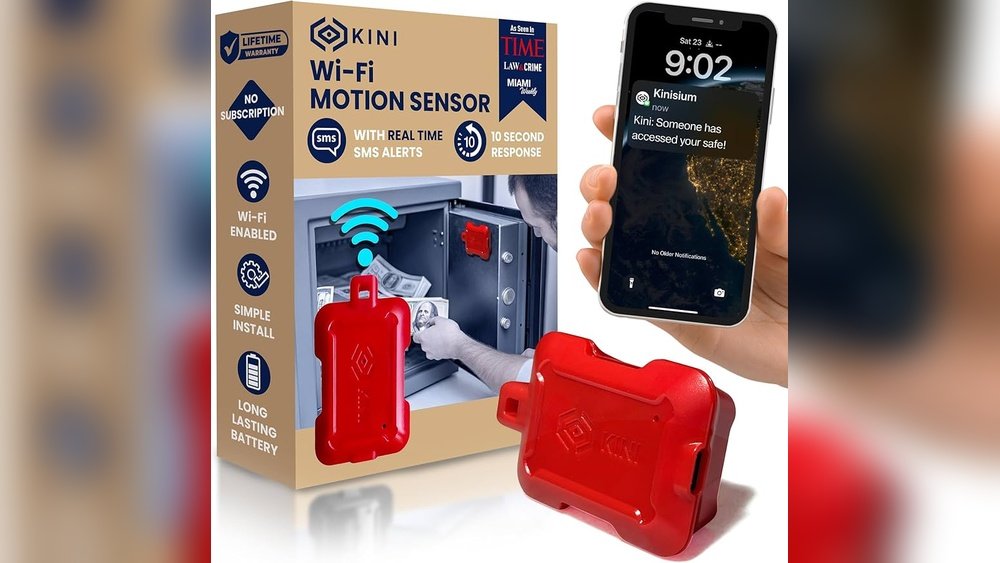
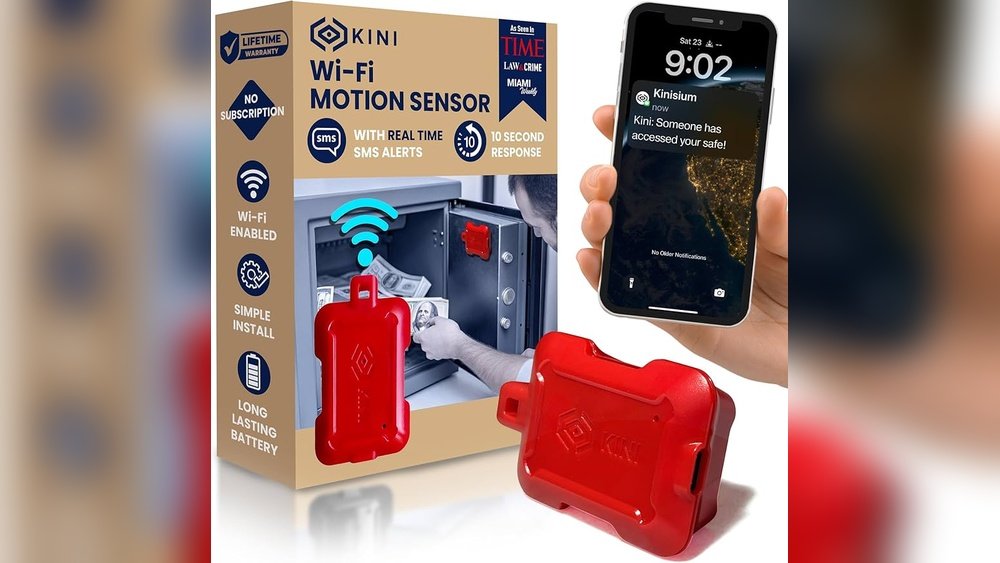
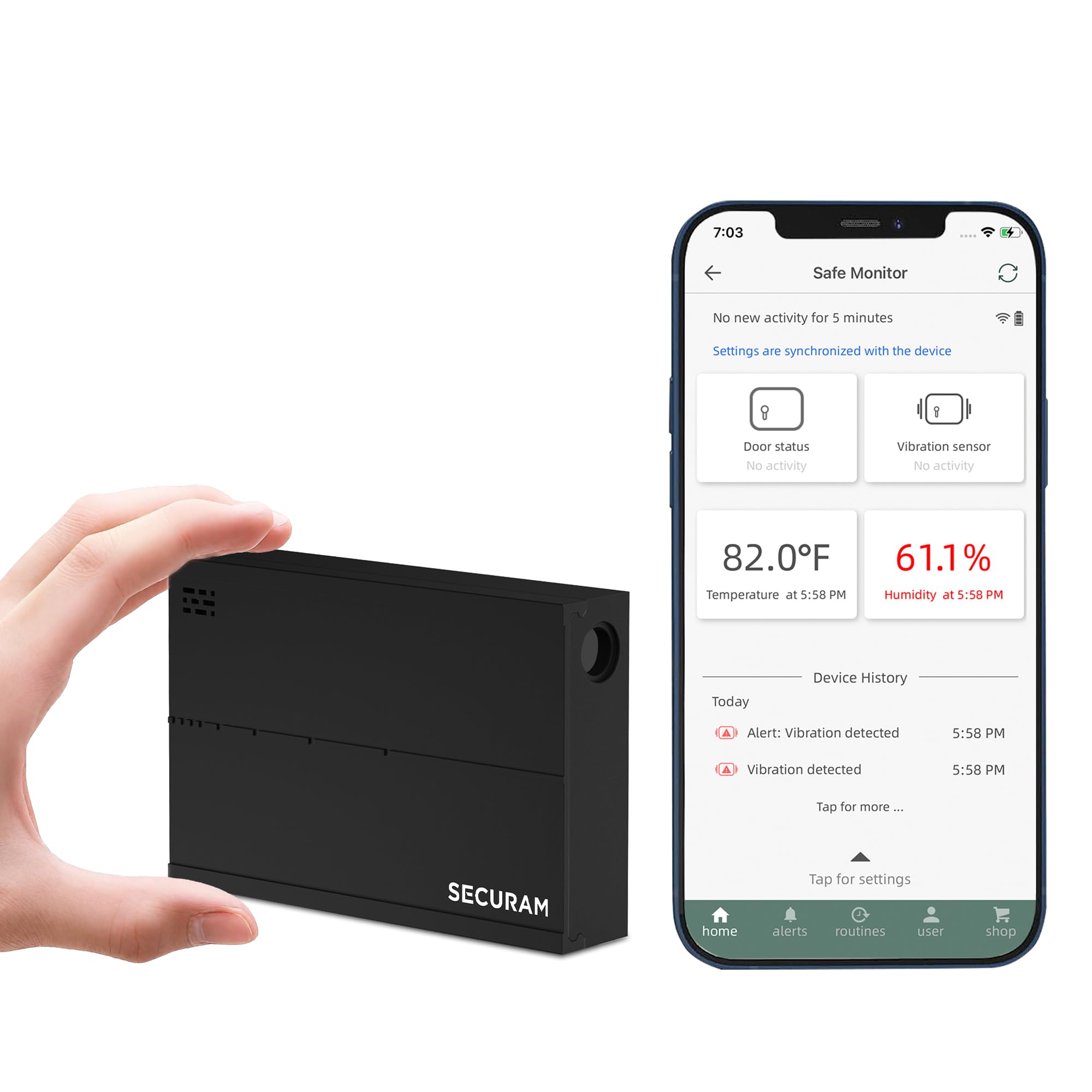
Connected sensors send instant alerts to your phone or security panel. Notifications can include vibration detection or safe movement. Quick alerts help you respond fast to threats.
You can customize alert types and sound levels. This flexibility matches different security preferences and urgency levels.
Compatibility With Smart Home Devices
Many vibration sensors work with smart home hubs. They integrate with devices like Alexa, Google Home, or SmartThings. Voice control and automation become possible.
Smart home compatibility lets you check safe status remotely. You can link sensors to cameras or alarms for better security. This creates a connected and smart protection system.
Advantages Of Using Vibration Sensors
Vibration sensors offer many benefits for detecting movement around a rifle safe. They provide a reliable way to notice any tampering or attempts to open the safe. These sensors help improve security without causing disruption or damage.
Real-time Monitoring
Vibration sensors send alerts immediately when they detect movement. This instant notification helps you act fast. You can monitor your rifle safe from anywhere using a connected device. This reduces the risk of theft or unauthorized access.
Non-intrusive Installation
Installing vibration sensors does not require drilling or major changes. They attach easily to the outside of the safe. This keeps your safe intact and avoids damage. The sensors work quietly without drawing attention.
Cost-effectiveness
Vibration sensors are affordable compared to complex security systems. They require less maintenance and use low power. This makes them a smart choice for long-term protection. You get good security without spending a lot.
Limitations And Challenges
Vibration sensors can help detect movement of a rifle safe. Yet, they come with some limits and challenges. These affect how well the sensor works and the accuracy of alerts. Understanding these issues helps set the right expectations.
Environmental Interference
Vibration sensors react to physical shakes and movements. This means other sources of vibration can cause problems. Loud noises, heavy traffic, or nearby machines may trigger false signals. Even strong winds can shake a safe just enough to confuse the sensor. This interference reduces the sensor’s reliability.
Sensor Calibration Needs
Each sensor must be set up carefully to detect the right level of movement. Too sensitive, and it will alert for small, harmless vibrations. Not sensitive enough, and it might miss real attempts to move the safe. Calibration is not a one-time task. It needs regular checks and adjustments for best performance.
Potential For False Positives
False alarms can cause frustration and distrust in the sensor system. Pets jumping near the safe or a heavy object falling close by can trigger alerts. Even normal household activities sometimes mimic the vibration of someone moving the safe. False positives waste time and may lead users to ignore real warnings.

Enhancing Rifle Safe Security
Enhancing the security of a rifle safe is important for protecting your firearms. Using vibration sensors helps detect any movement or tampering. These sensors add an extra layer of protection beyond just locks and keys.
Combining different security methods creates a stronger defense. Physical upgrades and regular checks keep the safe reliable. This section explains how to improve rifle safe security effectively.
Combining Sensors With Alarms
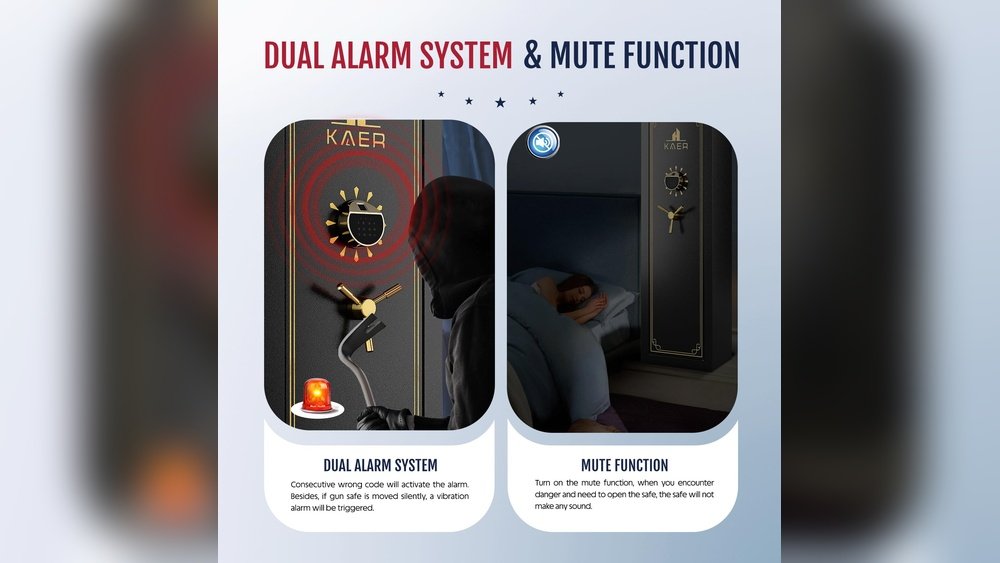
Pair vibration sensors with loud alarms for quick alerts. When the safe moves, the sensor triggers the alarm. This alerts you or others nearby to possible theft. Alarms can scare off intruders and call for help fast.
Some systems send notifications to your phone. This lets you act even if you are far away. Using sensors and alarms together makes your safe harder to break into.
Physical Security Upgrades
Strengthen the safe with sturdy locks and heavy bolts. Choose safes made of thick steel or reinforced materials. Secure the safe to the floor or wall to stop it from being carried away.
Adding extra barriers, like cages or lockboxes, improves protection. Good lighting and cameras near the safe area also help. These upgrades slow down thieves and increase the chance of catching them.
Routine Maintenance Tips
Check sensors and alarms regularly to ensure they work well. Replace batteries and test devices often. Clean the safe and its surroundings to avoid dust or dirt buildup.
Inspect locks and hinges for wear and tear. Fix or replace damaged parts quickly. Regular maintenance keeps your rifle safe secure and ready to protect.
Choosing The Right Vibration Sensor
Choosing the right vibration sensor is important for detecting any movement near a rifle safe. The sensor must be sensitive enough to notice small vibrations but also reliable to avoid false alarms. Selecting the right device ensures your safe stays protected and alerts you instantly.
Key Features To Consider
Sensitivity is the top feature. The sensor should detect even slight movements. Look for adjustable sensitivity to fit your needs. Power source matters too; some sensors use batteries, while others need wiring. Check battery life for long-term use. Size and mounting options affect installation ease. A compact sensor fits discreetly on your safe. Lastly, consider if the sensor can connect to your security system or smartphone.
Top Sensor Brands
Some brands have earned trust for quality and durability. Brands like Honeywell, Bosch, and Samsung offer reliable vibration sensors. These companies provide good customer support and clear instructions. Their sensors often come with extra features like wireless alerts. Choosing a known brand reduces the risk of faulty equipment. It also means easier replacements or upgrades.
Budget Vs Performance
Cheaper sensors may save money but lack accuracy. High-end sensors provide better detection and fewer false alarms. Decide how much you want to spend based on your security needs. A mid-range sensor often balances cost and performance well. Avoid the cheapest options that might fail quickly. Investing in a good sensor protects your valuables better over time.
Frequently Asked Questions
Can Vibration Sensors Detect Rifle Safe Movement Accurately?
Yes, vibration sensors can detect movements of a rifle safe with high accuracy. They sense vibrations caused by shifting or tampering. This helps in alerting owners about unauthorized access attempts promptly. Proper sensor placement enhances detection sensitivity and reduces false alarms.
How Sensitive Are Vibration Sensors For Safe Security?
Vibration sensors are highly sensitive and can detect even slight movements. They pick up subtle vibrations from impacts, shaking, or attempts to move the safe. Sensitivity settings can be adjusted to avoid false alarms while maintaining effective security monitoring.
Do Vibration Sensors Trigger Alarms When Moving A Rifle Safe?
Yes, vibration sensors can trigger alarms if the rifle safe is moved or tampered with. They send immediate alerts to connected security systems or smartphones. This quick notification helps prevent theft and unauthorized access to valuable firearms.
Can Vibration Sensors Be Integrated With Smart Home Systems?
Absolutely, many vibration sensors are compatible with smart home systems. Integration allows remote monitoring and instant alerts via mobile devices. This enhances security by providing real-time updates if someone tries to move the rifle safe.
Conclusion
Vibration sensors can detect movement of a rifle safe effectively. They sense even small shakes or shifts instantly. This helps alert owners about possible tampering or theft attempts. Choosing the right sensor improves security and peace of mind. Sensors work best when combined with other safety measures.
They do not guarantee complete protection alone. Still, they add an important layer of defense for your valuables. Understanding how these sensors work helps make smarter safety choices. Simple, reliable, and easy to install—vibration sensors offer real value.