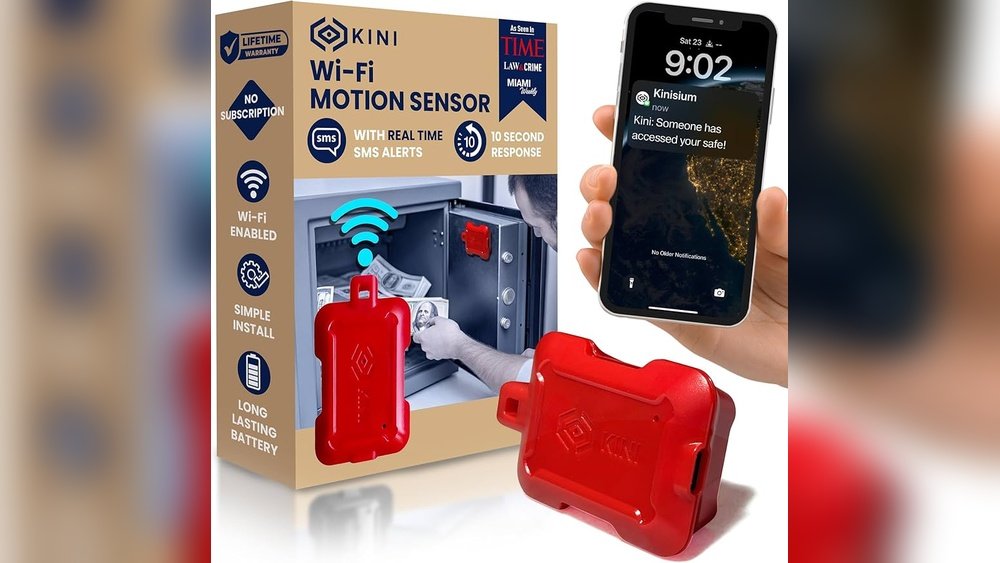
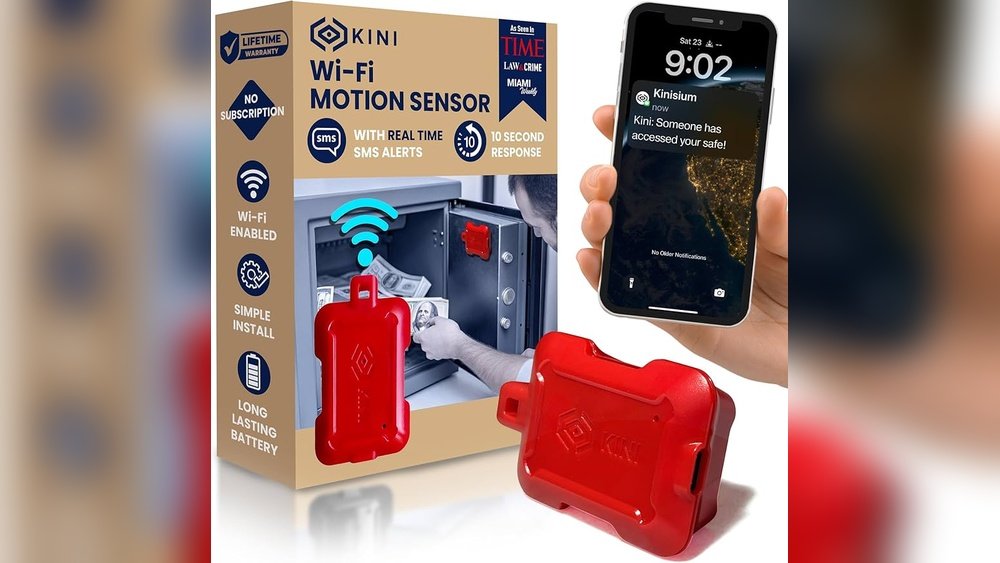
Have you ever worried about the safety of your valuables when you’re not around? Imagine if you could know the moment someone tries to tamper with your safe, no matter where you are.
Sounds reassuring, right? Vibration sensors might be the key to giving you that peace of mind. You’ll discover how these sensors work and whether they can truly alert you remotely if your safe is touched. Keep reading—you might find the security upgrade your belongings need.

How Vibration Sensors Work
Vibration sensors detect movement or shaking by measuring vibrations. They convert these vibrations into electrical signals. This process allows the sensor to sense any physical disturbance. The sensor can then send alerts if it detects unusual activity.
These sensors are useful for safes. They help protect valuables by notifying owners of any tampering. Understanding how vibration sensors work helps in choosing the right one for your safe.
Types Of Vibration Sensors
There are different types of vibration sensors. Piezoelectric sensors generate voltage when they experience vibration. Accelerometers measure acceleration forces and convert them into signals. Capacitive sensors detect changes in capacitance caused by movement. Each type has unique features and uses.
Detecting Safe Movements
Vibration sensors attach to the safe’s surface. They sense even slight shaking or tapping. When the safe moves, the sensor detects vibrations immediately. The sensor sends a signal to your security system. This signal triggers an alert to warn you about the movement.
Sensitivity Settings
Sensitivity controls how much vibration the sensor detects. High sensitivity picks up small vibrations, like a light touch. Low sensitivity ignores minor movements and detects only strong shaking. Adjusting sensitivity helps avoid false alarms. You can set it based on your environment and needs.
Remote Notification Systems
Remote notification systems alert you if your safe is touched. They use vibration sensors to detect movement or tampering. These systems send instant alerts to your devices. You stay informed no matter where you are. This helps you act quickly to protect your valuables.
Modern remote notification systems use smart technology. They connect to your phone or security network. This connection makes monitoring easy and reliable.
Wireless Communication Methods
Wireless methods send sensor data without cables. Common types include Wi-Fi, Bluetooth, and cellular networks. Wi-Fi works well at home with a strong signal. Bluetooth connects over short distances to nearby devices. Cellular networks send alerts even far from your safe. These methods provide flexibility and quick data transfer.
Mobile App Alerts
Mobile apps show real-time alerts from vibration sensors. They notify you instantly if your safe is disturbed. Apps let you check sensor status anytime. You can customize alert settings and sound types. Some apps offer history logs to track past alerts. This helps you monitor your safe easily from your phone.
Integration With Security Systems
Vibration sensors can link with home security systems. Integration adds another layer of protection to your safe. Alerts trigger alarms, cameras, or security services. This makes your security setup smarter and more responsive. Connected systems work together to keep your valuables safe.
Setting Up Instant Alerts
Setting up instant alerts for your vibration sensor is key to protecting your safe. It helps you know right away if someone touches it. This section guides you through the steps to get alerts working fast and smooth. You will learn how to set sensor limits, pick alert methods, and check that alerts work well.
Configuring Sensor Thresholds
Start by setting the sensor’s sensitivity level. This tells the sensor how much vibration to notice. Too low, and it sends alerts for small shakes like passing trucks. Too high, and it might miss real attempts. Find a balance that fits your safe’s environment. Adjust thresholds in the sensor’s app or control panel. Test by lightly tapping the safe to see if it triggers alerts.
Choosing Notification Channels
Select how you want to get alerts. Common ways include text messages, emails, or app push notifications. Pick one or more channels that you check often. Text messages are quick and hard to miss. Emails are good for detailed alert info. App notifications can offer instant updates with sound or vibration. Set your contact info in the sensor’s settings. This ensures alerts reach you without delay.
Testing Alert Reliability
Once setup is done, test your alerts. Gently tap or move the safe to trigger the sensor. Check if you receive the notification instantly. Test each notification channel you chose. Make sure alerts come through even if your phone is locked. Repeat tests at different times and conditions to confirm reliability. Reliable alerts give peace of mind and better security.
Benefits Of Using Vibration Sensors For Safes
Using vibration sensors for safes offers many benefits. These devices detect any movement or shaking of the safe. This helps protect valuable items inside from theft or tampering. The sensors send alerts instantly, so you know if someone tries to open your safe. This technology adds an extra layer of security to your home or office.
Vibration sensors are easy to install and work quietly. They do not require much power and can last a long time. These features make them a smart choice for anyone who wants better safe protection.
Real-time Monitoring
Vibration sensors provide real-time monitoring of your safe. They detect vibrations or impacts immediately. You receive instant alerts on your phone or computer. This helps you act quickly to prevent theft. You can watch over your safe even from far away. Real-time updates keep you informed anytime and anywhere.
Deterrence Against Theft
The presence of vibration sensors can stop thieves before they start. Knowing the safe is protected makes thieves think twice. The sensors create a strong barrier against tampering. This reduces the chances of break-ins and damage. It helps keep your valuables safe without constant checking.
Peace Of Mind
Vibration sensors give peace of mind by ensuring your safe is secure. You do not need to worry about unauthorized access. Alerts keep you aware of any unusual activity. This lowers stress about losing important items. You can trust the sensors to protect your safe 24/7.
Challenges And Limitations
Vibration sensors can notify you remotely if your safe is touched. Yet, they face some challenges and limits. Knowing these helps set the right expectations for security.
False Alarms
Vibration sensors may trigger false alarms. Everyday movements like nearby traffic or heavy footsteps can cause alerts. This can lead to frustration and ignoring real warnings. Sensitivity settings need careful adjustment to reduce false alarms.
Power And Connectivity Issues
These sensors rely on batteries or power sources. A dead battery means no alerts. Also, they need a stable internet or network connection. Poor connectivity can delay or stop notifications. Regular checks and maintenance are essential to keep them active.
Environmental Interference
Environmental factors affect sensor performance. Extreme temperatures or moisture can damage parts. Metal surfaces may block signals or cause errors. Proper installation and protection improve reliability. Choose sensors designed for your safe’s environment.

Popular Vibration Sensor Models For Safes
Vibration sensors are a smart way to protect your safe from unwanted access. These sensors detect any movement or shaking and send alerts right to your phone. Many models exist, each with unique features and prices. Knowing the popular options helps you pick the best sensor for your needs.
Top-rated Devices
Some vibration sensors stand out for their reliability and ease of use. Models like the Vibration Alert Pro and SafeSense 3000 get high marks for sensitivity and fast notifications. These devices often have adjustable sensitivity and long battery life. They work well with mobile apps for remote alerts.
Price Vs. Features
Basic sensors cost less but may lack advanced functions. Higher-priced models offer features like tamper alerts, multiple sensor zones, and integration with home security systems. Choose a model that fits your budget and covers your security needs. Sometimes, paying a bit more adds peace of mind.
User Reviews
Many users report quick and accurate alerts from popular vibration sensors. Some mention easy installation and good customer support. Negative reviews often point to false alarms or short battery life. Reading real user feedback helps set the right expectations.
Installation Tips
Installing vibration sensors on your safe is key to getting alerts when it is touched. Proper installation ensures accurate detection and reliable remote notifications. The following tips cover important steps to set up your sensor system effectively.
Optimal Sensor Placement
Place the sensor where the safe is most likely to be touched. Common spots include the door or the safe’s body near the lock. Avoid areas with heavy vibration from nearby machines. This reduces false alarms. Attach the sensor firmly to a flat surface. This improves sensitivity and signal strength.
Wiring And Battery Considerations
Use high-quality wires for stable connections if your sensor needs wiring. Keep wires short to avoid signal loss. For wireless sensors, choose fresh batteries before installation. Check battery levels regularly to prevent downtime. Position sensors close to your Wi-Fi router for strong signals. This helps send alerts quickly.
Maintenance Practices
Clean the sensor and safe surface often. Dust and dirt can block vibration detection. Test the sensor monthly to confirm it works well. Replace batteries every six months or sooner. Update sensor firmware if available. This keeps the system secure and efficient.

Frequently Asked Questions
Can Vibration Sensors Detect Safe Tampering Remotely?
Yes, vibration sensors can detect safe tampering and send remote alerts. They monitor vibrations and instantly notify you via connected devices or apps for real-time security.
How Do Vibration Sensors Notify Me If My Safe Is Touched?
Vibration sensors trigger alerts through Wi-Fi or Bluetooth. When the safe is disturbed, they send instant notifications to your smartphone or monitoring system.
Are Vibration Sensors Reliable For Safe Security?
Vibration sensors are reliable for detecting unauthorized access. They provide quick, accurate alerts but should be used with other security measures for comprehensive protection.
Can I Integrate Vibration Sensors With My Home Security System?
Yes, most vibration sensors can integrate with home security systems. This allows centralized monitoring and enhances overall security efficiency for your safe.
Conclusion
Vibration sensors can alert you quickly if someone touches your safe. They detect movement and send notifications to your phone. This helps you act fast and protect your valuables. These sensors are easy to install and use. They offer peace of mind, especially when you are away.
Choosing the right sensor depends on your needs and budget. Stay safe by using technology that keeps you informed. Simple, smart, and effective security for your peace of mind.