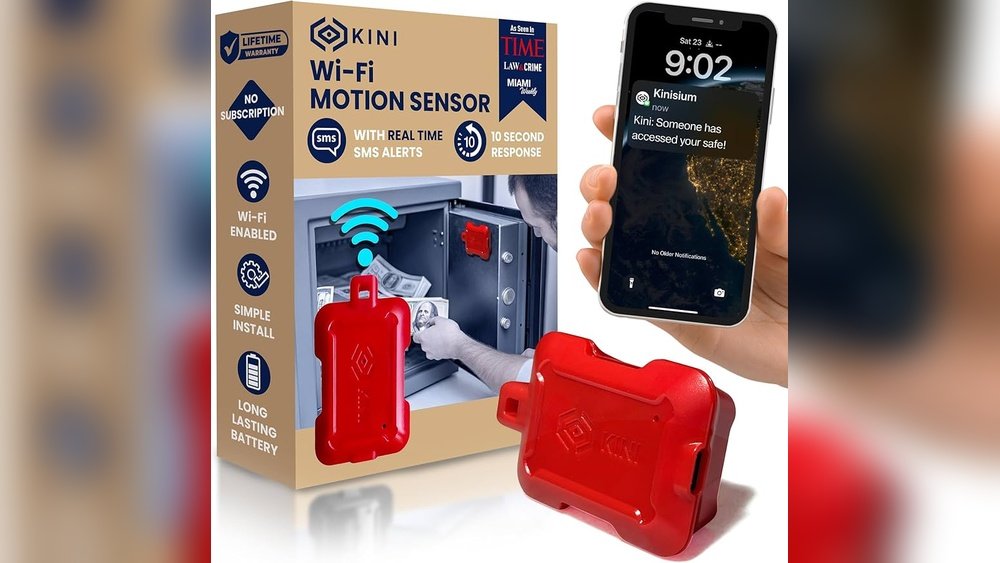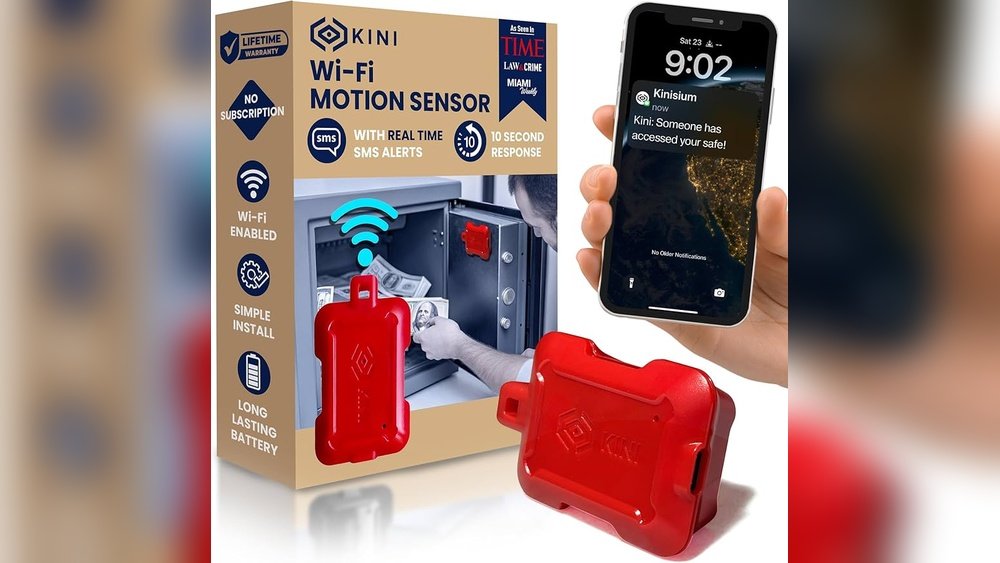
Are you looking to boost the security of your rifle safe? You might be wondering if adding vibration sensors is a smart move.
Imagine knowing instantly if someone tries to tamper with your safe, even before they get inside. That extra layer of protection could be exactly what you need to keep your firearms truly secure. You’ll discover how vibration sensors work with biometric rifle safes and whether they make a perfect pair for your peace of mind.
Keep reading to find out if this combo is right for you.
Vibration Sensors Basics
Understanding vibration sensors is key to knowing how they work with biometric rifle safes. These sensors detect movements or shocks to alert owners of any unusual activity. They add an extra layer of security by sensing tampering or forced entry attempts.
Vibration sensors come in different types and settings. Their sensitivity and calibration affect how well they detect motion without causing false alarms. Learning these basics helps decide if they fit your safe’s security needs.
How Vibration Sensors Work
Vibration sensors detect tiny movements or shocks. They use small devices called accelerometers or piezoelectric sensors. When the sensor feels vibration, it sends a signal to the alarm system. This signal triggers an alert or locks the safe further. This quick response helps stop unauthorized access.
Types Of Vibration Sensors
There are mainly two types: piezoelectric and capacitive sensors. Piezoelectric sensors create voltage when they are bent or shaken. Capacitive sensors detect changes in electrical charge caused by vibrations. Both types work well but serve different needs. Choosing the right type depends on your safe and environment.
Sensitivity And Calibration
Sensitivity controls how much vibration triggers the sensor. Too sensitive, it causes false alarms from small shakes. Not sensitive enough, it might miss real threats. Calibration adjusts this balance. Proper calibration ensures the sensor reacts only to important vibrations. This keeps your biometric safe reliable and secure.

Biometric Rifle Safes Features
Biometric rifle safes offer advanced security for firearm storage. These safes use unique features that make them reliable and easy to use. Understanding these features helps to see how vibration sensors fit in.
These safes combine technology and safety to protect your rifles. Their key features focus on quick access and strong protection.
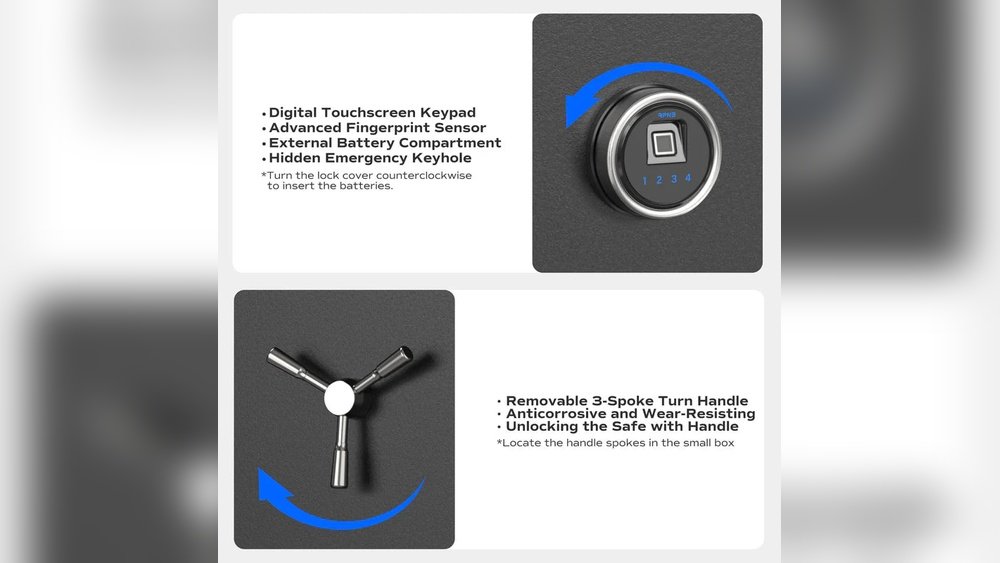
Fingerprint Recognition Technology
Fingerprint recognition is the core of biometric safes. It reads your fingerprint to allow entry. This technology ensures only authorized users open the safe. Sensors scan the fingerprint quickly and accurately. It reduces the risk of unauthorized access.
Access Speed And Reliability
Biometric safes open fast after fingerprint scanning. This speed is crucial in urgent situations. The technology works well even with wet or dirty fingers. Reliability means the safe opens every time for the registered user. This builds trust in using the safe daily.
Additional Security Layers
Many biometric safes include extra security features. Some have backup keys or PIN codes. Others have alarms that trigger on forced entry attempts. These layers add protection beyond the fingerprint sensor. They help keep rifles safe from theft or tampering.
Benefits Of Combining Vibration Sensors With Biometric Safes
Combining vibration sensors with biometric rifle safes offers clear safety benefits. These two technologies work well together to protect firearms from unauthorized access and tampering. Vibration sensors add a new layer of security by detecting unusual movements or attempts to break into the safe. This pairing makes rifle safes smarter and more responsive to threats.
Users gain better control over their firearms’ security and receive instant updates about any suspicious activity. The combination also discourages tampering, keeping the safe and its contents secure. These benefits make the pairing a smart choice for anyone serious about firearm safety.
Enhanced Intrusion Detection
Vibration sensors detect any unusual shaking or impact on the safe. This means they can sense attempts to open or move the safe without permission. Biometric safes rely on fingerprint or handprint scans to unlock, but vibration sensors add extra alertness. Together, they catch more signs of intrusion than either device alone.
Real-time Alerts And Monitoring
Vibration sensors send instant alerts when triggered. These alerts can notify owners through their phones or security systems. Biometric safes with these sensors keep users informed about any potential threats immediately. Real-time monitoring helps owners act fast to prevent theft or damage.
Deterrence Against Tampering
The presence of vibration sensors discourages thieves from trying to tamper with the safe. The added technology makes the safe look harder to break into. Tampering attempts are more likely to fail or be caught quickly. This deterrence increases the overall security of the firearm storage.
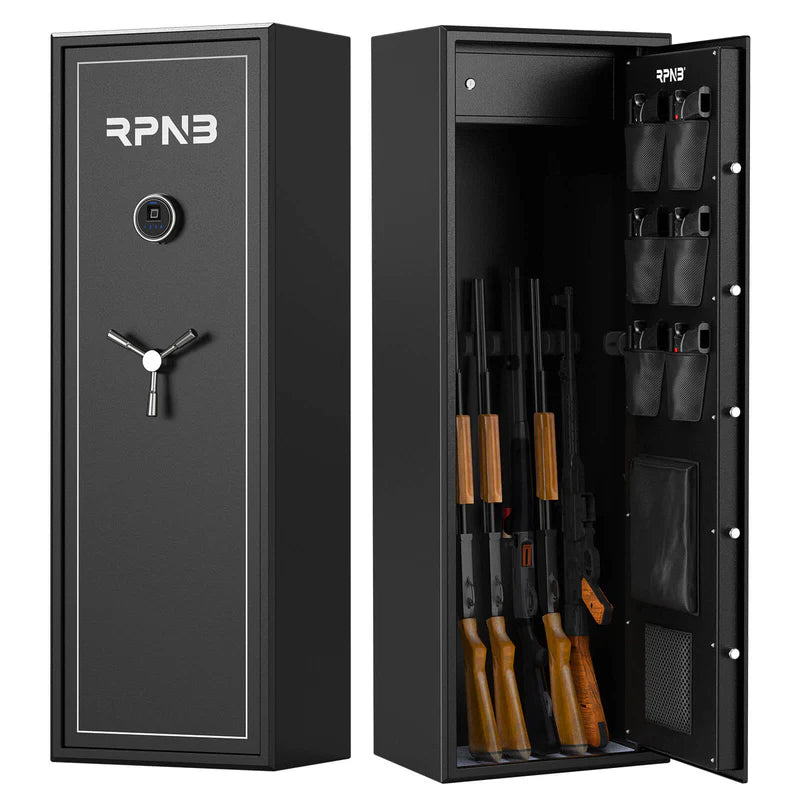
Installation And Integration Tips
Installing vibration sensors with biometric rifle safes needs careful planning. Proper installation boosts security and system performance. Follow clear steps to ensure sensors work well and integrate smoothly.
Sensor Placement Strategies
Place sensors on solid parts of the safe. Avoid areas that move or vibrate naturally. Focus on spots sensitive to tampering or unauthorized movement. Test sensor sensitivity after installation. Adjust placement to reduce false alarms. Secure sensors firmly to avoid loose connections.
Compatibility Considerations
Check if vibration sensors match your safe’s model. Use sensors designed for biometric safes. Confirm sensor signals work with your safe’s alarm system. Avoid mixing brands without compatibility checks. Read product manuals carefully. Compatibility ensures sensors trigger alarms correctly.
Power And Connectivity Options
Choose sensors with reliable power sources. Battery-powered sensors offer flexibility but need regular checks. Wired sensors provide constant power but need careful wiring. Select connectivity options that fit your safe’s environment. Wireless sensors reduce clutter but may face interference. Ensure power and connection choices suit your setup.
Potential Challenges And Solutions
Adding vibration sensors to biometric rifle safes offers extra security. Yet, some challenges arise with this pairing. Understanding these issues helps users find effective solutions. This section discusses common problems and ways to fix them.
False Alarms And Sensitivity Issues
Vibration sensors can trigger alarms from small movements. Heavy footsteps or nearby vibrations may cause false alerts. This can annoy users and reduce trust in the system. Adjusting sensor sensitivity helps reduce false alarms. Some safes allow fine-tuning through settings or apps. Placing the safe on a stable surface also lowers unwanted triggers.
Maintenance And Durability
Vibration sensors need regular checks to work well. Dust or dirt can affect sensor accuracy. Cleaning sensors gently with a soft cloth keeps them responsive. Over time, sensor parts may wear out or fail. Choosing a model with durable materials extends lifespan. Regular testing ensures the safe’s security features function properly.
Cost Vs. Security Trade-offs
Adding vibration sensors increases the cost of biometric safes. Some users may find the price too high. The extra expense offers better protection against theft or tampering. Deciding on this upgrade depends on the value of the stored rifles. Balancing budget and security needs helps make the right choice.
Case Studies And User Experiences
Case studies and user experiences offer real proof about using vibration sensors with biometric rifle safes. These stories show how well these technologies work together for security. They also highlight common problems and expert advice from those who tested these setups.
Successful Security Setups
Many users report stronger protection by adding vibration sensors to biometric safes. Sensors alert owners if someone tries to move or tamper with the safe. This extra layer of security often stops theft before it happens. Some cases show quick police response due to instant alerts. Combining both technologies creates a smart, reliable defense for rifles.
Common Mistakes To Avoid
Users sometimes place vibration sensors incorrectly, reducing their effectiveness. Sensors should be fixed firmly on the safe to detect any unusual movement. Another mistake is ignoring sensor sensitivity settings. Too low or too high sensitivity can cause false alarms or missed alerts. Not testing the system regularly also leads to failure during critical moments.
Expert Recommendations
Experts advise choosing vibration sensors compatible with your biometric safe. They suggest adjusting sensor sensitivity based on the safe’s location and environment. Regular system tests ensure everything works smoothly. Experts also recommend combining vibration sensors with other security measures. This multi-layered approach enhances protection and peace of mind.
Future Trends In Rifle Safe Security
The future of rifle safe security is moving fast. Technology is making safes smarter and more secure. New tools help protect guns better and keep unauthorized users out. Sensors and smart systems work together to add layers of safety. These trends promise safer homes and easier control over rifle safes.
Smart Home Integration
Smart home systems connect many devices in one network. Rifle safes can link with these systems for better security. Owners can check safe status on their phones anytime. Alerts can notify if someone tries to open the safe. Voice commands may soon control safe locks. Integration makes managing rifle safes simple and fast.
Advancements In Sensor Technology
Sensors are getting more sensitive and accurate. Vibration sensors detect even small movements around the safe. Biometric sensors read fingerprints quickly and with less error. Combining sensors helps stop forced entry attempts. New sensors can work in harsh weather or low light. These improvements increase trust in safe security.
Ai And Predictive Security
Artificial intelligence learns normal safe use patterns. It spots unusual actions that could mean a break-in. AI can alert owners before damage happens. Predictive systems improve over time by learning habits. This technology offers proactive protection, not just reaction. AI adds a smart layer to rifle safe security.

Frequently Asked Questions
Do Vibration Sensors Enhance Biometric Rifle Safe Security?
Yes, vibration sensors add an extra security layer by detecting unauthorized movement. They alert users immediately, complementing biometric locks effectively.
Can Vibration Sensors Prevent Unauthorized Rifle Access?
Vibration sensors detect attempts to tamper or move the safe. Combined with biometric locks, they improve unauthorized access prevention significantly.
Are Vibration Sensors Compatible With All Biometric Rifle Safes?
Most modern biometric rifle safes support vibration sensors. However, compatibility depends on the safe’s model and sensor technology used.
How Do Vibration Sensors Improve Rifle Safe Monitoring?
Vibration sensors provide real-time alerts for suspicious activity. This helps users respond quickly, enhancing overall safe monitoring and protection.
Conclusion
Vibration sensors add an extra layer of security to biometric rifle safes. They detect movement and alert you quickly. This helps prevent unauthorized access or tampering. Combining these technologies makes your safe smarter and more reliable. It provides peace of mind for responsible gun owners.
Choosing the right safe means protecting your firearms well. Simple, effective, and smart. A good choice for safety and security.