If you own a rifle safe, you probably want to know how well its vibration sensor alarm will protect your valuable firearms. You might be wondering: How loud is the alarm?
Will it be strong enough to scare off intruders or alert you immediately? Understanding the alarm’s volume can make a big difference in choosing the right safe for your needs. Keep reading, and you’ll discover what to expect from these alarms and how they help keep your guns secure.
Rifle Safe Vibration Sensors Basics
Rifle safe vibration sensors protect firearms by detecting movement or shaking. These sensors alert owners to potential tampering or theft. Understanding how they work helps you choose the right safe and sensor for your needs.
Vibration sensors are an important part of safe security systems. They add an extra layer of protection beyond just locks and codes. Let’s explore the basics of these sensors and the types used in rifle safes.
How Vibration Sensors Work
Vibration sensors detect any shaking or sudden motion of the safe. They use tiny devices called accelerometers or piezoelectric sensors. These devices sense vibrations and send a signal to the alarm system.
The sensor triggers the alarm if the movement passes a set threshold. This stops false alarms from small bumps or harmless vibrations. The alarm sounds loudly to warn owners and scare off intruders.
Types Of Sensors Used
Common vibration sensors include accelerometers and piezoelectric sensors. Accelerometers measure changes in speed or direction of movement. Piezoelectric sensors generate electric signals from pressure or vibrations.
Each type offers different sensitivity levels and power needs. Some safes combine vibration sensors with other sensors like door or motion detectors. This creates a stronger and more reliable alarm system.

Alarm Loudness Explained
Understanding how loud a rifle safe vibration sensor alarm is can help you choose the right protection. The alarm’s loudness is measured in decibels (dB). This number tells you how strong the sound is. A louder alarm can scare off intruders and alert you quickly.
Not all alarms are the same. Some are quieter, while others are very loud. Knowing the typical decibel levels helps you know what to expect. It also helps you compare the alarm noise to everyday sounds around you.
Decibel Levels Of Typical Alarms
Most rifle safe vibration sensor alarms range between 100 to 120 decibels. At 100 dB, the alarm is very loud and can cause discomfort if heard for a long time. At 120 dB, the sound is almost as loud as a rock concert or a chainsaw.
These alarms are designed to grab attention fast. They are loud enough to wake people up and alert neighbors. The loud noise also helps stop burglars from continuing their attempt.
Comparison With Common Sounds
To understand loudness better, compare alarm noise with sounds you know. A vacuum cleaner is about 70 dB, much quieter than a rifle safe alarm. A lawnmower reaches 90 dB, still less loud than most alarms.
A motorcycle engine can be around 100 dB, similar to a typical alarm. A fire truck siren can hit 120 dB, matching the loudest alarms. This shows how a rifle safe alarm can be as loud as emergency vehicles, making it hard to ignore.
Factors Affecting Alarm Volume
The alarm volume on a rifle safe vibration sensor depends on several factors. Understanding these helps you know what to expect from the alarm sound. The loudness can change based on settings and the safe’s design.
Sensor Sensitivity Settings
Sensitivity controls how easily the sensor triggers the alarm. Higher sensitivity means the alarm reacts to small vibrations. This can cause the alarm to sound louder or more often. Lower sensitivity reduces false alarms but may miss some vibrations. Adjusting sensitivity helps balance security and noise level.
Safe Material And Construction
The material of the safe affects how sound travels. Thick steel walls can muffle the alarm sound inside the safe. Lighter materials may let the alarm sound escape more clearly. The safe’s shape and size also change how loud the alarm seems outside. Strong construction can limit alarm volume but improves security.

Real-life Alarm Performance
The real-life alarm performance of a rifle safe vibration sensor matters most to users. Knowing how loud the alarm sounds helps gauge its true effectiveness. The alarm must be loud enough to alert owners and scare off intruders. Below, explore actual user feedback and how well these alarms deter unauthorized access.
Many users mention the alarm’s loudness varies by model. Some alarms reach up to 110 decibels, similar to a loud motorcycle. This level is enough to catch attention even in noisy environments. Others find the alarm volume sufficient for home use, waking up family members instantly.
User Experiences And Reviews
Many users report feeling safer after installing vibration sensors. Some say the alarm woke them up during attempted break-ins. Others appreciate the quick response triggered by small vibrations or knocks. A few mention false alarms caused by heavy winds or nearby traffic. Most users agree the alarm volume is loud and clear.
Reviewers often highlight ease of installation and sensitivity options. Adjustable sensitivity helps reduce false alarms. Users find this feature useful in busy households or apartments. Overall, user reviews confirm the alarm’s volume meets safety expectations.
Effectiveness In Deterring Intruders
The loud alarm can startle intruders and stop theft attempts. Many users believe the alarm alone discourages tampering with their safes. The sudden noise draws attention from neighbors or passersby. This makes it harder for thieves to continue without being noticed.
Some users report intruders fleeing immediately after the alarm sounds. Others say the alarm gives enough time to call for help. The vibration sensor combined with a loud alarm adds a strong layer of security. It protects rifles and valuables by making break-ins risky and noisy.
Installation Tips For Optimal Alarm Function
Proper installation is key to getting the best alarm performance from your rifle safe vibration sensor. Small changes in placement and care can make a big difference. This section covers simple tips that help your alarm work well every time.
Best Placement Inside The Safe
Choose a firm, flat surface for the sensor inside the safe. Avoid soft or uneven spots that reduce sensitivity. Place the sensor near the door or hinges, where vibrations happen first. Keep it away from metal objects that may block signals. Position the sensor so it does not touch the gun or other items. This stops false alarms and ensures real threats trigger the alarm.
Maintenance And Testing
Check the sensor regularly to keep it working well. Clean dust or dirt off the sensor surface with a soft cloth. Replace batteries as needed to avoid weak signals. Test the alarm monthly by gently tapping near the sensor. This confirms the alarm sounds loud and clear. Fix or replace the sensor if tests fail to keep your safe secure.

Additional Security Features
Rifle safe vibration sensors often come with more than just a loud alarm. These additional security features improve protection and provide peace of mind. They help make sure your firearms stay safe even if someone tries to tamper with the safe.
Integration With Other Alarm Systems
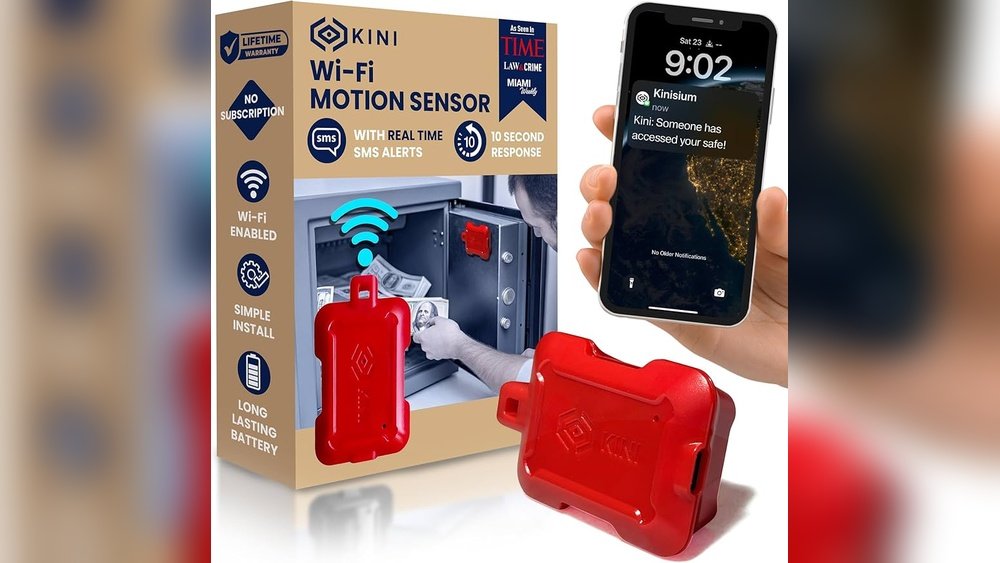
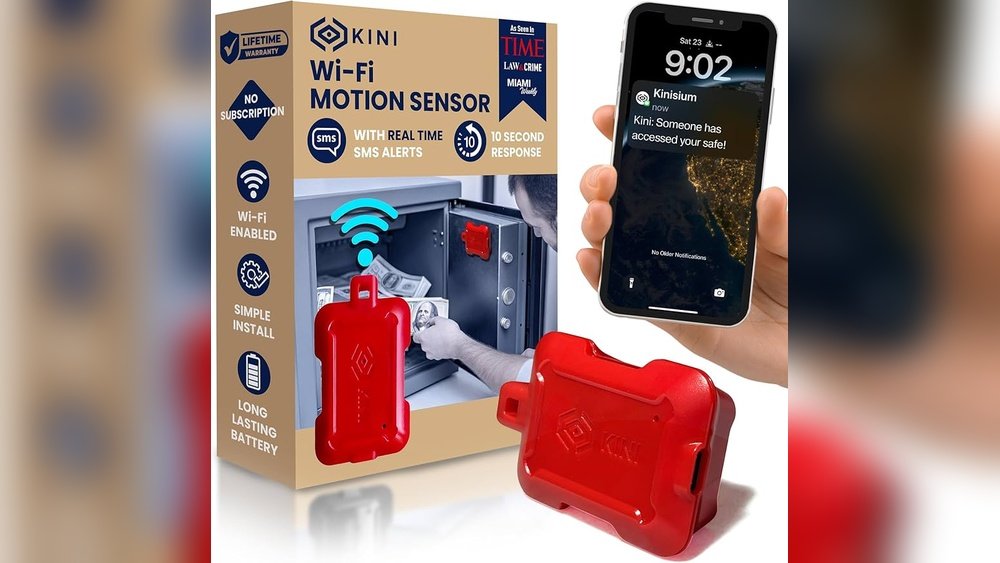
Many rifle safe vibration sensors can connect with home security systems. This allows the safe’s alarm to trigger other alarms or alerts in your home. For example, your phone might get a notification if the sensor detects movement. This quick response helps stop theft or damage fast.
Backup Power Options
Vibration sensors often include backup batteries. This keeps the alarm working even if the main power fails. Backup power is important during power outages or if someone tries to cut electricity. It ensures the alarm stays loud and active at all times.
Frequently Asked Questions
How Loud Is A Rifle Safe Vibration Sensor Alarm?
The alarm on a rifle safe vibration sensor typically ranges from 90 to 120 decibels. This loud sound effectively deters intruders and alerts owners nearby. It’s designed to be loud enough to startle anyone attempting unauthorized access.
Can Vibration Sensor Alarms Be Adjusted For Volume?
Most rifle safe vibration sensors have fixed alarm volumes. However, some advanced models offer volume adjustment features. This allows users to customize the alarm sound to suit their environment and security needs.
How Long Does The Vibration Sensor Alarm Sound Last?
The alarm usually sounds for 30 seconds to several minutes. Some models continue until manually deactivated. This persistent noise ensures maximum deterrence against potential thieves.
Do Vibration Sensor Alarms Drain Rifle Safe Batteries Quickly?
Vibration sensor alarms consume minimal battery power when inactive. Battery drain increases only during alarm activation, which is typically brief. Using quality batteries can extend the sensor’s operational life significantly.
Conclusion
A rifle safe vibration sensor alarm is loud enough to alert you quickly. It helps protect your firearms from theft or tampering. Most alarms reach between 100 and 120 decibels. That is as loud as a motorcycle or a rock concert.
This noise level can scare off intruders and notify you immediately. Choosing a sensor with a strong alarm improves your safe’s security. Always check the alarm’s loudness before buying. Stay safe and keep your valuables protected.