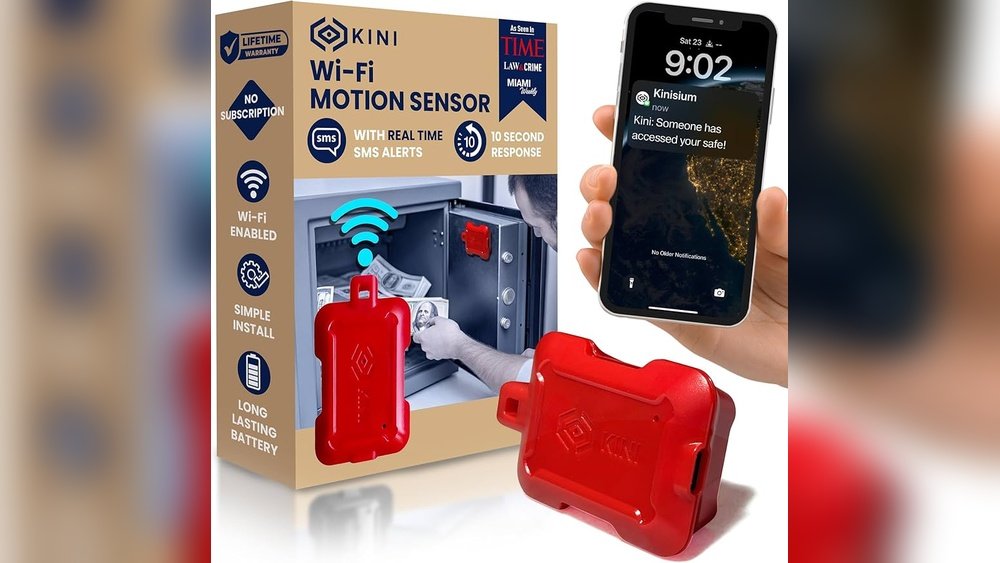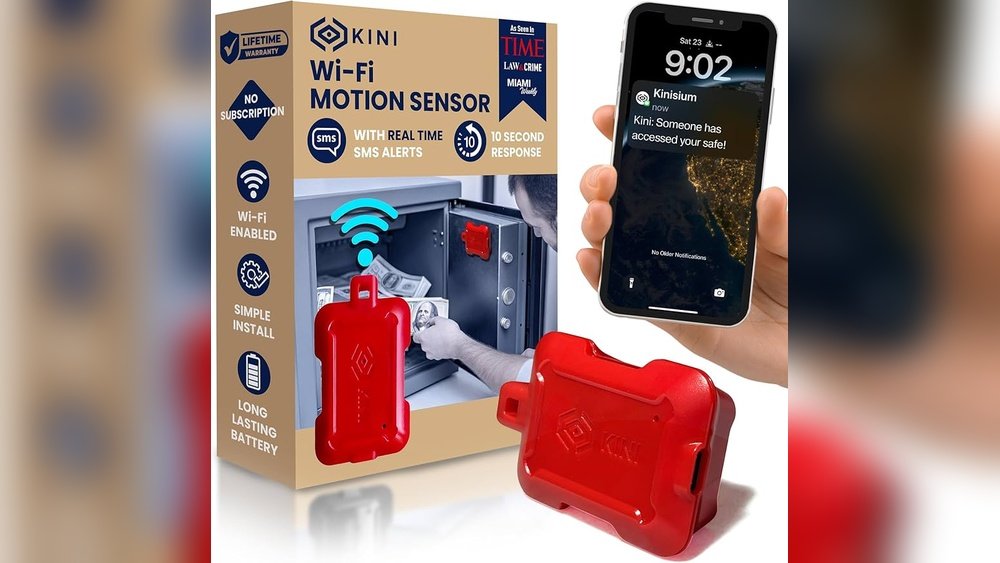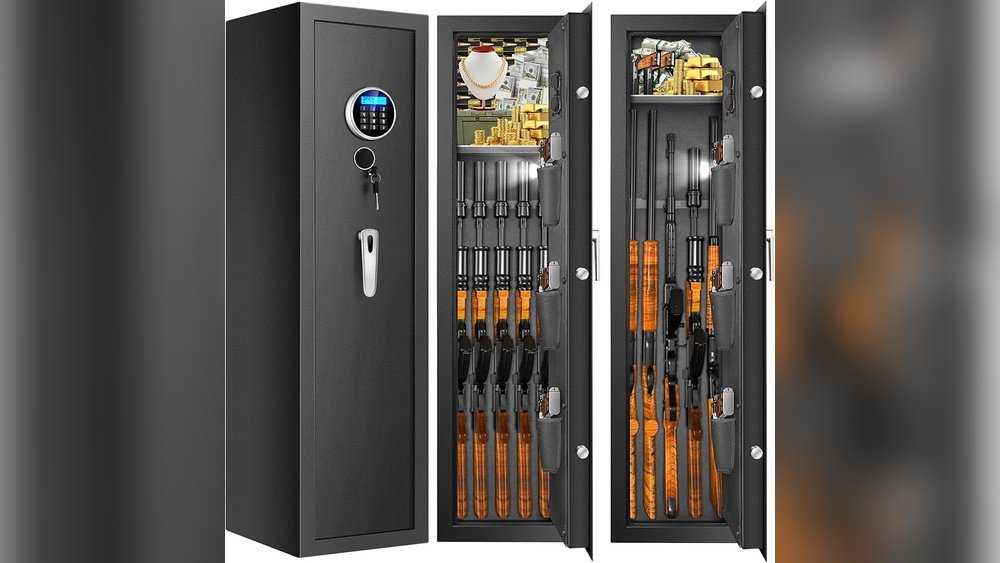
Are you worried about someone breaking into your rifle safe? Protecting your firearms is more important than ever.
But how can you stop burglars before they even get inside? Vibration sensors might be the answer you’re looking for. These small devices detect unusual movement and can alert you instantly. Curious if they really work to prevent break-ins? Keep reading to find out how vibration sensors can add an extra layer of security to your safe—and why they might be exactly what you need to keep your rifles secure.

How Vibration Sensors Work
Vibration sensors detect movements or shocks on surfaces. They sense small vibrations caused by impacts or tampering. These sensors help protect rifle safes by alerting owners early. Knowing how vibration sensors work helps in choosing the right security device.
Types Of Vibration Sensors
Piezoelectric sensors create electric signals from vibrations. They are very sensitive and respond quickly. Capacitive sensors measure changes in electrical charge caused by movement. They work well for low-frequency vibrations. Accelerometers detect acceleration forces and sudden shocks. They are common in many security systems.
Detecting Break-in Attempts
Vibration sensors monitor rifle safe surfaces constantly. Any unusual shaking or tapping triggers an alert. This alert can notify the owner or sound an alarm. The sensors catch attempts like drilling, hammering, or prying. Early detection helps stop thieves before they open the safe.
Benefits Of Using Vibration Sensors
Vibration sensors offer strong protection for rifle safes. They detect unusual movements or shocks. This helps stop break-ins before damage occurs. These sensors add an extra layer of security. They work quietly but effectively to keep your firearms safe.
Installing vibration sensors is simple and cost-effective. They can fit on most types of safes. These sensors give peace of mind to gun owners. Knowing your safe alerts you early is a big relief.
Early Intrusion Alerts
Vibration sensors send alerts at the first sign of trouble. They detect tapping, shaking, or drilling sounds. This early warning helps you act quickly. You can call for help or check the situation sooner. Early alerts reduce the chance of a successful break-in.
Because the sensors react fast, thieves have less time to work. This slows down or stops their attempt. The noise from the alert can also scare intruders away. It creates a safer environment for your firearms.
Integration With Security Systems
Vibration sensors easily connect with home security systems. They can trigger alarms, lights, or cameras. This integration gives a full view of your safe’s security. You get real-time updates on your phone or alarm panel.
Linking sensors with security makes monitoring easier. You do not need to check your safe all the time. The system does the work and alerts you instantly. This smart setup improves overall home safety.
Limitations Of Vibration Sensors
Vibration sensors can add a layer of security to rifle safes. They detect unusual movements or impacts on the safe. Despite their usefulness, these sensors have limits that affect their reliability. Understanding these limits is important before relying on them fully for protection.
False Alarms
Vibration sensors often trigger false alarms. Everyday vibrations can set them off. Loud noises, nearby traffic, or even heavy footsteps may cause alerts. False alarms can make users ignore real threats. This reduces the sensor’s effectiveness in protecting your rifle safe.
Sensor Placement Challenges
Correct sensor placement is crucial for proper function. Sensors placed too far from the safe’s surface might miss important vibrations. Placing sensors on soft or uneven surfaces can also reduce sensitivity. Finding the right spot is not always easy. Poor placement can leave gaps in protection.

Additional Security Measures For Rifle Safes
Adding extra security features can greatly improve rifle safe protection. These measures work together to stop thieves from breaking in. A strong safe with smart locks and alarms creates a tough barrier.
Let’s explore key ways to boost your rifle safe’s security beyond just vibration sensors.
Reinforced Safe Construction
Strong materials make safes harder to break. Thick steel walls resist cutting and prying. Reinforced corners and doors add extra defense. Some safes use concrete fillings to block drills. Heavy safes are less likely to be stolen. Solid construction is the first line of defense.
Electronic And Biometric Locks
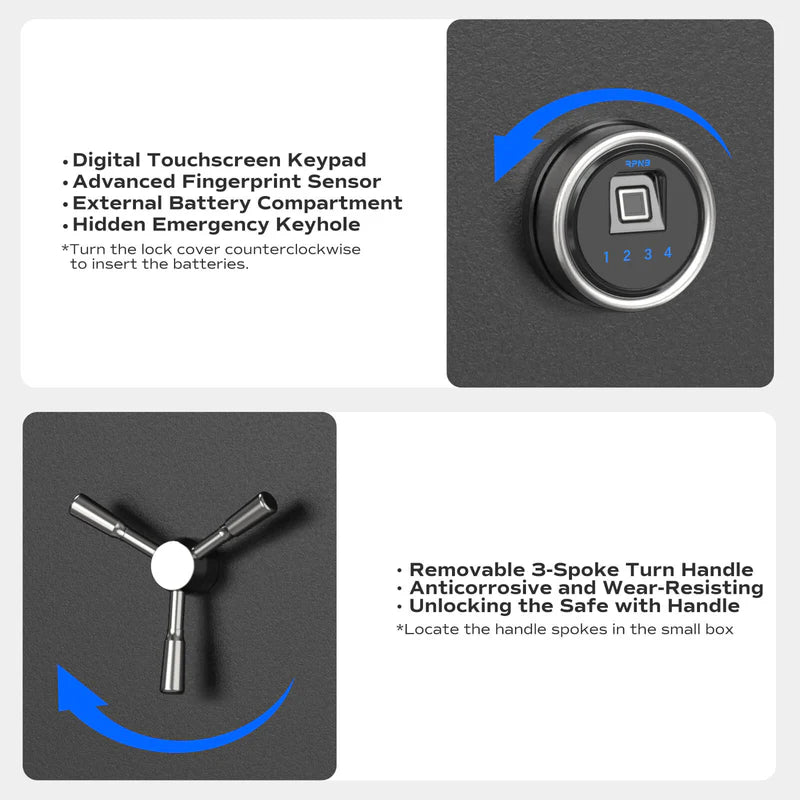
Electronic locks offer quick access with codes. They can lock automatically after a few seconds. Biometric locks use fingerprints or retina scans. Only authorized users can open the safe. These locks reduce risks of lost keys or forgotten codes. High-tech locks add a layer of smart security.
Alarm And Surveillance Systems
Alarms alert you and neighbors about break-in attempts. Some alarms connect to your phone for instant alerts. Surveillance cameras record any suspicious activity. Visible cameras can scare off thieves before they try. Combining alarms with cameras improves protection. These systems help catch intruders fast.
Best Practices For Safe Security
Keeping a rifle safe secure is very important. Best practices help protect your safe from break-ins. Simple steps make a big difference. Focus on strong habits to keep your weapons safe.
Choosing The Right Safe Location
Place your safe in a hidden spot. Avoid obvious places like closets or garages. Look for areas with less traffic and low visibility. A solid wall helps prevent easy access. Avoid ground floors if possible. Choose a place that is hard to reach and see.
Regular Maintenance And Testing
Check your safe often for signs of damage. Test the lock and vibration sensors regularly. Fix problems quickly to keep security strong. Clean the safe to avoid rust or dirt buildup. Regular upkeep helps your safe work well every time.
Combining Multiple Security Layers
Use more than one security method. Combine vibration sensors with alarms or cameras. Add strong locks and reinforced doors. Multiple layers slow down or stop thieves. Each layer adds protection and peace of mind.
Frequently Asked Questions
How Do Vibration Sensors Protect Rifle Safes?
Vibration sensors detect unusual movements or impacts on rifle safes. They trigger alarms to alert owners of break-in attempts. This early warning helps prevent theft by scaring off intruders and notifying security systems promptly.
Can Vibration Sensors Detect All Types Of Break-ins?
Vibration sensors mainly detect physical impacts like drilling or hammering. They may not sense silent or subtle tampering methods. Combining sensors with other security measures improves overall rifle safe protection.
Are Vibration Sensors Easy To Install On Rifle Safes?
Yes, vibration sensors are generally easy to install. Most models come with adhesive backing or mounting brackets. Installation usually requires minimal tools and can be completed within minutes.
Do Vibration Sensors Reduce Rifle Safe Break-in Risks?
Yes, vibration sensors significantly reduce break-in risks. They act as a deterrent and provide immediate alerts during tampering. This enhances the security of your rifle safe and its contents.
Conclusion
Vibration sensors add an important layer of protection to rifle safes. They alert owners quickly if someone tries to break in. This early warning can stop theft before it happens. Sensors work best combined with strong locks and good safe placement.
They do not guarantee full security but greatly improve safety. Protecting your firearms is easier with these small devices. Consider vibration sensors as part of your home defense plan. Staying prepared helps keep your belongings safe and secure.