Are you worried about keeping your firearms secure but still want quick access when it matters most? You’ve probably heard about biometric rifle safes and wondered if they really live up to the hype.
Can you trust a fingerprint scanner to protect your rifles from unauthorized use? You’ll discover the truth about biometric rifle safes—how reliable they are, what to watch out for, and whether they’re the right choice for your safety needs. Keep reading to find out if this modern technology can give you peace of mind without compromising convenience.
How Biometric Safes Work
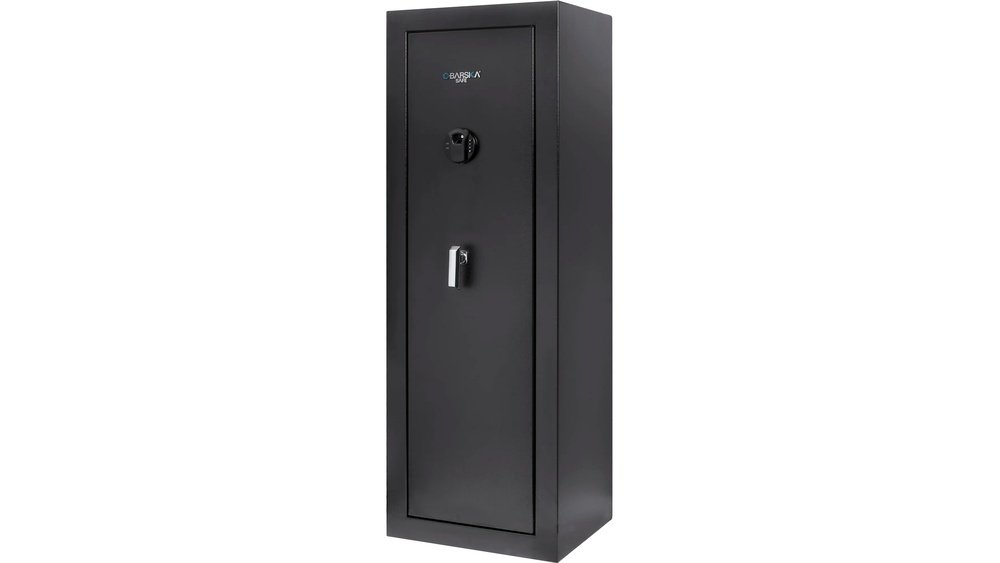
Biometric rifle safes use advanced technology to secure your firearms. They rely on unique physical traits to allow access. This system provides quick entry while keeping guns out of unauthorized hands.
Understanding how these safes work helps you trust their reliability and safety features.
Fingerprint Recognition Technology
Fingerprint recognition is the core of biometric safes. The safe reads the ridges and patterns on your finger. Each fingerprint is unique, making it a strong security measure. The scanner compares the scanned print to stored prints before unlocking.
Sensor Accuracy And Speed
High-quality sensors capture details quickly and accurately. This reduces false reads and delays. Fast processing means you can access your rifle in seconds. Accurate sensors improve overall safety and user experience.
Backup Access Options
Biometric safes include backup methods for emergencies. Common options are mechanical keys or passcodes. These backups ensure access if the fingerprint sensor fails or batteries die. Backup access keeps your safe reliable at all times.
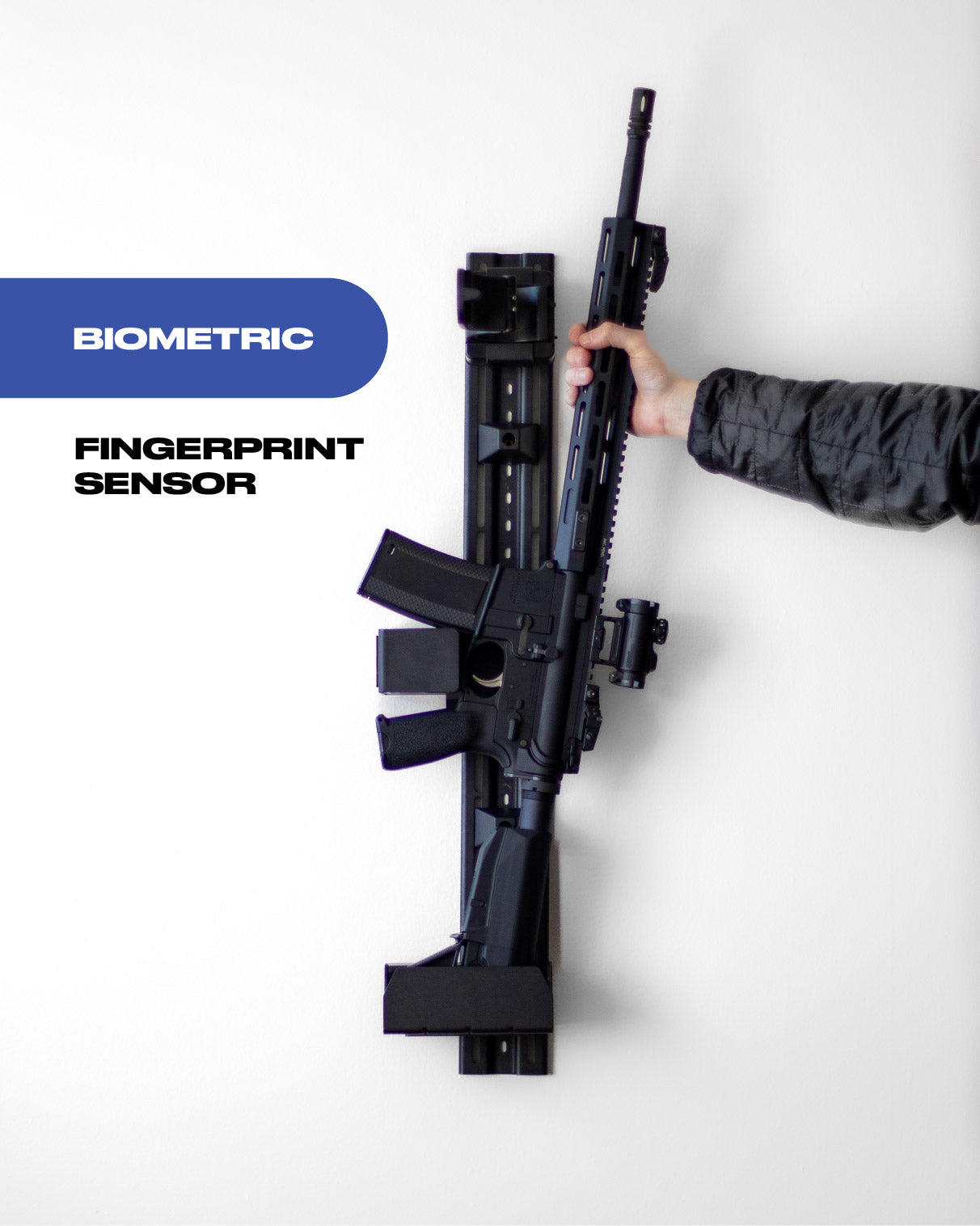
Advantages Of Biometric Rifle Safes
Biometric rifle safes offer several clear advantages over traditional safes. They combine security with ease of use. These safes use fingerprint technology to provide quick and reliable access. They help protect your rifles while making sure you can reach them fast when needed.
Below are some key benefits of biometric rifle safes that make them a smart choice for gun owners.
Quick Access In Emergencies
Biometric safes open quickly by recognizing your fingerprint. No need to remember codes or carry keys. This speed can be crucial in emergencies. It allows you to access your rifle fast and safely.
Enhanced Security Features
These safes use advanced fingerprint scanners that are hard to fool. They reduce the risk of unauthorized access. Many models lock automatically after each use, adding extra protection. Some also include alarms or backup power options.
User Convenience
Biometric safes are easy to use every day. Multiple fingerprints can be registered for family members. This means trusted users can open the safe without sharing codes or keys. The design also often includes interior lighting and adjustable shelves for better organization.
Common Concerns And Limitations
Biometric rifle safes offer a modern way to secure firearms. They use fingerprint scanners to allow quick access. Despite their benefits, some common concerns and limits affect their reliability. Understanding these issues helps users make smart choices.
False Rejection And Acceptance Rates
Biometric safes sometimes fail to recognize authorized users. This is called false rejection. It can cause frustration during urgent moments. On the other hand, false acceptance happens when the safe opens for someone else. Though rare, it poses a security risk. Manufacturers work to reduce these errors but they can still occur.
Power And Battery Issues
Biometric safes need power to work. Most use batteries, which can run out. Dead batteries mean no fingerprint scanning. Some safes offer backup keys or external power options. Regular battery checks and replacements are essential for reliability.
Durability And Environmental Factors
Environmental conditions affect biometric sensors. Dirt, moisture, and cold weather can reduce sensor accuracy. Fingerprints may not scan well if fingers are wet or dirty. Durable safes have better protection against these factors. Still, users should keep sensors clean and dry for best results.
Comparing Biometric Safes To Traditional Safes
Comparing biometric rifle safes to traditional safes helps to understand their strengths and weaknesses. Both types offer protection but differ in technology, user experience, and price. This section breaks down key aspects to help decide which safe suits your needs best.
Security Levels
Traditional safes use mechanical or electronic locks. They rely on codes, keys, or combination dials. Biometric safes use fingerprint scanners to grant access. This technology is harder to bypass. It limits access to registered users only. Traditional safes can be vulnerable if codes or keys are lost. Biometric safes reduce this risk but may fail if the scanner malfunctions. Both types provide strong protection if used properly.
Ease Of Use
Traditional safes can take time to open. Dial combinations require practice and patience. Electronic locks need code entry, which some forget. Biometric safes open quickly with a simple fingerprint touch. No need to remember codes or carry keys. This makes them convenient for quick access. Biometric safes also allow multiple fingerprints. This suits families or groups needing shared access. Traditional safes may be harder for some users to operate.
Cost Considerations
Traditional safes usually cost less upfront. They have fewer electronic parts and simpler designs. Biometric safes tend to be more expensive. Their advanced technology adds to the price. Consider long-term value: biometric safes offer faster access and better user control. Repairs or battery replacement may add costs later. Choose based on your budget and how much convenience matters.
Expert Opinions And Real-world Experiences
Experts and real users offer clear views on biometric rifle safes. Their insights help us understand reliability beyond specs. These opinions come from different experiences, making the picture more complete. Let’s see what law enforcement, gun owners, and industry experts say about these safes.
Law Enforcement Perspectives
Police officers often trust biometric safes for quick access. They say speed matters in emergencies. Fingerprint scanners work well but need regular maintenance. Some officers note occasional delays if fingers are wet or dirty. Overall, they find these safes useful for securing firearms while keeping access fast.
Gun Owner Testimonials
Many gun owners share positive experiences with biometric safes. They like the ease of access compared to traditional locks. Some mention occasional scanner glitches but say backups like key codes help. Owners feel safer knowing their rifles are secure yet ready. Real stories show practical benefits and some small frustrations.
Industry Reviews
Industry experts test safes for security and durability. They praise biometric models for strong protection and quick entry. Reviews highlight the importance of quality sensors and build materials. Some reports warn against cheaper models that fail under stress. Reliable brands score higher in tests and user feedback.
Maintenance And Best Practices
Maintaining a biometric rifle safe is key to its reliability. Proper care keeps your safe working smoothly. It also protects your firearms from unauthorized access. Simple steps help avoid malfunctions and extend the safe’s life.
Regular Testing And Calibration
Test your biometric safe often. Check if the fingerprint scanner reads your prints correctly. Calibration keeps the scanner accurate and fast. Follow the manufacturer’s guide to recalibrate as needed. Regular checks prevent lockouts and false rejections. This ensures quick access in urgent moments.
Battery Replacement Tips
Replace batteries before they run out. Low power can cause slow or failed scans. Use high-quality batteries recommended by the manufacturer. Keep spare batteries nearby for quick swaps. Avoid mixing old and new batteries to prevent damage. Clean battery contacts to maintain good power flow.
Safe Placement And Handling
Place the safe in a dry, stable location. Avoid areas with extreme heat or moisture. Handle the safe gently to prevent damage to the electronics. Keep the fingerprint scanner clean and free of dirt. Cover the scanner when not in use to protect it. Good placement and care improve safe performance.
Future Trends In Biometric Safe Technology
Biometric rifle safes are evolving quickly. New technology makes these safes more secure and easier to use. The future holds many exciting changes that will improve safety and convenience. Understanding these trends helps buyers make smart choices.
Advancements In Sensor Technology
Sensor technology is getting more accurate. New sensors can read fingerprints faster and more precisely. This reduces mistakes and false readings. Some safes now use multi-sensor systems to check different biometric data. This adds an extra layer of security to keep rifles safe.
Integration With Smart Home Systems
Biometric safes are starting to connect with smart home devices. Users can control and monitor safes through their phones. Alerts can be sent if someone tries to open the safe. This connection adds convenience and improves safety by keeping owners informed.
Improved User Authentication Methods
New ways to verify users are being developed. Besides fingerprints, some safes use facial recognition or voice commands. Combining multiple methods helps prevent unauthorized access. These improvements make biometric safes more reliable and user-friendly.

Frequently Asked Questions
Are Biometric Rifle Safes More Secure Than Traditional Locks?
Biometric rifle safes offer faster access and higher security. They use fingerprint recognition, which is harder to bypass than keys or combinations. However, quality and technology vary, so choose a reputable brand to ensure reliability and effective protection for your firearms.
How Fast Can I Access My Rifle With A Biometric Safe?
Most biometric rifle safes unlock within 1 to 3 seconds. This quick access is crucial in emergencies. Fingerprint sensors improve speed and convenience compared to traditional locking mechanisms, making them ideal for responsible gun owners seeking both security and accessibility.
Do Biometric Rifle Safes Work Well In Cold Or Wet Conditions?
High-quality biometric safes are designed to operate in various environments, including cold and wet conditions. However, extreme weather might affect sensor performance. It’s important to check the manufacturer’s specifications and choose safes with weather-resistant features for dependable use.
Can Multiple Fingerprints Be Registered In A Biometric Safe?
Yes, most biometric rifle safes allow multiple fingerprints. This feature lets trusted family members or authorized users access the safe quickly. Registering multiple prints enhances convenience without compromising security, making it ideal for households with several responsible gun owners.
Conclusion
Biometric rifle safes offer quick access and strong protection. They use fingerprint recognition to keep guns secure. Yet, no safe is perfect. Batteries can die, or sensors may fail. Regular maintenance helps keep them reliable. Choose a model with good reviews and solid build.
This type of safe suits those needing fast, secure gun storage. Trust your instincts and research well before buying. Safety matters most, and biometric safes can help.