Are you tired of dealing with damp walls, musty odors, or stubborn mold in your home? Choosing the right size dehumidifier can make all the difference in keeping your space fresh and comfortable.
But how do you know which one fits your room perfectly? Picking the wrong size could mean wasted money or a device that just can’t keep up. In this guide, you’ll discover simple steps to find the perfect dehumidifier size for your needs—so you can breathe easier and protect your home without any hassle.
Keep reading to learn exactly what to look for and avoid common mistakes.
Why Size Matters
Choosing the right size dehumidifier is very important. The size affects how well the device works and how much energy it uses. Picking the wrong size can cause problems. A too-small dehumidifier will run all the time but not remove enough moisture. A too-large one will cycle on and off too often. Both situations waste energy and reduce comfort.
Impact On Efficiency
The size of the dehumidifier directly affects its efficiency. A properly sized unit removes moisture quickly and keeps humidity at the right level. A small unit struggles to keep up with damp air. It runs nonstop and wears out faster. A large unit removes moisture quickly but turns off too soon. This short cycling makes it less efficient. Correct sizing helps maintain a steady humidity level and extends the device’s life.
Energy Consumption Concerns
Energy use depends on the dehumidifier size. A small unit working too hard uses more electricity over time. It cannot keep humidity low, so it runs longer. A large unit uses more power in short bursts but stops early. This start-and-stop pattern wastes energy. Choosing the right size saves money on electric bills. It also reduces environmental impact by lowering energy use.
Assessing Room Size
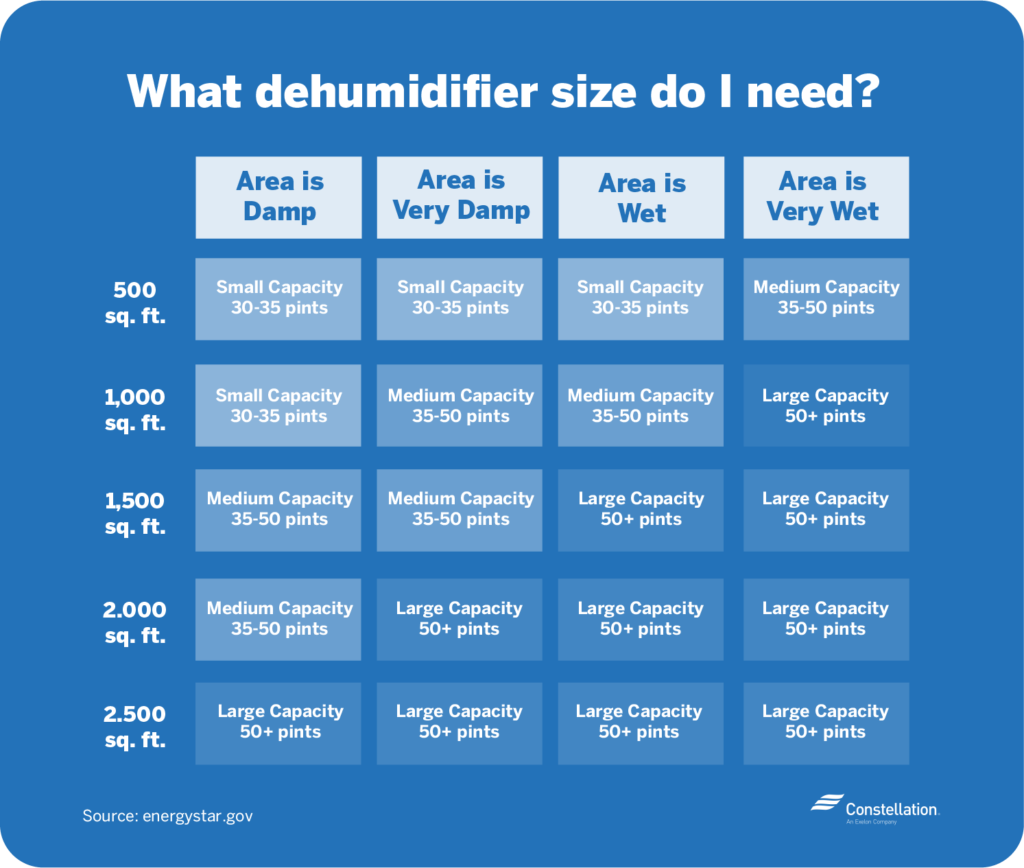
Choosing the right size dehumidifier depends mainly on the size of the room. Knowing the room’s size helps pick a model that works well. A small dehumidifier may not remove enough moisture in a large room. A too-big one wastes energy in a small space. Assessing room size carefully ensures the dehumidifier performs effectively.
Two main factors define the room size: the floor area and the ceiling height. Both affect the volume of air that needs drying. Measuring these gives a clear idea of the room’s total space. This knowledge guides the choice of the proper dehumidifier capacity.
Measuring Square Footage
Start by measuring the room’s length and width. Use a tape measure for accuracy. Multiply the length by the width to get square footage. For example, a 10-foot by 12-foot room equals 120 square feet. This number is key to finding the right size dehumidifier. Many models list the square footage they cover. Match the room size to this number for good results.
Considering Ceiling Height
Ceiling height affects the total air volume in a room. Standard ceiling height is about 8 feet. Higher ceilings mean more air to dehumidify. Measure the height from floor to ceiling. Multiply the square footage by ceiling height for cubic footage. Larger cubic footage may require a higher capacity dehumidifier. This step ensures the unit can handle the room’s volume.
Evaluating Humidity Levels
Evaluating humidity levels helps choose the right size dehumidifier for your space. High moisture can cause mold, mildew, and damage. Understanding the current humidity is the first step to control it effectively.
Using A Hygrometer
A hygrometer measures the moisture in the air. It gives an accurate reading of indoor humidity. Place it in the room you want to dehumidify. Check the reading after a few hours for a stable result. Ideal indoor humidity is between 30% and 50%. Above 60% means the air is too damp and needs a dehumidifier.
Signs Of Excess Moisture
Look for visible signs of dampness. Mold spots on walls or ceilings indicate high humidity. A musty smell also signals excess moisture. Condensation on windows is another common sign. Peeling paint or warped wood shows long-term damp problems. These signs suggest a more powerful dehumidifier is needed.
Dehumidifier Capacity Explained
Choosing the right size dehumidifier is key to keeping your space comfortable. Understanding the capacity helps you pick a model that works well for your room. Capacity shows how much moisture the dehumidifier can remove in a day. This affects how quickly and effectively it dries the air. A unit with too low capacity will not control humidity well. A unit with too high capacity may waste energy.
Pints Per Day Rating
The capacity of dehumidifiers is measured in pints per day. This means how many pints of water the machine can remove from the air in 24 hours. Common sizes range from 20 to 70 pints per day. A higher number means the dehumidifier can handle more moisture. Check this rating to compare different models easily.
Matching Capacity To Room Needs
Choose a dehumidifier size based on the room’s size and moisture level. Small rooms need less capacity, around 20-30 pints per day. Larger or damp rooms may require 50 or more pints. Very wet spaces or basements might need the highest capacity models. Using the right capacity ensures faster drying and saves electricity.
Special Room Considerations
Choosing the right size dehumidifier depends on the room’s specific needs. Some rooms have more moisture and require special attention. Understanding these special room considerations helps pick the best dehumidifier size. This ensures the room stays dry and comfortable.
Basements And Crawlspaces
Basements and crawlspaces often have high humidity. They are below ground level and tend to be damp. A larger dehumidifier is usually needed here. The unit must handle the moisture coming from the soil and walls. Sealing cracks and improving ventilation also helps reduce humidity.
Bathrooms And Kitchens
Bathrooms and kitchens create a lot of steam and moisture. Small to medium dehumidifiers work well in these areas. Choose a model that can handle quick humidity spikes. A compact size fits better in tight spaces. It also helps prevent mold and mildew in these wet rooms.
Energy Efficiency Ratings
Energy efficiency ratings help you find a dehumidifier that saves power and money. Choosing a unit with good ratings reduces electricity use. This means lower bills and less impact on the environment. Understanding these ratings helps pick the right size dehumidifier for your space.
Energy Star Certification
Energy Star is a trusted label for energy-efficient products. Dehumidifiers with this mark use less electricity than standard models. They meet strict government standards for power use. Choosing an Energy Star certified dehumidifier ensures better energy savings. It also means the unit works well without wasting power.
Operating Costs
Operating costs depend on how much electricity the dehumidifier uses. Larger units often consume more power but may run less time. Smaller units use less electricity but might run longer to dry the air. Check the power consumption rating, usually in watts. Compare this with your local electricity rates to estimate costs. Lower operating costs mean more savings over time.
Additional Features To Consider
Choosing the right size dehumidifier is important, but extra features can also improve your experience. These features can make the device easier to use and more efficient. They help the dehumidifier work better for your specific needs.
Auto Shutoff And Humidistat
Auto shutoff stops the dehumidifier when the water tank is full. This prevents spills and saves energy. The humidistat measures the air’s moisture level. It lets the dehumidifier turn on and off automatically. This keeps your room at the right humidity without wasting power.
Portability And Noise Levels
Portability matters if you want to move the dehumidifier between rooms. Look for models with wheels or handles. Noise levels also matter, especially for bedrooms or offices. Choose a quiet model to avoid disturbance. Check the decibel rating before buying.
Common Mistakes To Avoid
Choosing the right size dehumidifier is important for a healthy home. Many people make simple mistakes that reduce the device’s efficiency. Avoiding these errors helps you save money and get better results. Below are common mistakes to watch out for.
Oversizing Vs Undersizing
Picking a dehumidifier too big wastes energy and money. It runs too often and dries the air too much. This can cause discomfort and damage to wood furniture.
Choosing a unit too small means it cannot remove enough moisture. The room stays damp, and mold may grow. This defeats the purpose of buying a dehumidifier.
Select a size that fits your room’s square footage and moisture level. Check product guidelines for the right capacity.
Ignoring Maintenance Needs
Dehumidifiers need regular cleaning and upkeep. Ignoring filters and water buckets clogs the machine. It lowers performance and can cause bad smells.
Check the filter often and clean it as needed. Empty the water tank before it overflows. Follow the user manual for maintenance tips.
Good care keeps the dehumidifier working well for years.
Frequently Asked Questions
What Size Dehumidifier Do I Need For A Large Room?
For a large room, choose a dehumidifier with a capacity of 50+ pints per day. This size efficiently controls moisture in spaces over 1,500 square feet, preventing mold and improving air quality.
How To Calculate The Right Dehumidifier Capacity?
Calculate capacity by measuring room size in square feet. For every 1,000 square feet, select a dehumidifier with 20-30 pints capacity. Adjust based on humidity levels and room conditions for best results.
Can A Small Dehumidifier Handle A Damp Basement?
A small dehumidifier is suitable for damp basements up to 500 square feet. For larger or very damp basements, a higher capacity unit is necessary to effectively reduce moisture.
Does Room Humidity Affect Dehumidifier Size Choice?
Yes, higher humidity levels require larger capacity dehumidifiers. Assess humidity with a hygrometer and choose a unit that can handle your specific moisture level for optimal performance.
Conclusion
Choosing the right size dehumidifier keeps your home dry and comfy. Small rooms need smaller units; big rooms need larger ones. Check the room size and humidity level before buying. A properly sized dehumidifier works well and saves energy. It helps prevent mold and keeps air fresh.
Take time to pick the right fit for your space. This simple step improves your home’s air quality and comfort.